
3Edited by Tom Solari
4 Sections on pattern integrity and geometry from the film ‘‘Buckminster Fuller on Spaceship Earth’’ used by permission of Robert Snyder
5 Quotes copyrighted and printed by permission of R. Buckminster Fuller
6 Cover Design by John Divers
7 Lithography by Triangle Lithograph • Los Angeles
10ENVIRONMENT
to each must be
EVERYTHING
That isn't me
11UNIVERSE
in turn must be
ALL THAT ISN'T me
AND me
14 Every time man makes a new experiment he always
learns more. He cannot learn less.
15  Change: Reformat for poetry
18 I decided that man as
19 designed was designed to be an extraordinary success;
20 his characteristics were just magnificent…
23 …and what would be necessary was really
24 to find out what were the great comprehensive patterns
25 operating in Universe.
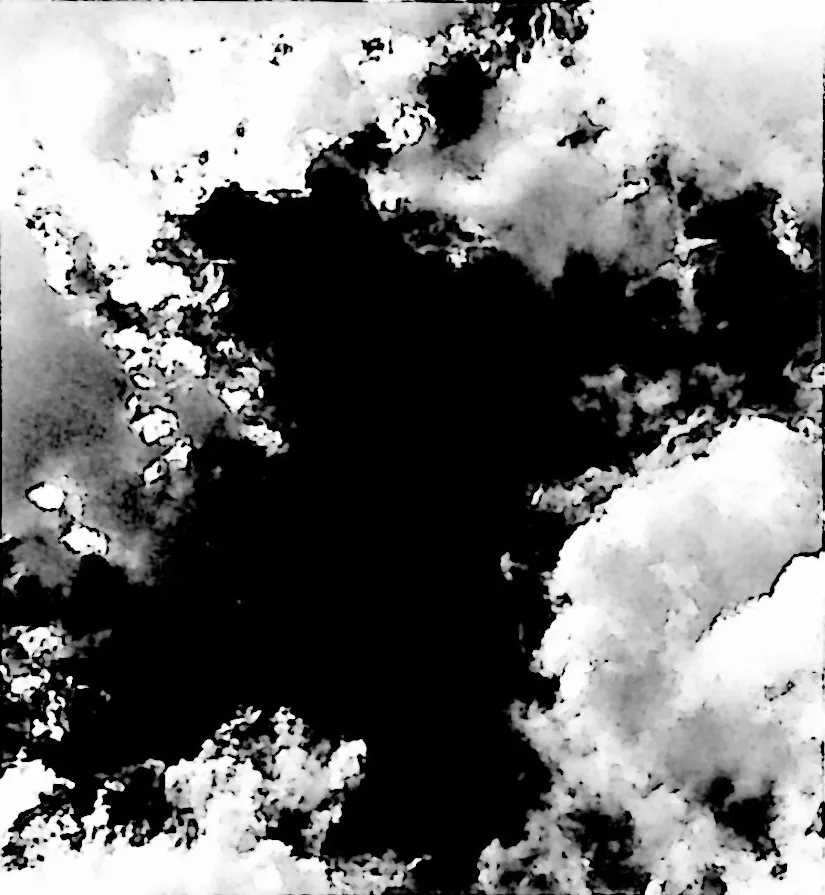
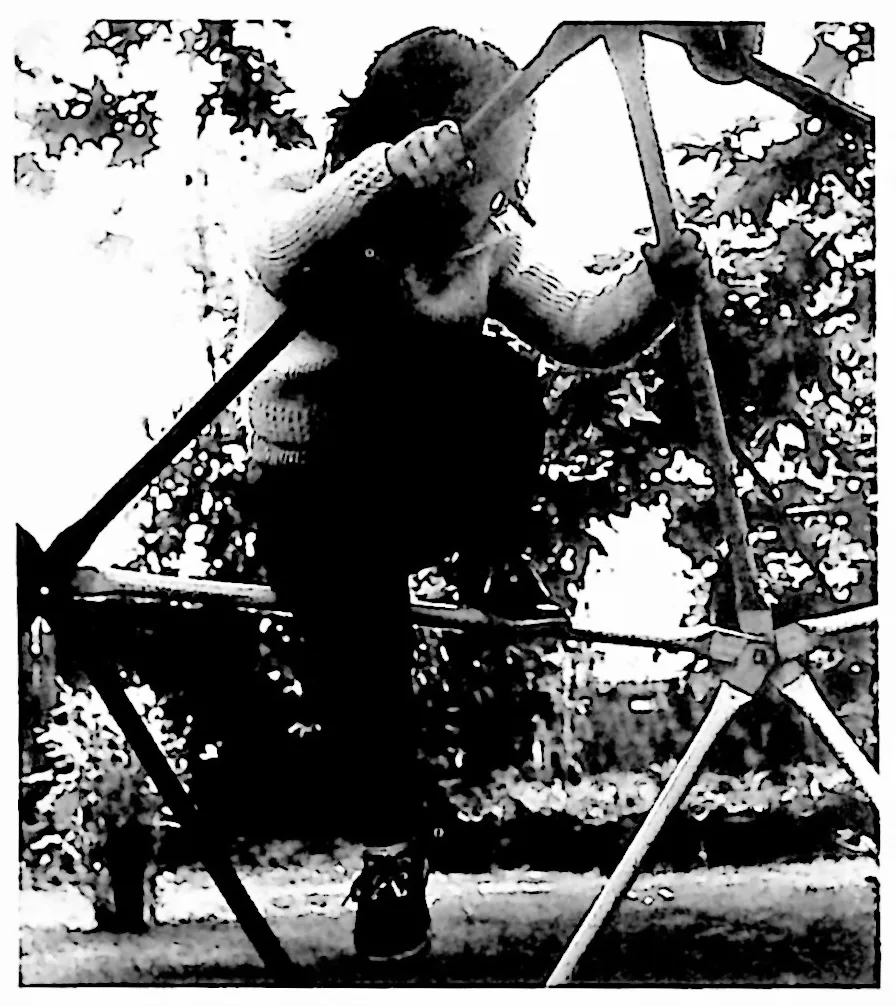
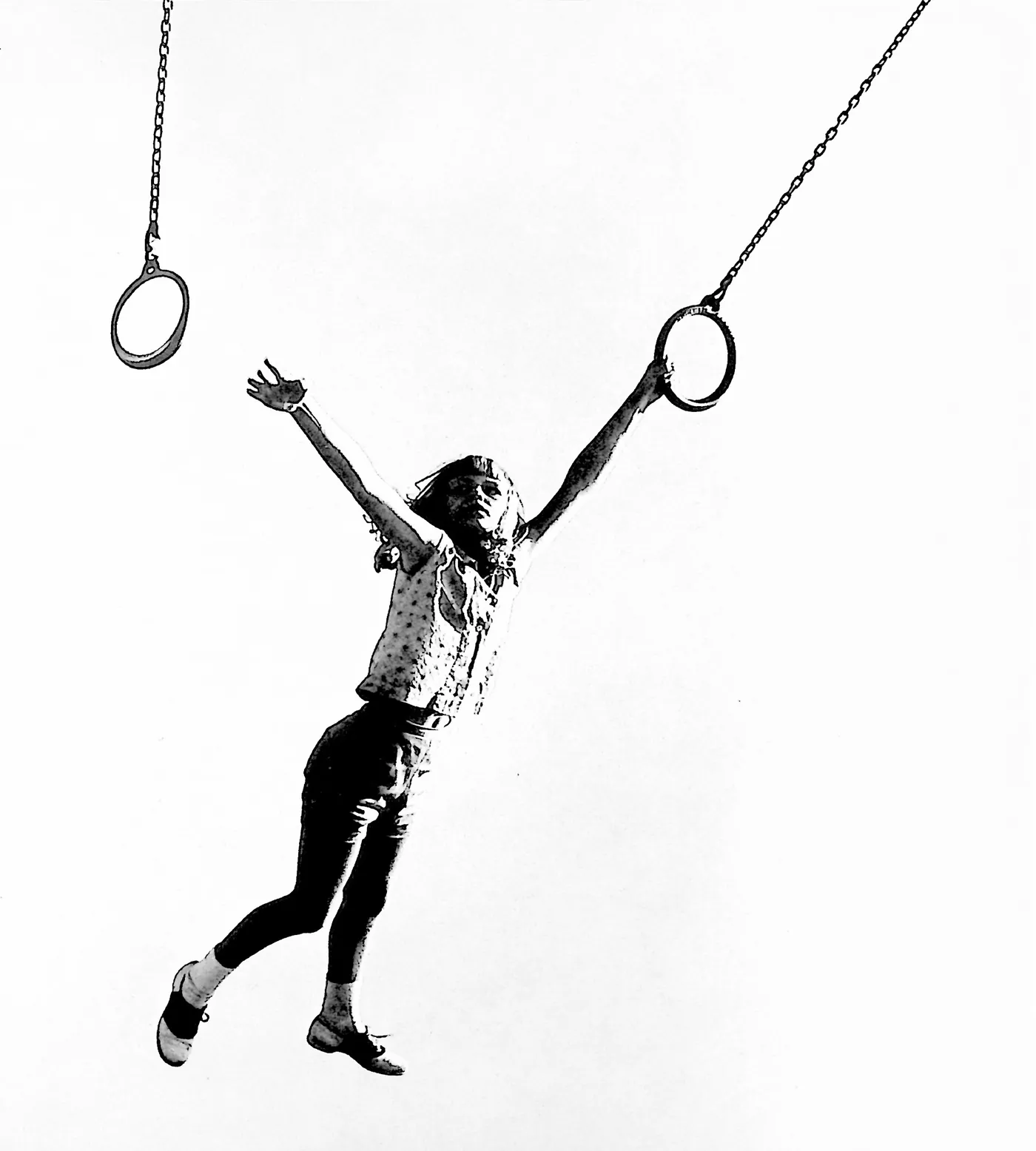
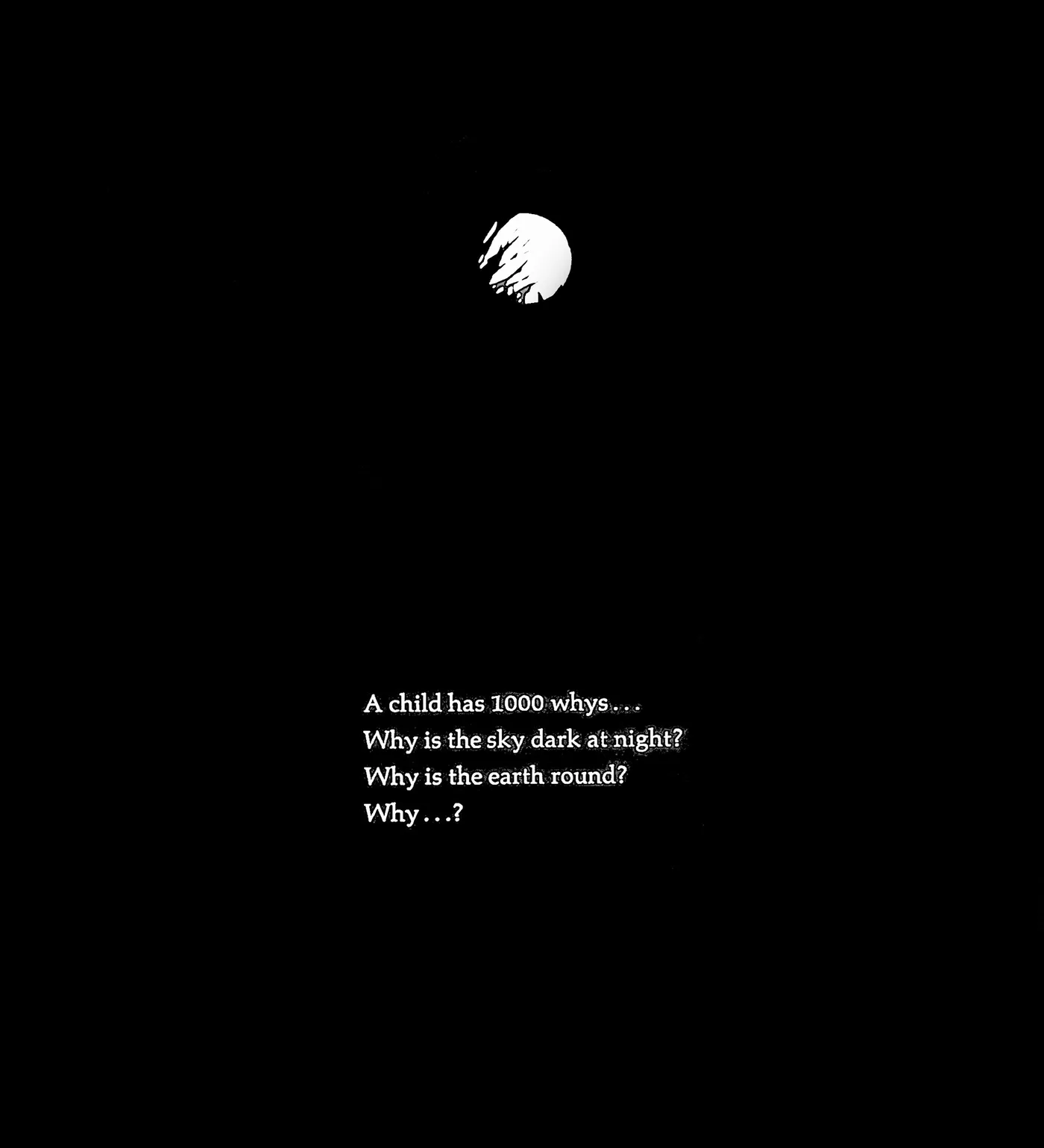
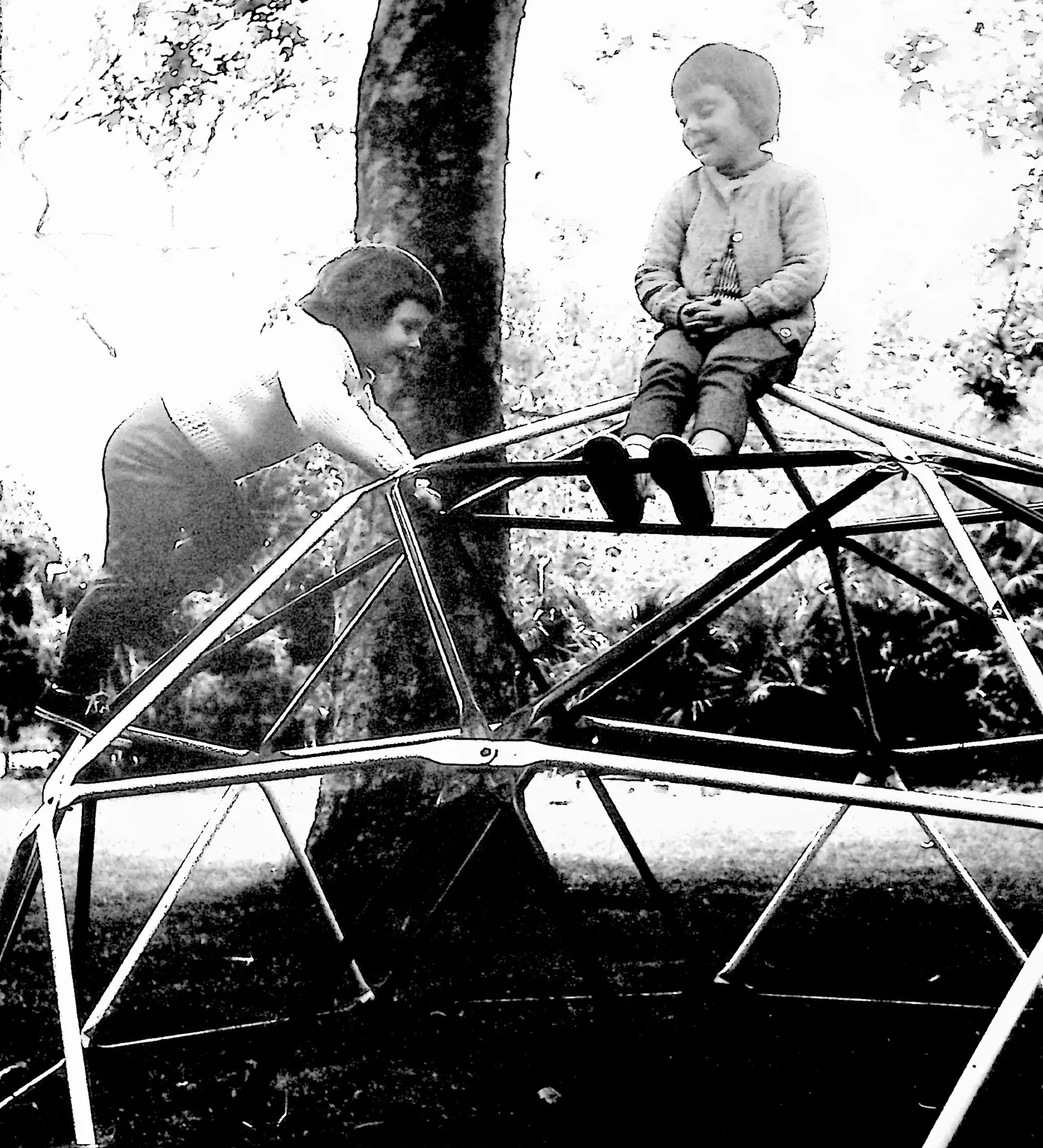
28 A child is comprehensive. He wants to understand the
29 whole thing…Universe.
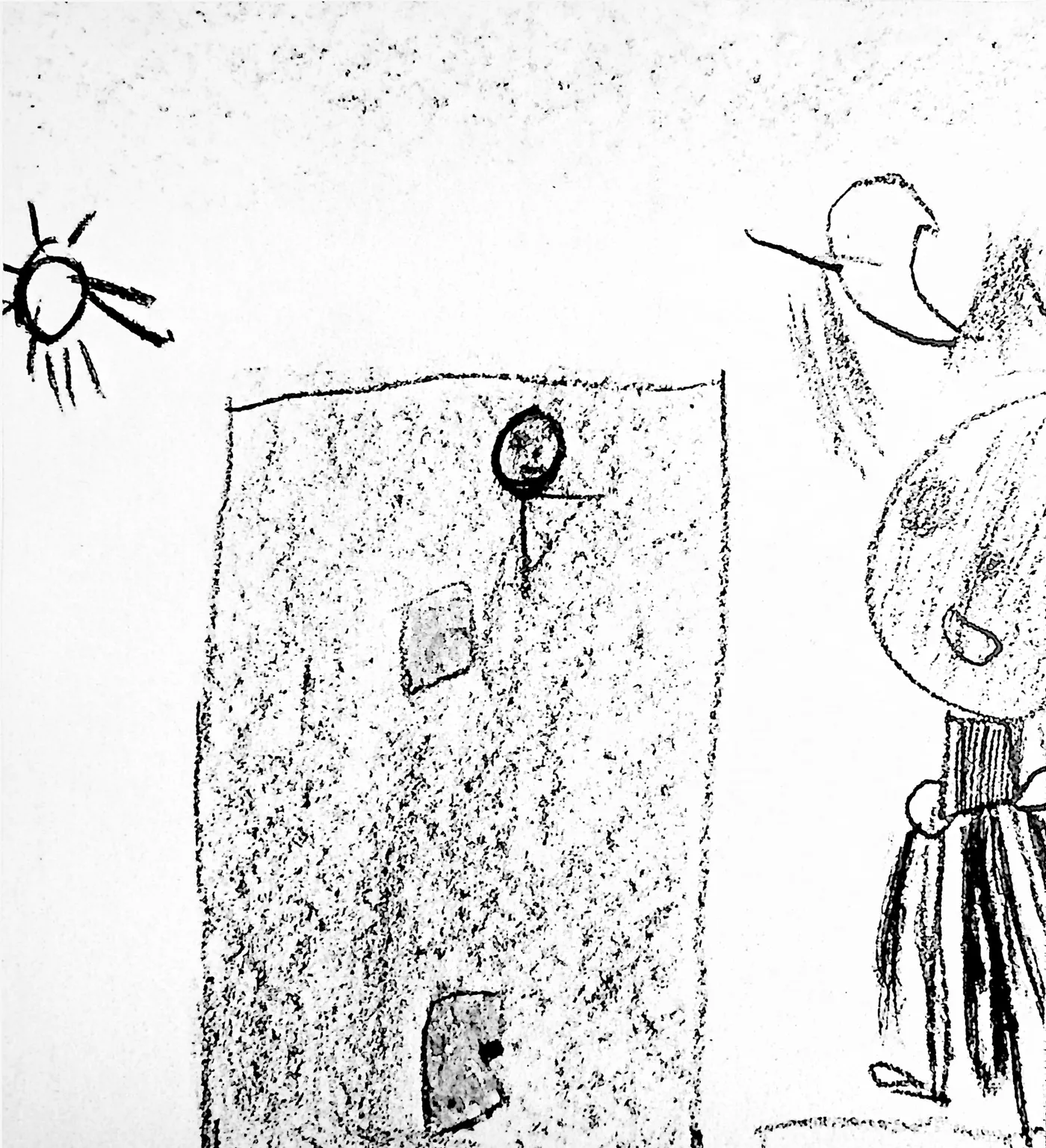
32 Children will draw pictures with
33 everything in them …houses and trees and people and
34 animals …and the sun AND the moon. Grown-up says,
35 ‘‘That's a nice picture, Honey, but you put
36 the moon and the sun in the sky at the same time
37 and that isn't right.’’ But the child is right!
38 The sun and moon are in the sky at the same time.
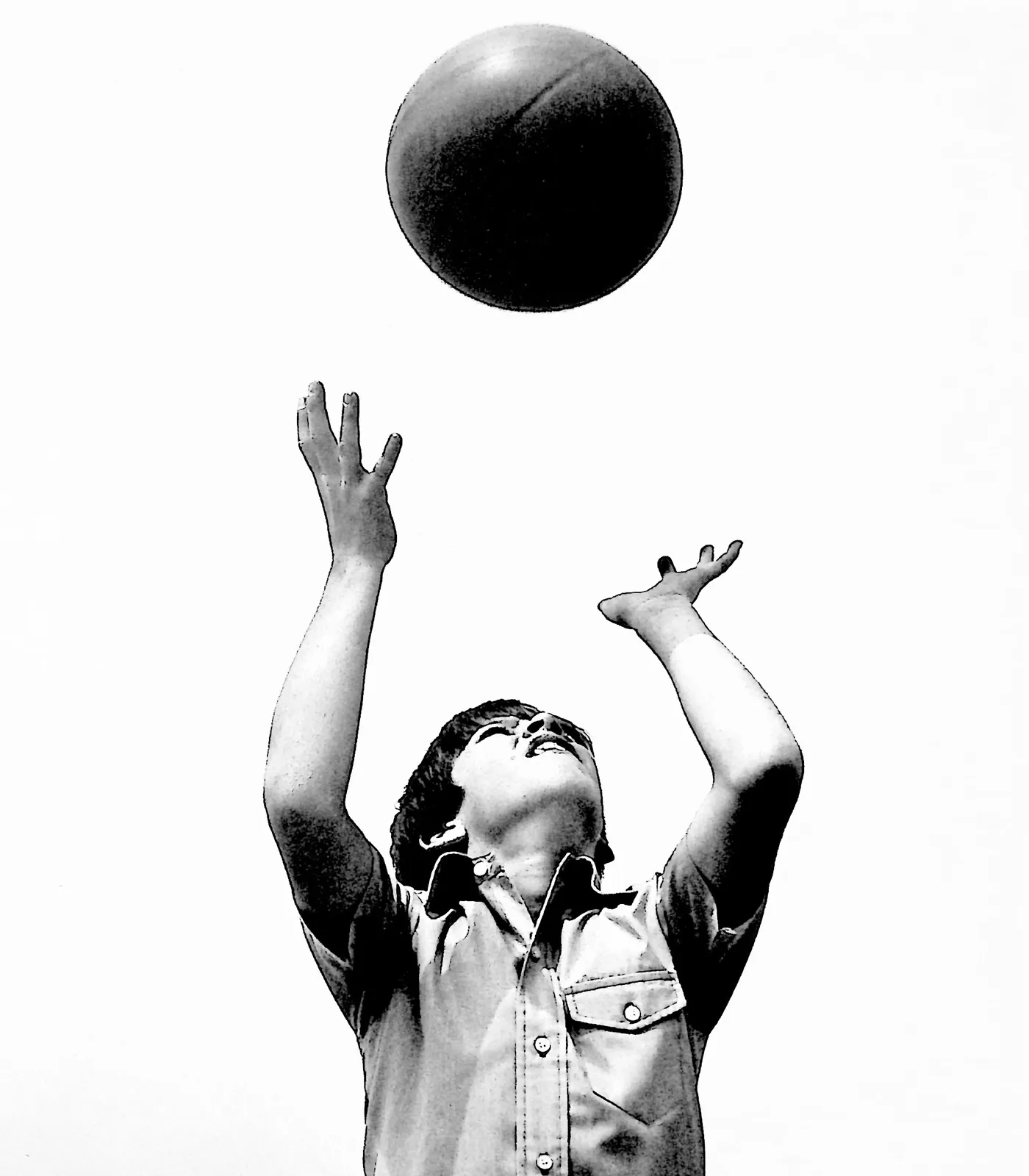
39 A child plays with balls that are round like
40 the earth and touches whole things. He touches his
41 mother a lot when he is young…and she
42 is big and sort of round.
43 A child thinks in terms of wholes.
47 Adults are often busy. They don't answer
48 the child's questions. And then the child goes to
49 school and the teacher says,
50 ‘‘First you're going to learn A, B, C.’’
51 The child still wants to understand UNIVERSE and
52 has big questions, and the teacher says,
53 ‘‘Never mind that…you learn the parts first…A, B, C…‘‘
54 Then the child goes to college
55 and never does get back to the whole.
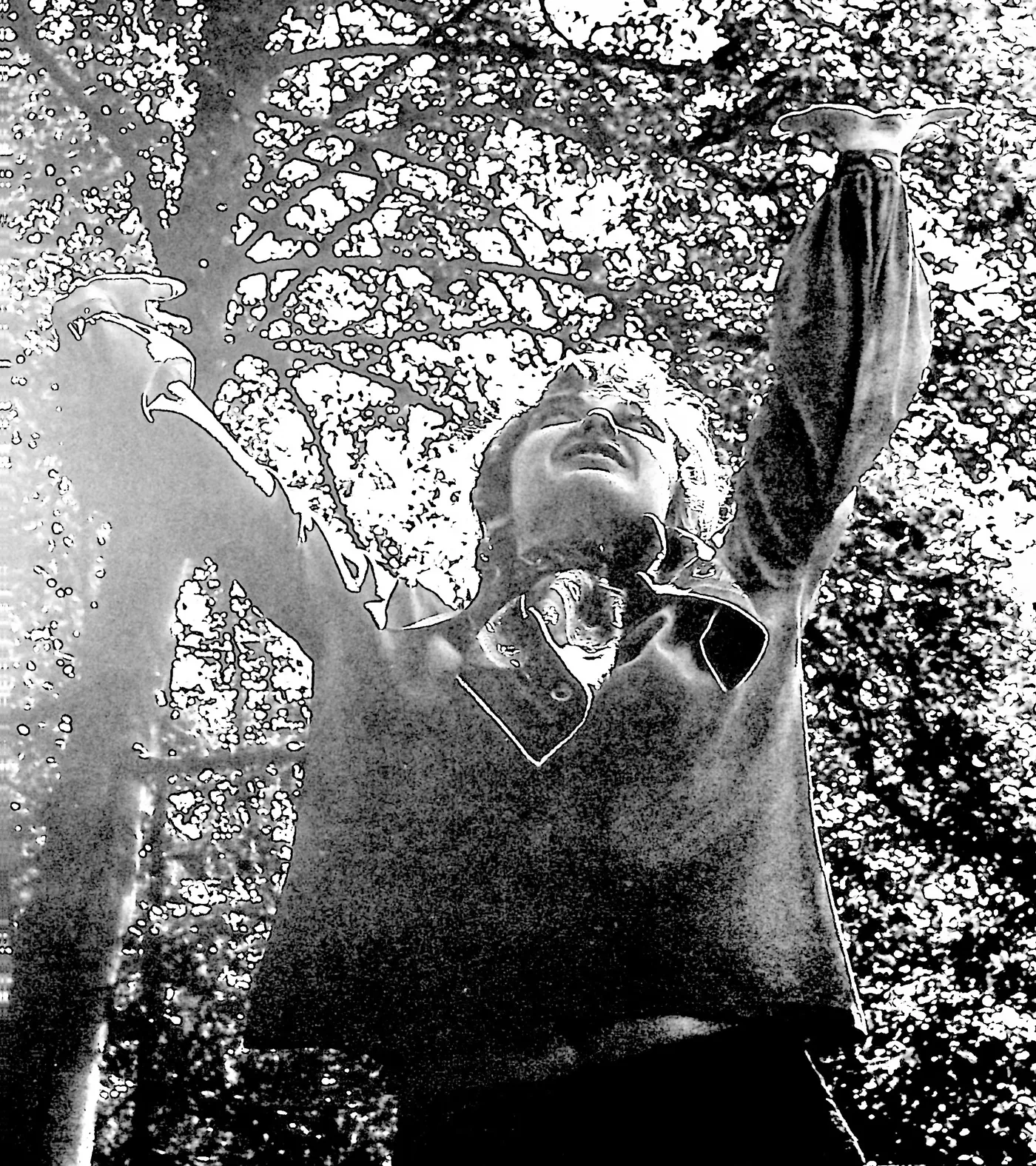
57 If you want to do something good for
58 a child…give him an environment where he can
59 touch things as much as he wants.
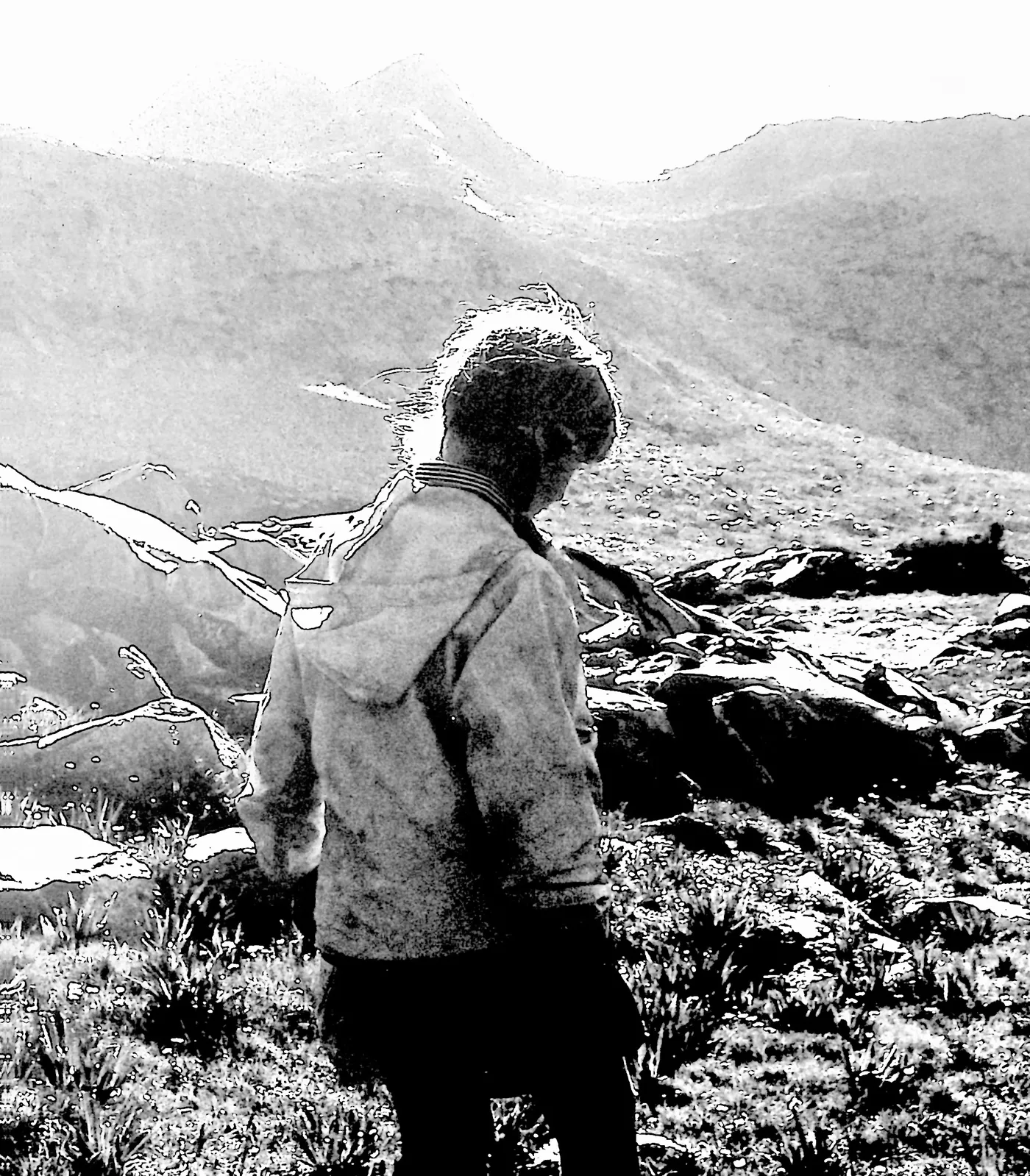
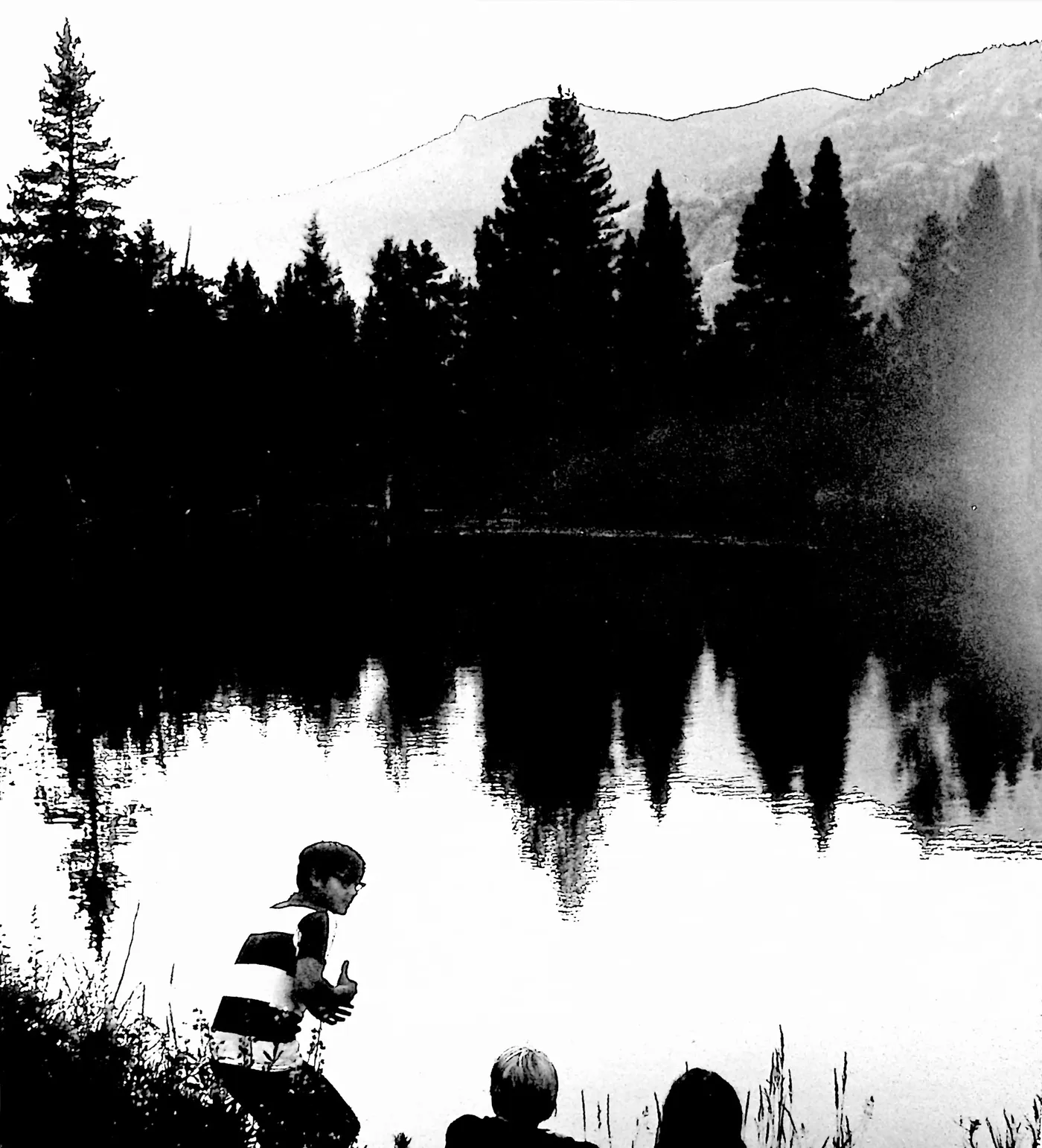
62 Sometimes we should send people fishing.
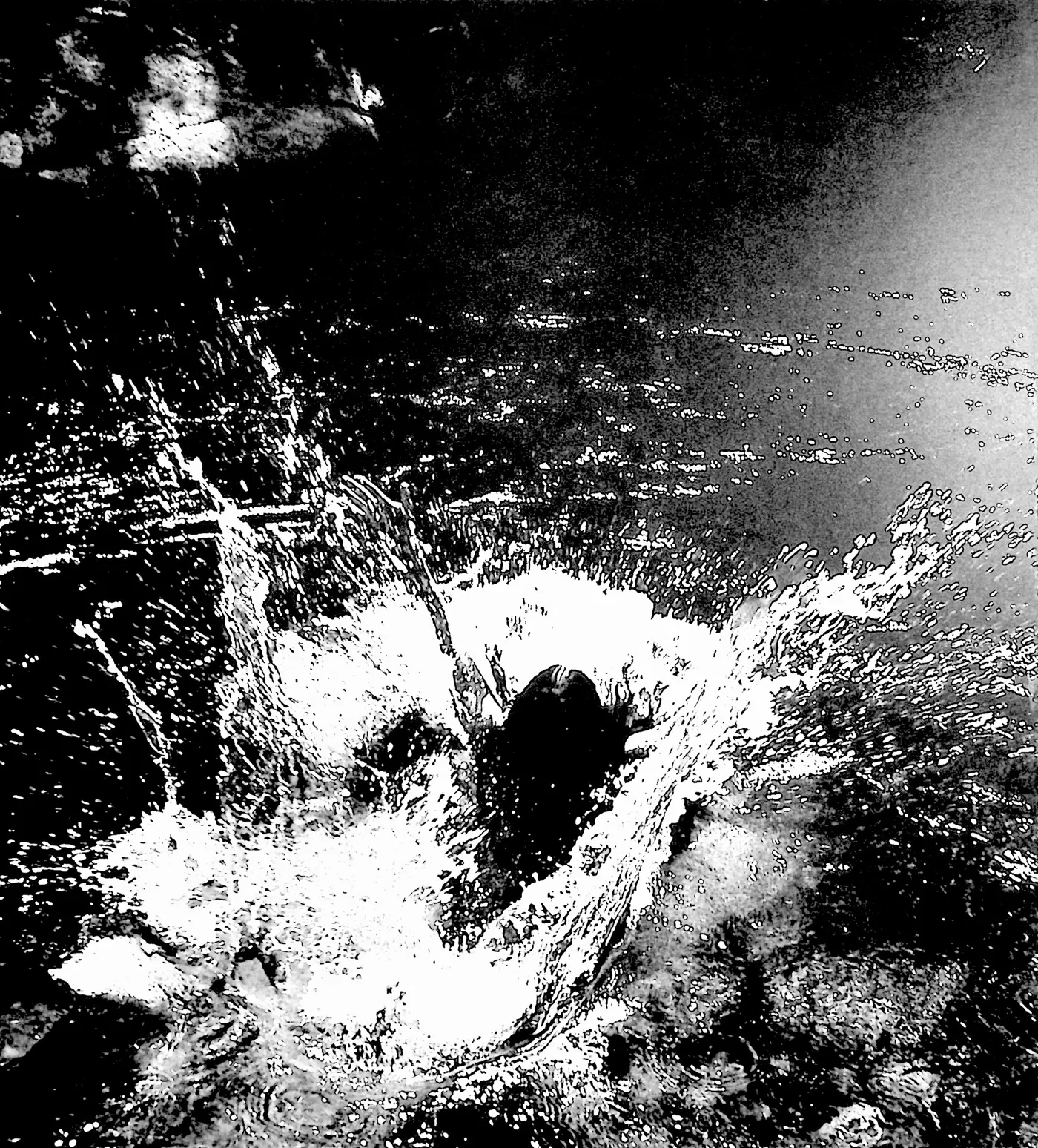
64 I'm not my hair that grows and gets cut off.
65 I'm not my fingernails. I'm not the food I eat that
66 turns into cells in my body…
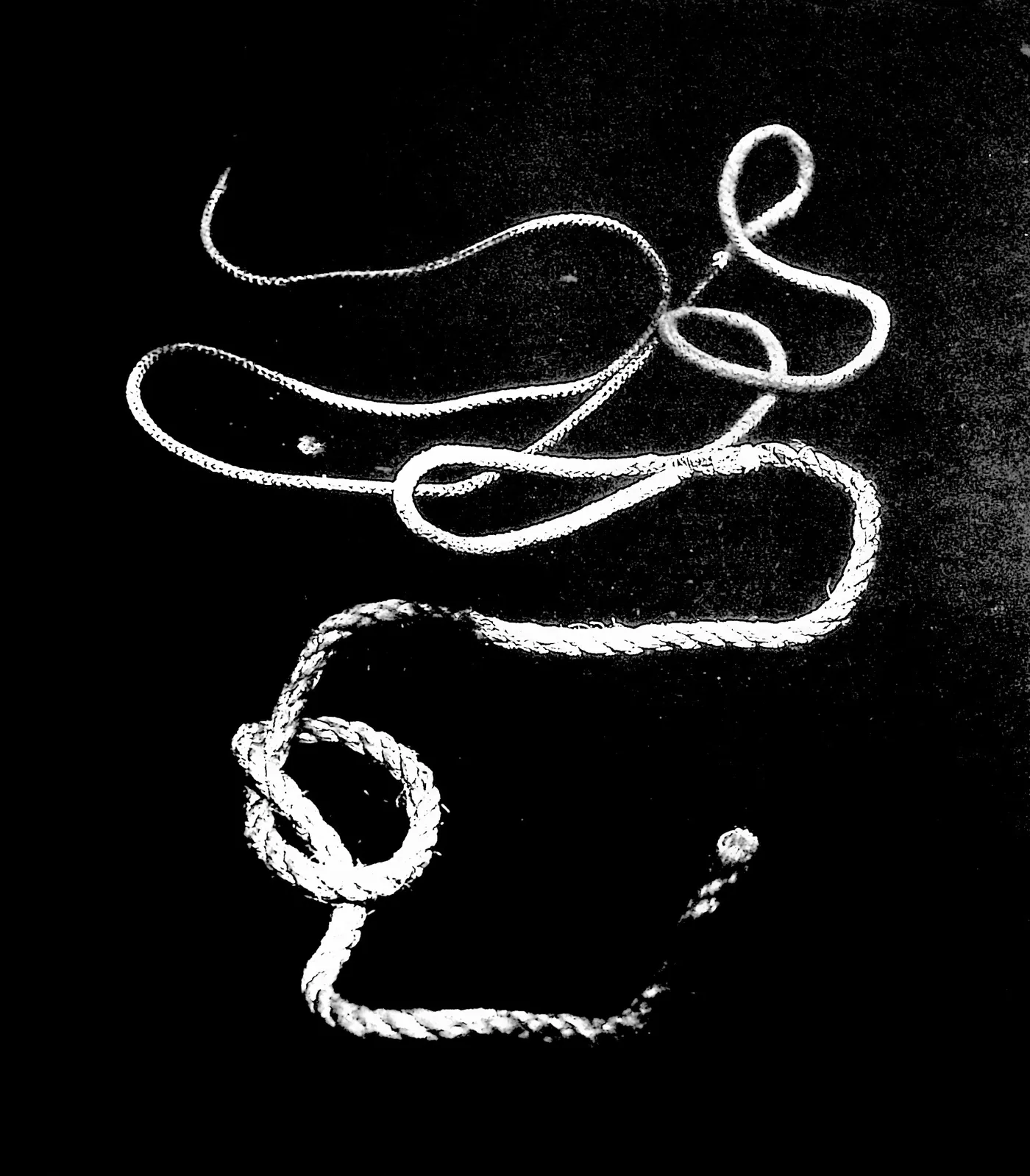
68 Man is a pattern integrity.
69 He is like the knot tied in a rope.
70 He is not the rope.
71 I'm going to splice a piece of manilia rope to
72 a piece of cotton rope and then splice the
73 other end of the cotton rope to a piece of nylon rope.
74 I'm going to make the very simplest
75 knot that I know. The rope has not done this,
76 I have done it to the rope.
77 I can slide this knot along …I slide it along the
78 rope and now it leaves the manilia
79 and now it's on the cotton. I keep sliding it
80 along and now it's on the nylon.
81 So …and suddenly it's off the end.
82 We say the knot was a pattern integrity, it wasn't
83 manilla, it wasn't cotton, it wasn't nylon.
84 Cotton and nylon and manilla;
85 any one of them are good to let us know
86 about its shape, what its pattern was,
87 but it was not that; it had an integrity in its own.
88 Man sometimes thinks like a tree…
89 but he was built to move.
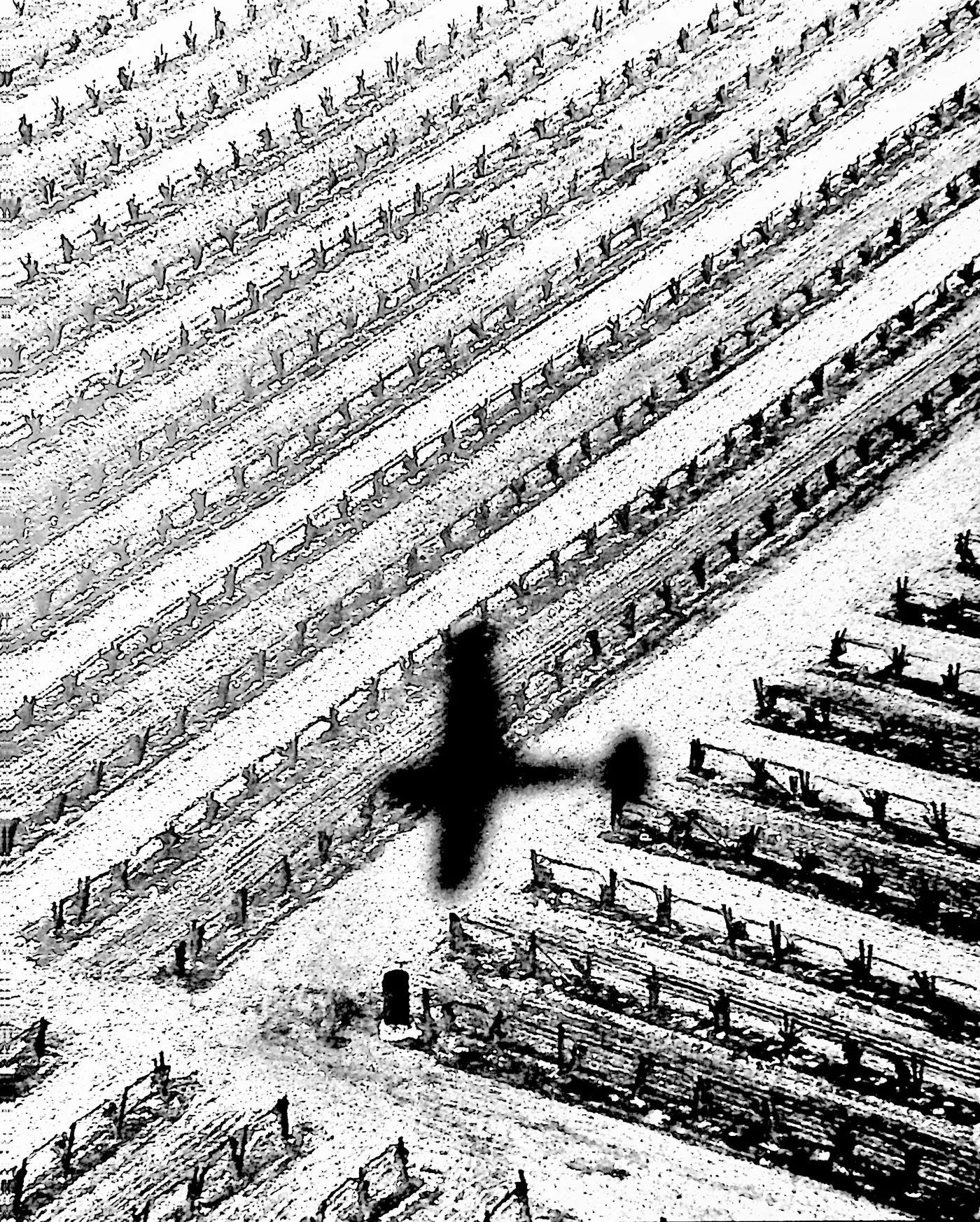
92 All anywhere about man,
93 within and without,
94 is eternally, ceaselessly motion,
95 whether he senses it or not.
96 Nature is so beautiful…How she is
working is so beautiful.
98 We need to find out what nature is doing so we
can be in harmony with her.
100 The kinds of ways in which man is measuring
101 tend to be much more complicated
102 than what nature is doing. Man starts off teaching
103 his children about measuring with a plane
104 and a line and a pair of lines parallel to each
105 other, and then 90 degrees to that, another
106 pair of lines, making something called a square.
107 But I find that that's all very well
108 if you could really live in a plane; and nobody can
109 live in a plane. Nobody can squash their body
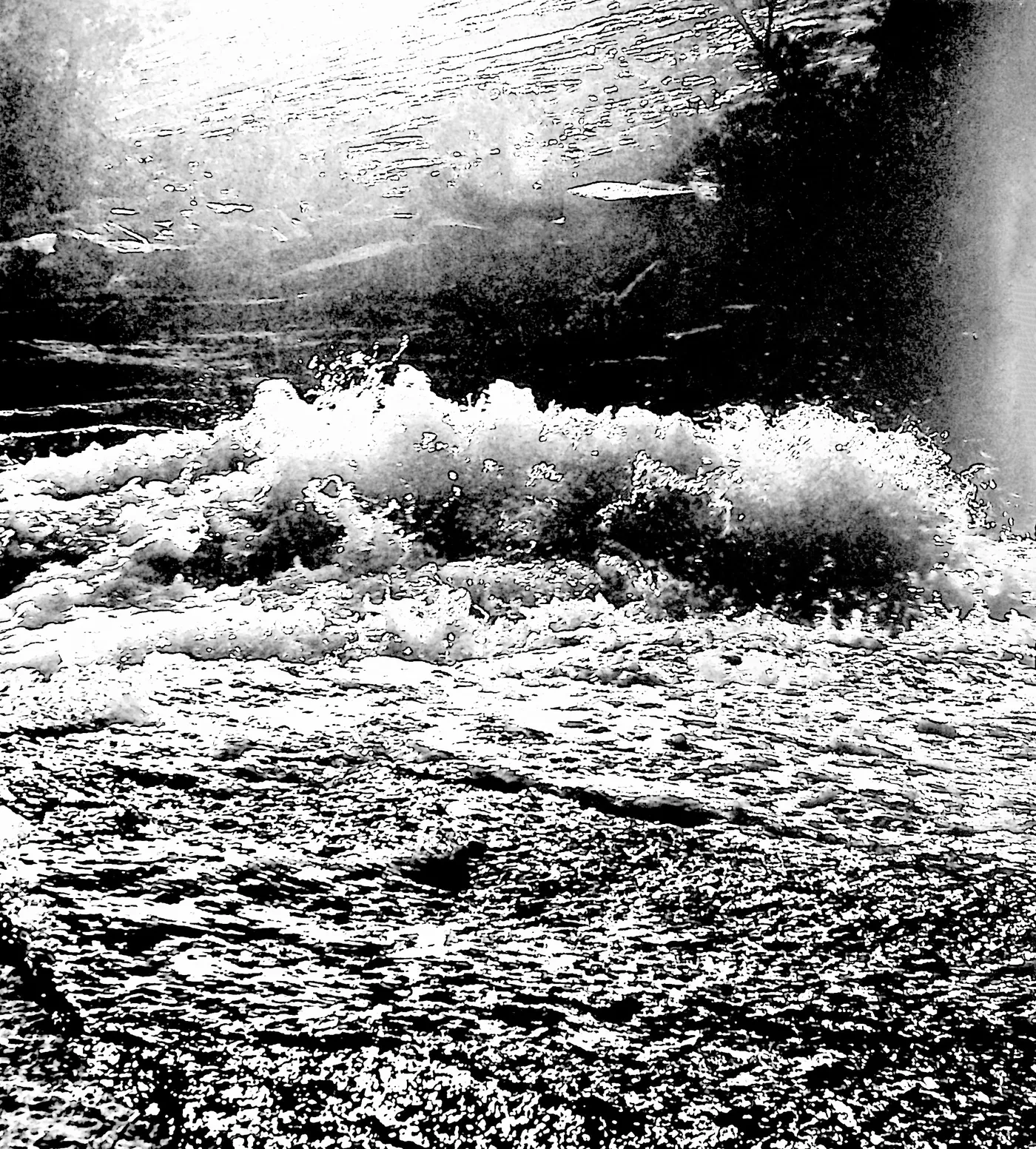
110 into a flat plane. That's not the way nature is.
111 She's not in a plane. She's omni-directional.
112 So when I really look at a square
113 I find it's very unstable.
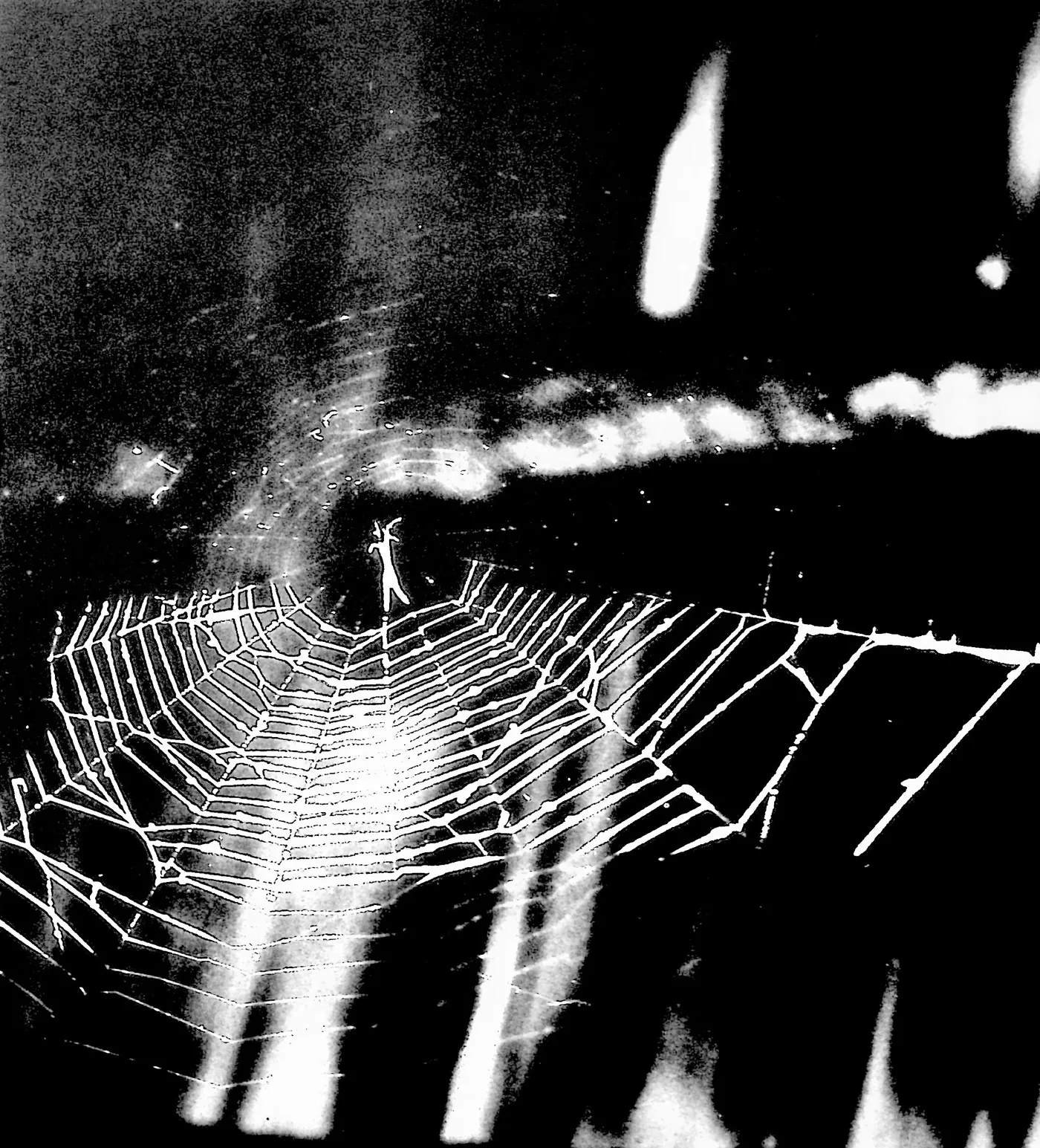
114 It doesn't want to stay square at all.
116 We take a side out of the square and…
117 suddenly it's very stable.
118 It doesn't get all
119 flexible the way it had been with the square. So this
120 is what we call tri-angle, three angles.
121 And triangle, with its three angles,
122 is the only stable structure.
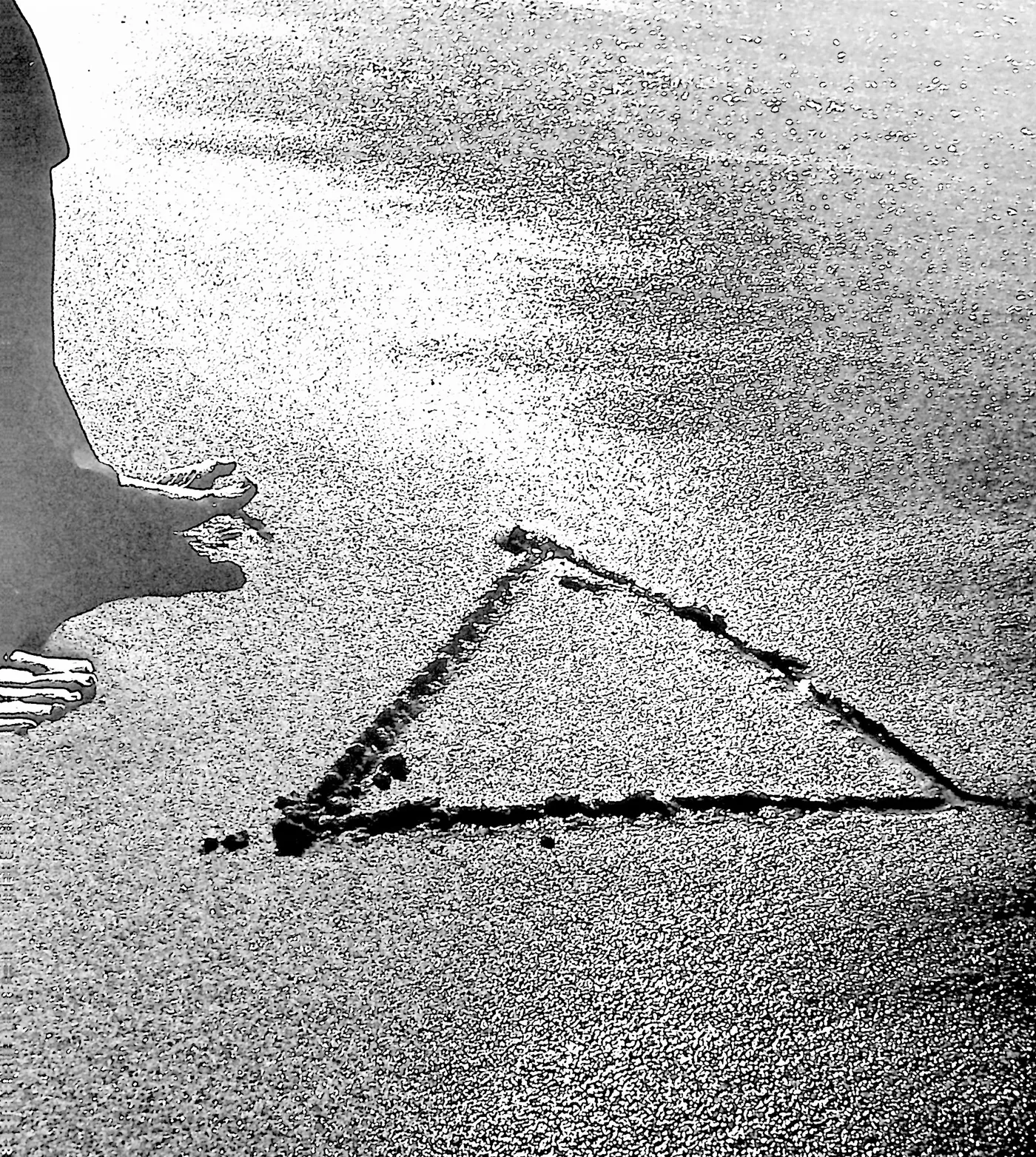
125 Nature is doing things in very logical clean-cut
126 ways. And we begin to study these even more
127 and I find that she's using beautiful geometry; this
128 always finally gets down to the simplest geometry
129 you can get down to. You can't have a
130 geometrical form of less than four faces: 1, 2, 3, 4.
131 This is the tetrahedron, four faces,
132 and then sometime after, it gets its corners knocked off
133 and it gets to be a beautiful tetrahedron.
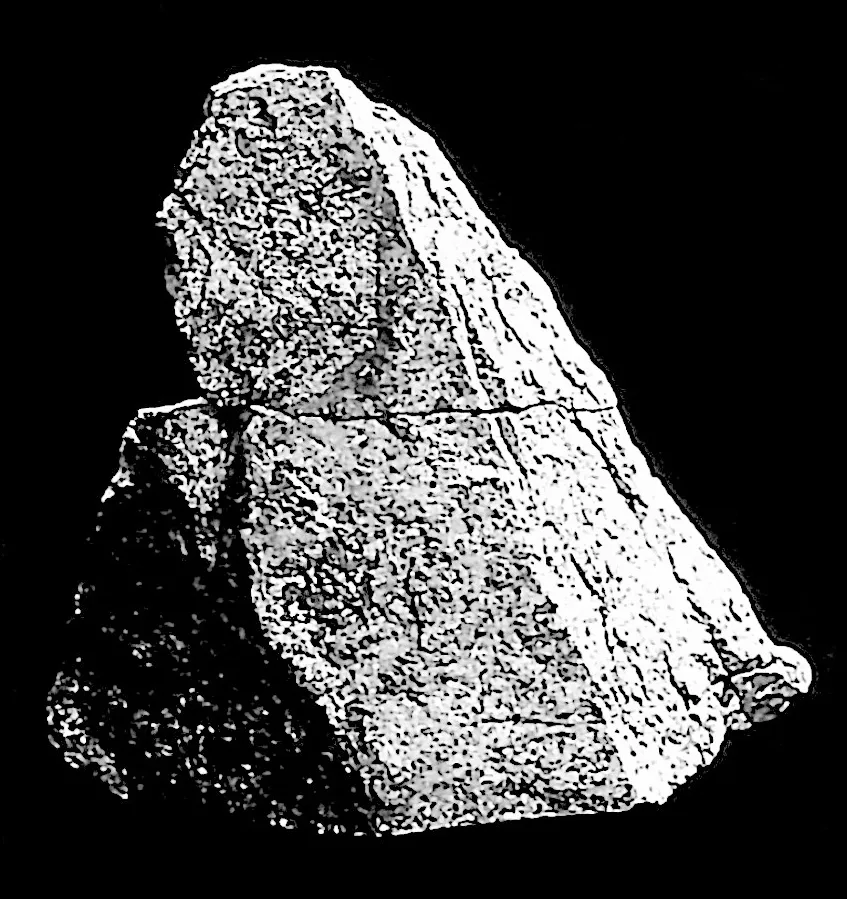
134 So this rock was once a tetrahedron.
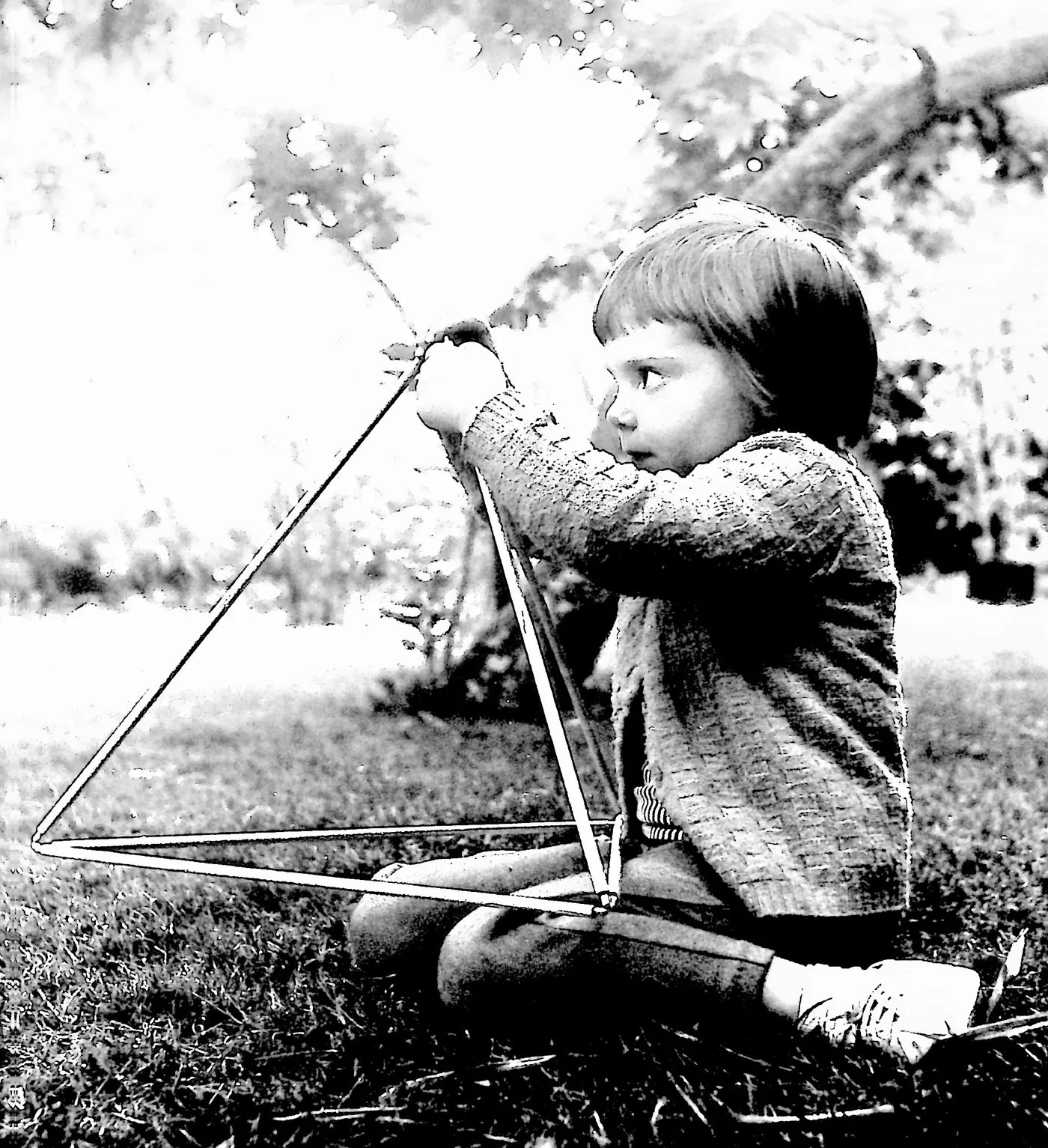
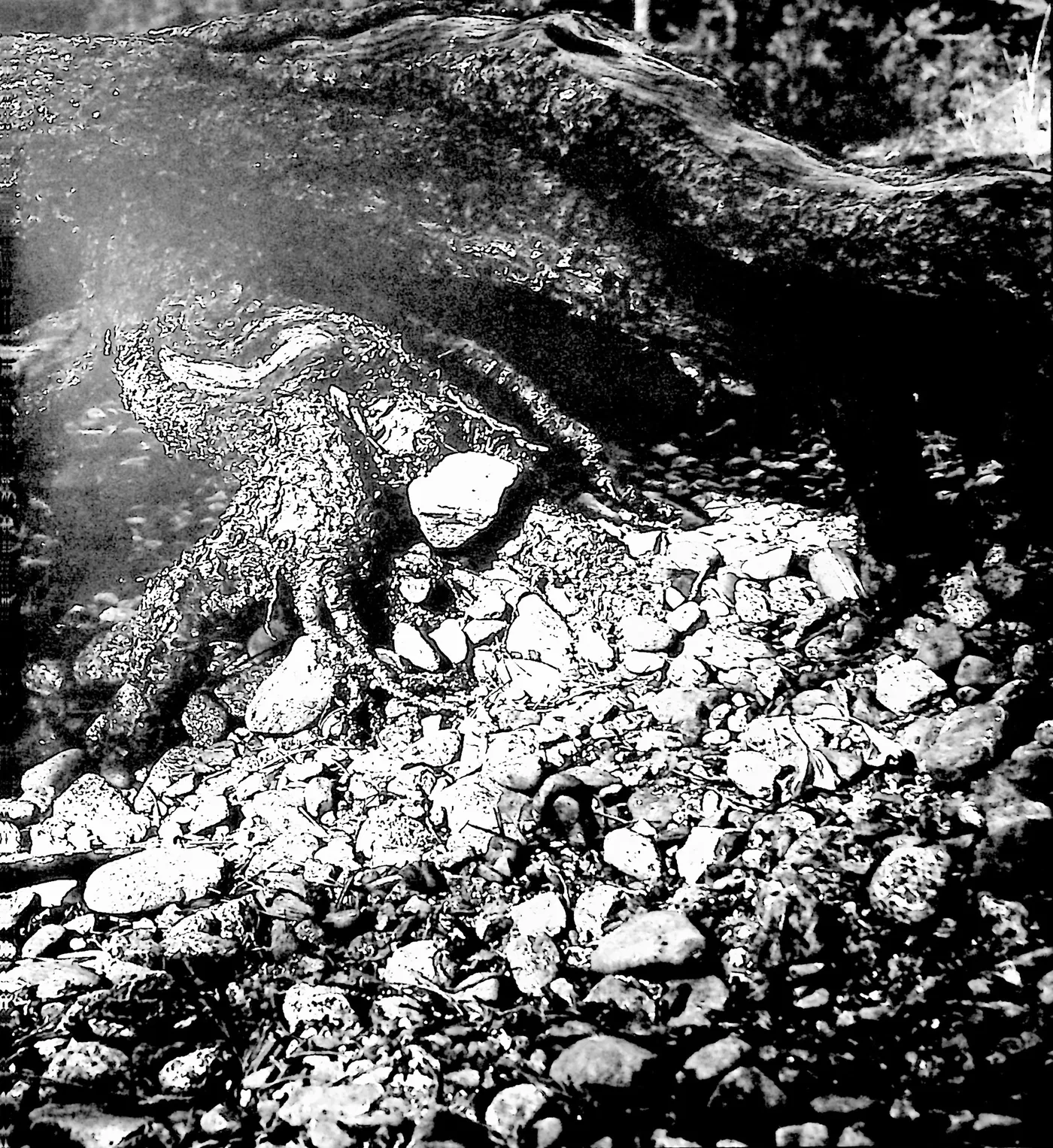
136 I begin to look at all these rocks,
137 and it doesn't look like anything. Then I begin to
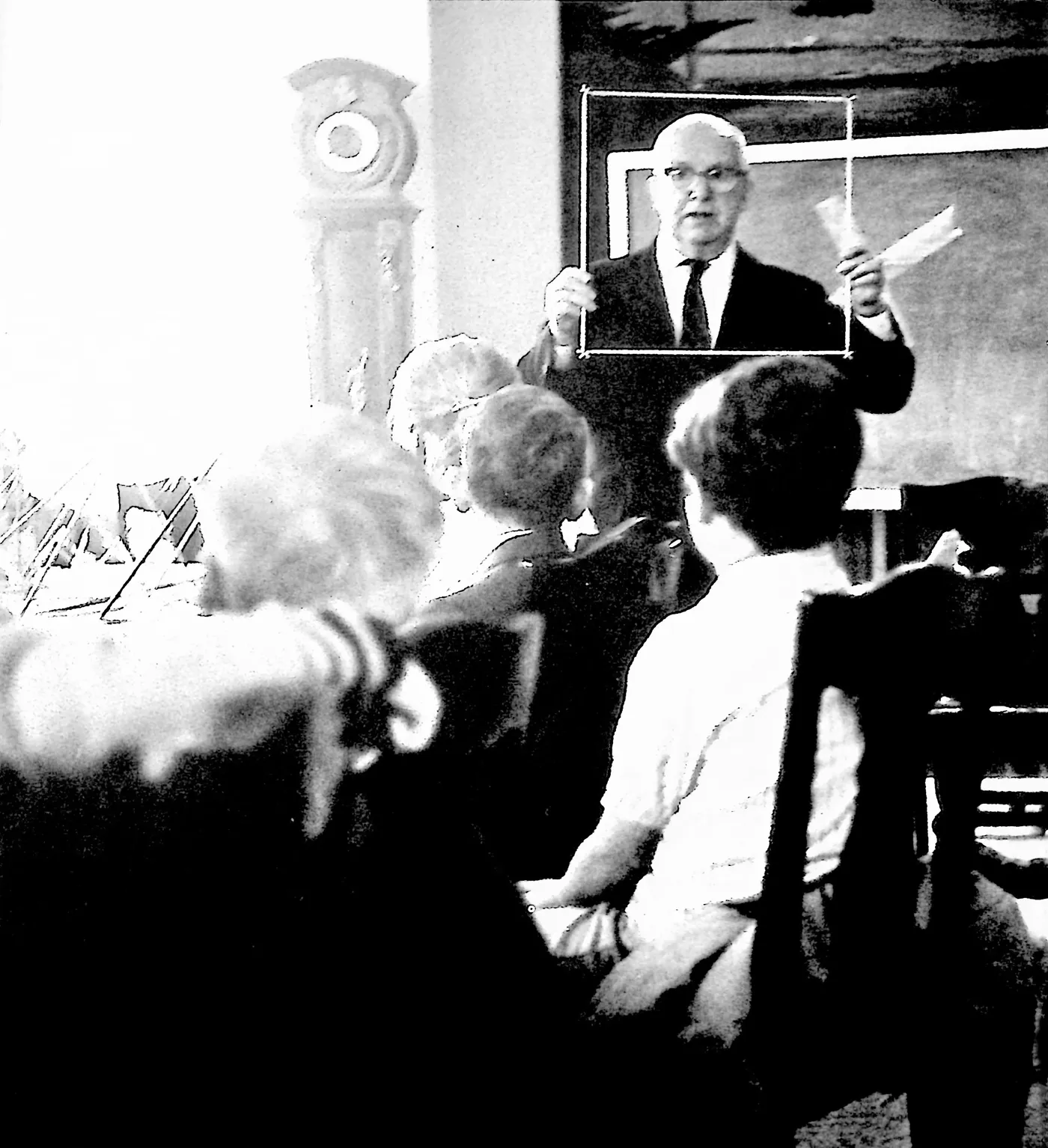
138 pick them up, and I pick up any rock, and
139 I find it has a beautiful face here, and then
140 another beautiful face, another
141 beautiful face…These are not carelessly done.
142 You begin to study these rocks a little
143 more, and you find face, face, face, face.
144 Their corners have been very knocked off…but
145 all of these rocks were once tetrahedrons.
147 We find nature doing more with less.
148 Nature doesn't build things that fall down.
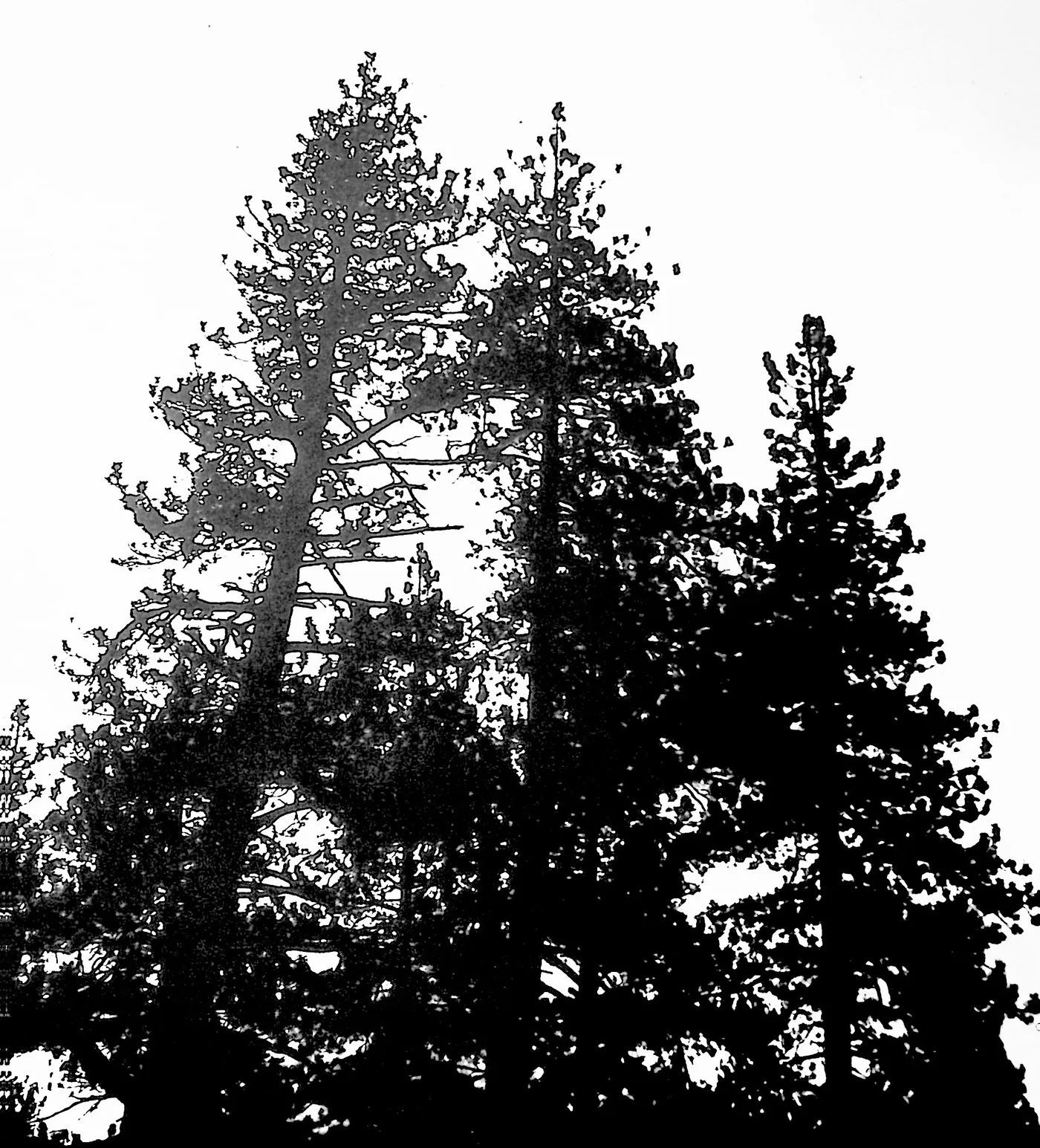
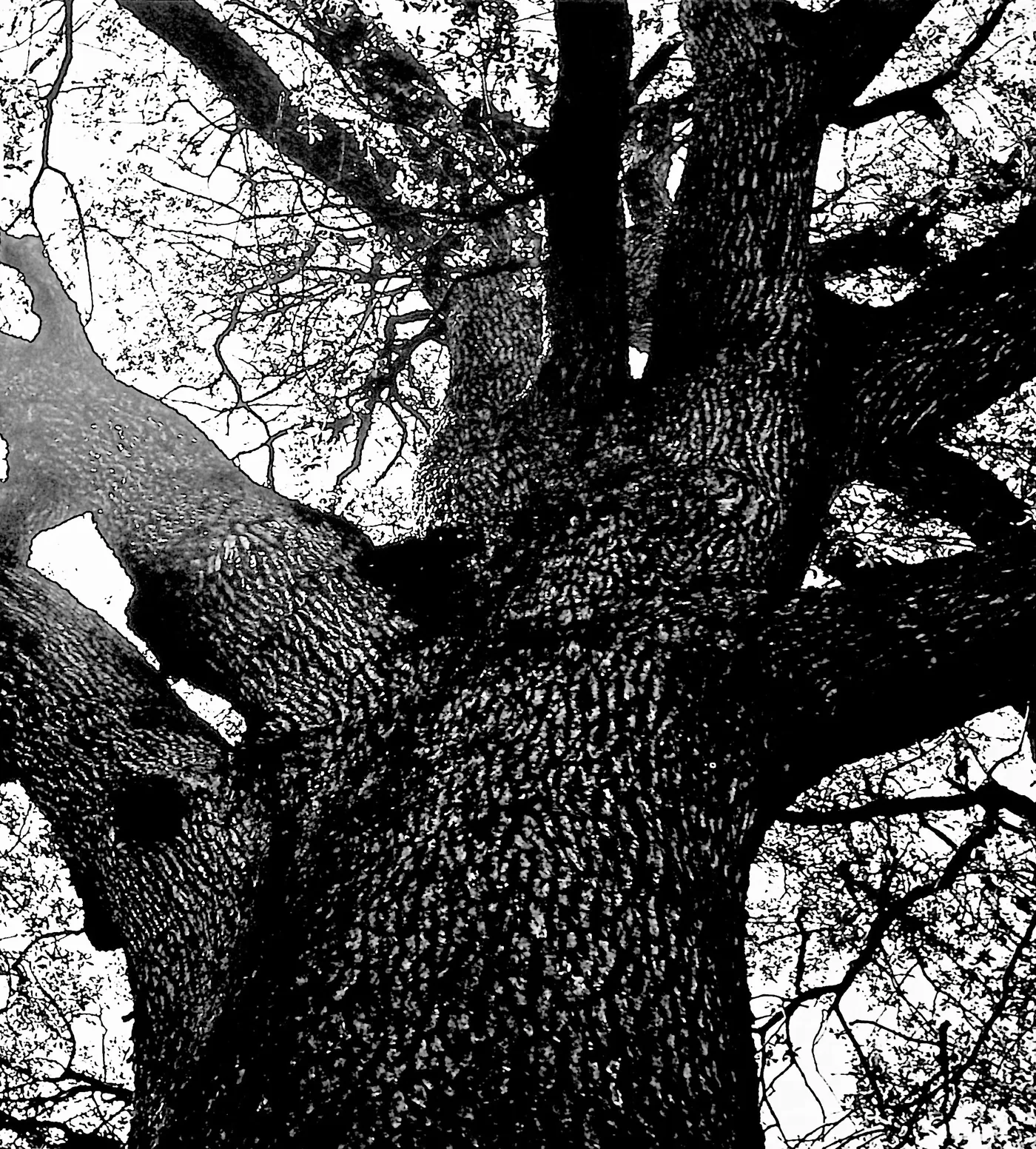
150 The most creative woodworking I know of is
151 a tree. It can grow its branches straight out…
152 and each limb can support tons of weight.
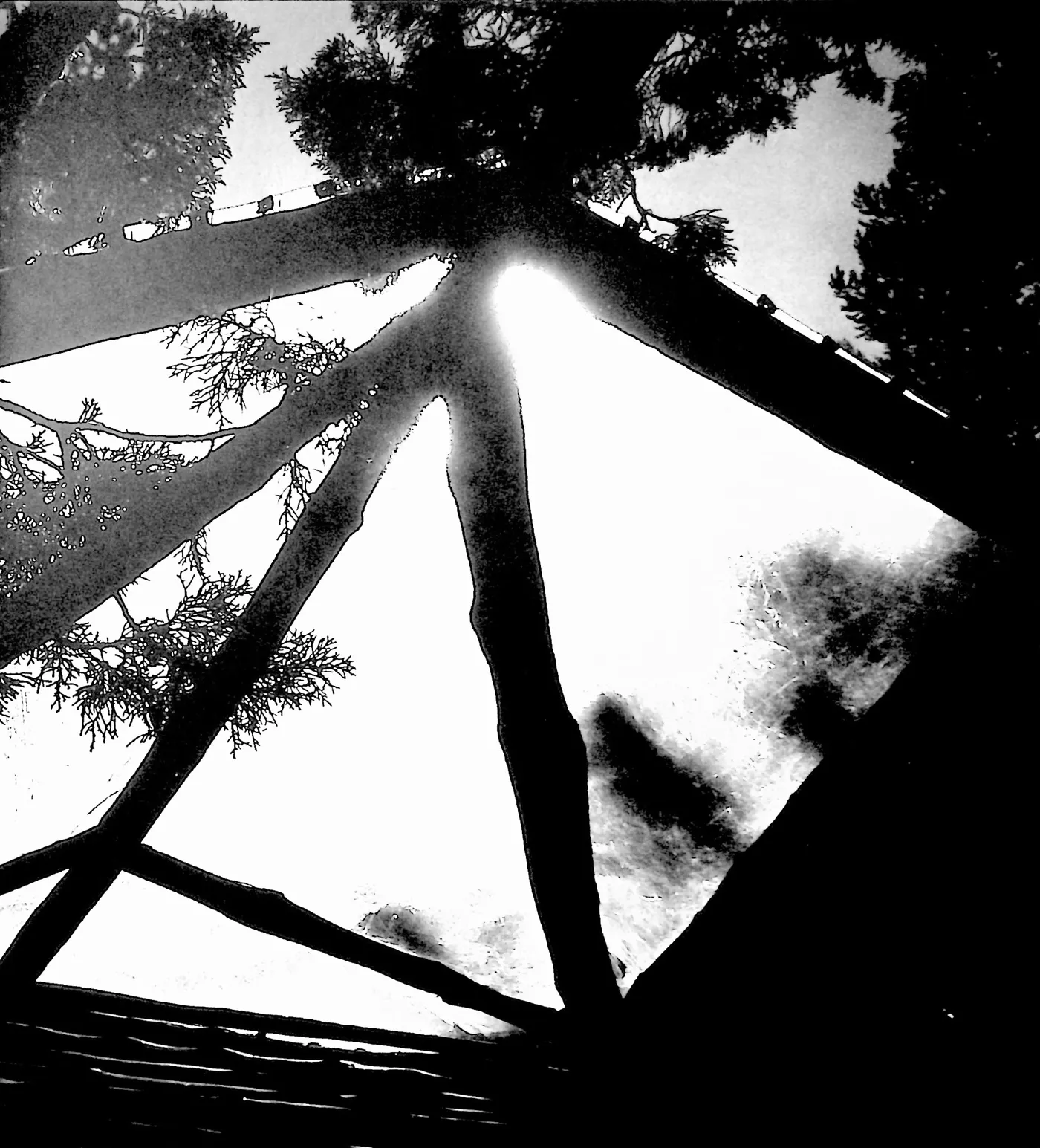
154 We should do things with wood that the wood
155 likes. There are certain things
156 it likes to be used for. When I use wood I make
157 sure it likes what I'm doing to it.
160 I'm not trying to imitate nature,
161 I'm trying to find the principles she's using.
162 Nature has no ‘‘weeks/' There is no
163 ‘‘Monday,’’ ‘‘Tuesday,’’ ‘‘Friday’’ in nature.
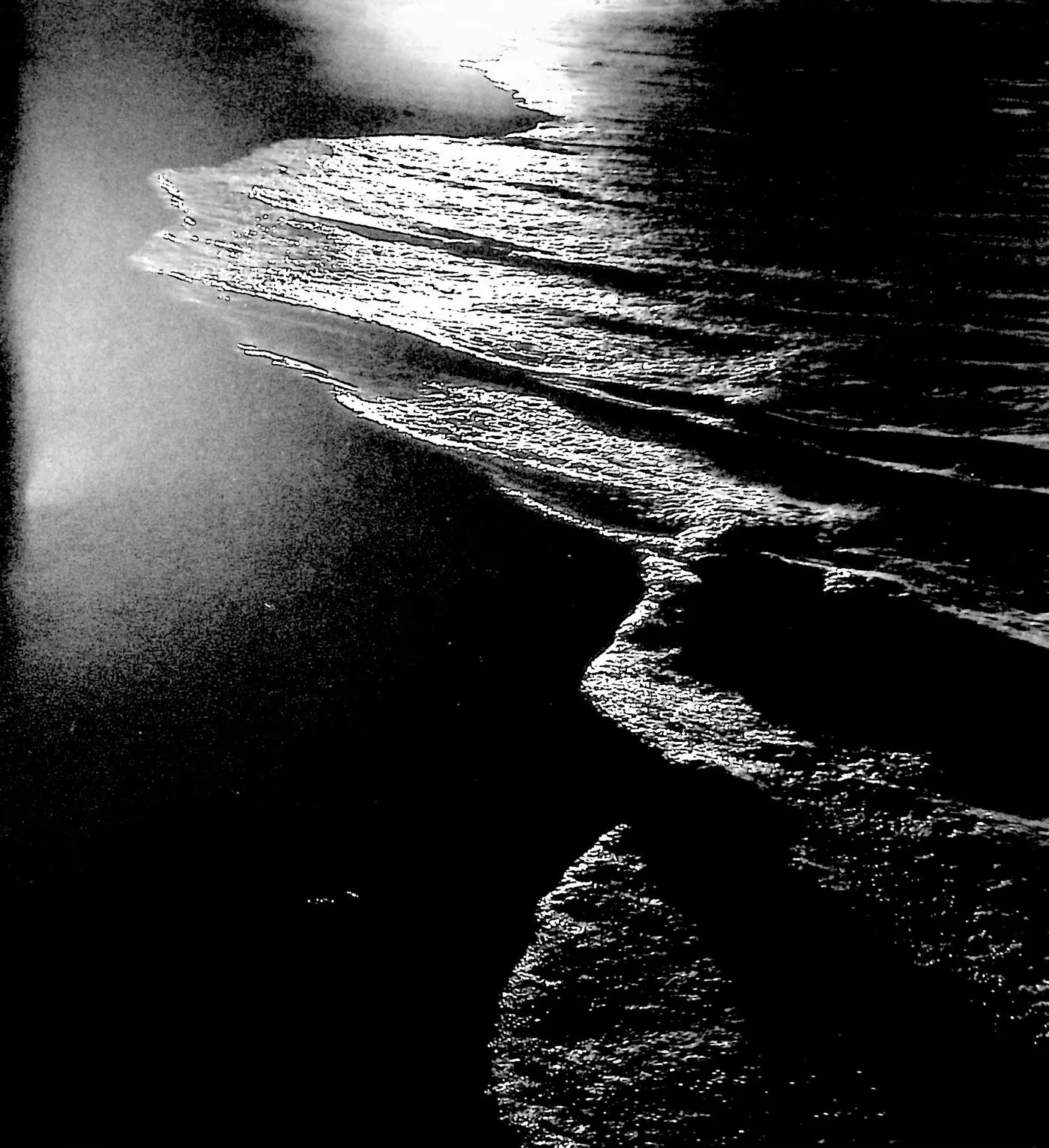
165 Energies are not lost…the universe is not running down.
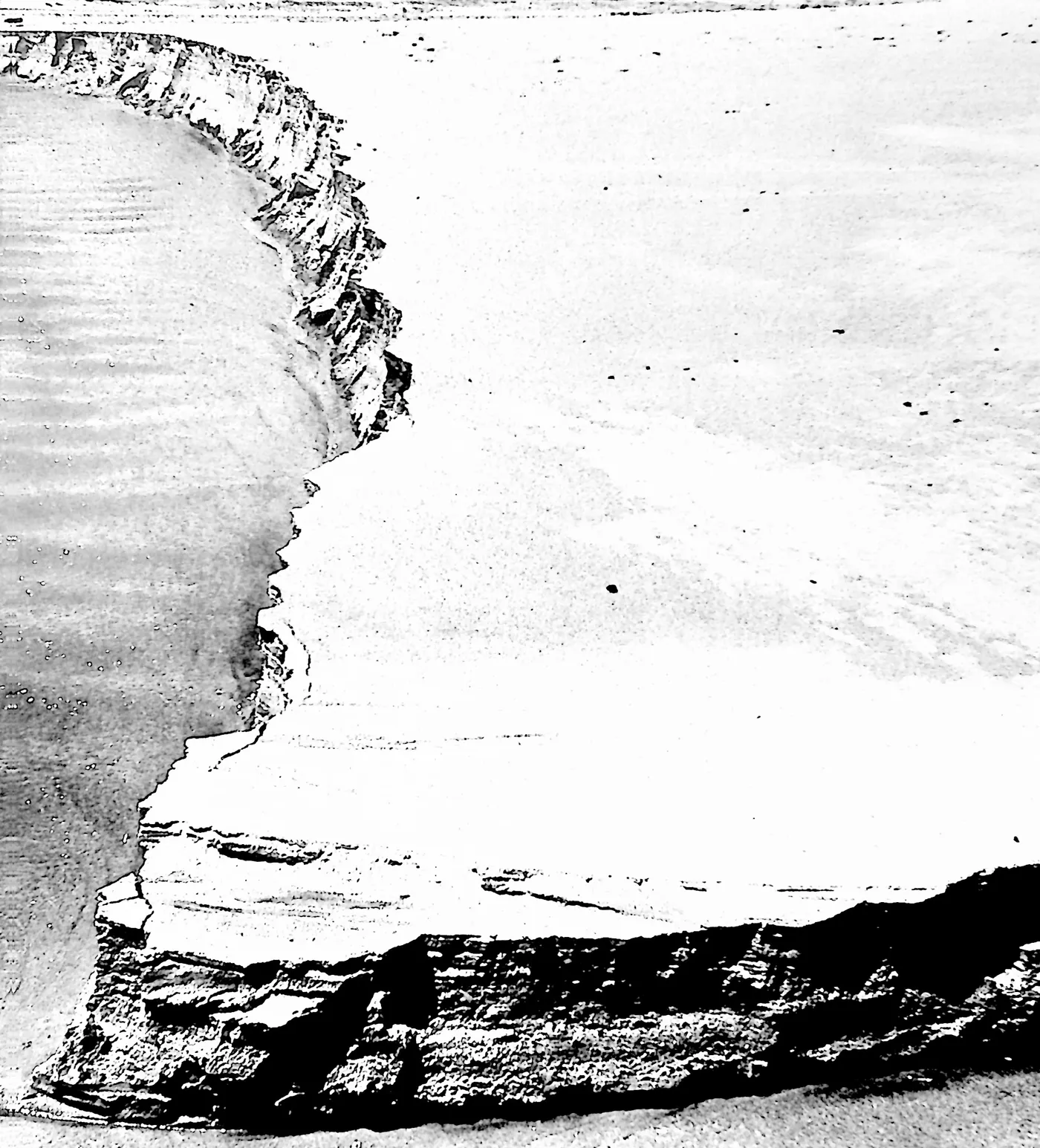
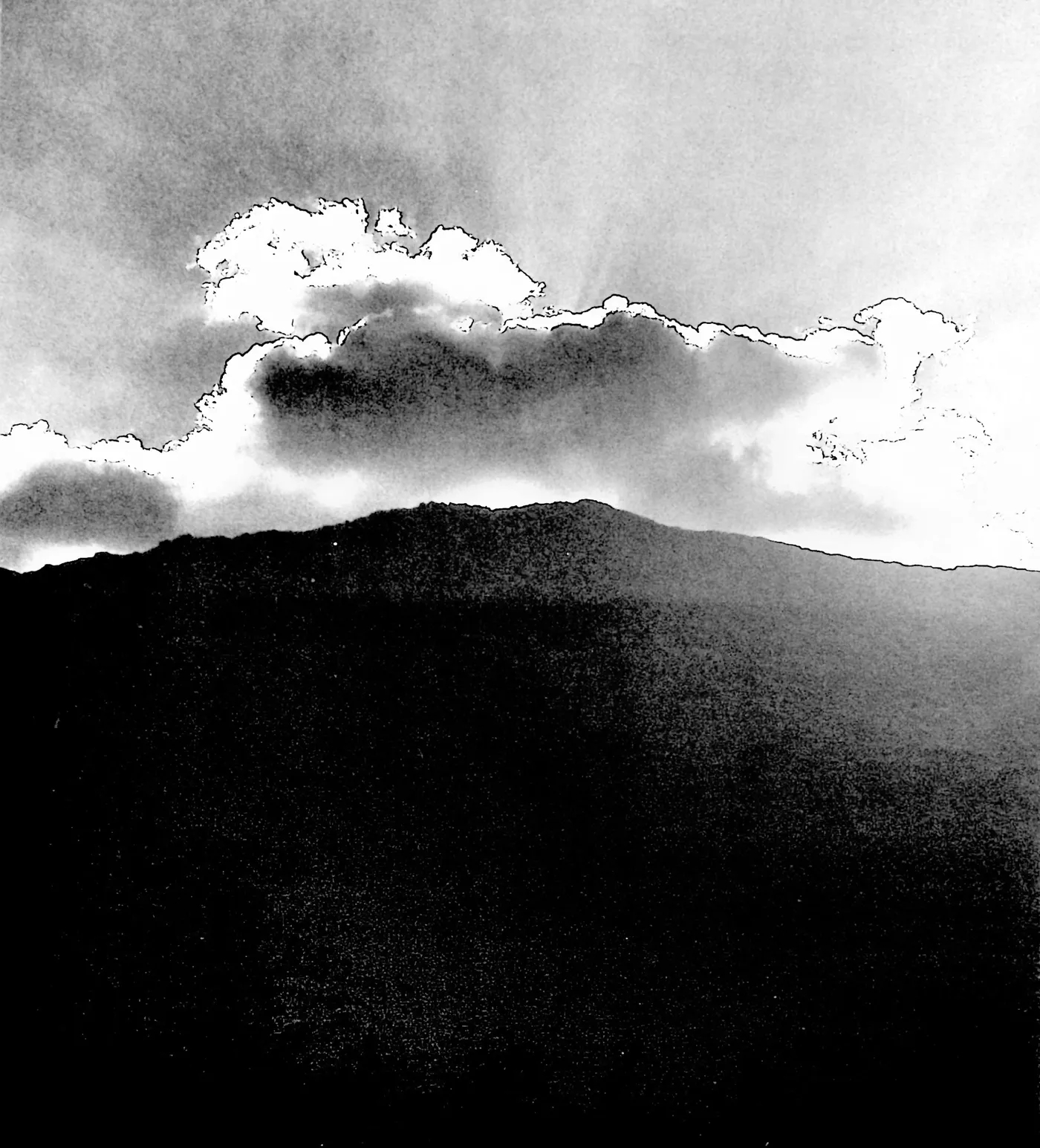
168 We say sunset…but there is no sunset…if you
169 back up and look at earth you see the earth turns.
170 People sometimes say, ‘‘I wonder how it
171 feels to be on a spaceship’’…and I say, ‘‘Well
172 look around you…you are on one.
173 How does it feel? You are on spaceship Earth.’’
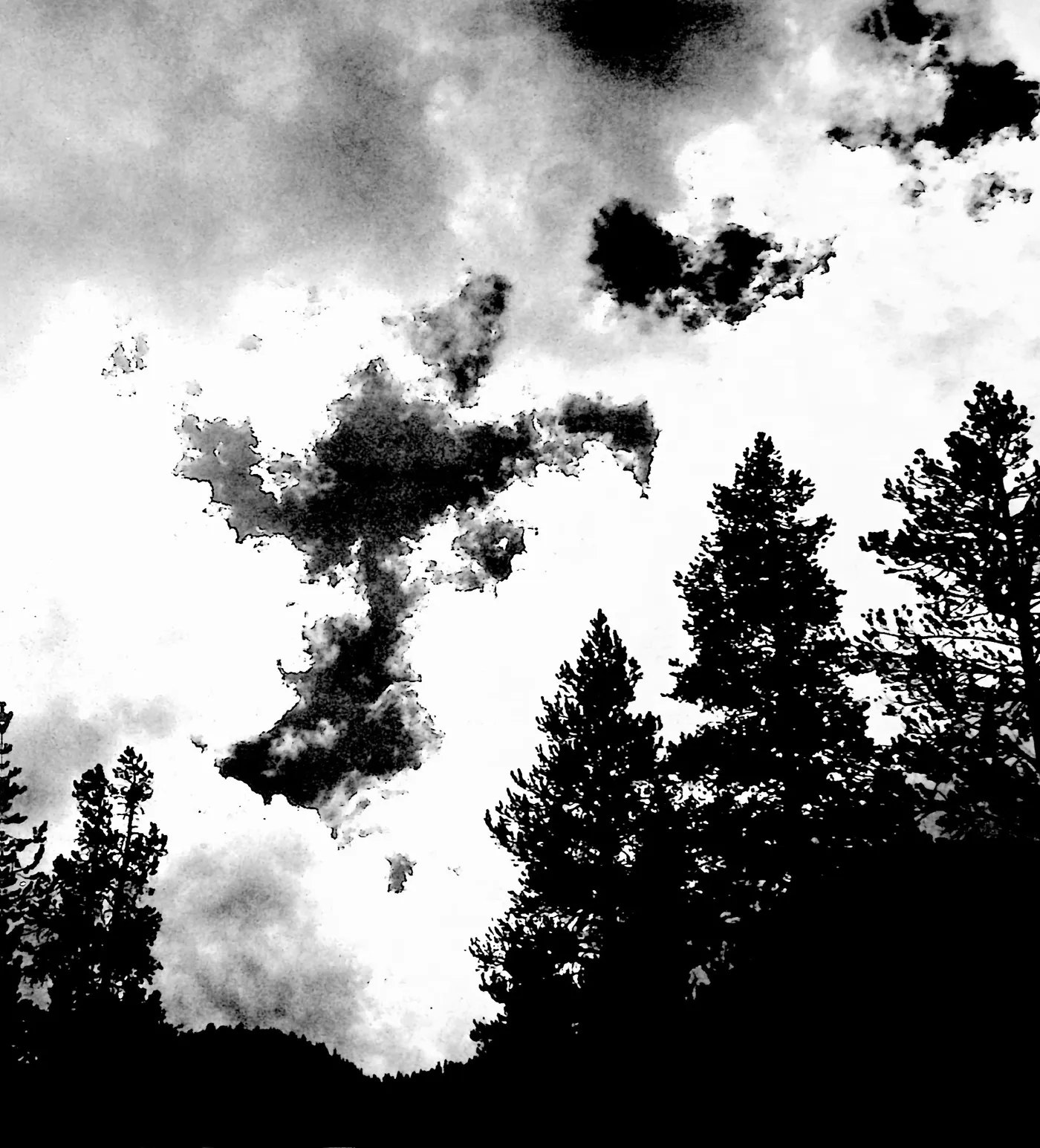
175 We are just about
to step out from amongst the pieces of our
just-one-second-ago-broken eggshell.
177 PHILOSOPHY
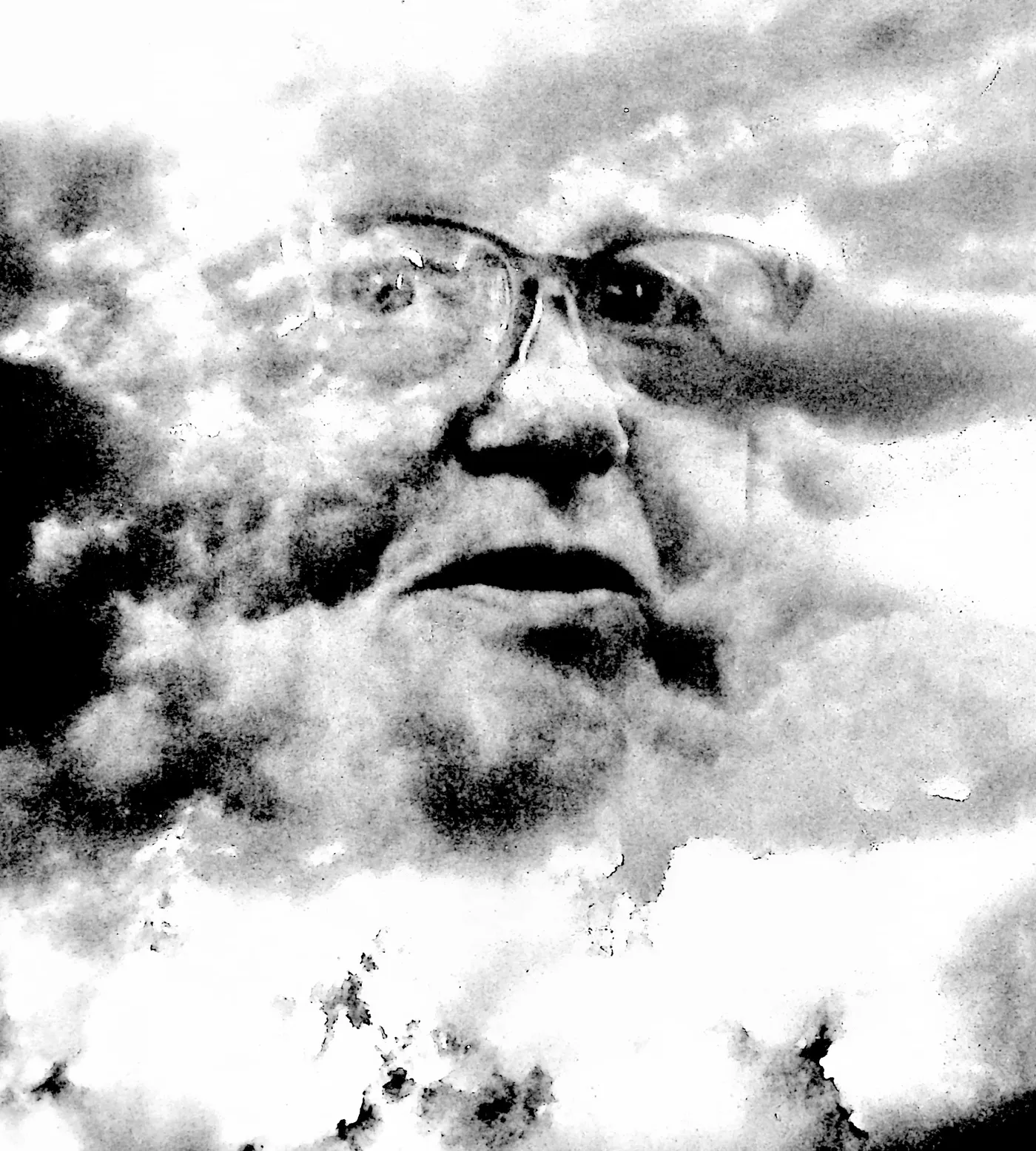
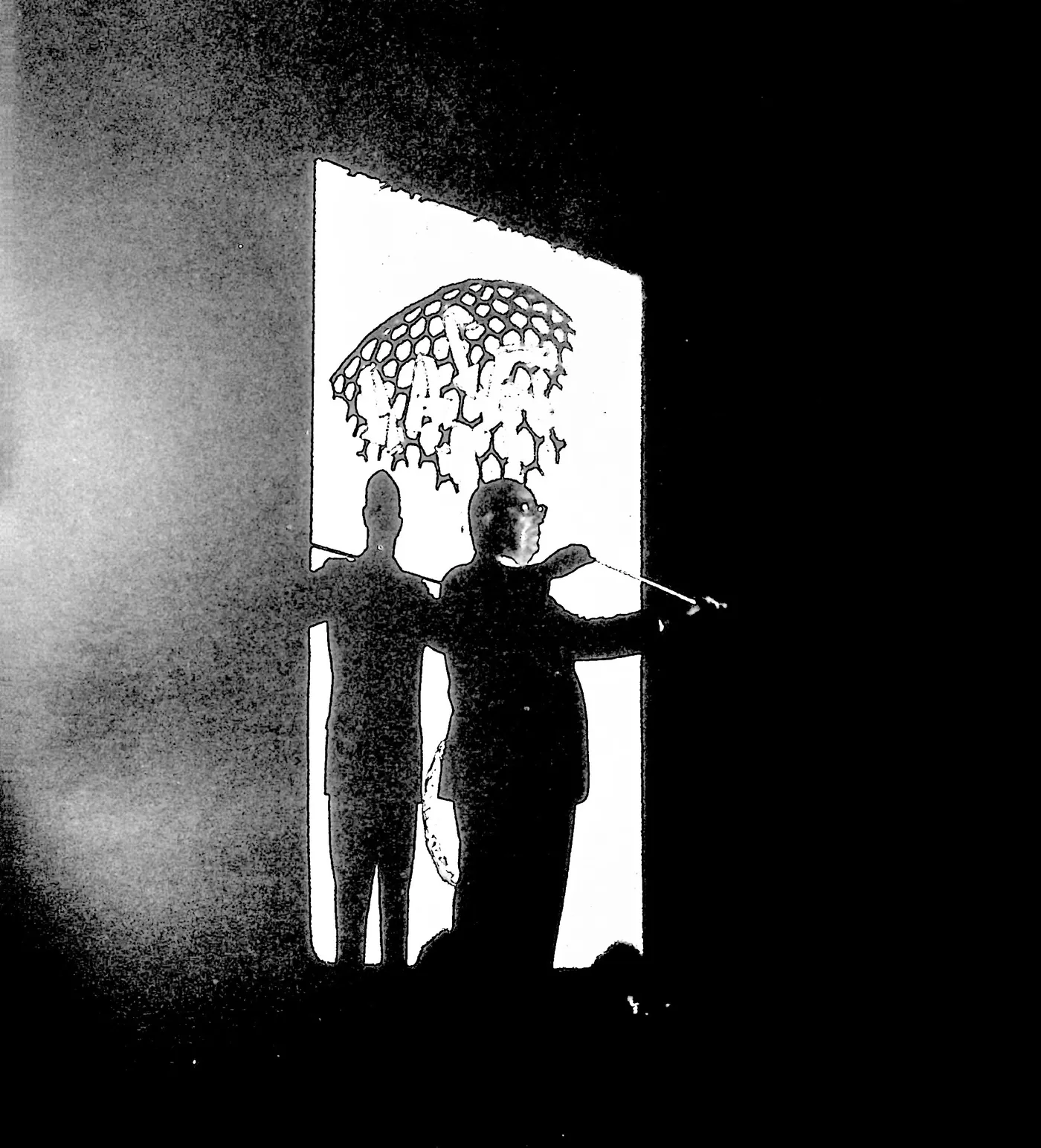
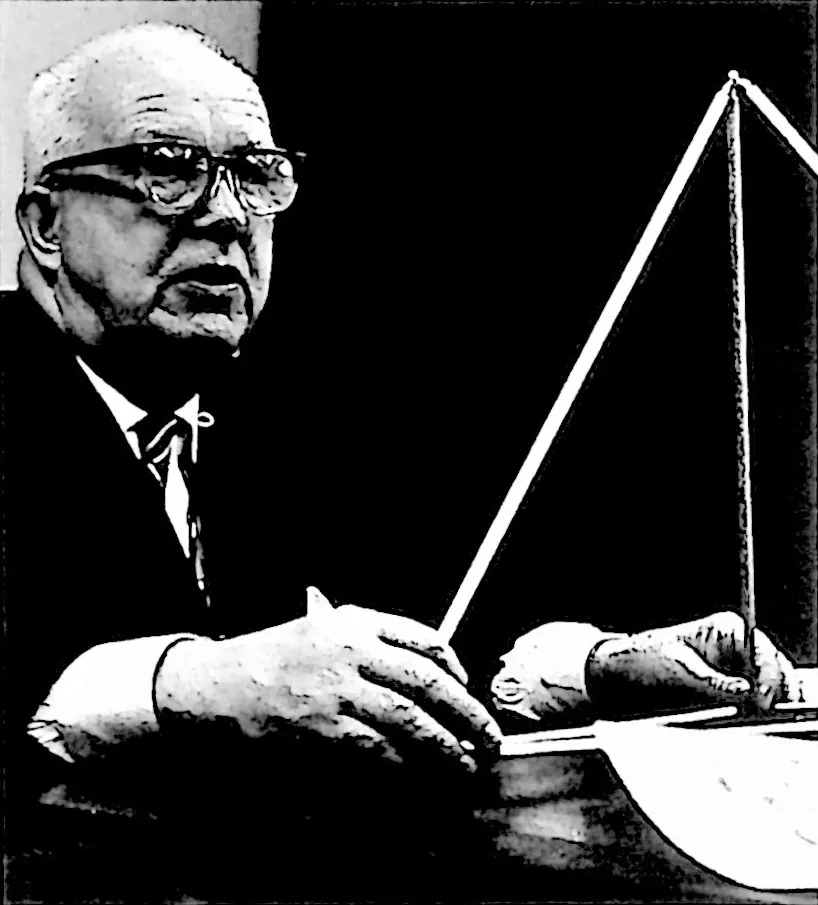
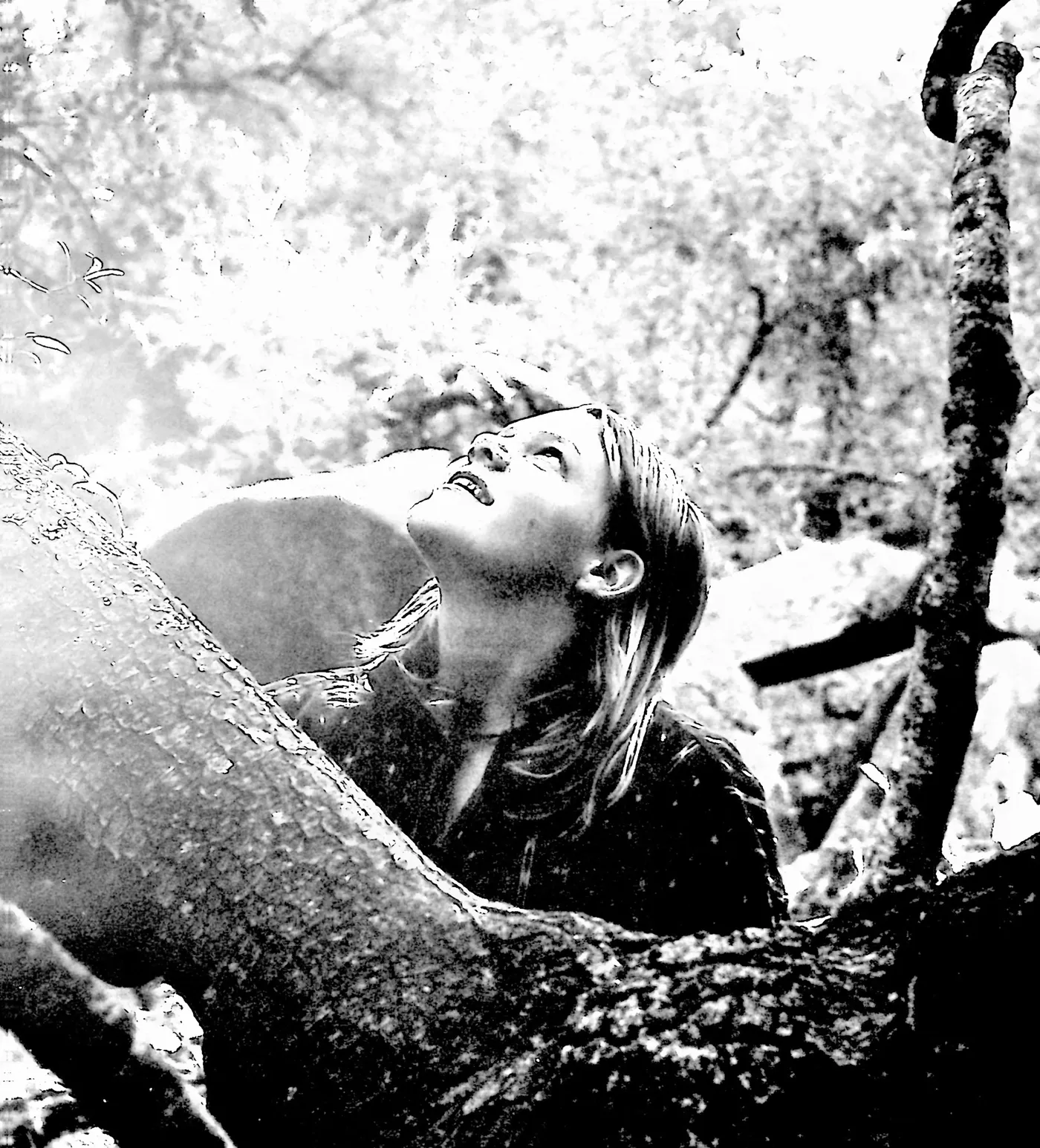
178 R. Buckminster Fuller is the inventor of the geodesic dome…but he is so much more. Explorer of the ‘‘big comprehensive patterns operating in universe,’’ Buckminster Fuller knows that the world can be made to work for all of humanity. Youth, he says, see this and will settle for nothing less. He sees man's capabilities wonderfully reflected in the fresh minds of children…and speaks to the child who lives in all people.
181 Cam Smith grew up in the mountains, can sit on a rock for a long time, wants people to be happy, likes to work hard, knows how to let children learn, thinks up things to communicate to people, takes photographs, listens, has fun, wants the world to make it, knows responsibility and happiness start with the smallest thing in front of one, and is a free being.
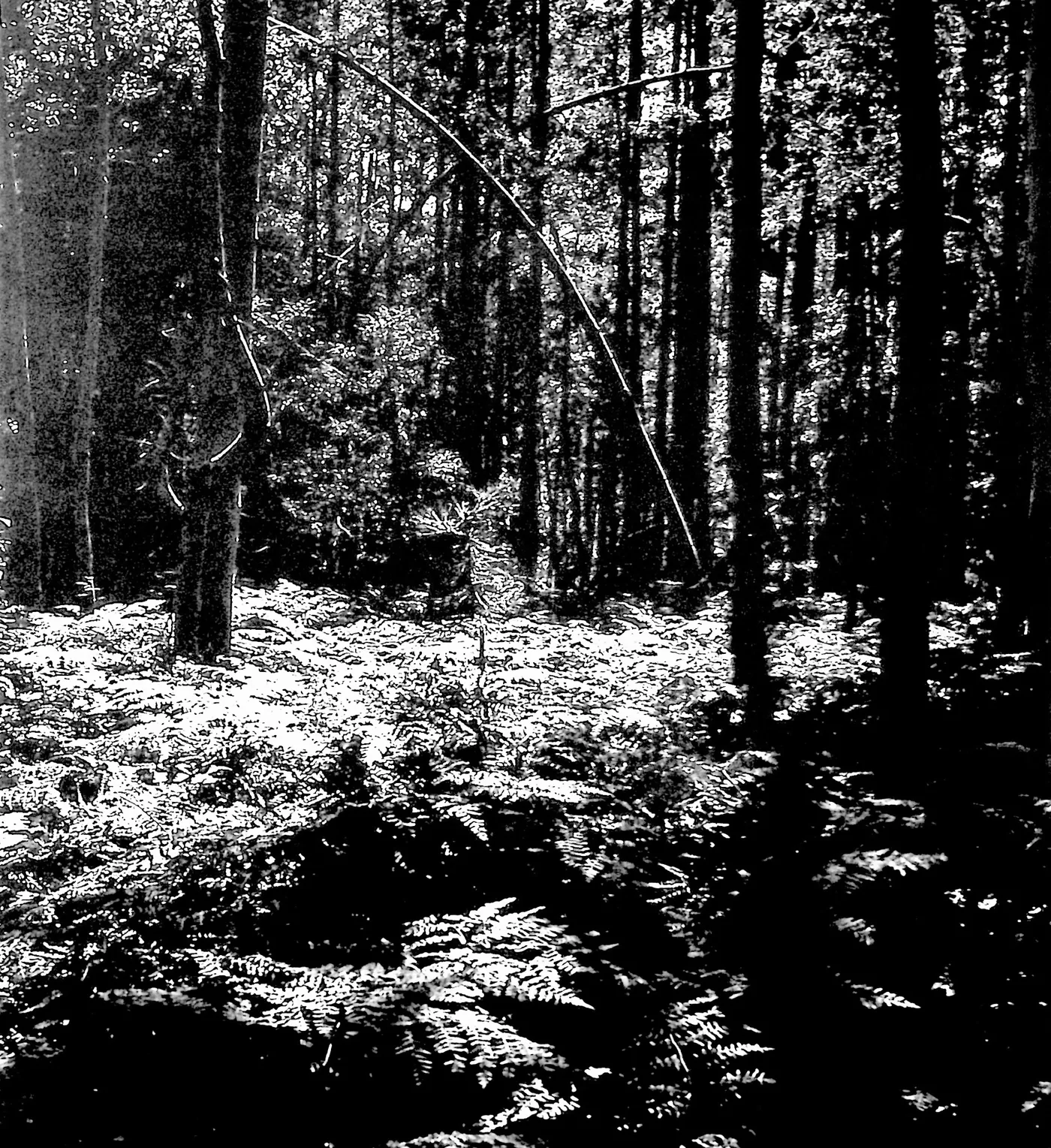
182 She has taught school, had photography exhibitions, and has published a book of her own poems and photographs, Notes From the Mountain, and a book on teaching, What it is, What it Ain't.
183 ISBN: 0-385-02979-9