2 1927--1977: FIFTY-YEAR EXPERIMENT
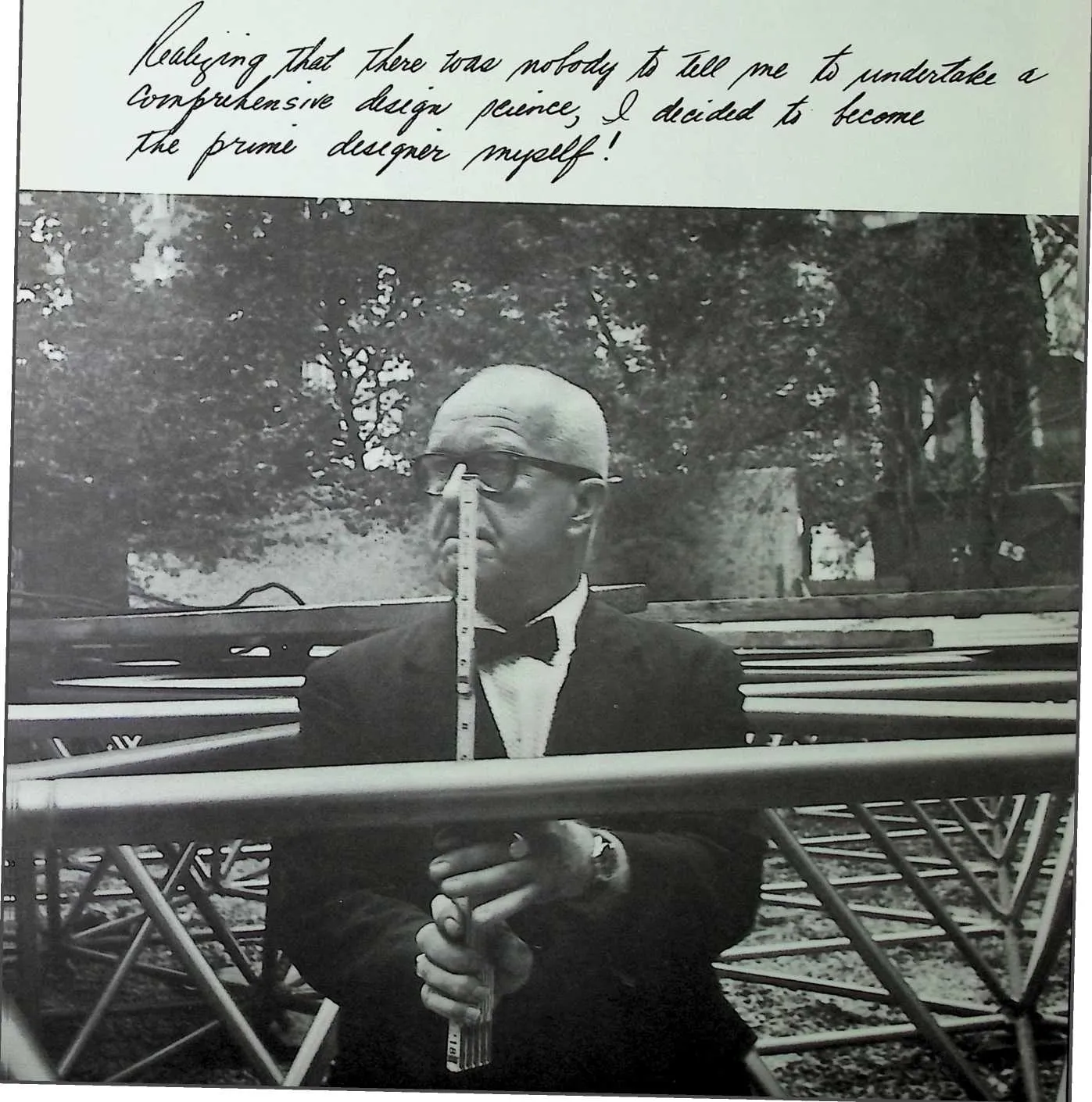
3 In 1927, I resolved to do my own thinking, and see what the individual, start ing without any money or credit—in fact, with considerable discredit, but with a whole lot of experience—to see what the individual, with a wife and new-born child, could produce on behalf of his fellow men.
5 I said, ‘‘What can a little man effect toward such realizations in the face of the formidable power of great corporations, great states, and all their know-how, guns, monies, armies, tools and information?’’
6 Then, self-answering: ‘‘The individual can take initiatives without anybody's permission.’’ Only individuals can think, and can look for the principles manifest in their experiences that others may be overlooking because they are too preoccupied with how to please some boss or with how to earn money, how to take care of today's bills.
7 Only the individual disregards his fears and commits himself exclusively to reforming the human environment by developing tools that deal more effectively and economically with evolutionary challenges.
8 Humans can participate—consciously and competently—in fundamental ways, to changes that are more favorable to human life.
9 It became evident that the individual was the only one that could deliberately find the time to think in a cosmically adequate manner.
10 This was to be a fifty-year experiment
11 to prove that man, like nature, was not a failure but a success;
12 to rethink everything I knew.
13 It was an experiment in which I myself was the guinea pig.
14 I had to begin from the beginning.
15 I had to find out what man has
16 and see how it can be used for the advantage of others.
17 I became convinced that we're here for each other.
18 Once I'd committed myself to that kind of program I had to expand what I'd already learned by a great deal, and unlearn a great deal that I had been taught was so that I'd found out was not so. And that was the most difficult discipline I took on.
19 I scarcely spoke at all for two years. I couldn't be completely free of words, but my wife had to talk to people for me. I didn't want to say anything, make any sounds, until I was pretty sure what those sounds meant and why I wanted to use them. I had to make a complete disconnect in order to start my own thinking.
20 I said,
21 ‘‘How do we find out how to use our minds and experience to the highest advantage of others in the shortest possible time?’’ That was the challenge.
22 Out of this then, in due course, came a great many designs, because I said to myself,
23 ‘‘I must commit myself to reforming the environment and not man;
24 being absolutely confident that if you give man the right environment he will behave favorably.’’
25 By employing the kinds of capabilities used in building a battleship, you do more with less.
26 I'm convinced that by more with lessing we could take care of everybody and there need not be any suffering around the world.
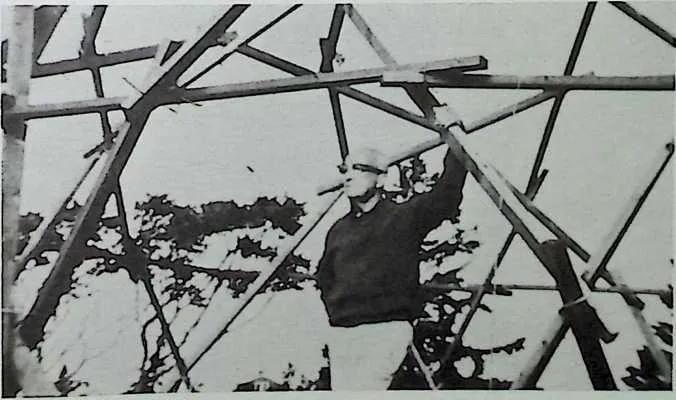
2829My first intuition was the possibility
30that in my experience there were the means of helping others avoid the pain I felt.
31By the age of 32,
32I had inadvertently acquired a widely variegated background of technical, scientific, naval-construction, management, and economic experience
33which spontaneously produced my experience
34that all physical problems could best be solved by a competent arrangement of the constituents of the environment
35in such a manner as to be productive for all humanity.
36My five years with the Stockade convinced me that no company out to make money could bring the kind of technological improvements to the building world that I had experienced during the war in the Navy. Because of that, people aren't able to buy houses the way they buy cars.
37Money is absolutely irrelevant.
38What is relevant is man and his environment and his time, and you can get the environment to begin to work with you.
39I wanted to give my child the maximum chance
40so that it wouldn't be misinformed,
41so it would be able to get all the information it wants and needs in order to be able to understand its universe
42and to be able to operate Spaceship Earth properly within that universe.
43Here I was, a failure.
44I decided man was operating on a fundamental fallacy:
45that man was supposed to be a failure
46and therefore had to prove his right to live.
47Each man then said,
48‘‘I must show I can earn my living, and let other people go die.’’
49I decided the fallacy was that man was, in fact, designed to be an extraordinary success.
50His characteristics were just magnificent; what was needed
51was to discover the comprehensive patterns operating in the universe.
52The universe is a success.
53How could metaphysical man, using his mind, master the physical?
54Clearly, the possibility of a good life for any man depends upon the possibility of realizing it for all men.
55I must be able to convert the resources of the earth, doing more with less,
56until I reach a point where we can do so much as to be able to service all men in respect to all their needs.
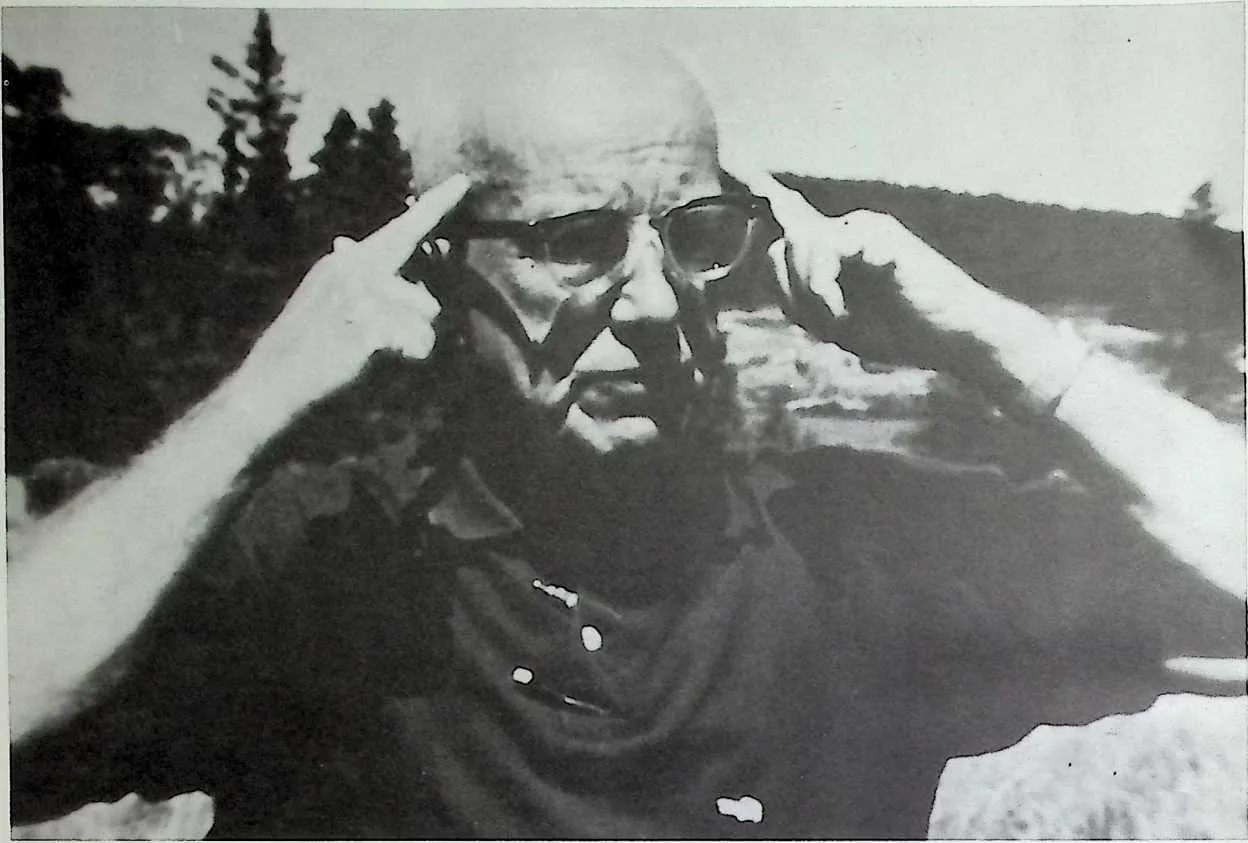
6162I found that one of the things I needed to do was saturate myself with information. Saturate. Because out of information come generalized principles. Only man has the ability to deal in generalized principles.
63The brain is part of man's physical equipment. It has so many cubbyholes…every experience he has, man puts into his memory bank.
64The memory bank is the brain. But I differentiate between mind and brain very distinctly. Mind, and mind alone, reviews the total inventory of experiences. From time to time man finds something running through all of them.
65Suppose, for instance, you had a stack of punch cards, all the same perimeter size, say 4" x 5", full of holes.
66They look very random to you and me, but stack them all up vertically, with guides to the edges, and put a light alongside them and you see two holes which light comes through. These two holes are constant to every card. This is typical; we call it ‘‘generalized principle’’—it holds true in every case.
67It is an absolutely abstract phenomenon, and, as far as we can find out, animals don't employ generalized principles.
72 ■ ■■■■■I
73 Generalizations in language are sometimes used to cover too much territory too thinly, but generalizations used in science—scientific generalizations—are principles that have been discovered to hold true in every case. They never fail.
74 For instance:
7576A man is walking through a forest where many trees have been felled by great storms. He walks along on a tree to get from one spot to another…from here to there. The tree slowly begins to sink, and he says:
77‘‘What's going on here?’’ and retreats.
78Then he gets back on it and again it goes down slowly.
79He notices that the tree is lying across another tree, and the other end of the tree he's on is under a great big tree. He goes over and tries to lift it, and he says:
80‘‘I can't lift a tree like that, but every time I go over here, that big tree is lifting.’’
81So he says:
82‘‘I think I've got a magic tree.’’
83He drags it home and everybody worships it.
84But pretty soon his wife says:
85‘‘1 think any tree will do.’’
86 And this is a generalization of the principle of leverage.
87 Suppose I take a piece of rope and tense it, very, very vigorously.
88 It becomes taut—that is, the rope contracts and gets harder and harder;
89 which means that at 90 degrees to my tensing it, the rope is getting into compression—we are discovering a generalized principle of tension and compression.
90 Many architects mistakenly talk about using tension all by itself—but there's always compression occurring at 90 degrees to the tensing.
91 For instance, imagine a number of steel rods, round rods of the same size, each one so slender it bends very easily.
92 Now, I take a bunch of them and compact them as tightly as I can—I get them into the hexagon/honeycomb pattern, which is called closest packing. They can't get any closer together.
93 Now I put some bands around them, like this—wrap them together—and load the whole of them as a group, a column, from the top here. The rods can't bend toward each other, because they're already packed the closest they can get. They can only bend away from each other.
94 There's nothing stopping them from opening that way, except that there are some bands around them. So I load this column, and like a cigar its girth tries to keep stretching and gets fatter and fatter.
95 
 As it gets fatter and fatter, its girth goes into tension. So while I am
purposely loading—compression—it goes into tension at 90 degrees again.
As it gets fatter and fatter, its girth goes into tension. So while I am
purposely loading—compression—it goes into tension at 90 degrees again.
96 So we find tension and compression always and only coexisting.
97 If I keep on loading such a column, it will finally become a sphere.
98 Nature has spheres—the earth, the moon, and the atoms—all islands of compression possessing great integrity, held together entirely by an invisible web of tension.
99 Tension is discontinuous; compression is continuous.
100 I call this tensional integrity; and I've shortened that to ‘‘tensegrity.’’
102 A poem that came out of World War I ends with the line: ‘‘But only God can make a tree.’’
103 It is interesting that we can now discern how a tree is made, how it works.
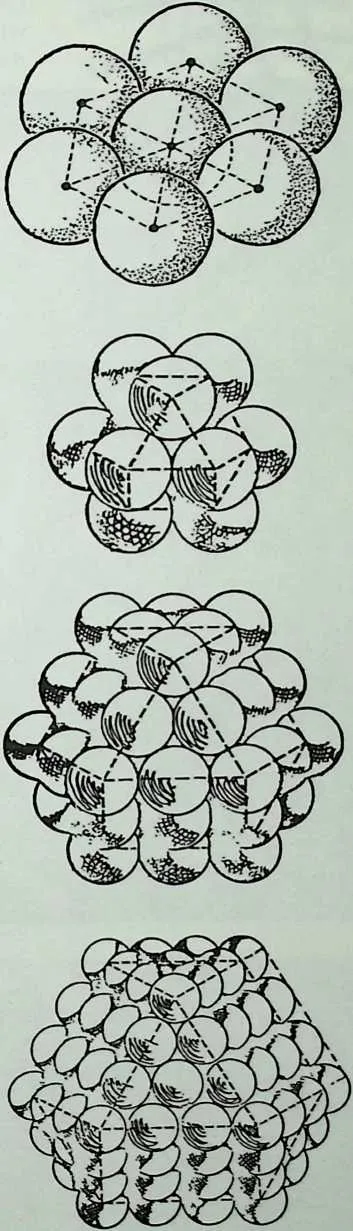
104 In nature's designing, there is a very low tensile strength in gases; a little higher tensile strength in liquids; and highest in solids. In designing her tree, nature to a certain extent works as we did in developing the automobile and the airplane:
105 You couldn't have that great piece of machinery weighing two tons go over a road, even a very well developed cement road, without completely cracking up if it had hard, crystalline wheels. So we developed the pneumatic tire, which distributes all the loads applied to it to the whole tensile surface of the tire, and very great shock is absorbed from it due to the fact that those gases are compressible, distributing the loads.
106 When an airplane comes down out of the sky, a hundred tons come down, hitting the earth at 200 miles an hour with 200 tons, and boy! that is really quite a trick;
107 not only does it have pneumatic tires, it has the hydraulic strut.
108 And because the liquids are noncompressible, the hydraulic strut forces the liquids through a number of channels
109 and takes an enormous part of the load, reducing the working load.
110 The tree is designed exactly that way.
111 Nature ships the seed from here to there by air;
112 the instructions are to build a tree
113 and to count on local gases and liquids available—
114 in fact, the tree won't take root unless there are liquids available.
115 When the seed arrives, it gets the instruction to all the crystallines and fibers to go into tension.
116 All the compression is done by liquids within the fibers.
117 The gases take the shock loads,
118 because between the molecules there are gases.
119 The tree holding out its arm, the ring root of the tree that goes off to this great branch is a great matter.
120 If you try lifting a 50-pound suitcase while holding your arm out horizontally, you'll find you can't do it.
121 But a tree is often holding out a branch weighing as much as five tons. Holding five tons out there horizontally, and being able to do so in a hurricane, is perfectly extraordinary.
122 The tree does this so as to hold out those leaves so they'll be able to take in enough energy from the sun to keep the life going on our earth, because that is its function.
123  The tree does this by virtue of the high tensile strength in the crystalline which makes
the fibers and the sap;
The tree does this by virtue of the high tensile strength in the crystalline which makes
the fibers and the sap;
124  the liquids then act as a noncompressive, but do distribute the loads, so that the
tree can also impound the sun's radiation and not be dehydrated, so that life can be
regenerated by the sun's radiation, and other creatures can eat the many parts of the
vegetation.
the liquids then act as a noncompressive, but do distribute the loads, so that the
tree can also impound the sun's radiation and not be dehydrated, so that life can be
regenerated by the sun's radiation, and other creatures can eat the many parts of the
vegetation.
125 The tree has to have roots so it won't be dehydrated, so it takes enormous amounts of water by osmosis.
126  Tons and tons of water are being lifted out of the earth and into the sky. While that
water is impounded inside the system, it is noncompressible, an absolutely beautiful thing, so it
can handle this load without compressing and it can distribute the load to all of its
parts.
Tons and tons of water are being lifted out of the earth and into the sky. While that
water is impounded inside the system, it is noncompressible, an absolutely beautiful thing, so it
can handle this load without compressing and it can distribute the load to all of its
parts.
127 All the parts in it are working together: the gas molecules between each of the hydraulic molecules are the shock load, so that when the wind hits it, it can yield, swaying, like that.
128 Now the minute you have an ice storm, those molecules go all crystalline, it can't distribute all its loads, and down go all the branches.
129 Nature's principles are employed in the most logical way, and the tree can do tasks that men are unable to do.
131 A human being is what I call a pattern integrity.
132 I'm going to take a piece of manila rope, and then I'm going to splice into it a piece of cotton rope. I splice into the other end of the cotton rope a piece of nylon rope. I'm going to make the very simplest knot I know, which is to go around 360 degrees in this plane and 360 degrees in that plane.
133 I'm not going to pull it tight. There's the knot.
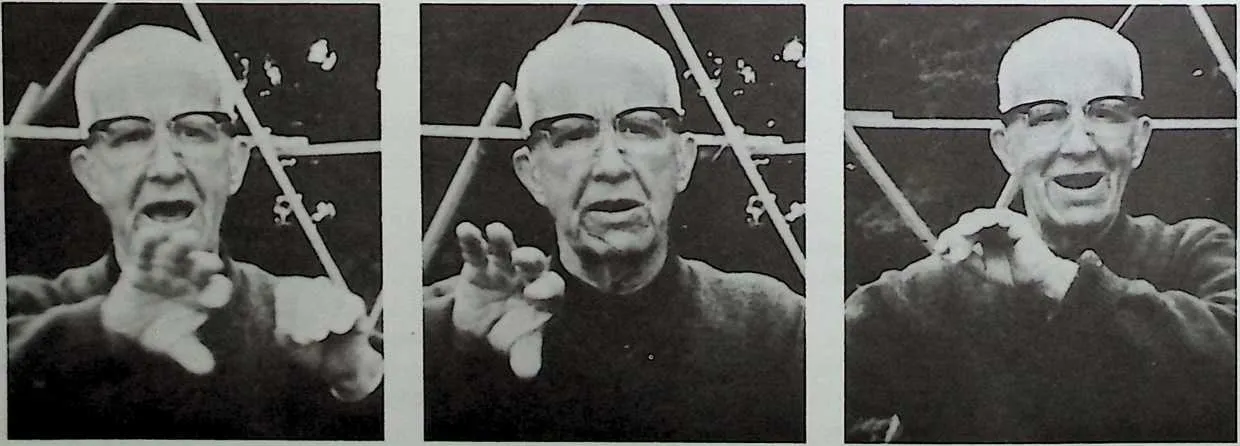
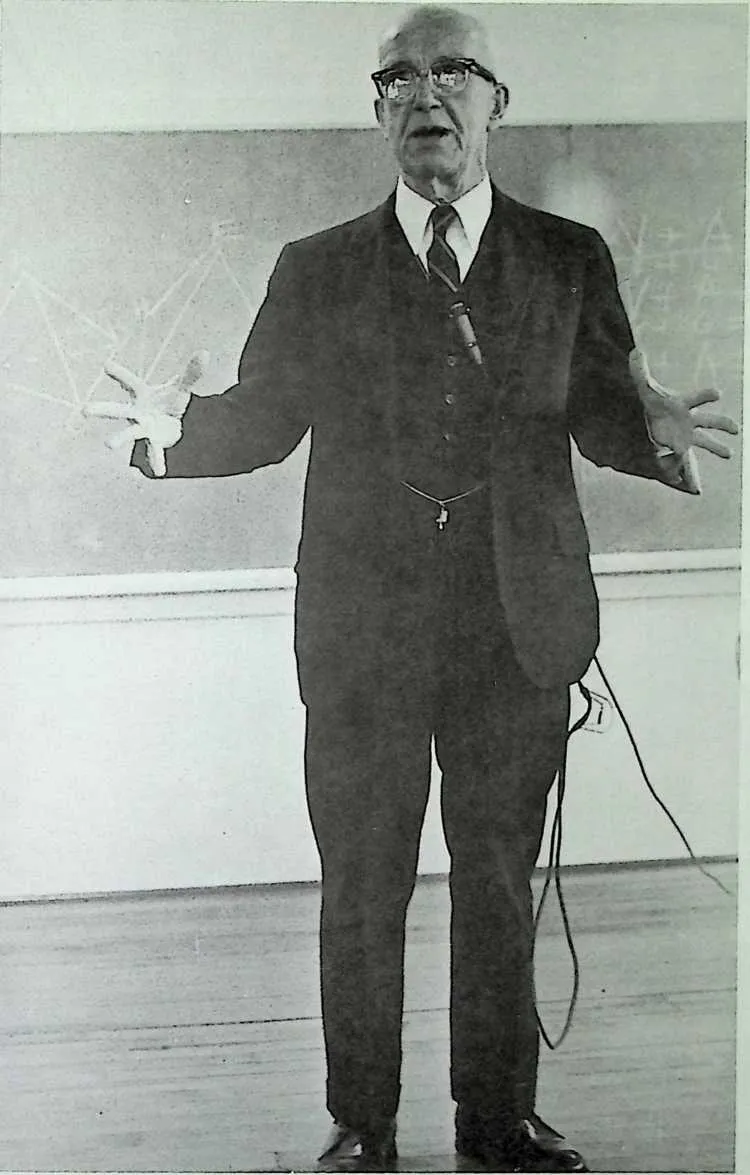
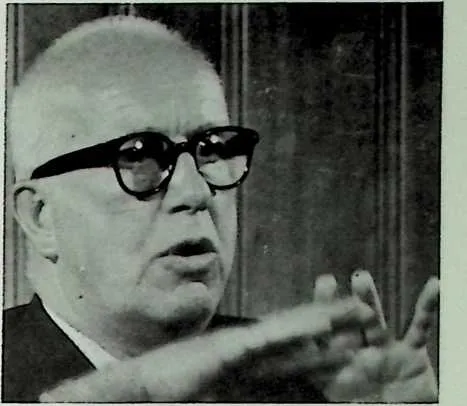
134 The rope has not done this, I have done it to the rope. At any rate, I can slide it along…and now it's on the nylon—suddenly, it's off the end. We say: ‘‘The knot was a pattern integrity.’’ It wasn't manila, it wasn't cotton, it wasn't nylon.
135 Cotton, nylon, and manila—any one of them is good to let us know its shape, what its pattern was; but it wasn't that: it had an integrity of its own.
138 I took off seventy pounds recently because I was overweight. Who was that? It wasn't me!
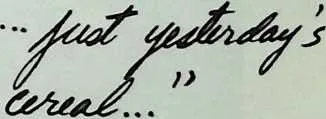
139 I have taken on over 1,000 tons of food, air, and water since I was born,
140 and I am not any of that poundage at all.
141 When I die I will still be somewhere around 140 pounds—and you can throw that away, because that's just yesterday's cereal.
142  Another generalized principle is that of wave behavior.
143 I drop a stone in the water and a most beautiful circular wave emanates. I then try it on milk, on kerosene, and it works just as well.
144 And the next thing I say is: ‘‘I'd like to know about that. Apparently that wave isn't just water and it isn't just milk.’’
145 So I try sprinkling sawdust all over the water very neatly, and make a beautiful film of sawdust. Then I drop one piece of red popcorn on that. I put a transit and a moving-picture camera very carefully aimed at that red popcorn.
146 1 drop the stone—over here—in the water, and the yellow sawdust makes a wave.
147 Suddenly the red popcorn goes out from the center of the earth, in toward the center, and comes right back where it was. It simply went in and out to accommodate the wave, to let it go by, just as the piece of rope accommodated the knot sliding along on it.
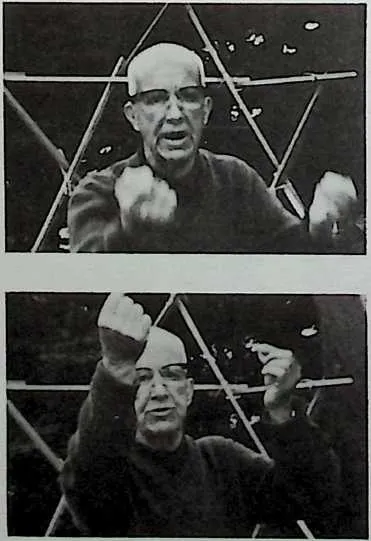
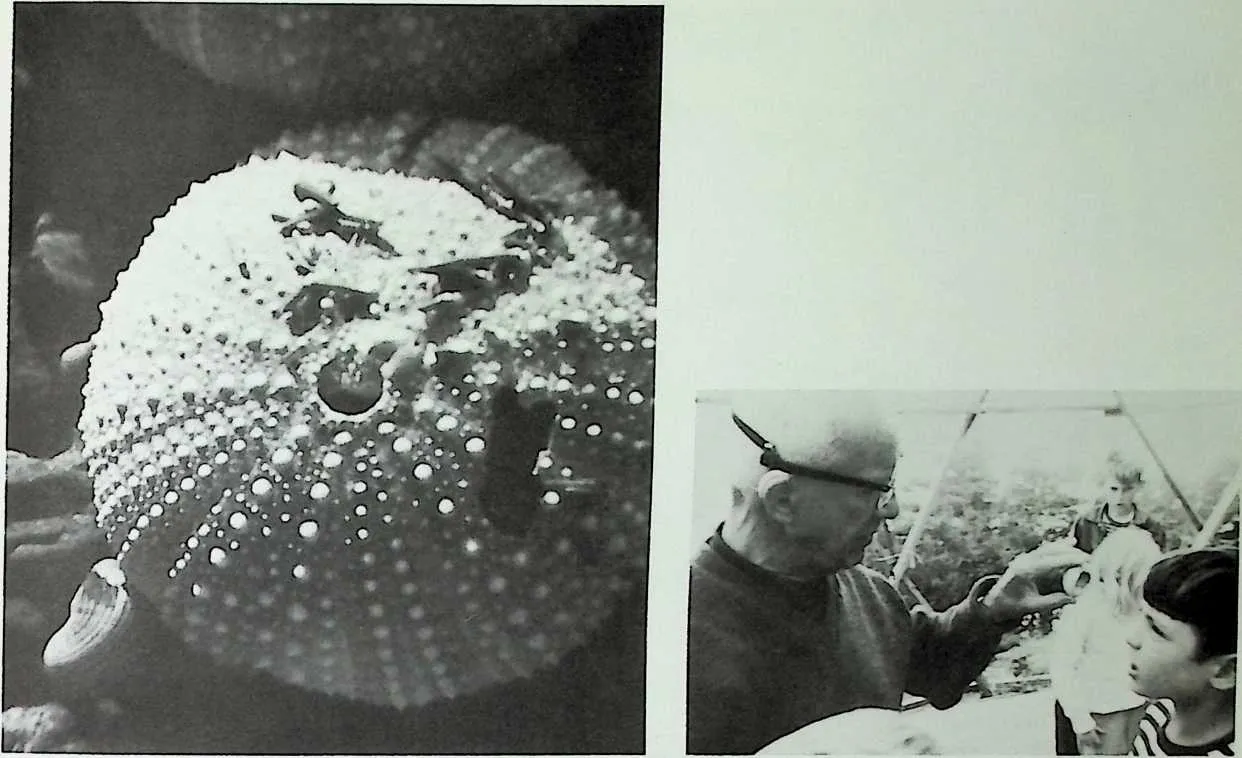
150 All systems as viewed from the inside are concave; viewed from the out side, they are convex.
151 Convex and concave are not the same, because concave converges and conserves energy and convex distributes it. Concave pulls the radiation to gether, and convex diffuses it.
152 So, they are not the same: there is not the same energy effect. Yet they always and only coexist.
153 We have the proton and the neutron which always and only coexist.
154 So now we have three always-and-only coexisting phenomena: tension and compression, concave and convex, proton and neutron.
155 Now I come back to what I started off with. I said, ‘‘I have a piece of rope and I'm tensing it,’’ and I didn't have a piece of rope at all. And nobody ever says, ‘‘You don't have a piece of rope!’’ This is what I call a first-degree generalization.
156 Everybody in the audiences has had experience with ropes, many, many pieces of ropes. And I just say ‘‘cotton’’ or ‘‘nylon’’ or whatever it is, and I find that as long as I don't contradict the experience all of them have had with rope, they will generalize from their experience.
158 V NvfWCY. V<V
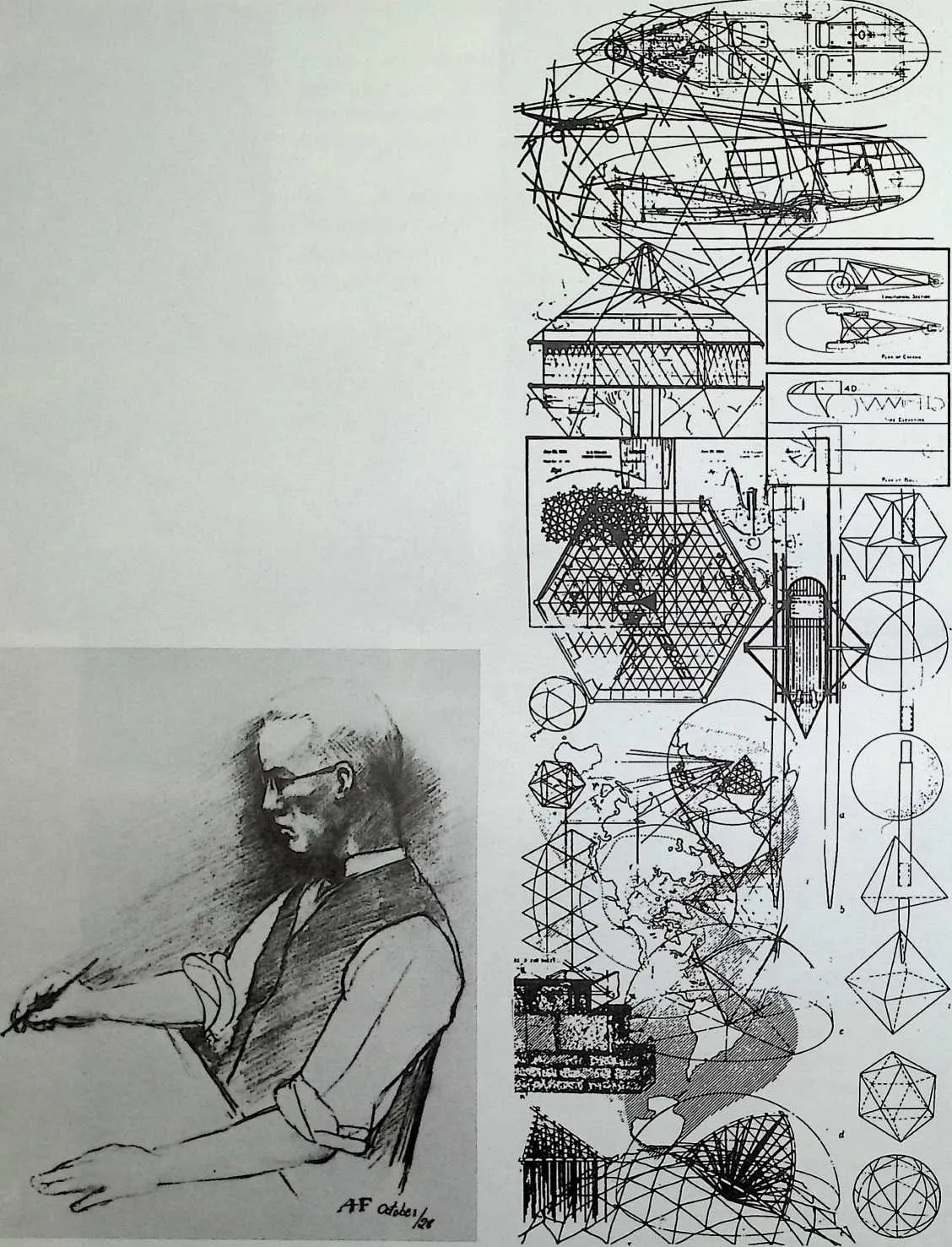
159 In considering the idea of applying generalized principles to the home front, I saw that the universe is ever and forever continually intertransforming, following a number of rules and a number of alternate ways in which it can transform. So I said—I must understand how to produce artifacts out of the intertransforming of nature's energy. This brought me to a whole series of inventions, or what I call trial balances—checking out my theories against reality.
160 I didn't set out to do these things. I was applying nature's generalized principles.
161 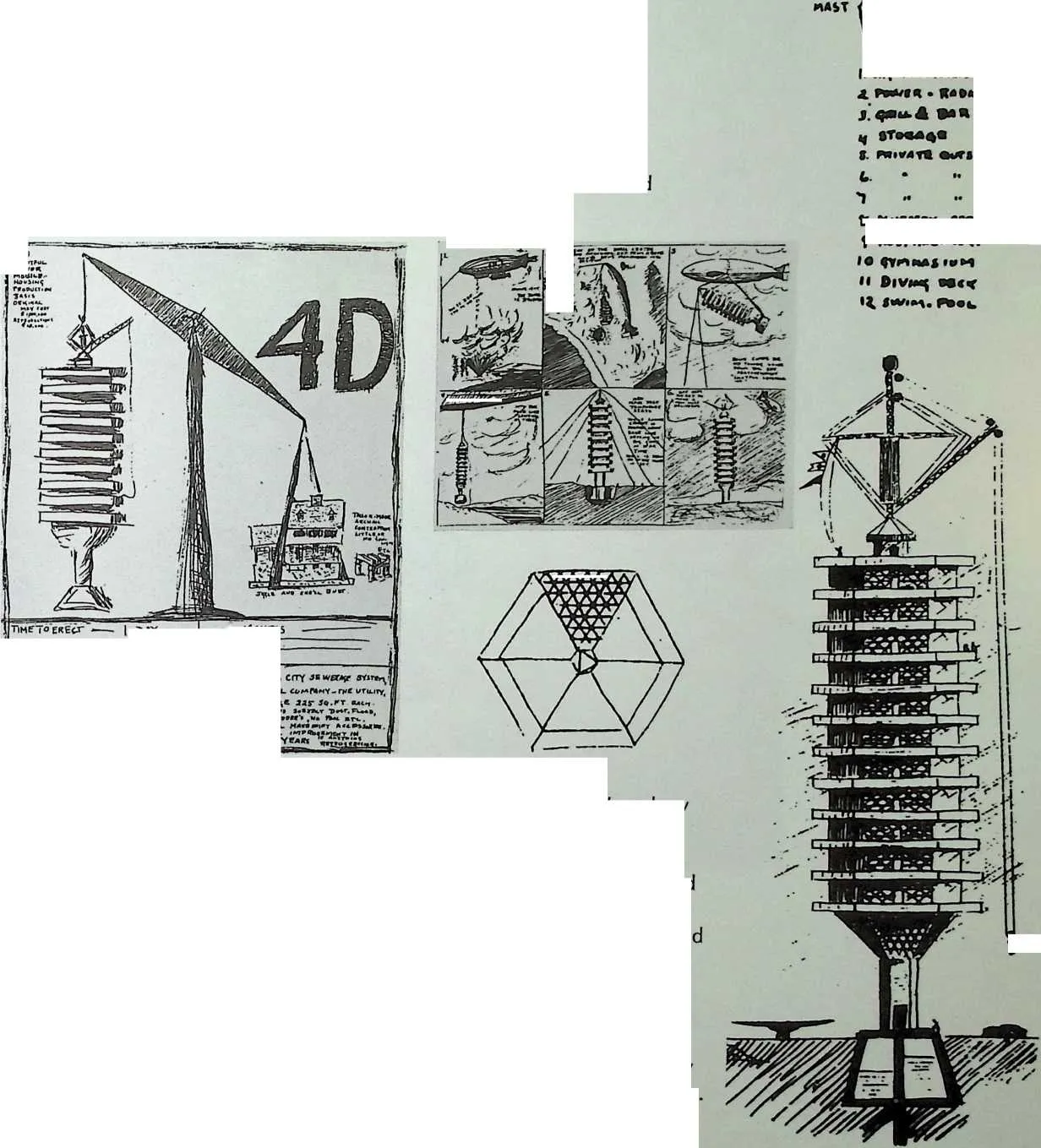 I was thinking then of housing as shelters that could be mass-produced and delivered as
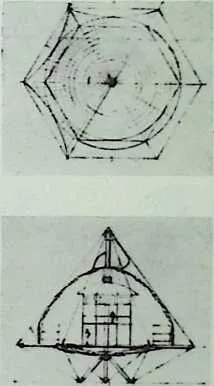
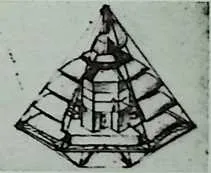
finished dwellings to any place its owner wanted it to be; this ten-deck building was designed to
be so light and so strong that it couh have been carried by the Graf Zeppelin, which was then
being built, and was perfectly flyable economically to the North Pole where it could be
anchored.
I was thinking then of housing as shelters that could be mass-produced and delivered as
finished dwellings to any place its owner wanted it to be; this ten-deck building was designed to
be so light and so strong that it couh have been carried by the Graf Zeppelin, which was then
being built, and was perfectly flyable economically to the North Pole where it could be
anchored.
162 A«4FL*Mt
163 I. Uf
164 A.
165 .A
166 Conventional buildings, constructed stone on stone, are almost completely compression structures and weigh as much as when they built the pyramids. The 4D Tower House was stressed like airplanes, with compression and tension parts separated out—again, of continuous tension and discontinuous compression, with compression islands floating in a tension web.
167 The 4D Tower House grew out of my book of essays 4D Timelock [Ful28] and my design for a four-dimensional Tower House.
1681696 Mourns —NO
170 |O
171 I j>/ir
172 ■ fl? EVROOF’’ TES-
173 l OPEKATUQ GssT 1 ~
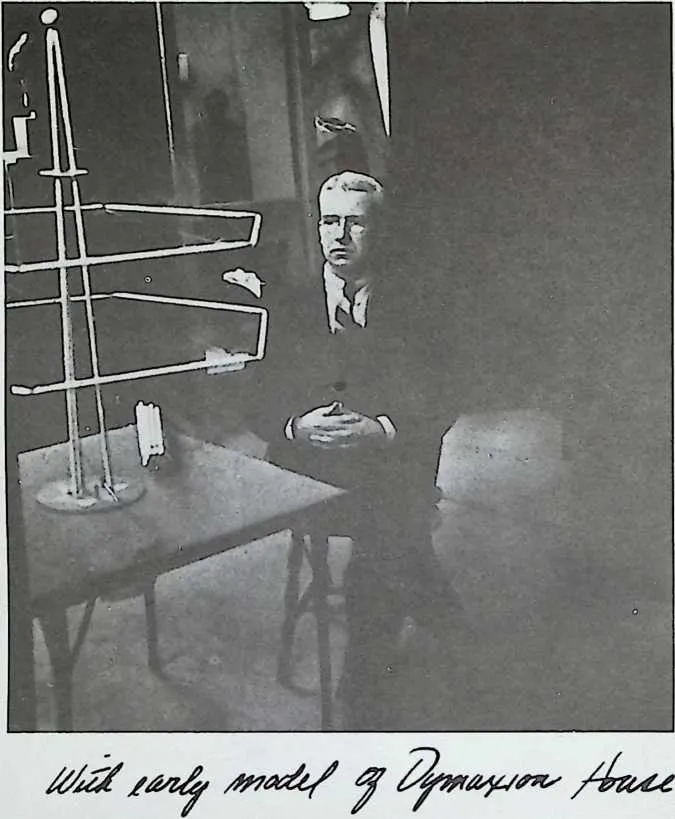
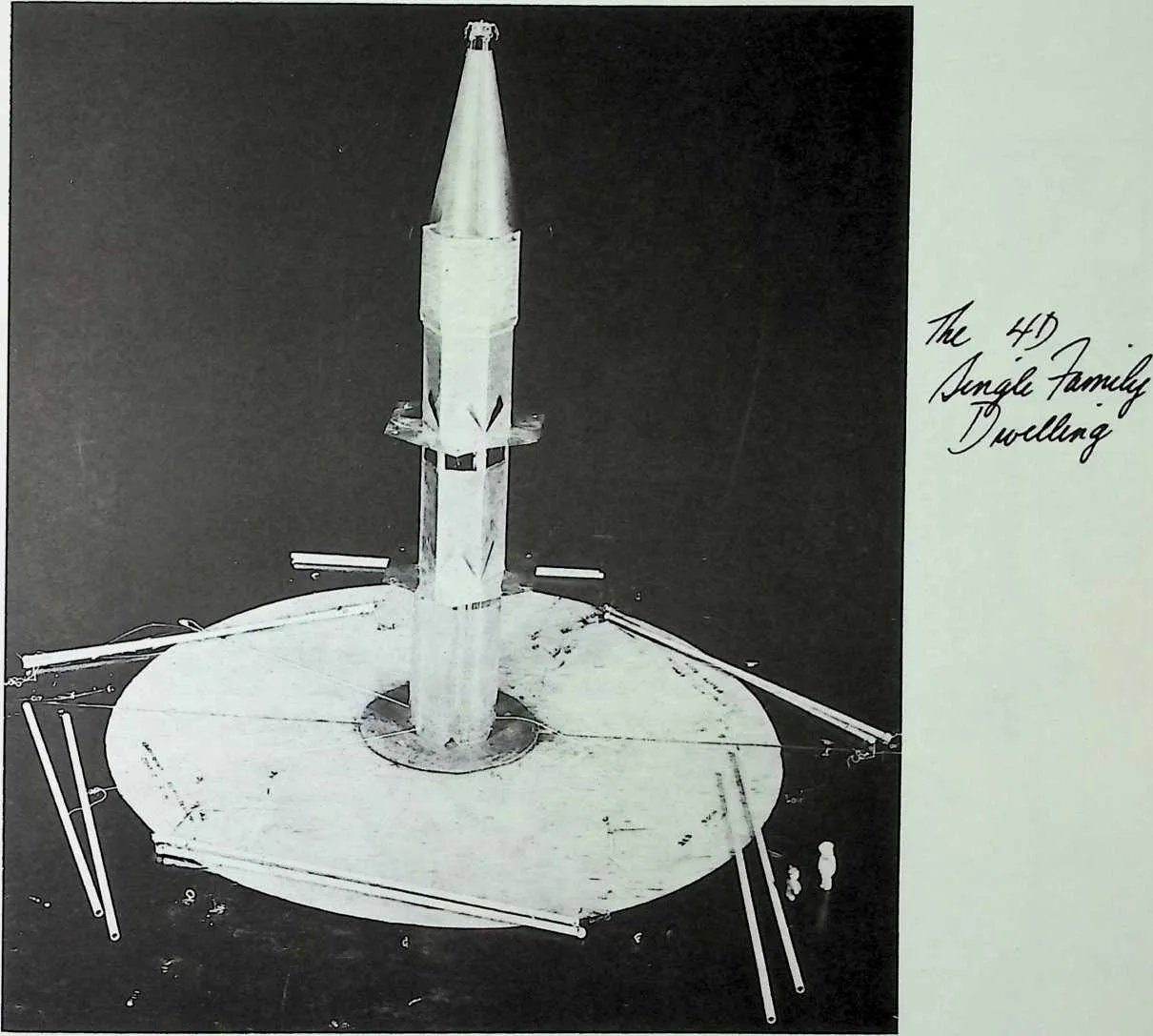
174 ■I LICHT, HMT, .llujrcK, AVCTKe 47S-F,.
175 I Az. <HAK->V«ve >u«r AfffA KTt u/lr- >lAul
176 4D
177 Tom/i MfiQI
178 I then gave myself the task of designing a building that would house an airplane maintenance crew and which could be installed in remote places, like the Arctic, so that we would have stepping-stone flights to Europe by way of the Arctic.
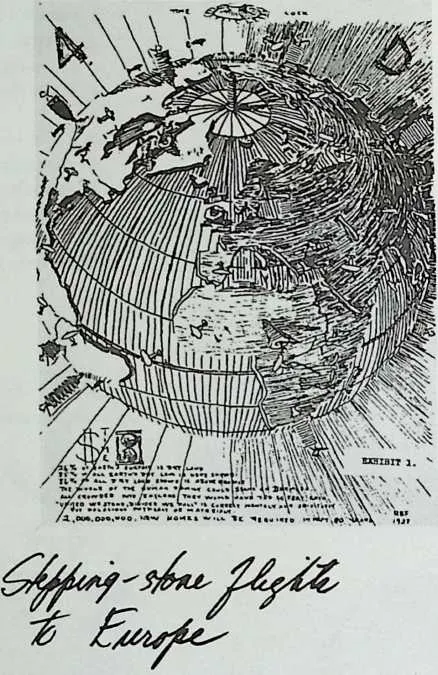
180 So, having proved the feasibility of flying a whole building,
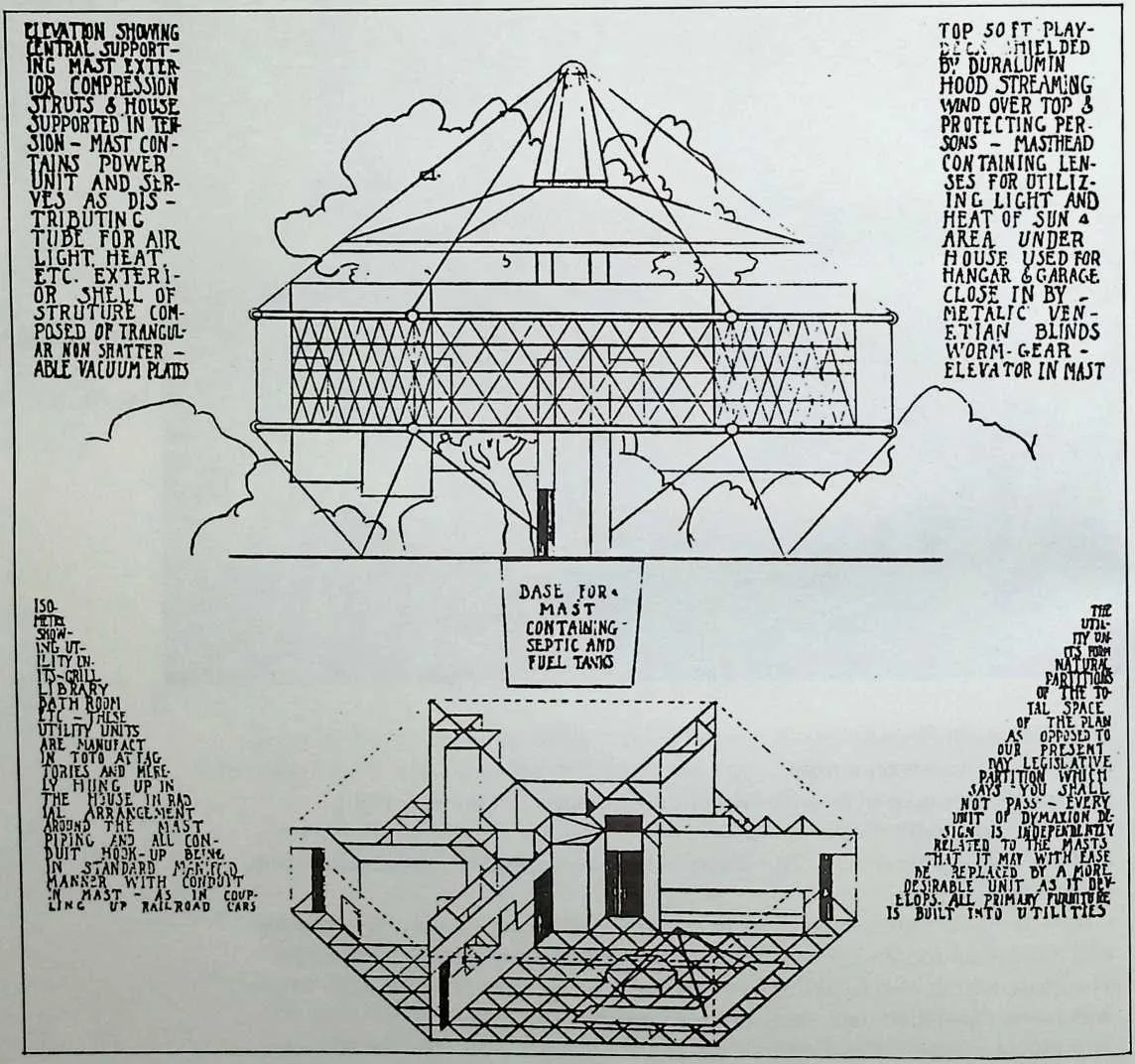
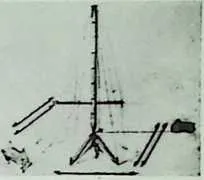
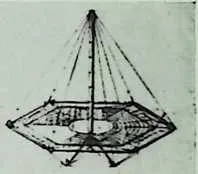
181 I designed the 4D single-family dwelling the model of which was made for Marshall Field's House of the Future show.
182 Recently the editors of the Oxford Dictionary asked me to define Dymaxion.
183 I said, ‘‘It means doing the most with the least.’’
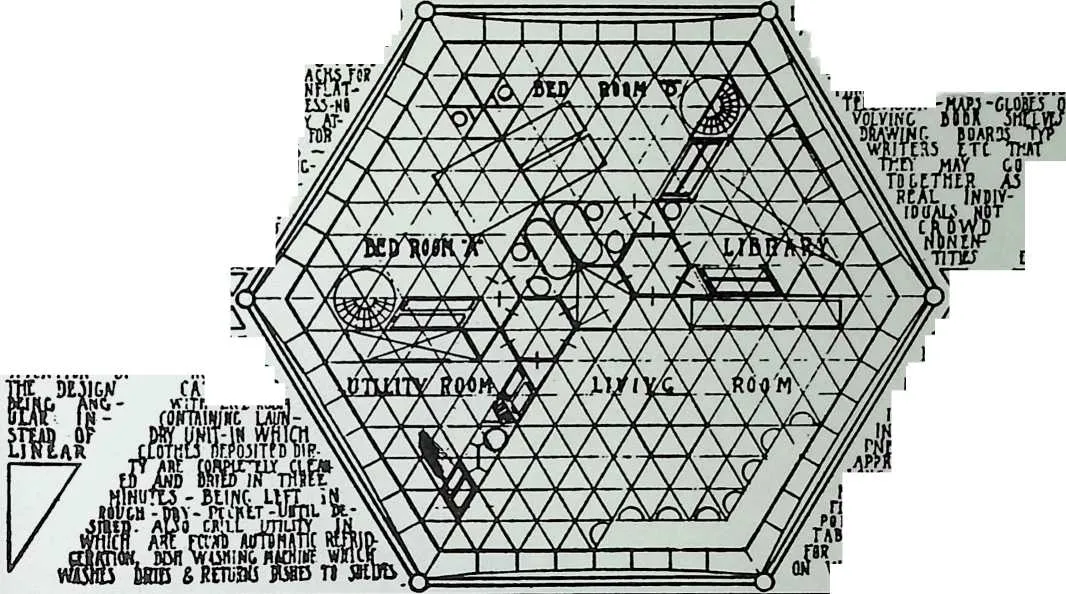
184 Because they wanted a jazzier name for the house, the two advertising men made a list of words they heard me use in what they thought were my most important sentences. Then they took the key words and using the most prominent syllables of the most prominent words of the most prominent thoughts of mine, they made another list. I was permitted to throw out the most objectionable words.
185 We were left with dynamic, maximum, and ion, out which they fashioned ‘‘Dymaxion.’’ Marshall Field made me a present of the name.
187 The Dymaxion House
188 looks like a house on a pole, and simply because of its wire-wheel construction, it has less weight.
189 I turn the wire wheel over on its side—
190 and the hub is now a mast. The house is hexagonal, and has great space in it for a family of five:
191 Good-size bedrooms, bath, large living room, utility room, library, sundeck and hangar on top and, because it was raised one story, garage below.
192 The mast, which also held the basic utilities, was factory-installed and ready for instant use. The elevator was in the mast.
193 It was designed to be dustless, with air drawn in through vents in the mast, filtered, washed, cooled or heated, and then circulated. It had an automatic laundry, presser, drier and storage units. Clothes and dish closets and refrigerator and food compartments had revolving shelves adjusted to move at the interruption of a light beam.
194 Like a ship, it was almost entirely independent of piped-in water. It could be fully operative as soon as it was set down.
195 The bathroom I designed for the Dymaxion House was aimed at functionality and conservation. A ten-minute atomizer bath used a single quart of water which was filtered, sterilized, and recycled.

198 LirRMf -
199 D
200 A
201 LONG - MAUt
202 WALL Of MILL-
203 ING CL0TKL5 CLUWfe5?
204 EOUlLATtL-
205 AL TRI
206 ANGLE NOT
207 TO BE RE-DART OFABE-'ifitHtJ' OYOLV
208 THE BASIS OE TABLE/?
209 BLD RC0N5 A 6'3 IDENTICAL REVERED
PLANS -EACH CONTAINING OWN ONE
PIECE BATH ROOM -WITH AUTOMAT'
it temp coirmeL etc.-t foot,
TUB-SHOWER ETC-NO tR
BUGS -PNEUMATit DED5 I
ABLE TO DESIRED URMX
BED CLOTHES NECL5OT
MMPMERr BALANCED
210 IYFWIQW DEJItff ins' ING -THE W-UTILITY JFICAT1DN OF ROOM -DR
211 Ttn-vp n -Lin-RM.’
212 ® T0V&WpL^fc^ CHILDREN MAY DtVElOP StL? EDIT -W* bW-B.’ tVWlON
213 W
214 T»aW or the rooms A BSOR U FJUND V.N1CH IS PNEU MATIC AND D OA-ned and urn
215 THE BY THE WAVE OF LIVING THE HAND-ACRE ROOM 40
216 rirr x >o
217 FELT APPRO;
218 IMATELY 5H
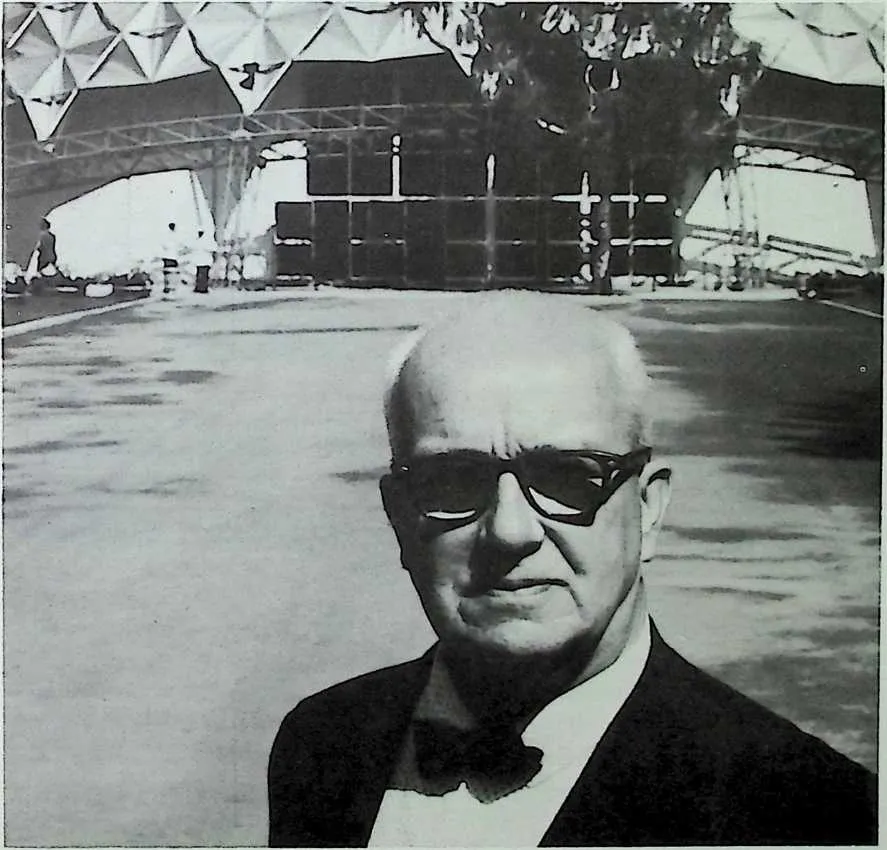
219 !x angle cr wii MAXIM VISION’’ IfBICATOR LI Of MILL- CR1U. UNIl OPE'
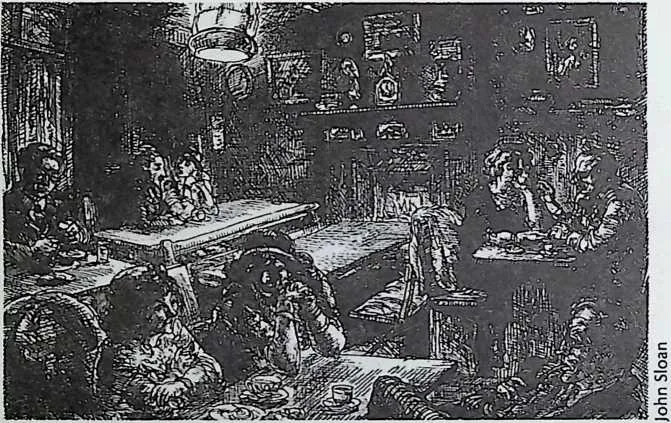
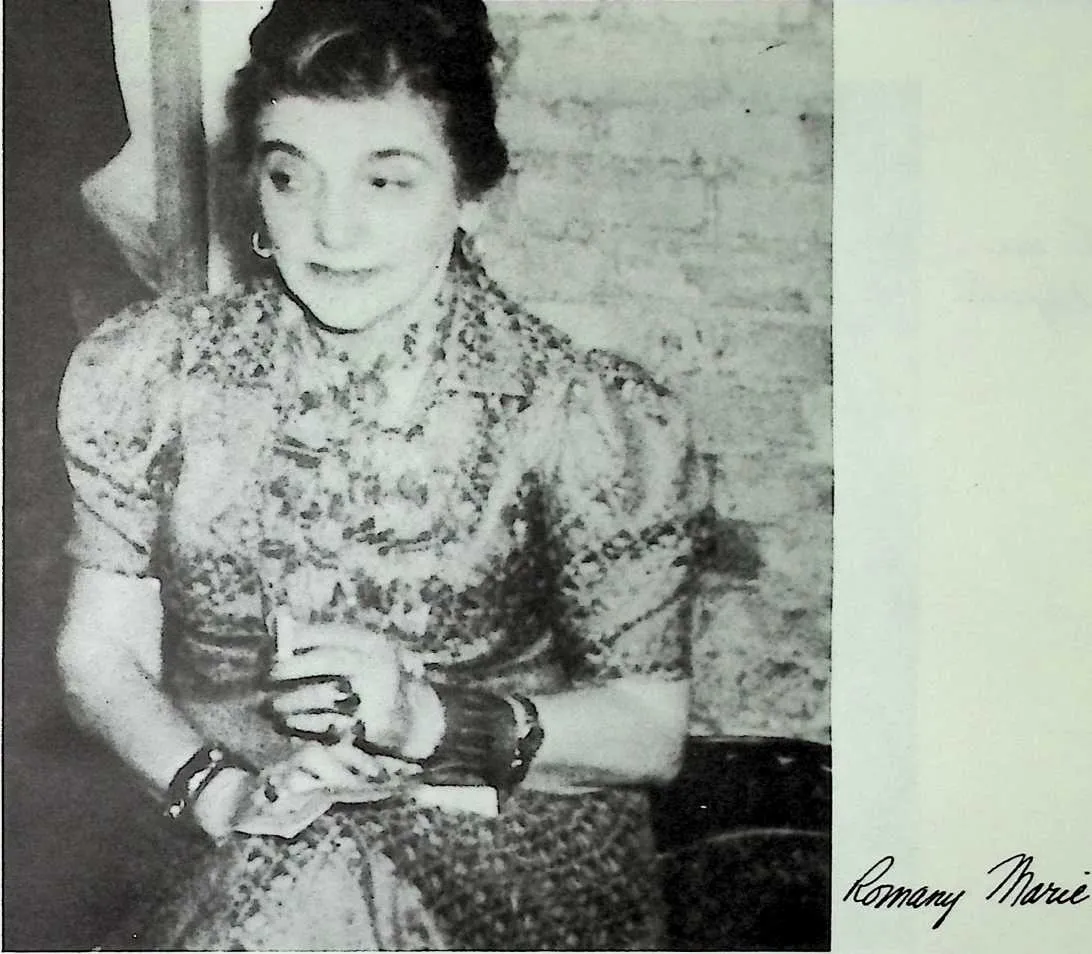
220 The toilets in my bathroom required no water, but consisted of a splashless, hermetic, and waterproof packaging system which packed, stored, and cartoned waste for future use by chemical industries.
221 The entire building weighed only three tons.
222 Taking the weight of an average so-called satisfactory single-family dwelling which the American Institute of Architects considered adequate for father, mother, and two children, I found the whole thing weighed 150 tons.
223 From 150 tons to three tons is quite a jump. But when, in 1928,1 offered to assign all rights to the American Institute of Architects, they turned down the offer, being, as they said, ‘‘inherently opposed to any peas-in-a-pod reproducible designs.’’
224 But I could already see then that if everyone was to get high quality shelter, houses must be mass-produced industrially, in large quantities, like automobiles. At that time it cost little more per pound than a Ford did, or a Chevrolet—installed for living—through the use of mass-production tech niques. And I could see that we might really be able to do more with less.
225 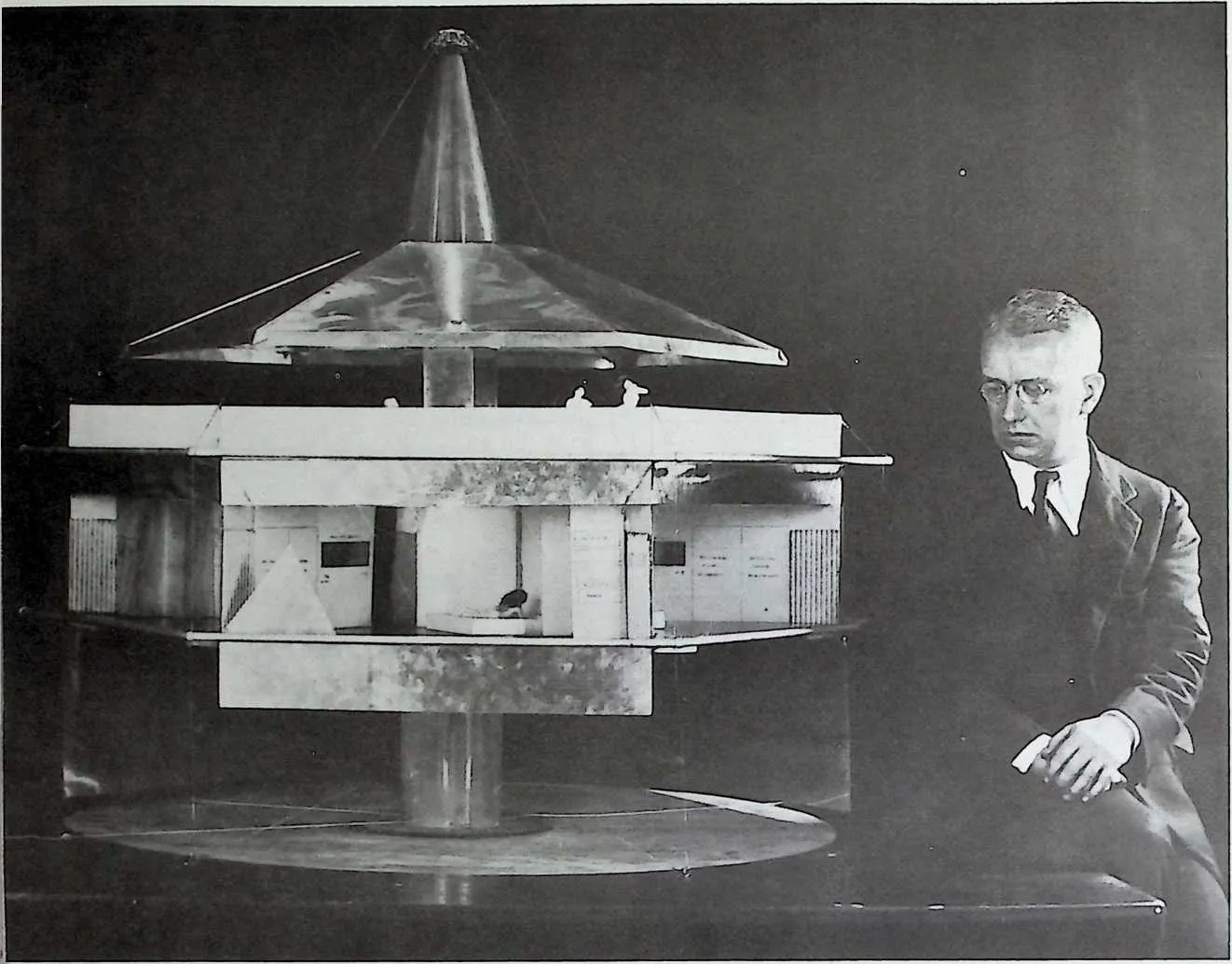
 The kind of technology used as a matter of course in the ocean and the air —that
went from pipe to pipeless, track to trackless, wire to wireless—why shouldn't it be adapted to
land?
The kind of technology used as a matter of course in the ocean and the air —that
went from pipe to pipeless, track to trackless, wire to wireless—why shouldn't it be adapted to
land?
226 But I quickly realized that to make this possible I would have to wait for reasonably priced aluminum, plastics, and high-strength steel alloys that were not yet available.
227 Many people thought I was some kind of a nut because I was talking about air-conditioning, packaged kitchens, and built-in furniture. But there were some architects who didn't go along with the AIA and my image as some kind of wild man, and I began to get invitations to come and lecture about my ideas.
228 I decided to make a complete experiment of peeling off from society in general, and started wearing T-shirts which nobody was doing then, went about without a hat and in sneakers—absolutely comfortable clothes. Then when people started getting interested in my Dymaxion House, very nice people with influence, and they'd say, ‘‘I'd like to give a dinner party for you’’ and so forth, I would show up in khaki pants and they'd be very shocked. And when Mrs. John Alden Carpenter, head of the Arts Council in Chicago, gave a beautiful dinner party, I showed up and rudely announced, ‘‘I don't eat that kind of food,’’ and was in every way obnoxious.
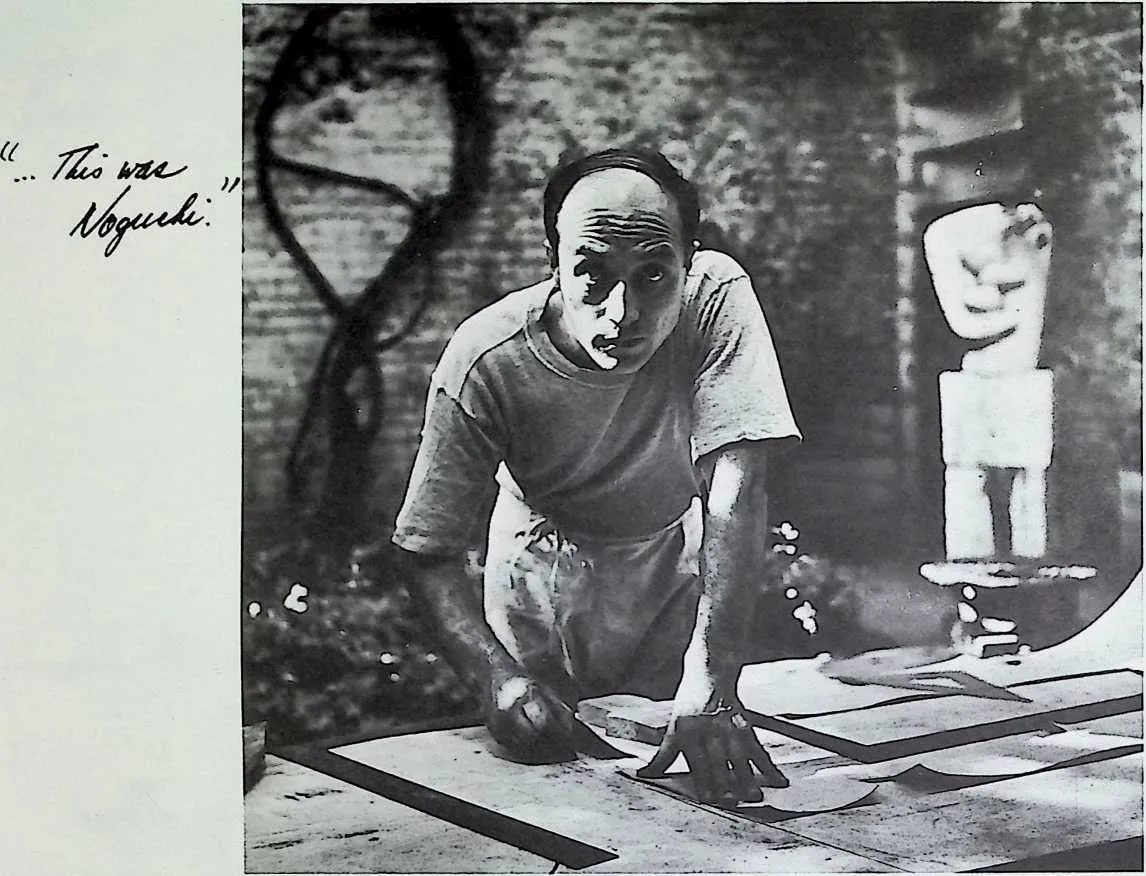
229 I was putting self and comfort ahead of my Dymaxion House, and I said, ‘‘You're not allowed to do that. You must get over that. You must stop that looking eccentric, with everybody pointing at this guy.’’
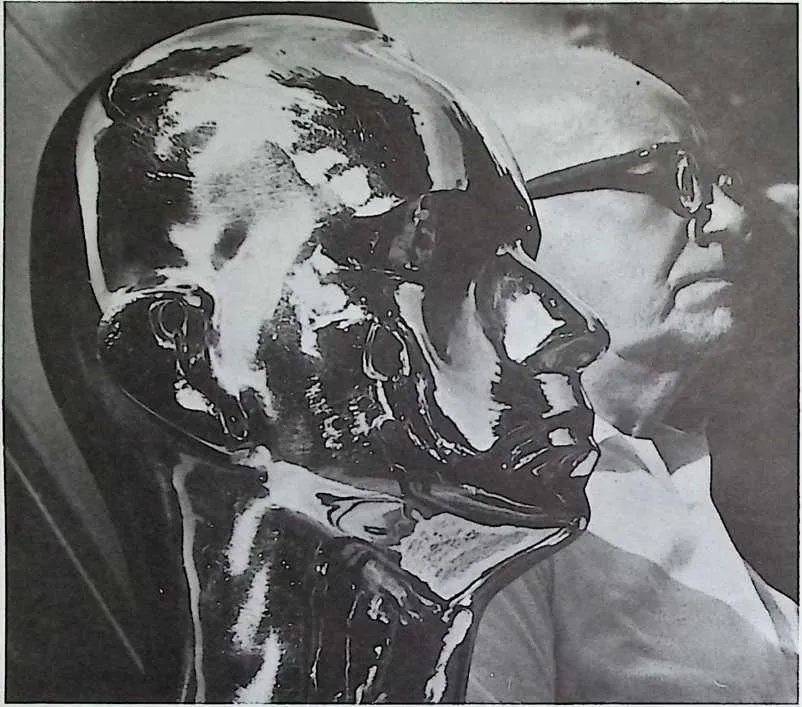
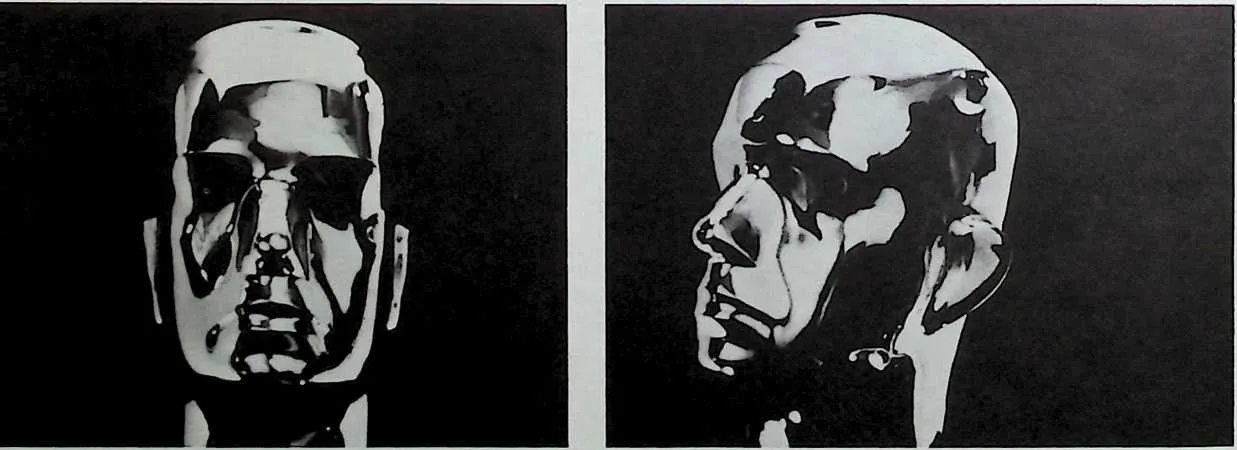
230 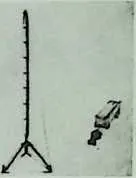
 So I decided the way to do that was to become the invisible
man, and that means a bank clerk—so I put on a black suit, bank clerk's clothing; then they
would focus on what I was saying instead of my eccentricities. I said, ‘‘I must get rid of
continually making too much of myself.’’
So I decided the way to do that was to become the invisible
man, and that means a bank clerk—so I put on a black suit, bank clerk's clothing; then they
would focus on what I was saying instead of my eccentricities. I said, ‘‘I must get rid of
continually making too much of myself.’’
231  Anyway, by 1928 I was back in New York and I began to hang around in the Village. I
used to go to Romany Marie's, a restaurant I was introduced to by a friend even before I went to
Chicago. It was probably the last of the really great Bohemian cafes I know of in the world—very
much like the Paris of the 20s. The Village was loaded then with great artists and great
intellectuals, and Marie had by far the best place in town. That's where I car ried on
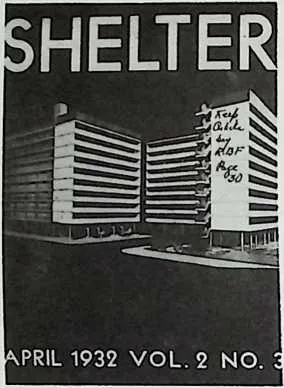
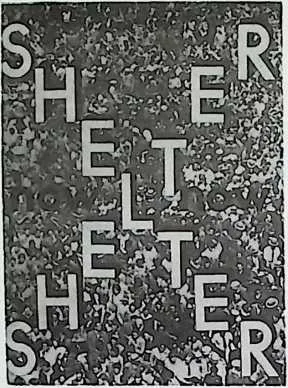
and developed my ideas. Certainly, in Greenwich Village they took me and my ideas
seriously.
Anyway, by 1928 I was back in New York and I began to hang around in the Village. I
used to go to Romany Marie's, a restaurant I was introduced to by a friend even before I went to
Chicago. It was probably the last of the really great Bohemian cafes I know of in the world—very
much like the Paris of the 20s. The Village was loaded then with great artists and great
intellectuals, and Marie had by far the best place in town. That's where I car ried on
and developed my ideas. Certainly, in Greenwich Village they took me and my ideas
seriously.
232 What I found so exciting there was that for the first time in my life I had a grand strategy and could try out my thinking against the best of the intellectuals.
233 Many intellectuals became communists, and I'd say about one-third of the people who came there regularly were communists. I was very apolitical and they were very political.
235 And they would give me a great battle, and a chance to defend my position. They would really battle me hard. It was probably one of the best conditionings I've ever had.
236 And they liked the Dymaxion House.
237 They didn't quite see how we could ever get it going, but they liked the feel of it.
238 After the great stock market crash in 1929 and the Depression that followed, anyone could see that the economic system here in New York as well as everyplace else in America had broken down. People slept in subways; un employment was everywhere. Some restaurants were down to one-cent meals, and you could buy a whole suit of clothes for a dollar.
239 Even at that, no one could sell anything. No one had any money!
240 They were fantastic times.
242 I made some furniture to decorate Romany Marie's in the Village—she was then at Minnetta Lane—and she would give me a meal every day instead of money. She would keep a big pot of vegetable soup cooking all the time, constantly adding water and pieces of meat. It was delicious, but I didn't want to overdo it so I only came every other night. There I would stay, a table-sitter, all evening, until very late into the night. It was the Greenwich Village of the late '20s and early '30s that generated great new thinking—and I gained many friends for my concepts, and lost none.
243 Marie was very interested in me and my work. By this time she had moved her place to South Washington Square, down in a basement, and she ran it together with Puck Durant, Will's wife.
244 They asked me to have an exhibition of my Dymaxion House. I had a model, d'ye see, a beautiful model that I made for the Chicago show, and in the summer of 1929 I gave my talks down there.
246 I met a young man there who had just come to New York from Europe where he'd been studying with Brancusi—and this was Noguchi.
247 "I first met Mr. Fuller, as I used to call him,’’ said Noguchi, much later, "at Romany Marie's in 1929. Some time later I got an old laundry room on top of a builidng on Madison Avenue and 29th Street with windows all around. Under Bucky's sway I painted the whole place silver—so that one was al most blinded by the lack of shadows. There I made his portrait head in chrome-plated bronze—also form without shadow.
248 "Bucky was in a continuous state of dialectic creativity, giving talks in any situation before any kind of audience…He would talk to me as though to a throng; walking and talking everywhere—over the Brooklyn Bridge, over innumerable cups of coffee. Bucky drank everything—tea, coffee, liquor—with equal gusto and would often be in a state of wide-awake euphoria for three days straight. Drink did not seem to affect him otherwise.
249 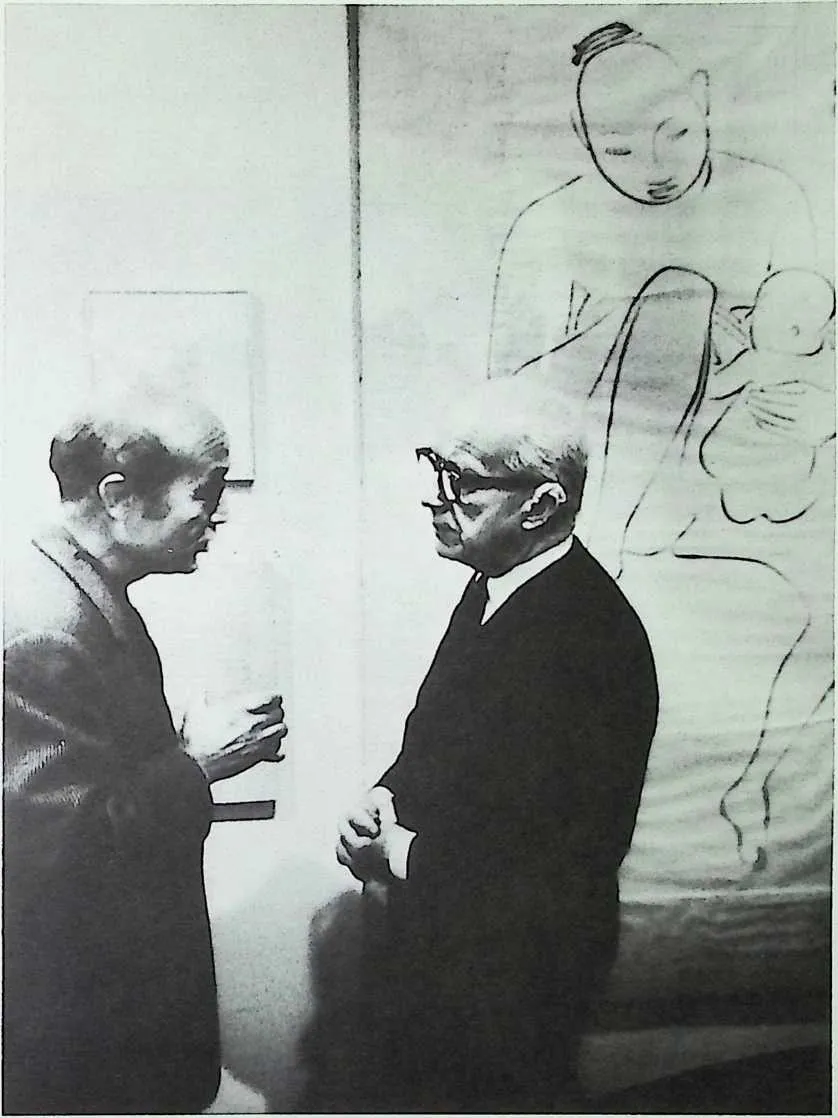 ‘‘He used to drink like a fish. He had become a God-possessed man, like a Messiah of
ideas. He was a prophet of things to come. Bucky didn't take care of himself, but he had
amazing strength. He often went without sleep for several days, and he didn't always eat
either.
‘‘He used to drink like a fish. He had become a God-possessed man, like a Messiah of
ideas. He was a prophet of things to come. Bucky didn't take care of himself, but he had
amazing strength. He often went without sleep for several days, and he didn't always eat
either.
250 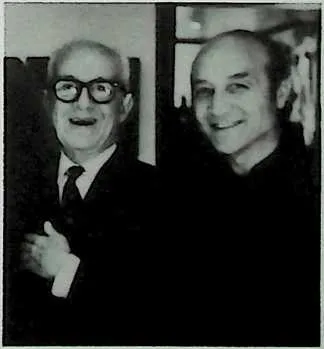 ‘‘Bucky's zest for life is part and parcel of his creativity. However, he has the capacity
and resolution to come to grips in unknown hours and retreats of the mind to fathom new secrets
from the universe.’’
‘‘Bucky's zest for life is part and parcel of his creativity. However, he has the capacity
and resolution to come to grips in unknown hours and retreats of the mind to fathom new secrets
from the universe.’’
251 He absolutely fell in love with that house and everything I said;
252 and he said, could he make a head of me?
253 and I said I'd be glad to have him do it.
254 So posing for him day after day gave us a chance to build up our friendship that went on and on from there.
257 Noguchi used to do real well. He was a bachelor, and he always got big money for his commissions. He made these heads of the most beautiful people. So Isamu was OK; I was continually bust, and he used to let me sleep in his studio—usually on the floor.
258 When the Depression set in seriously and most of the New York hotels were empty and looking for something to attract people, they'd ask me to come with my Dymaxion house to be on exhibit. They would give me a beautiful room or apartment to use as an exhibition room and Isamu and I would sleep on the floor—no bedclothes or anything. They gave us a bathroom to go to, and we'd literally live on coffee and doughnuts every other day or so.
259 ‘‘We would move in with our air mattresses and a drawing board and that was it. The less the better was his credo. His Shelter magazine was produced under such circumstances (1930-1932)/' recalled Noguchi.
260 It was really tough going. I had Anne and Allegra down in the country. My mother helped me a little with an allowance to look out for them; but I lived on the minimum you can possibly get on with.
261 In 1930,1 sold all my life insurance and took over a magazine called T-Square. I changed its name to Shelter, and published it for the next two years—up to the '32 election of Franklin Roosevelt and his New Deal which followed the absolute disaster of the previous laissez-faire economy. With the New Deal's dedication to ‘‘the forgotten man,’’ I decided to cease kibitzing.
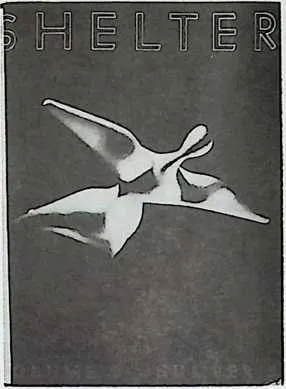
264 SHELTER
265 STRUCTURAL STUDY ASSOCIATES SYM?OS:UM I 4 ESSAYS
266 Shelter was quite a design-science adventure in itself. The first thing I did was to cast out all its previously lucrative advertising contracts. Publishers said that meant disaster.
267 But advertising contracts require that you bring out regular issues on regular dates. This means editorial deadlines. Deadlines mean sacrifice of the best and timeliest thinking. I notified the subscribers that thinking does its own timing and told them when I had something I felt deeply in need of saying I would do so, regardless of dates. I then told the subscribers that the luxury of saying what you thought when you thought it needed to be said would cost two dollars per copy—whereas Fortune, which also began in 1930, was charging the then unprecedented price of one dollar per copy.
268 I published anonymously, using the name 4D; and I gave space to people like Frank Lloyd Wright.
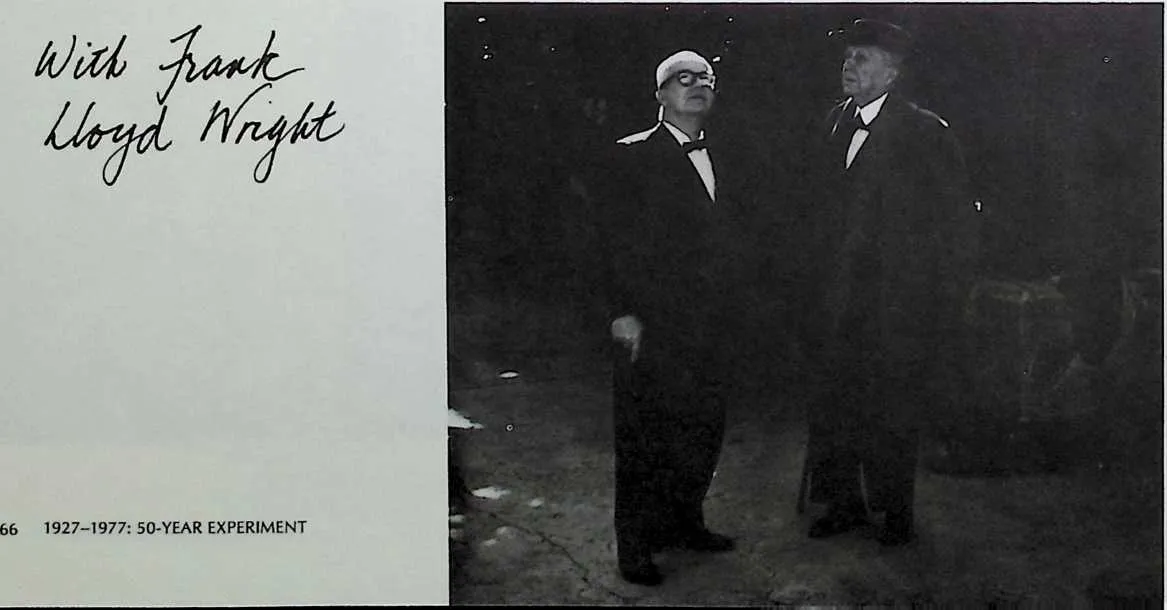
270 By this time I was finding an enormous number of people who were acting as though I were some kind of new Christ or Messiah. I didn't like that at all. Krishnamurti was in the city and they were making him a Messiah, and I said, ‘‘That's fine, you can do that to him, but not me.’’
271 My mother died and I inherited some money and joined this racquet-tennis club in a very high-moving, fast-drinking world. I had made a New Year's resolution earlier to give up drinking, and it was going to be terrific because of the sense of freedom I had had from not drinking. I was then in a won derful position because I said, ‘‘I'm literally jumping overboard; I know what a mess drinking really is.’’ But then I started drinking again and did everything offensive to all the people who were trying to make me a Messiah. And I lost all the people who thought I was great.
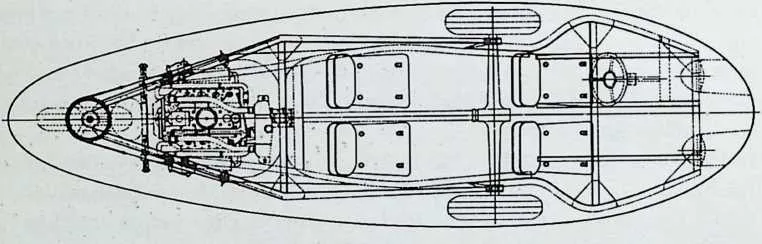
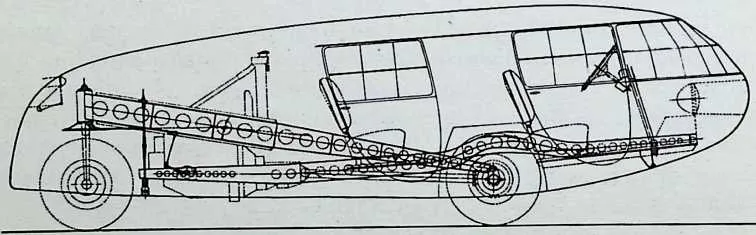
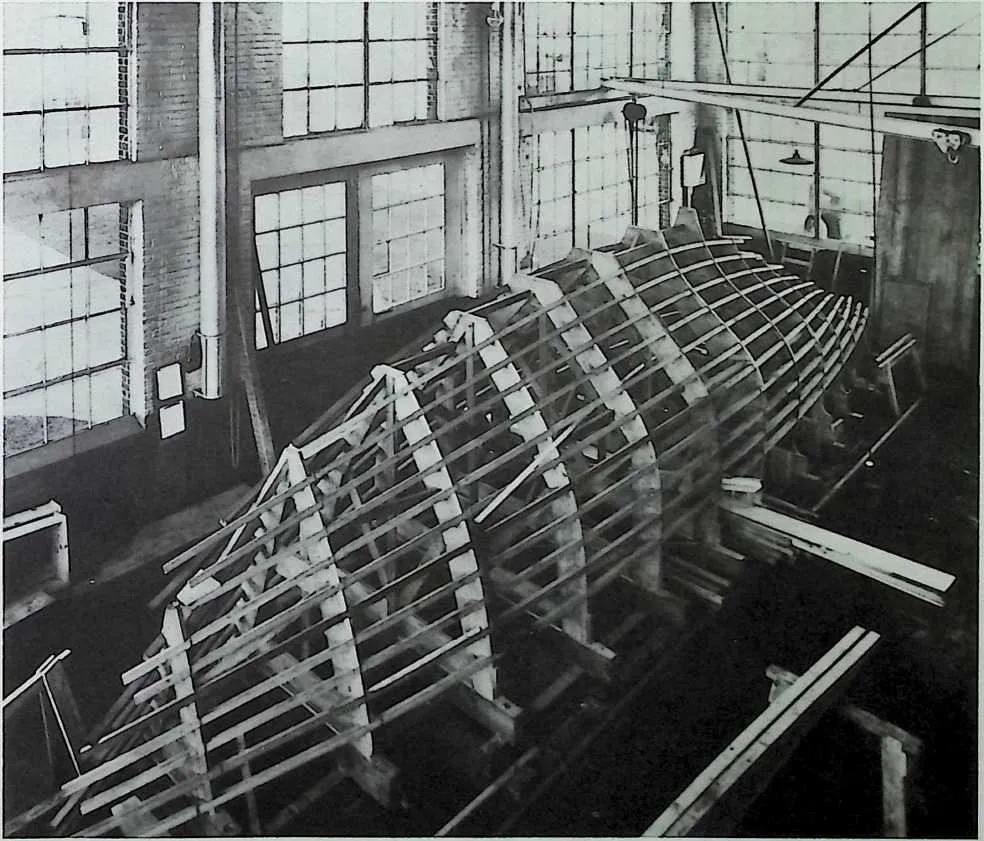
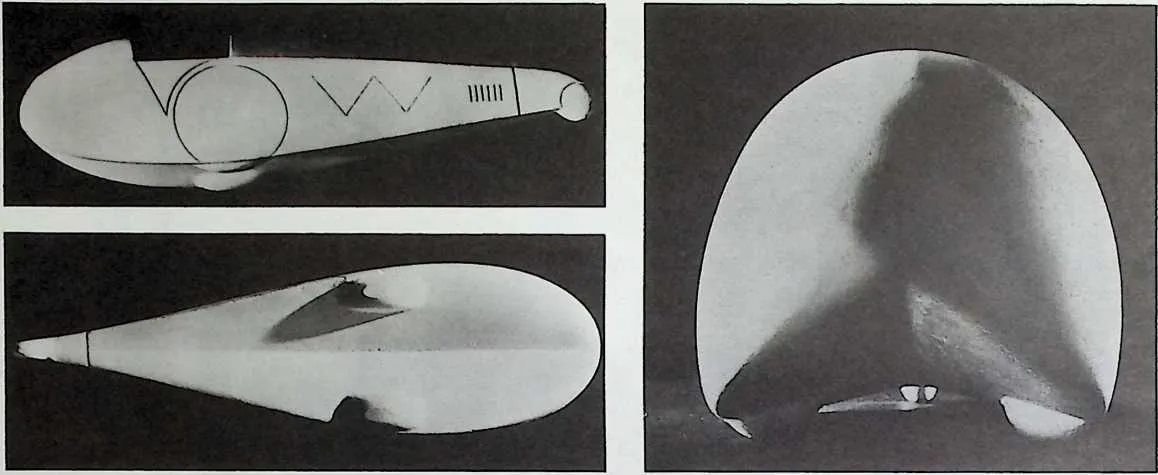
272 In spite of the mess,
273 I managed to write my first book, Nine Chains to the Moon [Ful38], in 1935, which came out very well.



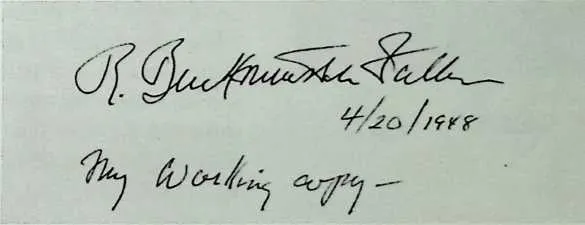


275 NINE CHAINS TO THE MOON IIIIIIIII R.BUCKMINSTER.
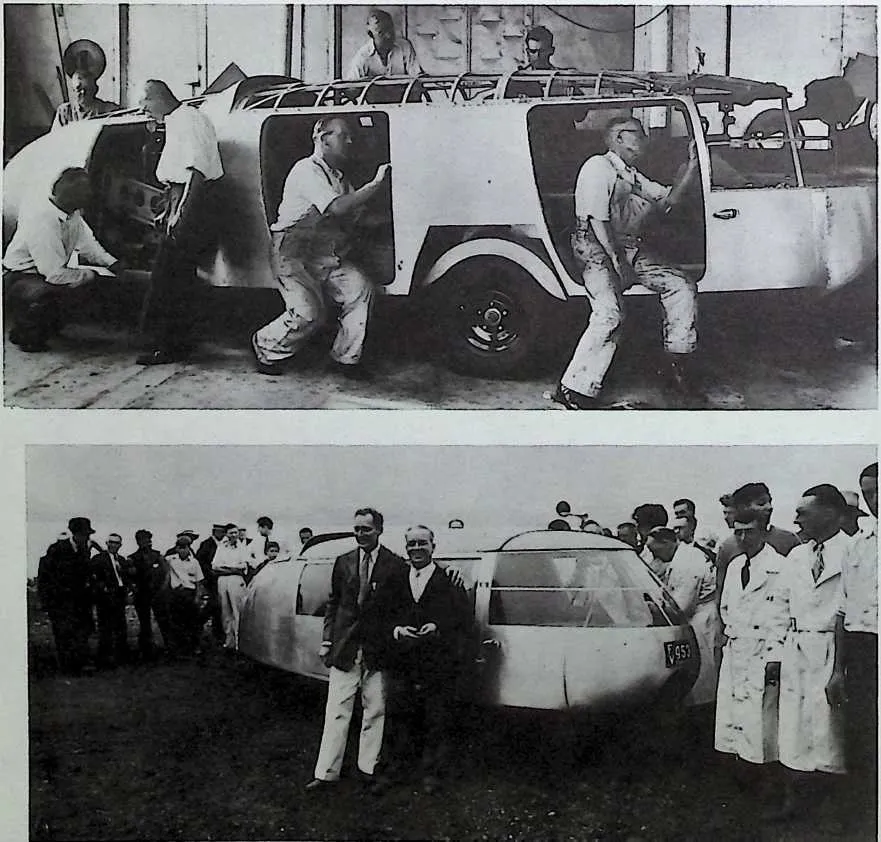
276 FULLER
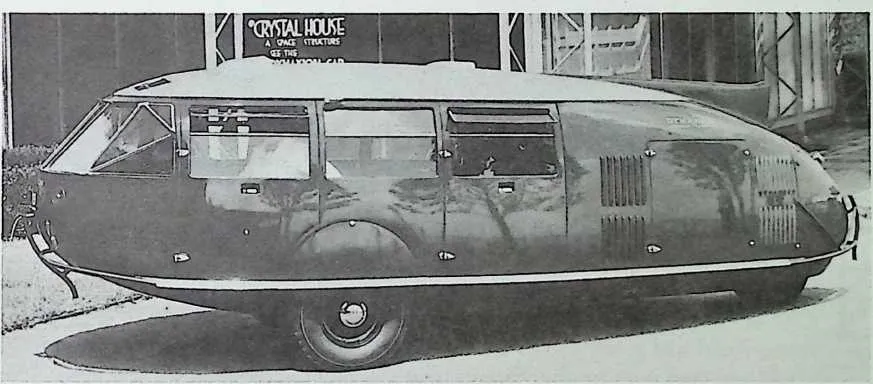
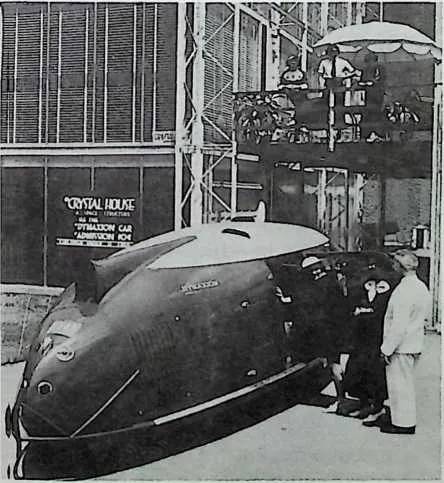
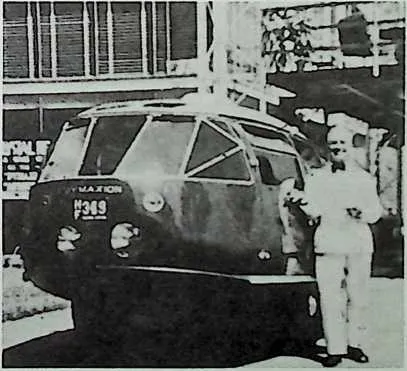
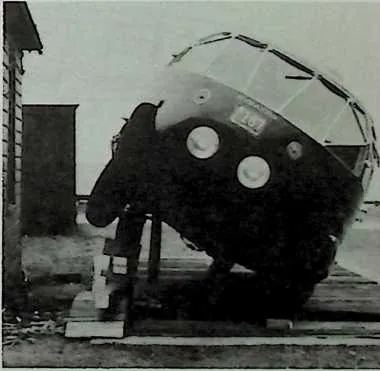
277 TO ALEXANDRA AND ALLEGRA
278 ‘‘Yom Strange
279 Divinity
280 Still Kept’’
281 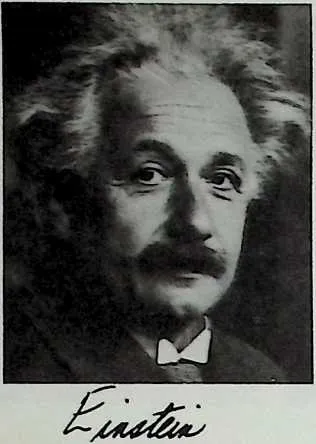 The New York Times Magazine section of New Year's, 1930, had a lead article by
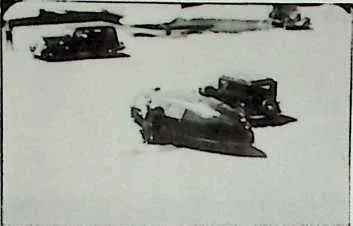
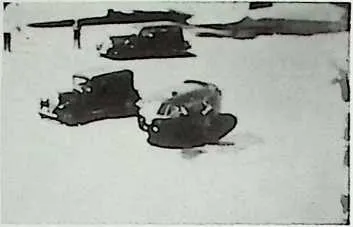
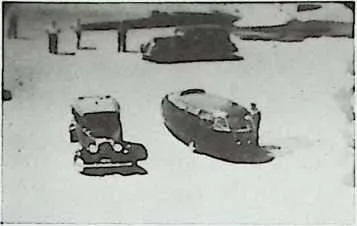
Einstein called, ‘‘The Cosmic Religious Sense,’’ a nonanthropo-morphic concept of God, in which
he also wrote that fear and longing were fundamental motivations of man. I thought it was the
most important philosophic piece I had ever read.
The New York Times Magazine section of New Year's, 1930, had a lead article by
Einstein called, ‘‘The Cosmic Religious Sense,’’ a nonanthropo-morphic concept of God, in which
he also wrote that fear and longing were fundamental motivations of man. I thought it was the
most important philosophic piece I had ever read.
282 So in 1933, when I started writing Nine Chains to the Moon, I asked his publishers whether I could quote from that piece, and they gave me permission to do it. I started the book with a chapter called ‘‘Tentative Cosmic Inventory,’’ in which I entered everything humanity knew at the time—the limits of what science had been able to find. This led me to think about Einstein.
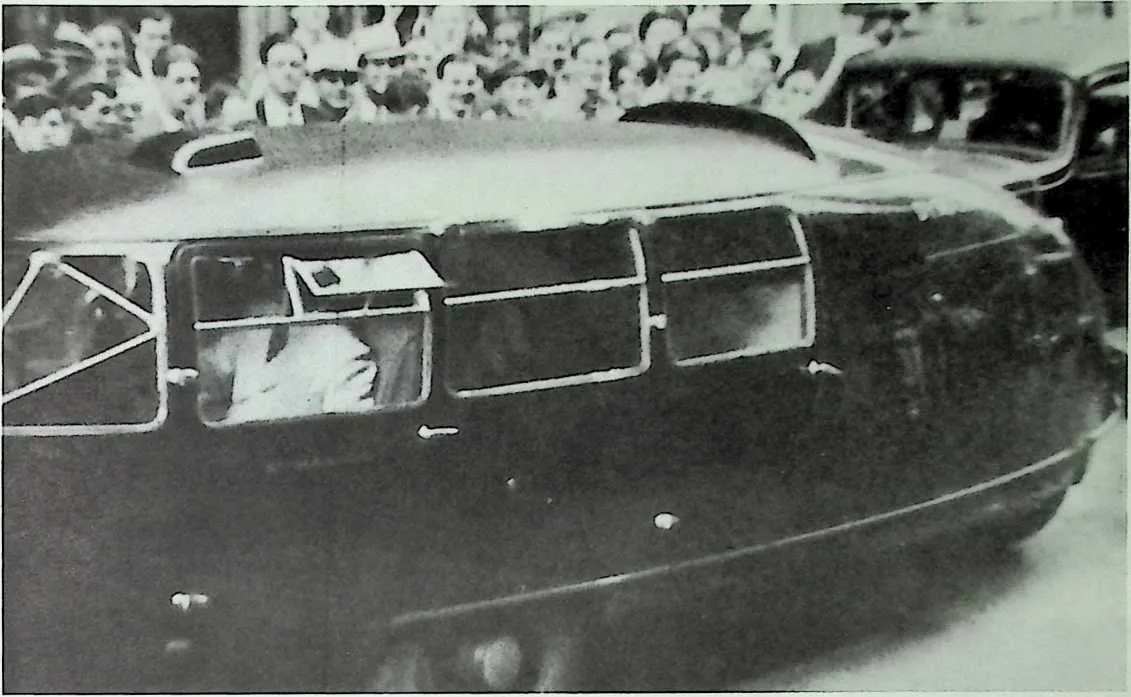
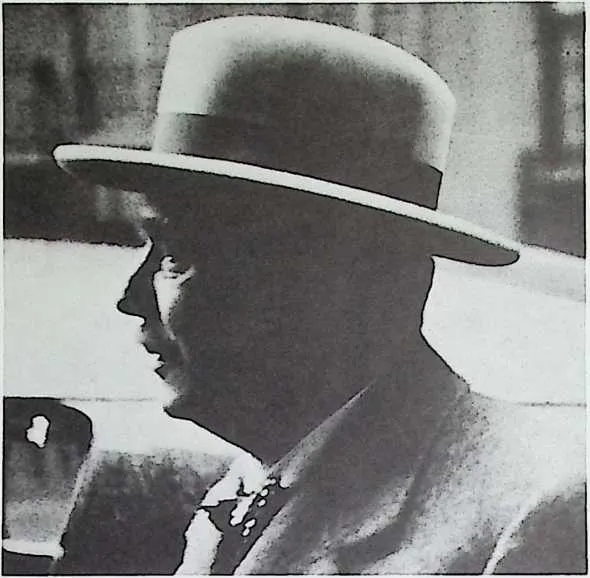
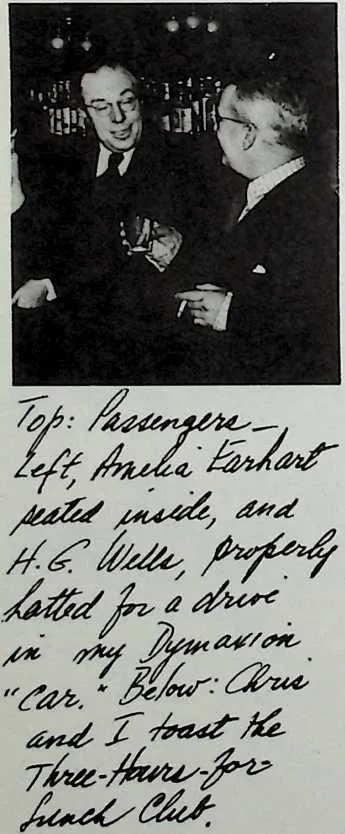
283 You see, I was convinced that Einstein's relativity, deriving from the measurements of the speed of light would ‘‘catalyze a chain reaction ultimately altering altogether the patterning of man's everyday world.’’
284 Then I wrote a chapter in which I said that I could see how a man like that came to formulate his equation. A man with a philosophy like that, who worked in the Swiss patent office for a number of years …If you know anything about patents, when you're writing your claim you have a piece that reviews the state of the art at that time and why what you've invented is an invention—a breakthrough. In Switzerland, the most prominent of all manufacturing and scientific inventions were clocks; and Einstein would then come to one patent after another about timekeeping devices. Each would make clear that there had never been any exact timekeepers and describe why this one might make it more accurate.
285 This made him realize that there was no such thing as exact time. Newton had assumed an absolutely exact time permeating all of universe uniformly. I'm sure this got him to thinking about the phenomenon of time and how and why Newton was wrong. This is typical of the way I reasoned.
286 I then wrote out my interpretation of how Einstein arrived at what he did, everything leading from his cosmic viewpoint and what I knew about his life. So there's two chapters: one on his philosophy and the other on how he came onto it. Then I said that whenever a great scientist makes an original breakthrough, he has to wait a long time before the academy agrees.
287 It takes much longer before it gets into the schoolbooks and begins to affect the kids, and so forth. Then, finally, people begin to invent in terms of, ‘‘This is the way the world really is,’’ and some industry produces something that begins to affect the home environment.
288 So I wrote a third chapter, ‘‘E=MC2=Mrs. Murphy's Horsepower,’’ about what life would be like for Mrs. Murphy if Einstein were proven to be correct. At the time I was writing this, of course, it hadn't been proven yet. So there were these three chapters in the book on Einstein…
289 The only reason I got it published was that Chris Morley was such a friend of mine.
290 He told Frank Henry that he ought to publish my book, and Frank did whatever Chris told him. He was devoted to Chris and felt obligated to him for moving all his books. And so they were going ahead with it. But then it got into the hands of one of the editors who wrote me that he had found three chapters on Einstein; that at that time there were supposed to be only ten people in the world who understood Einstein and that ’’1 looked up the list and you're not on it. I think we'd be a party to charlatanry if we were to publish it.’’
291 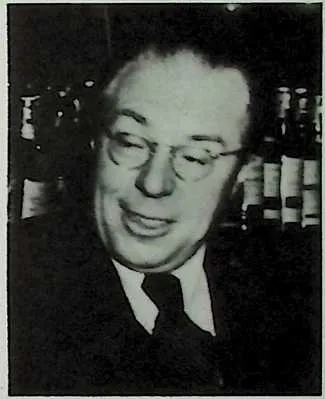 The publishers said who was I
292 —I wasn't one of those handful of legendary scientists who alone could understand Einstein —
293 who was I to link the great man with Mrs. Murphy?
294 So I rashly wrote back and said that Dr. Einstein has come to America, he's in Princeton. Why don't you send him my typescript? But it never occurred to me that Lippincott would do that.
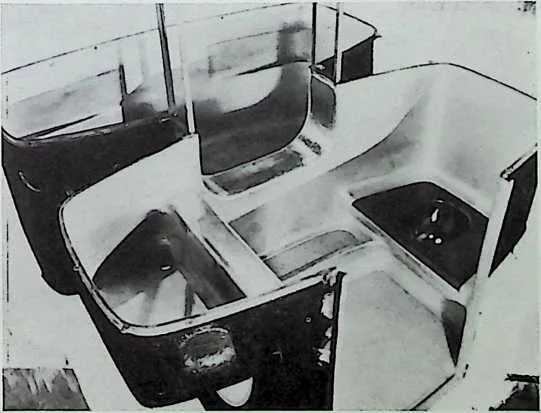
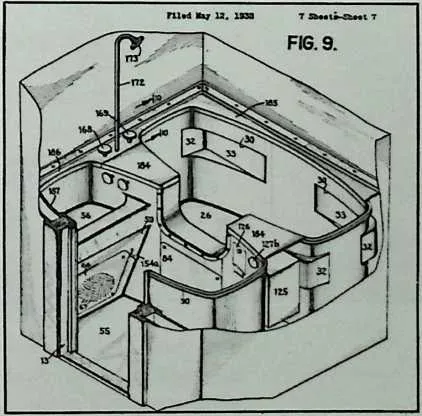
295  About six months later I got a telephone call from a Doctor Fishbein who lived on
Riverside Drive in New York, and he said, ‘‘My friend Dr. Albert Einstein is coming in this
weekend to stay with me and he has your text with him and he'd like to talk to you about it.
Would you be free on Sunday night?’’ And so of course I said, I wouldn't let anything get in the
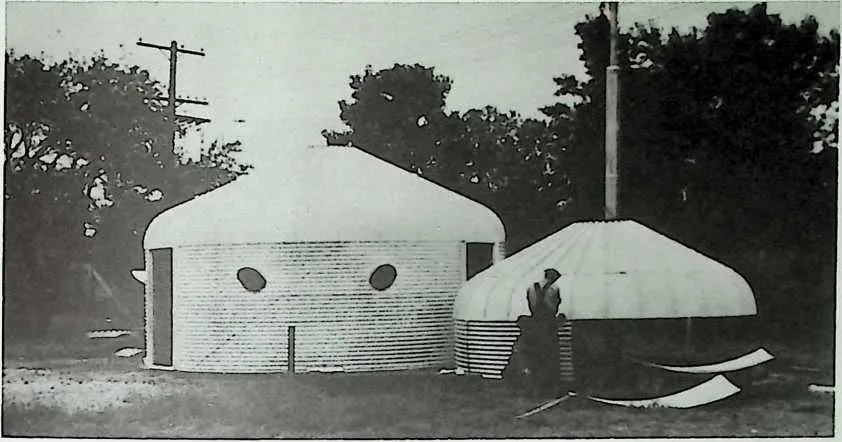
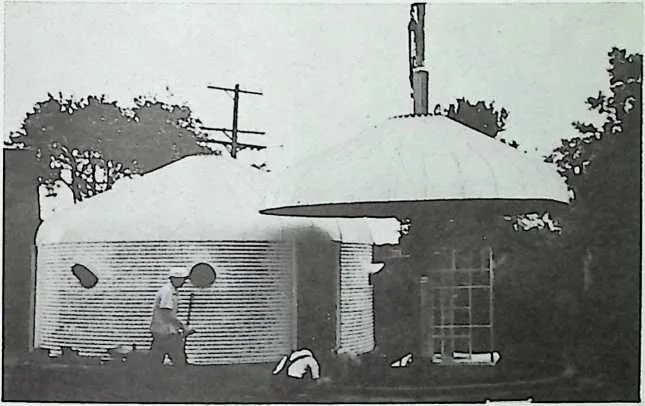
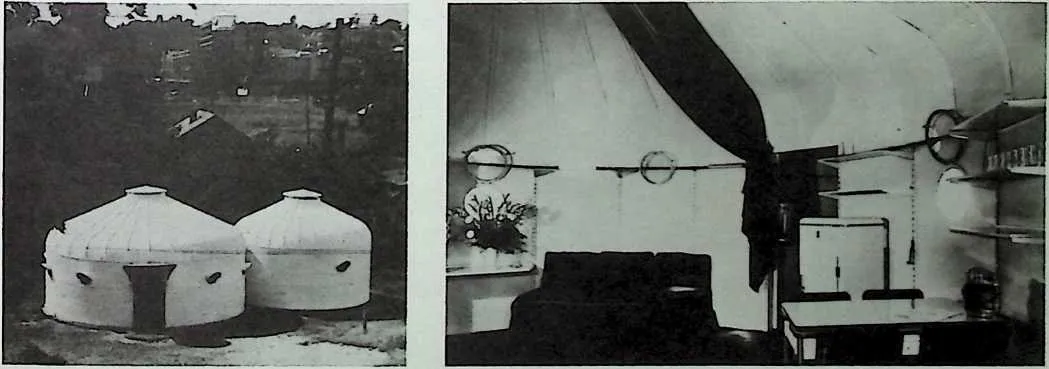
way, and I went to this apartment house.
About six months later I got a telephone call from a Doctor Fishbein who lived on
Riverside Drive in New York, and he said, ‘‘My friend Dr. Albert Einstein is coming in this
weekend to stay with me and he has your text with him and he'd like to talk to you about it.
Would you be free on Sunday night?’’ And so of course I said, I wouldn't let anything get in the
way, and I went to this apartment house.
296 It was a big apartment this man had; a very large living room, like a ball room, and Dr. Einstein was sitting up at the head with a huddle of people around him. I was really extraordinarily moved. He really seemed to have an aura, almost a mystical aura, about him. As soon as I was introduced he got up and took me to the library. There on the desk my text was sitting. He sat down in front of it and I sat on the other side of the desk. He said he had read my typescript and he approved of my explanation of how he had arrived at his conclusions and was going to notify my publishers to that effect. ‘‘But,’’ he then said, ‘‘young man, this chapter on Mrs. Murphy—you amaze me. I cannot myself conceive of anything I have done ever having the slightest practical application.’’ And here I had all this practical application! At any rate, he did notify Lippincott and they did go ahead.
297 Near the end of 1938 Otto Hahn in Germany discovered neutron-induced fission of uranium. Hahn, Germany's outstanding radiochemist, worked since 1907 with Lise Meitner, who was the physicist of the group until she was forced to leave by the Nazis in 1938. He notified her of the discovery in Denmark where she was working with Niels Bohr.
298 Then, when Bohr came to the United States, he discussed the splitting of the uranium atom with Einstein and other American scientists. Some tests were run at Columbia University and they saw that Hahn and Strassman were absolutely right.
299 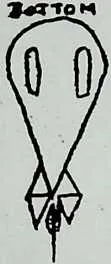 They knew that President Roosevelt wouldn't be interested in any other scientist but
Einstein; that no one else would have enough credit so that if he said, ‘‘This is really
atomic energy,’’ 'cause there'd never been any such thing in the world, he'd be the only
one Franklin Roosevelt would believe. So Einstein did that; and all that's quite well
known. I have a copy of the letter written by Einstein to Roosevelt—it's on my desk in
Philadelphia.
They knew that President Roosevelt wouldn't be interested in any other scientist but
Einstein; that no one else would have enough credit so that if he said, ‘‘This is really
atomic energy,’’ 'cause there'd never been any such thing in the world, he'd be the only
one Franklin Roosevelt would believe. So Einstein did that; and all that's quite well
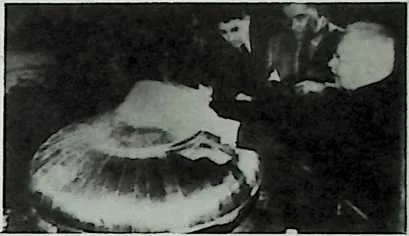
known. I have a copy of the letter written by Einstein to Roosevelt—it's on my desk in
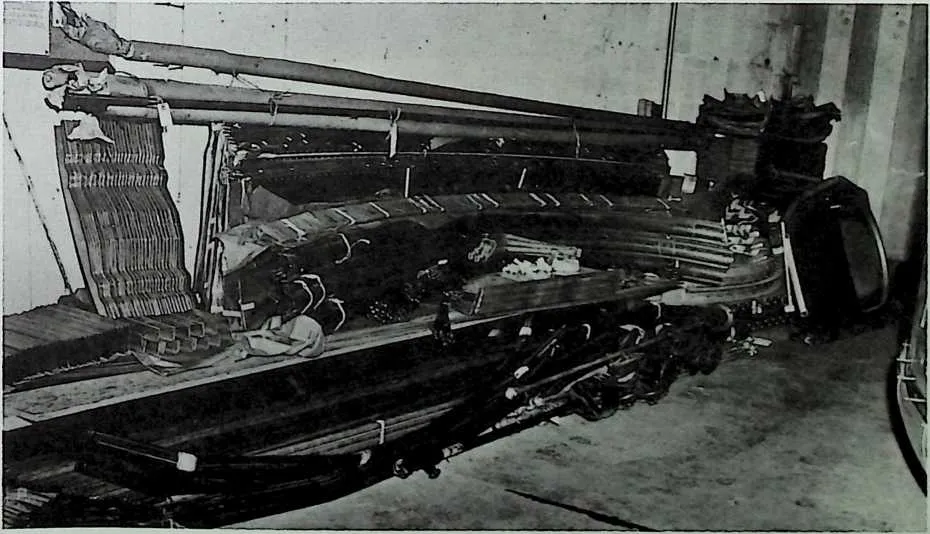
Philadelphia.
300 I'm the only person that heard Einstein say that extraordinary thing—and what he must have felt then! Oh, he also said the only reason he did what he did was that he hoped it would be of use to cosmologists—people that were thinking of the universe in a very big way—he didn't think it would have any practical application. His equation was certainly proven right with the atomic pile and Fermi in Chicago. Then think of its first practical application being Hiroshima, and that really the rest of his life was absolutely blighted.
301 You remember that poem I wrote in the 60's for Saturday Review?
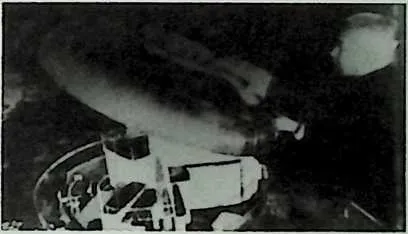
302 Fission verified Einstein's hypothesis:
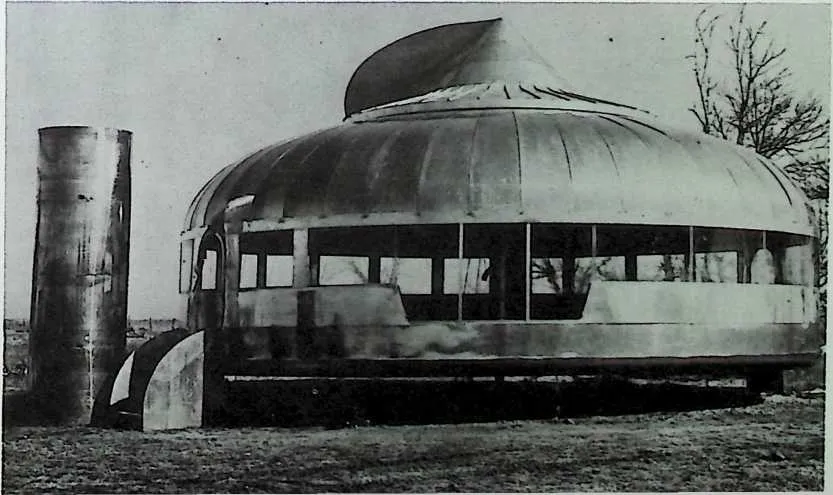
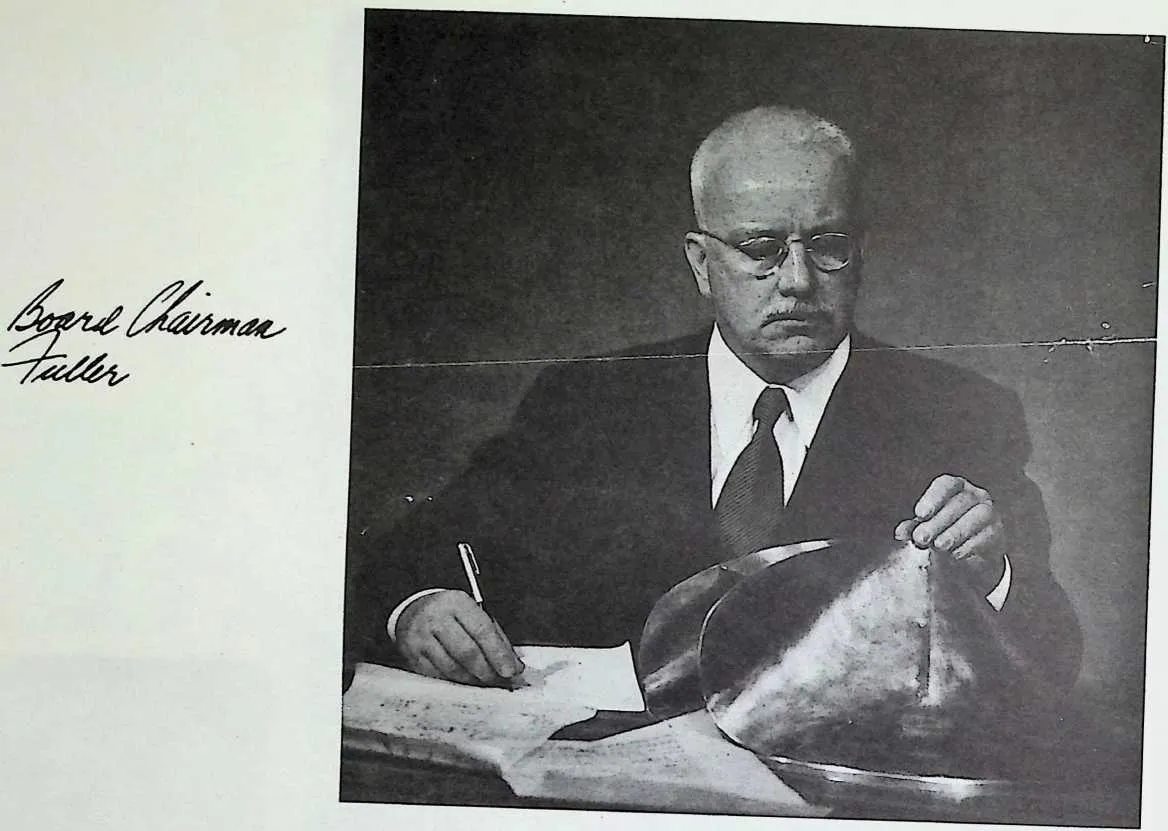
303 Change is normal;
304 Thank you, Albert!
305 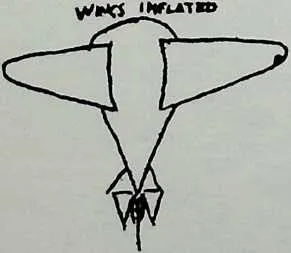
 More and more people were beginning to get excited about my Dymaxion
House. My idea had been air-deliverability of the house with all its autonomous equipment—the
whole thing weighing only three tons—to be in stalled in very remote places without highways or
runways for airplanes. You could set down the Dymaxion House like a bird landing on
a rock someplace, and it could be anchored by cables to keep it from blowing over.
1
More and more people were beginning to get excited about my Dymaxion
House. My idea had been air-deliverability of the house with all its autonomous equipment—the
whole thing weighing only three tons—to be in stalled in very remote places without highways or
runways for airplanes. You could set down the Dymaxion House like a bird landing on
a rock someplace, and it could be anchored by cables to keep it from blowing over.
1
306 So I turned my attention to transport, to developing a vehicle that would take you back and forth from these remote places. And I wanted it to fly the way a duck flies: a duck doesn't soar like a seagull can; it has to flap its wings very rapidly and has jets under each of its wings. The jets give it a little elevation; then, due to shape and elevation, it falls in its preferred direction; so it plummets. It lifts and plummets; lifts and plummets.
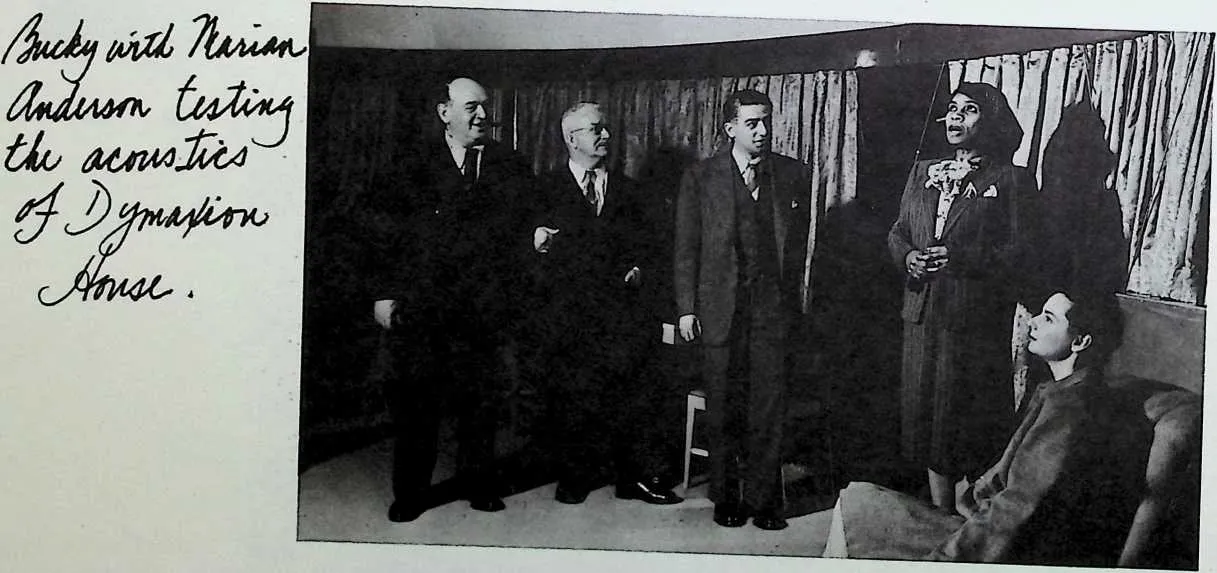
307 I wanted to develop such a flying machine:
308 you'd simply get your elevation and plummet forward, and when you wanted to stop,
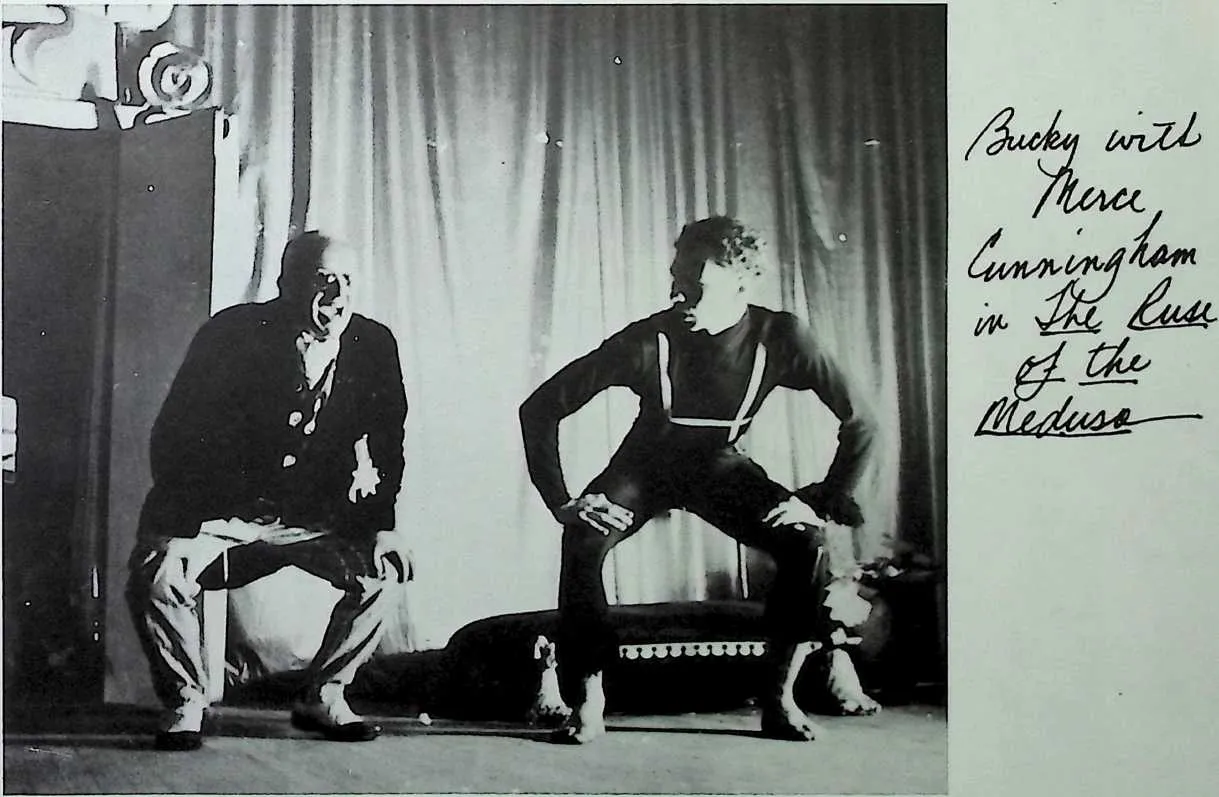
309 you'd stop yourself just the way the duck does.
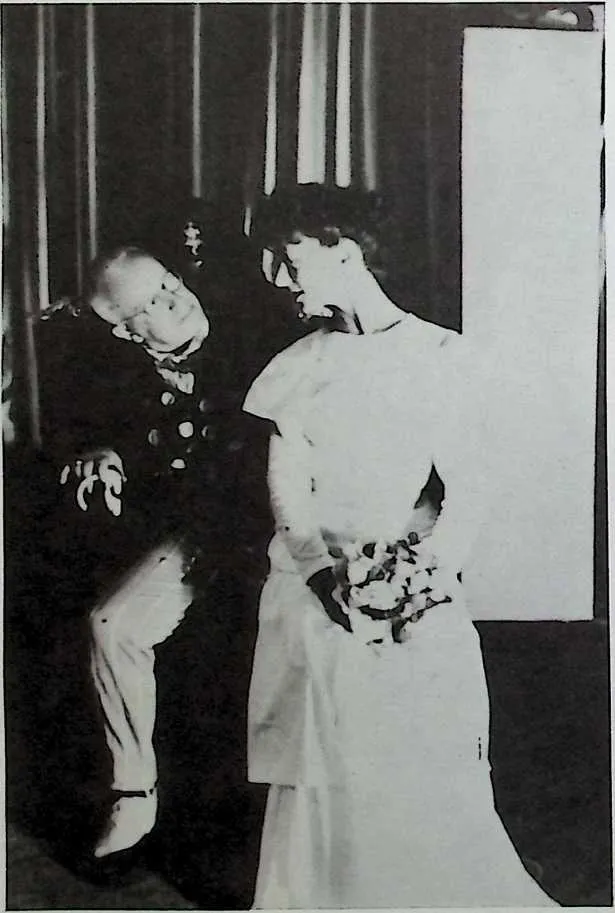
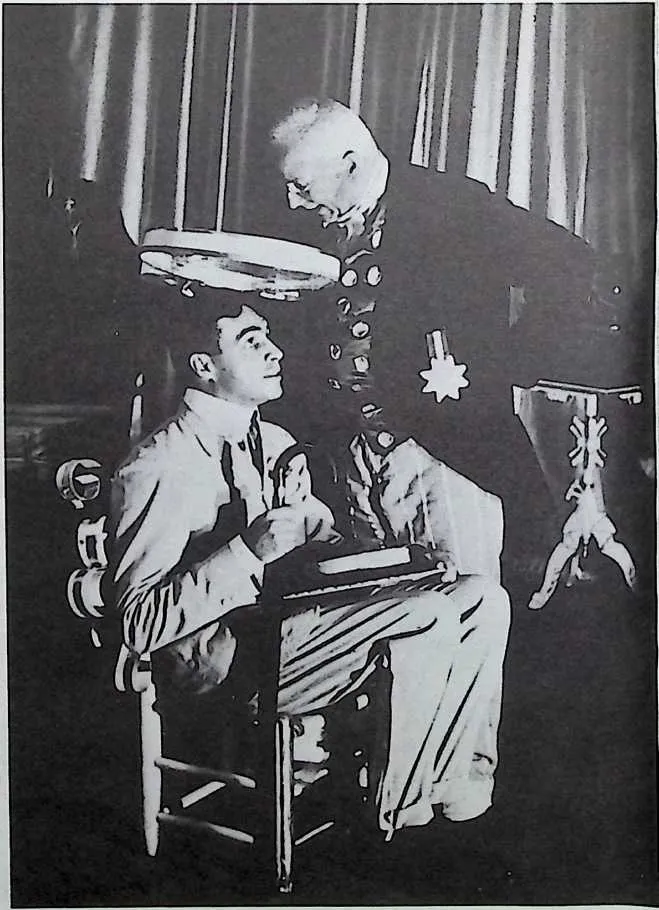
310 I wanted an omni-medium, wingless transport
311 that would go on the ground, in the water, and in the air, with angularly orientable twin-jet stilts.
312 But there weren't any jets at the time, any more than there were helicopters that could air-deliver the Dymaxion House itself.
314 So in 1933, with the little money I had from lecturing and from Shelter magazine in cash in my pocket, I went to Bridgeport, Connecticut, where I rented a little factory to explore and develop the ground-taxiing qualities of such a Dymaxion transport. Noguchi made the plaster models under my instruction.
317 I was lucky to get Starling Burgess as my chief engineer, one of the world's finest airplane designers and leading designer of racing yachts. He had to complete a design for a new yacht, so we made a deal: I helped him with that and he helped me produce the first of the Dymaxion transports.
318 It had a streamlined belly, front-wheel traction, driving the wheels on the ground just near where the jets would come out when it was in the air;
319 and it steered with a third wheel at its tail, the way a fish or bird or a boat or airplane must steer.
320 A front-steered car with the king pins could only steer up to a 34-degree angle, whereas I could turn my rudder post so I could give it 90-degrees rudder if I wanted to. I could even reverse myself, make a 180-degree turn, hooking the inboard front wheel on the turn, making it circle on only one foot. No motorcycle or anything like it can do that.
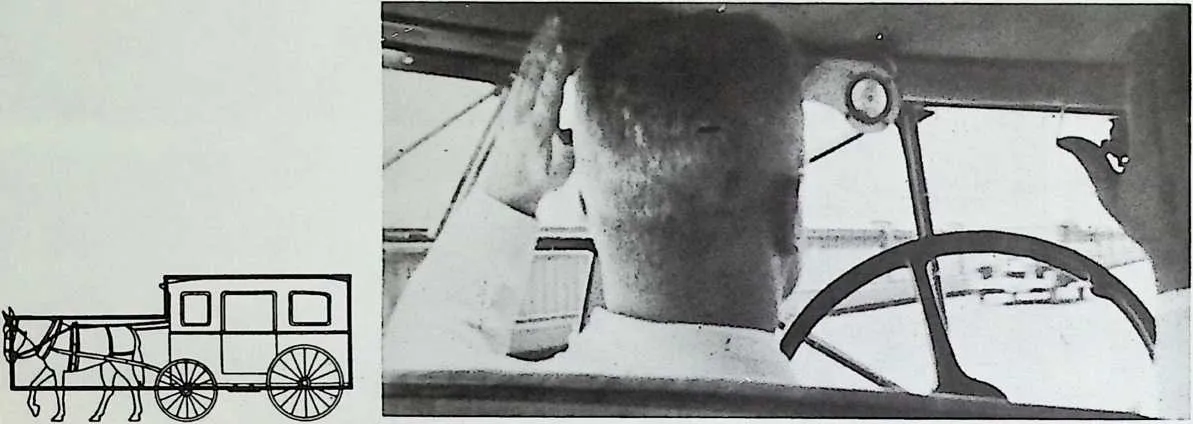
323 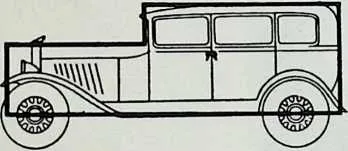 It was so extraordinarily stable. The center of gravity was very, very low. It was the first
vehicle that ever had its center of gravity brought forward to the midpoint of the
wheelbase.
It was so extraordinarily stable. The center of gravity was very, very low. It was the first
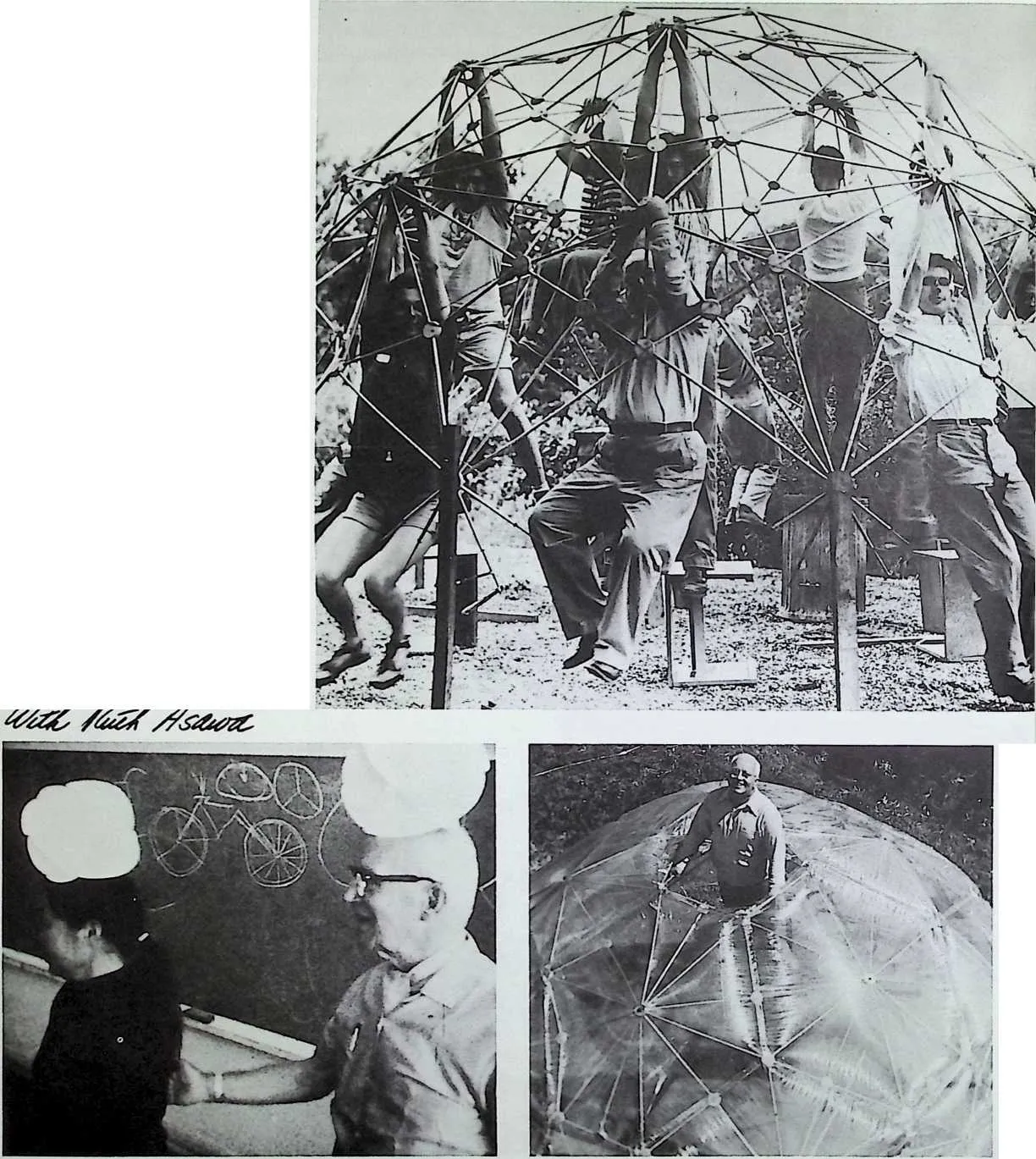
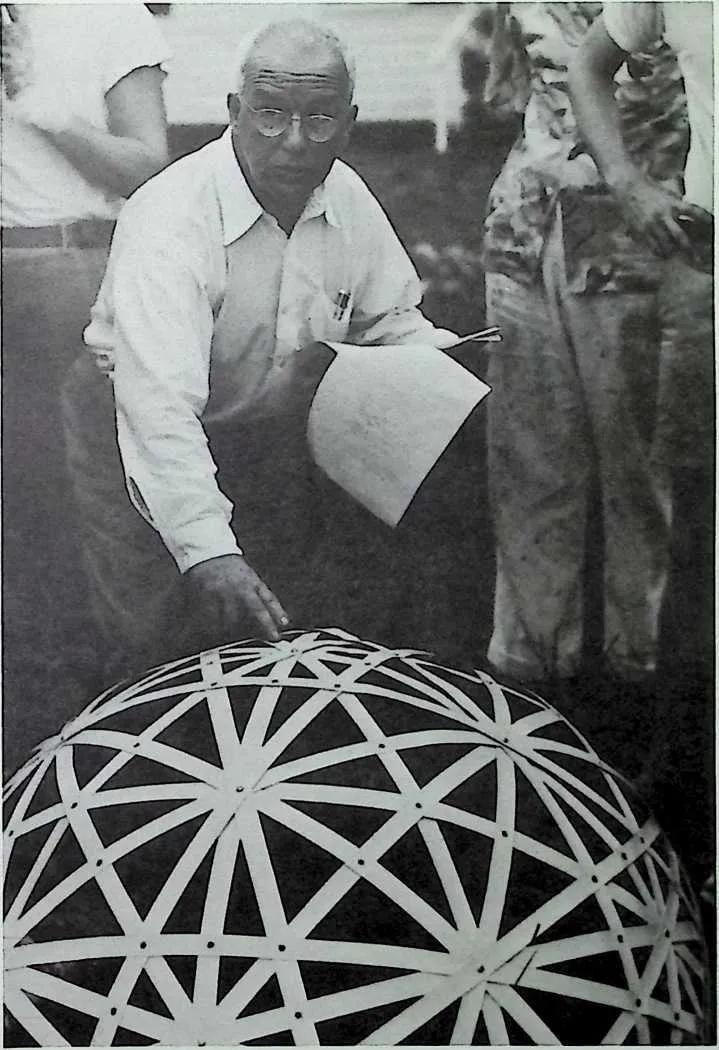
vehicle that ever had its center of gravity brought forward to the midpoint of the
wheelbase.
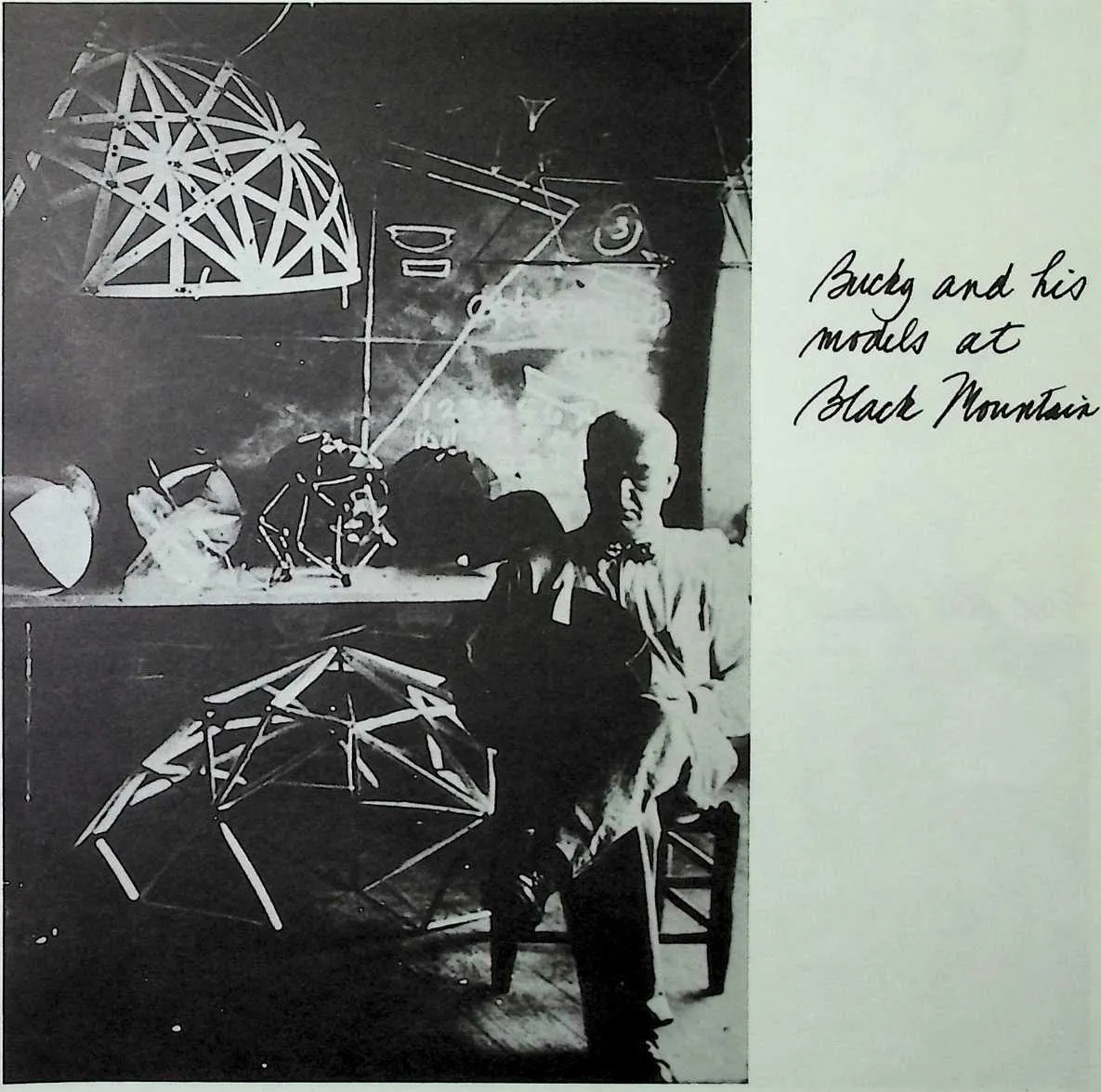
324 Henry Ford had given me a 70 percent discount on all the equipment I could use, and with his then brand-new V-8 engine, we finally got the 90 horsepower engine to do 120 mph.
325 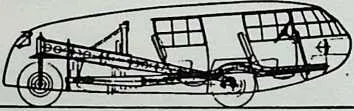 I made two more cars after that, three in all, between '33 and '35—all with three wheels,
rear engines and streamlined.
I made two more cars after that, three in all, between '33 and '35—all with three wheels,
rear engines and streamlined.
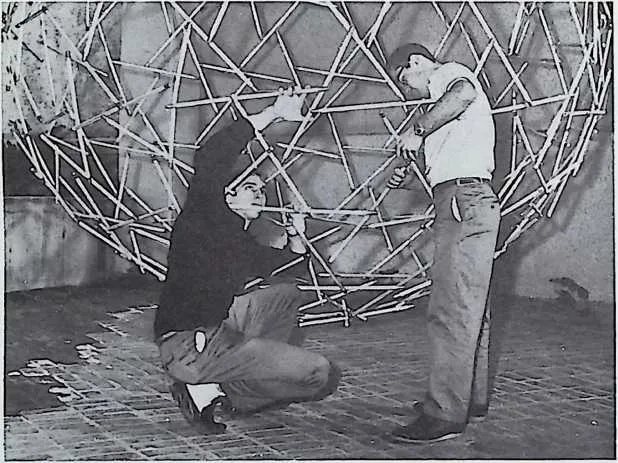
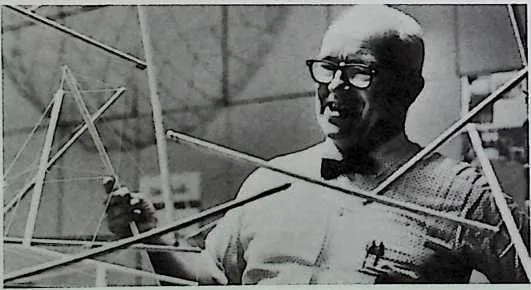
326 It proved to be a very good vehicle, with very high efficiency, seating eleven
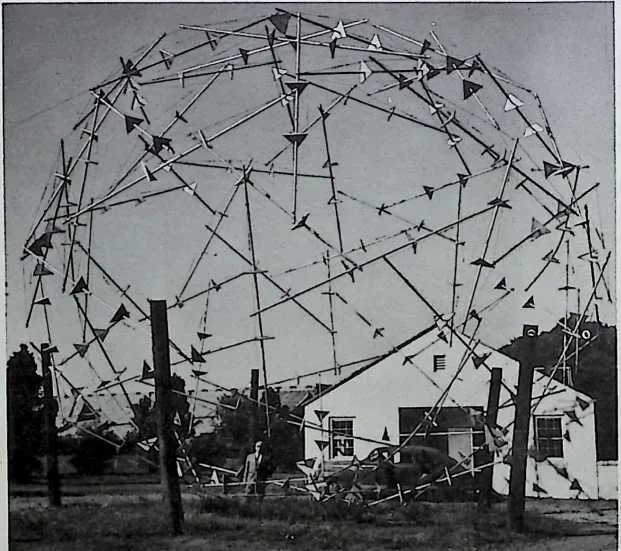
327 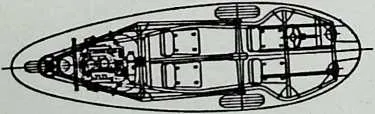 passengers and averaging 22 miles to the gallon; sometimes I got as much as 30 miles.
And because it was steered from the rear, when I wanted to park in a space just the length of my
car, I would simply bring my nose into the curb and throw my rear wheels sideways, and she
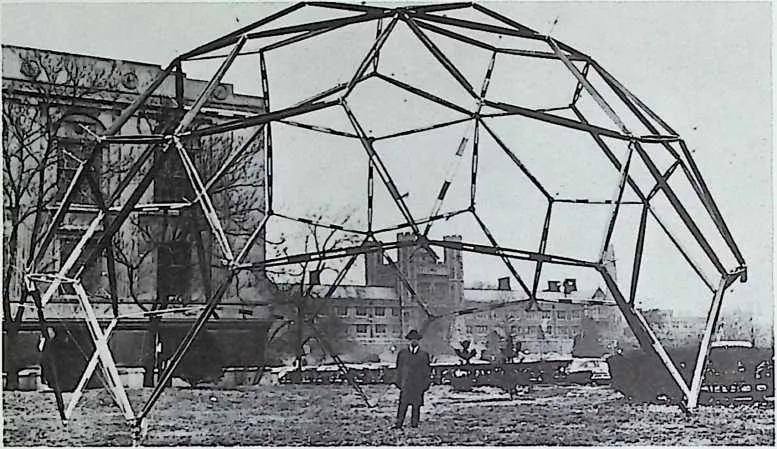
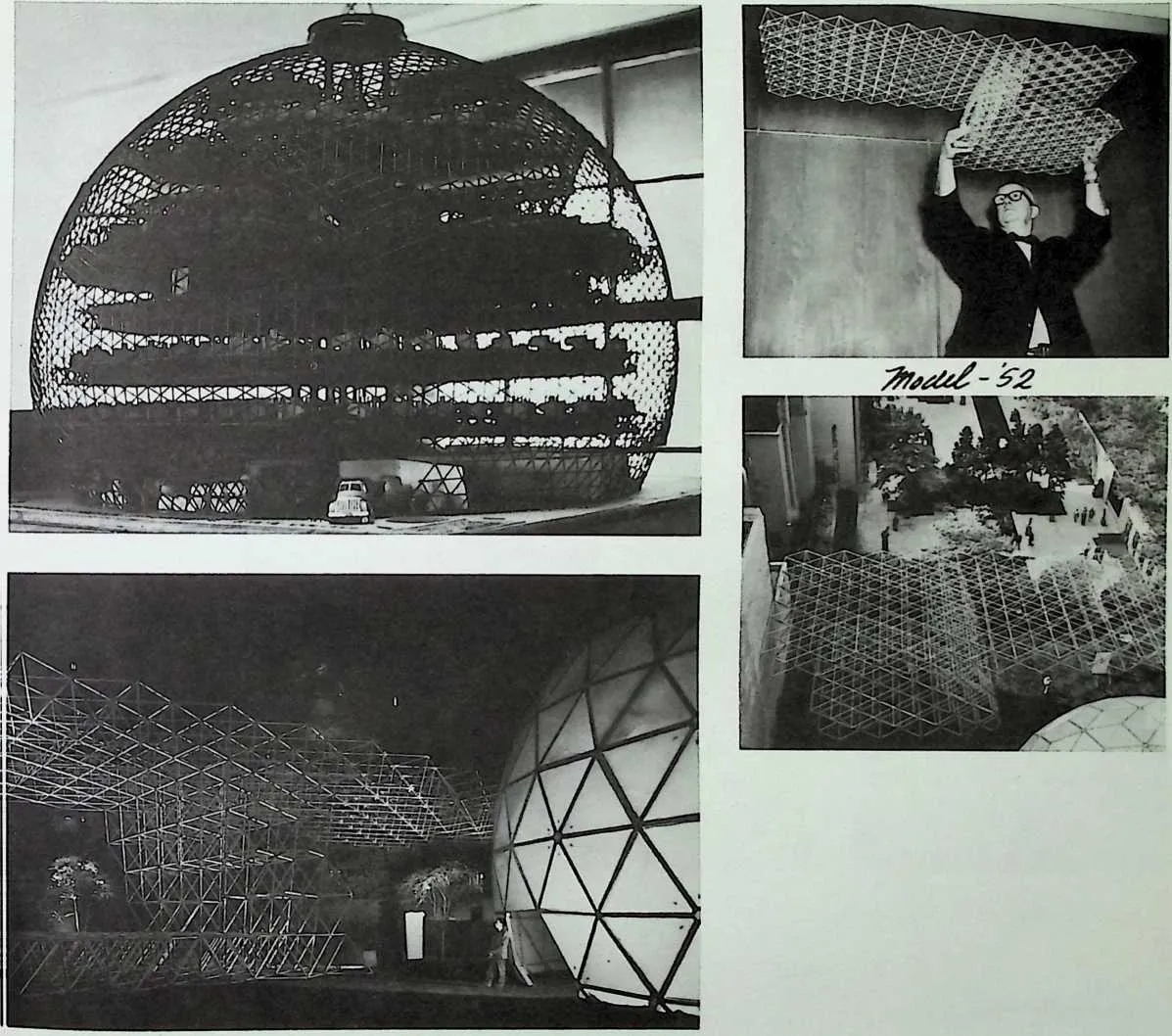
went right in—flop—like that.
passengers and averaging 22 miles to the gallon; sometimes I got as much as 30 miles.
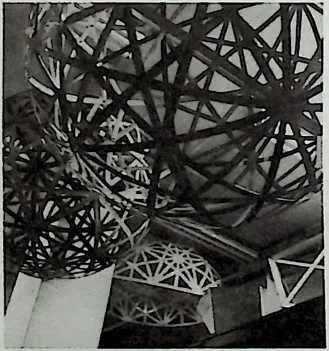
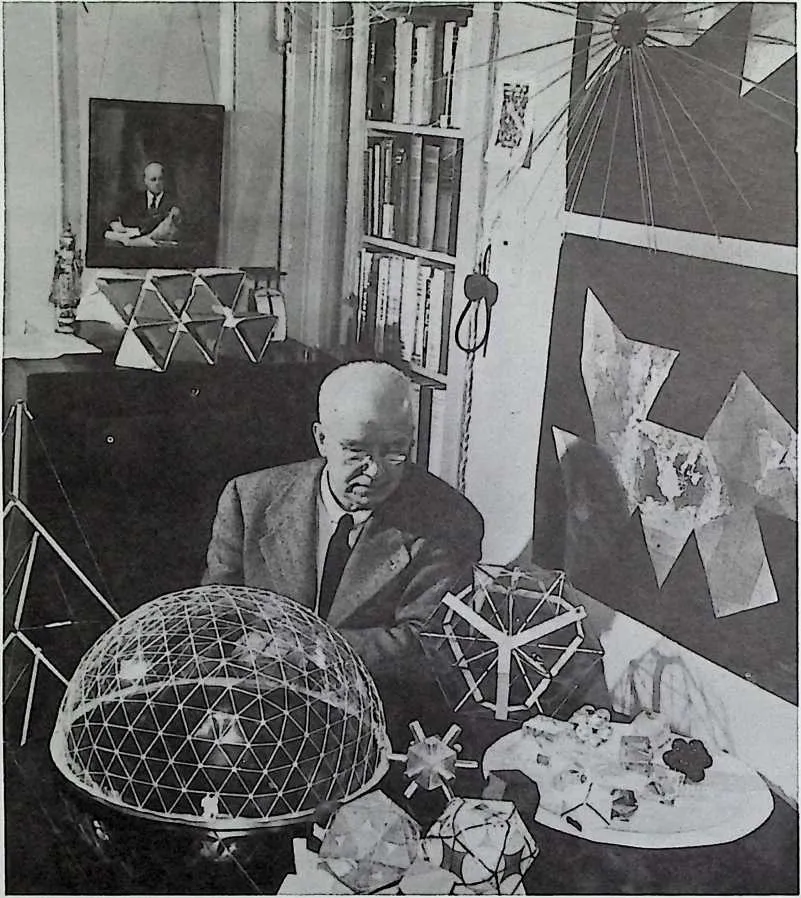
And because it was steered from the rear, when I wanted to park in a space just the length of my
car, I would simply bring my nose into the curb and throw my rear wheels sideways, and she
went right in—flop—like that.
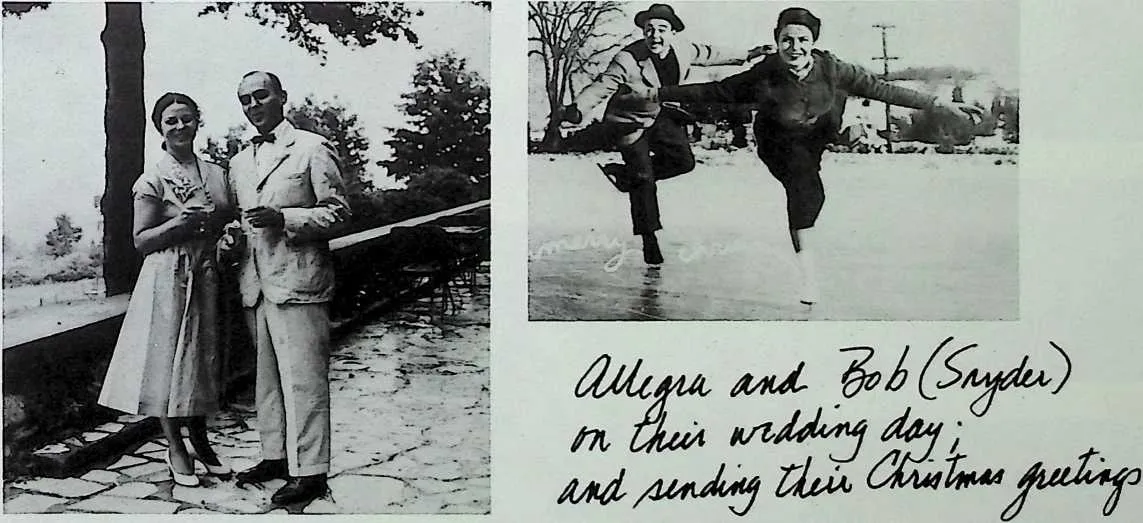
328 I knew people would call it an automobile, but it wasn't designed to be just an automobile.
329 It was designed, as I said, to become an omnimedium, wingless, flying device with angularly orientable twin-jet stilts—like the jets coming out from beneath the wings of a duck.
331 It was when I had my Dymaxion car that I met Frank Morley, who was in the publishing business and had a house here and in England, and his brothers, Chris and Felix; all three were Rhodes scholars. I became part of the Three-Hours-for-Lunch Club that Chris and Don Marquis had started. Don was the author of archy and mehitabel.
332 Frank came over from England with his friend, E. V. Lucas of Punch. E. V. Lucas wanted to see my Dymaxion car which he'd heard about, so I took him out for rides. He loved it. Then Frank came over with H. G. Wells and Wells wanted to ride in the car; so we did.
333 And I drove both of those men all over greater New York, coming up, say, on Fifth Avenue—with a policeman on every corner. At any rate, whenever we were stopped people immediately ran from both curbs and surrounded the car. She drew incredible crowds.
334 The same thing happened when we went down to Wall Street. We got there at noontime, and the crowd filled up the streets to such an extent that the police wouldn't let me go below Canal Street after that. They said we can't have these unhandlable crowds! And whenever I'd get out of the car, leave it at the curb, and come out again—and nobody knew who I was—they wouldn't let me get into my own car and resented my taking it away.
335 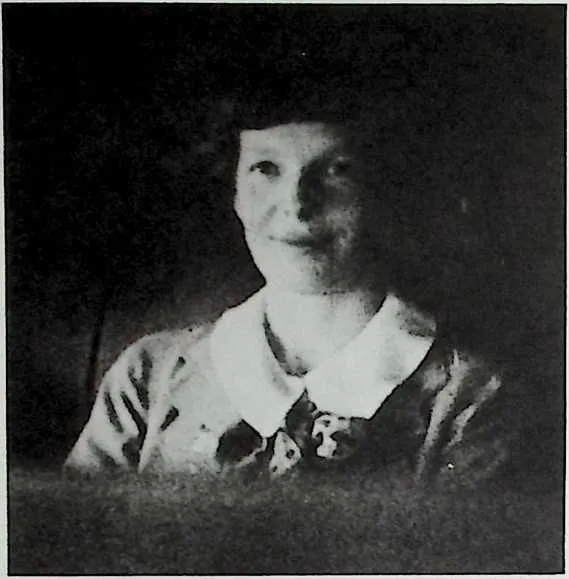
 At any rate, Wells was riding around New York with me and the windows were
just plastered with faces looking in. Nobody recognized him at all; in England he was used to
being recognized and he'd say, ‘‘It's quite amazing to find myself here and nobody pays the
slightest bit of attention to you or me. They act as if it's their car, as if the car belongs to
them.’’
At any rate, Wells was riding around New York with me and the windows were
just plastered with faces looking in. Nobody recognized him at all; in England he was used to
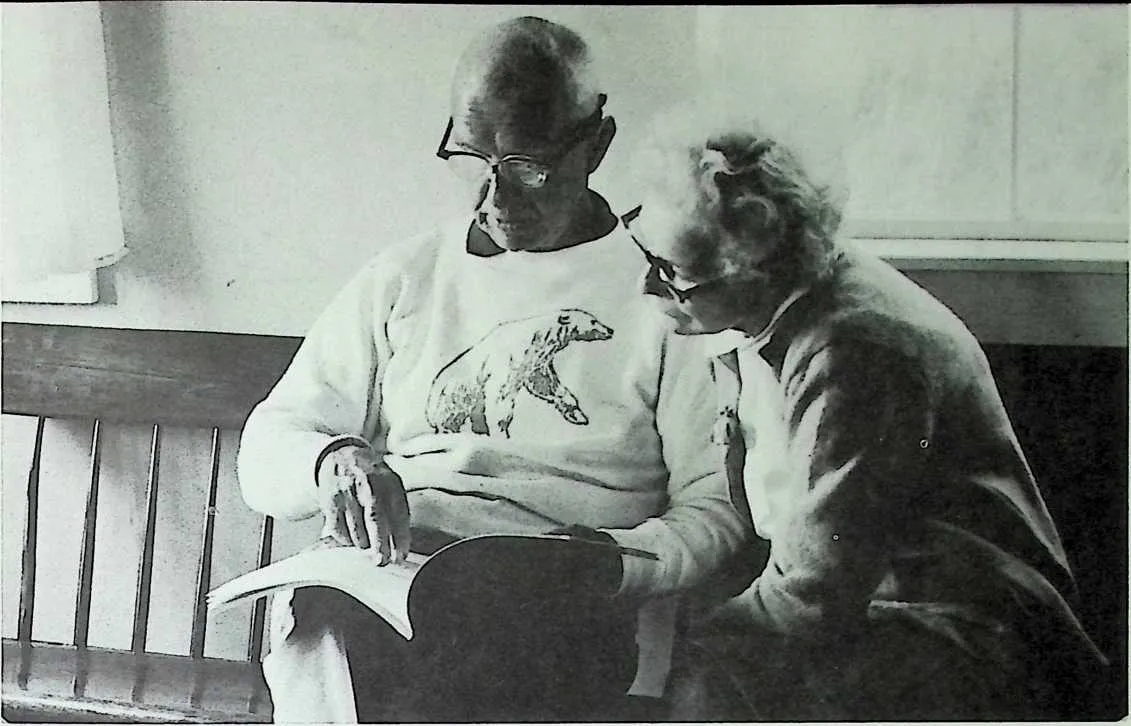
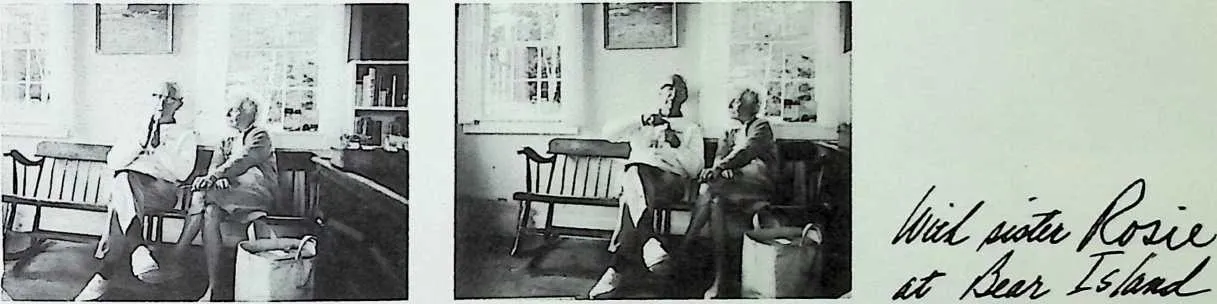
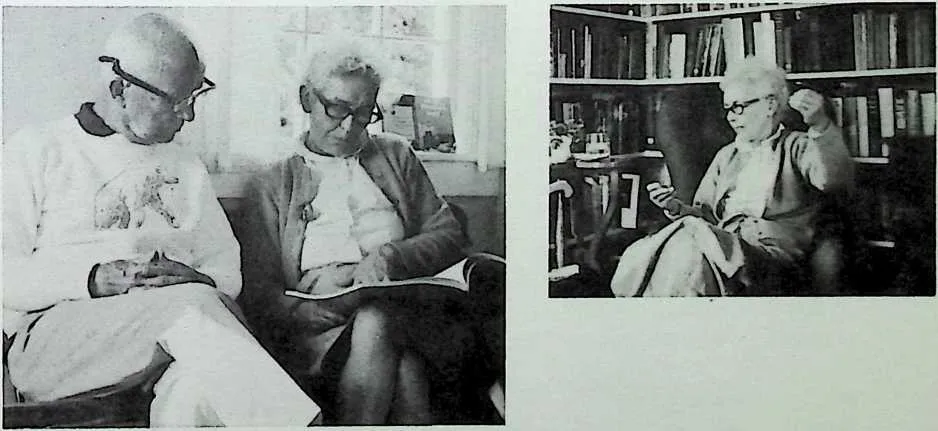
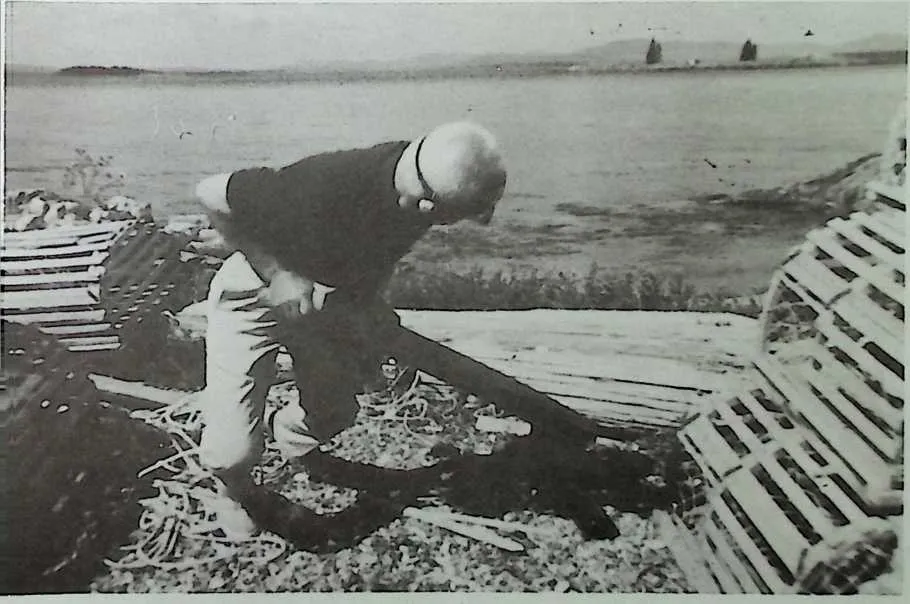
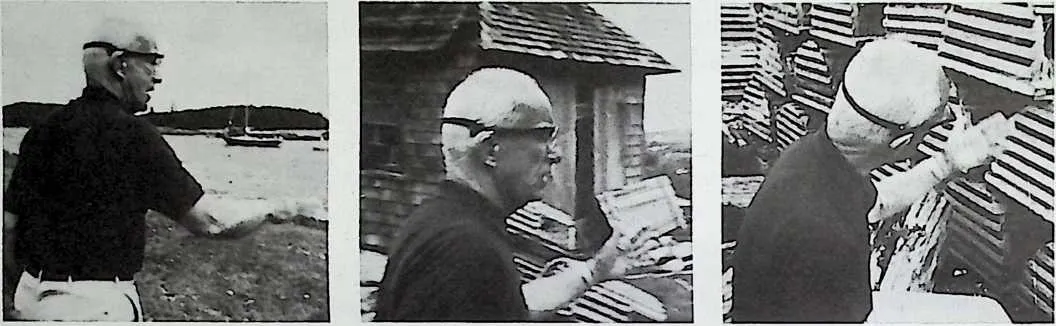
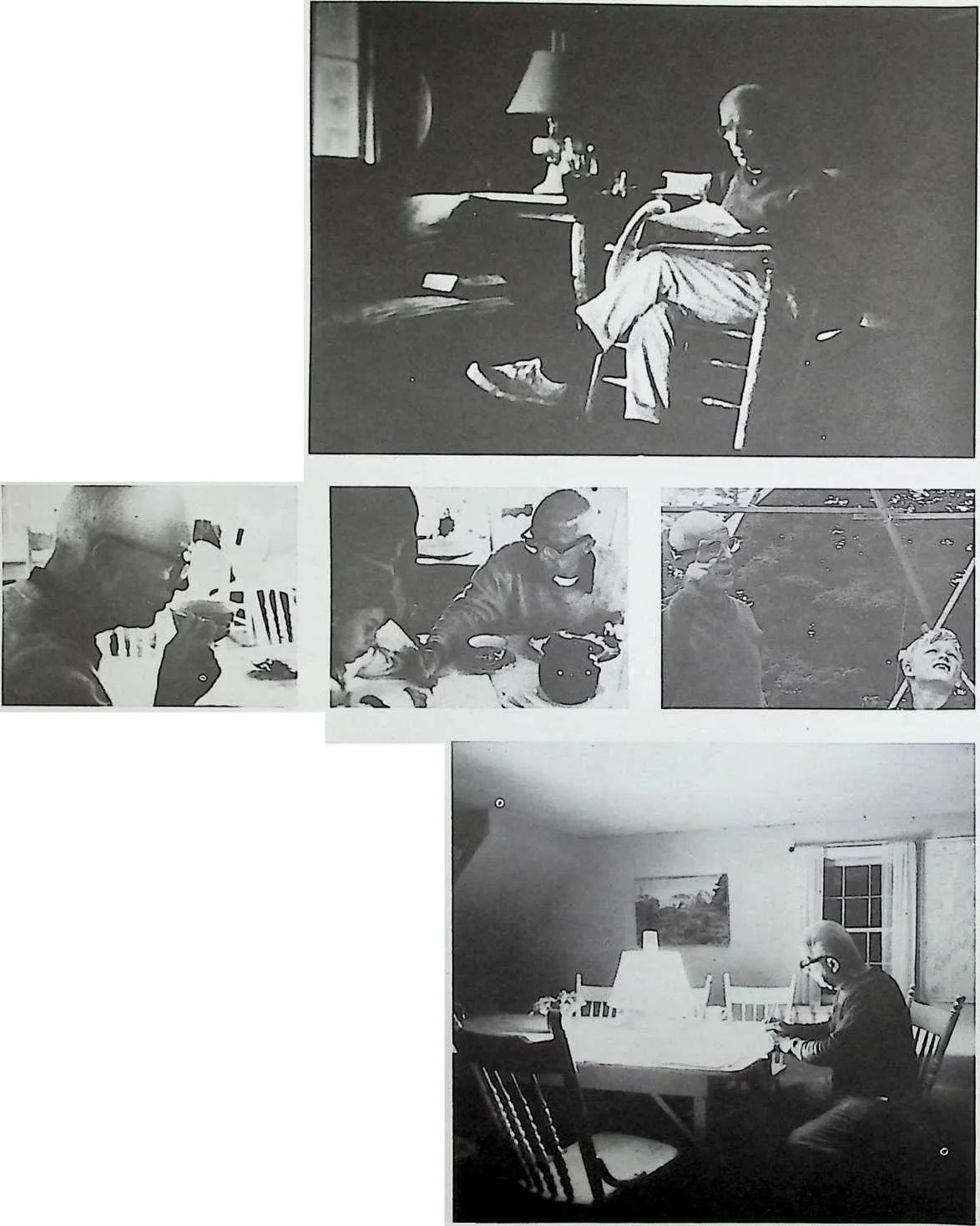
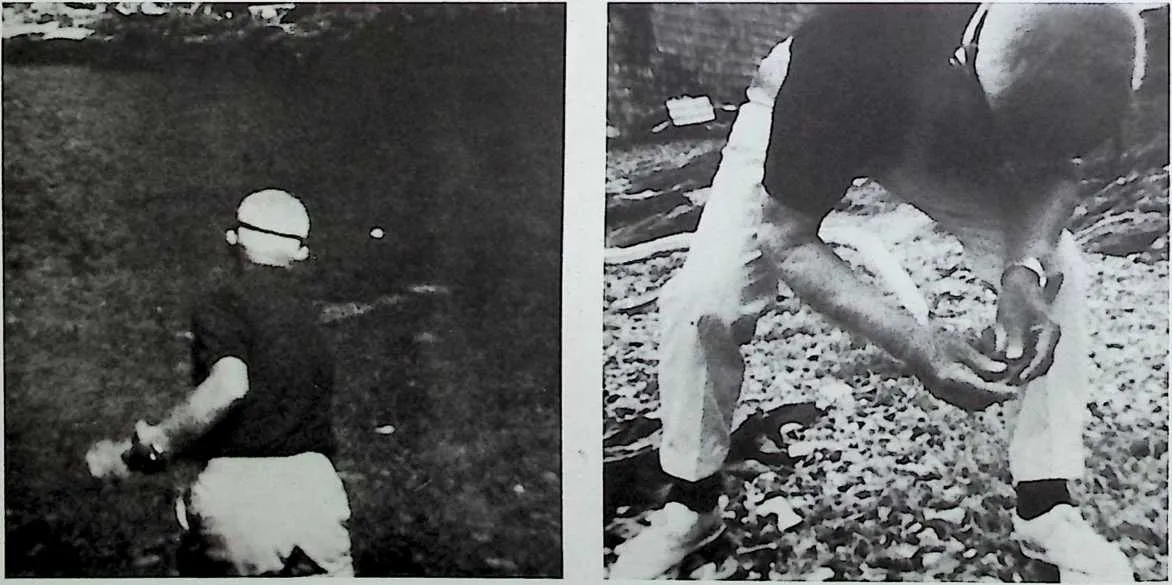
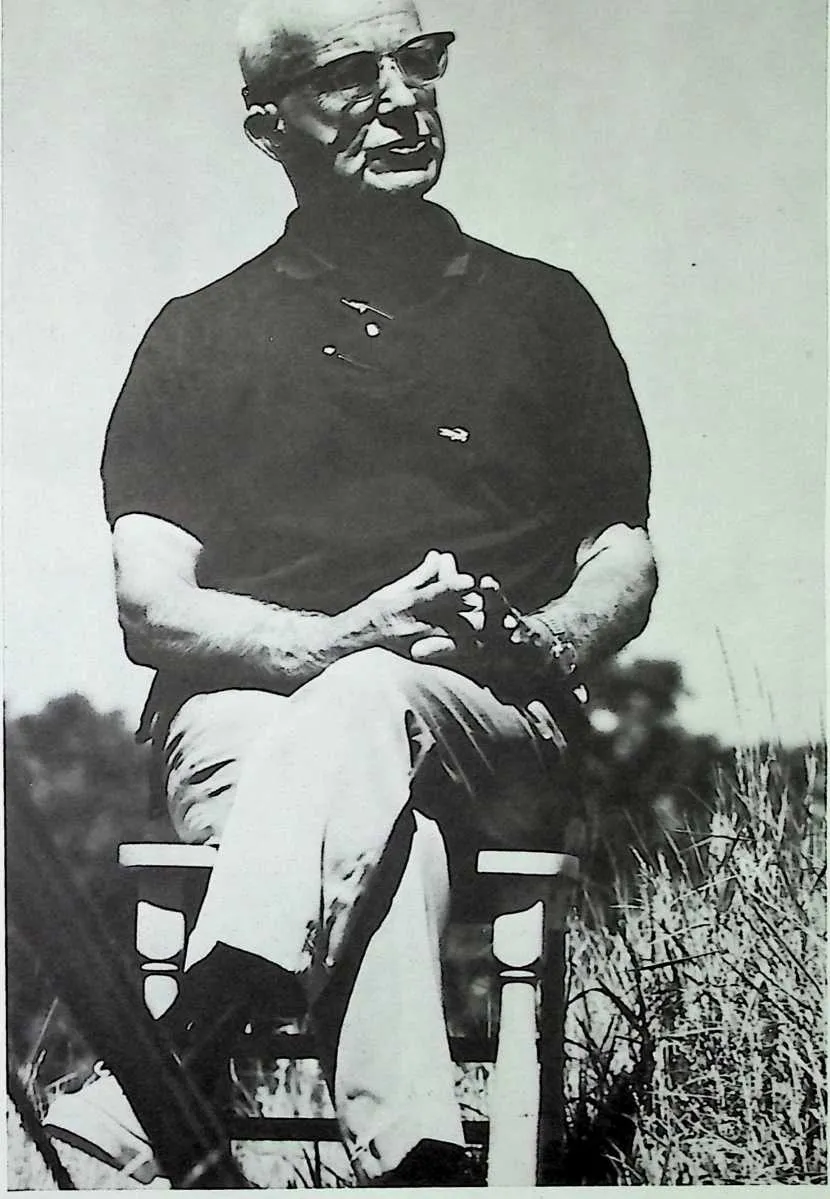
being recognized and he'd say, ‘‘It's quite amazing to find myself here and nobody pays the
slightest bit of attention to you or me. They act as if it's their car, as if the car belongs to
them.’’
336 On account of that, the cars in his The Shape of Things to Come were very much like the Dymaxion car.
337 Wells was staying at one of the fancy men's clubs—I think it was the Brook Club—and he asked me up there. By this time, d'ye see, I'd been drinking again, and I'm having drinks at the Brook Club and he's saying, in his British accent, ‘‘1 don't like to boast, y'know, but I subscribe to Fortune magazine, and I read about your Dymaxion House this spring in an article by Archibald MacLeish. So I'm very familiar with your work.’’
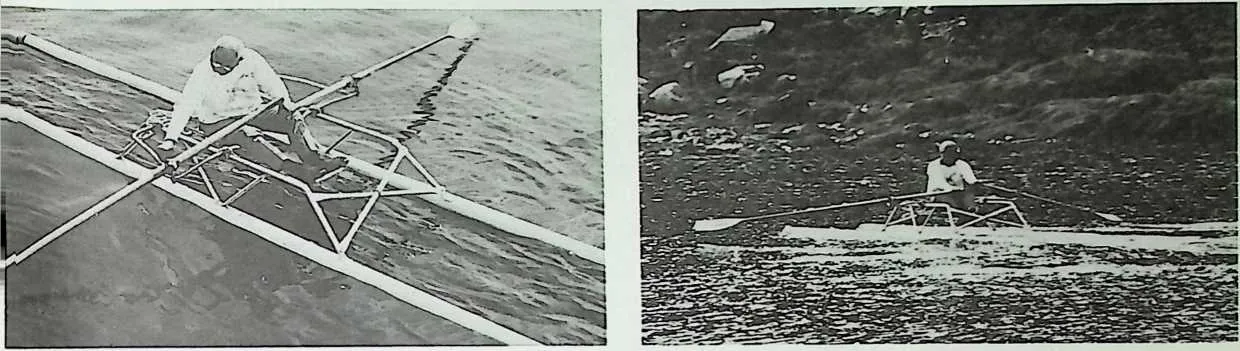
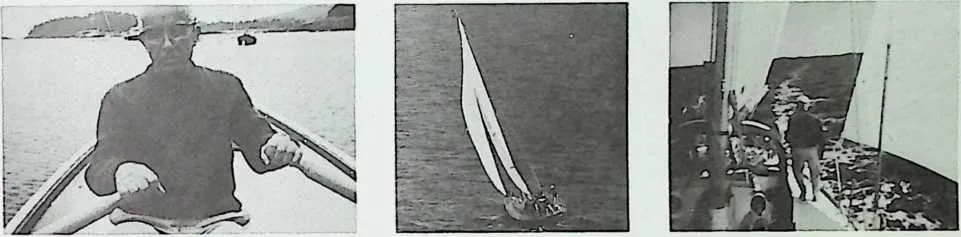
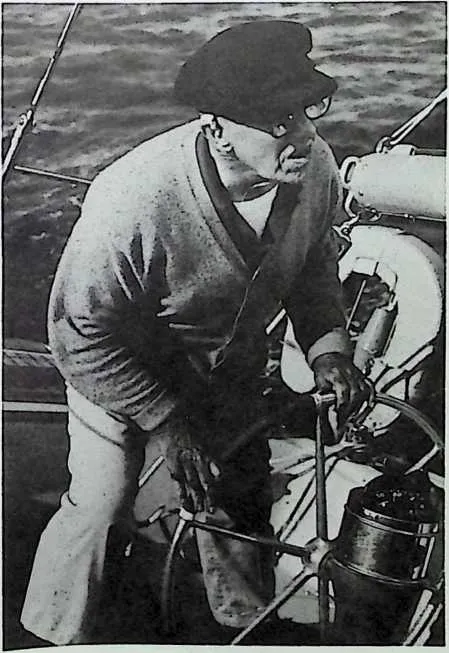
338 All this opened up my adventures with Chris Morley and the Three-Hours-for-Lunch Club with Don Marquis and so many other really wonderful people who were members of the club.
339 Chris wrote a book dedicated to me called Streamlines [Mor36] that has the car as the main feature. His dedication in that is one of the nicest things ever written about me.
340 ‘‘For Buckminster Fuller, scientific idealist,
341 whose innovations proceed not just from technical dexterity, but from an organic vision of life.’’
342 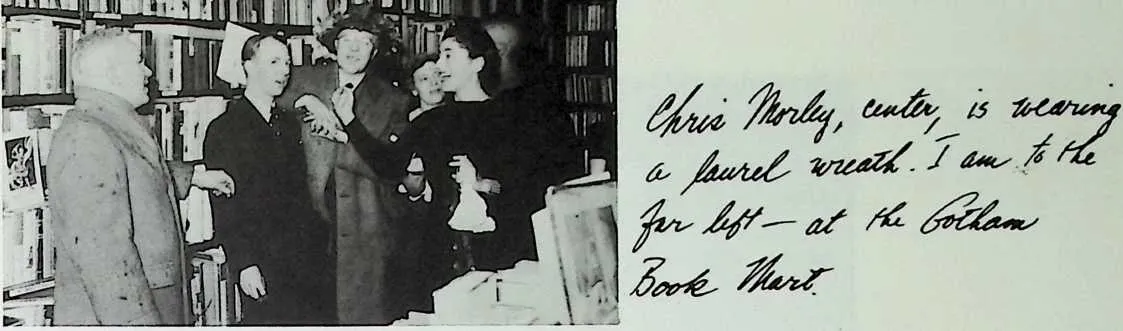 In 1936 I was asked to go into research at Phelps Dodge, the third largest copper
company in the world. They wanted to know what I saw as the future of the copper industry. I
had access to the great world copper cartel. For the first time, I was able to go around and
gather information from big international corporations and enlarge my inventory of
resources which I now named, Inventory of World Resources, Human Trends, and Human
Needs.
In 1936 I was asked to go into research at Phelps Dodge, the third largest copper
company in the world. They wanted to know what I saw as the future of the copper industry. I
had access to the great world copper cartel. For the first time, I was able to go around and
gather information from big international corporations and enlarge my inventory of
resources which I now named, Inventory of World Resources, Human Trends, and Human
Needs.
343 They also gave me the chance to make a prototype of my Dymaxion bathroom. In 1930 I had developed a full-size model of a bathroom-kitchen, back to back, for my Dymaxion House where I manifolded their plumbing hook-up—a method used today in almost all housing developments. In those days, I had not only been amazed at the crudeness of the building technology which was at exactly the opposite pole from that being put into weaponry, but I was also shocked to discover that no scientist had ever looked at the plumbing.
344 
 The Dymaxion bathroom is the solution to the place we all go to
bathe and to wash and to take care of the human processes. I was able to do a whole
bathroom, including what we call manifold plumbing, all reassembled and everything, the
manifold of wiring and the manifold of air conditioning—and it all weighed only 450
pounds.
The Dymaxion bathroom is the solution to the place we all go to
bathe and to wash and to take care of the human processes. I was able to do a whole
bathroom, including what we call manifold plumbing, all reassembled and everything, the
manifold of wiring and the manifold of air conditioning—and it all weighed only 450
pounds.
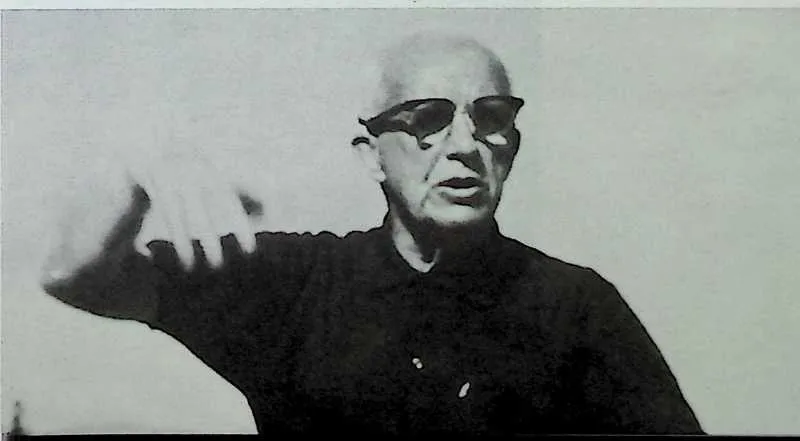
345 As usual, in 1972 a community leader told me there was a new industry coming to his city, ‘‘Mass-produced bathrooms!’’ I said, ‘‘They're right on time—I designed the first one forty-five years ago.’’
346 From Phelps Dodge I went over to Fortune magazine as science and technology consultant; and for the magazine's tenth anniversary in 1940, I persuaded them to do a study of the world's total resources. That issue went into three printings, and I was able to bring it and my information up to date.
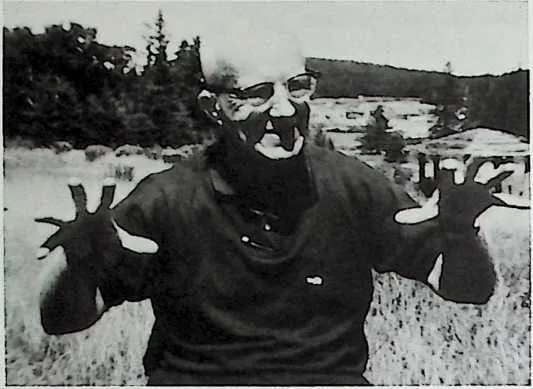
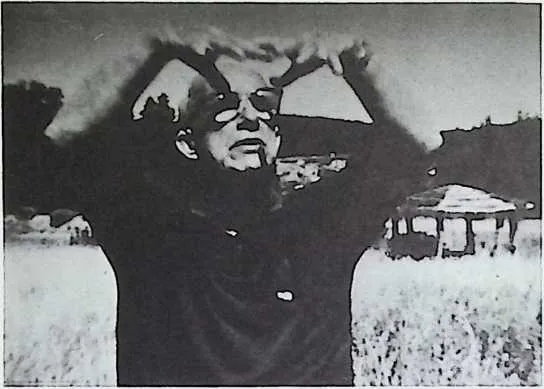
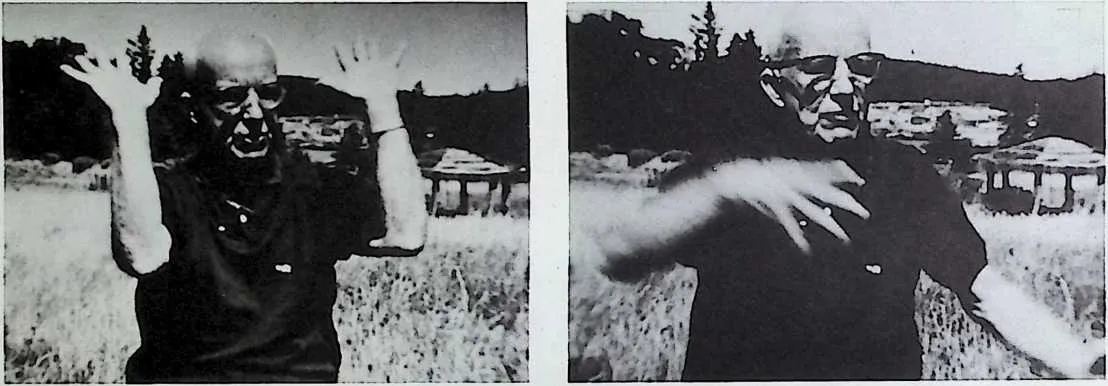
347 In the summer of 1940, Chris Morley and I were driving through Missouri —Hannibal, Missouri, where Mark Twain lived—and I noticed in the wheat fields, a row of glistening, galvanized, corrugated-steel grain bins. I told Chris that there was the most efficient engineering unit for a small prefabri ated house now on inventory in mass-production industry.
348 ‘‘That grain bin would provide enough room to house a small family at a cost of less than $1 per square foot of floor space with fireproof construction,’’ I said, ‘‘and that's 80 percent below construction costs in the building industry. Those bins could easily be converted to dwelling machines.’’ But I was broke of course, and couldn't do anything about it.
349 Soon afterward Kitty Foyle became a great success and Chris said, ‘‘Bucky, Kitty wants you to go out and see the Butler grain-bin people, and get that thing going.’’ So I whipped out the basic plans for the Dymaxion Deploy ment Unit and took them on a flyer to Kansas City with Chris putting up the money for the trip. But he put up something no money can buy—a backing of creative enthusiasm, a confidence and joy in individual initiative, amuse ment over the paradoxes of adversity, and complete submission to what Chris spoke of at Don Marquis's funeral as ‘‘the Holiest Ghost we shall ever know: creative imagination.’’
350 The converted bins were an instant success: the Army Signal Corps and Air Corps were able to have the first radar operating huts, light enough to be flown and simple enough to be speedily assembled, in very remote places. Hundreds saw service in the Pacific Islands during the war; hundreds were pirated by the Saudi Arabians for use in the Persian Gulf. The Museum of Modern Art set up one unit as a special exhibit in its garden; and I donated one unit to Bennington College. I think years after, Louis Horst, Martha Graham's mentor and music adviser lived in it. At any rate, with the wartime restriction on the use of steel, the supply officials decided that the unit, used only as a dwelling, was of low priority.
351 In the end, it was there, at the Butler Company in Kansas City, that I decided to quit drinking. By this time…I was, older…It was 1940--41. World War II was coming on. Charles Edison, Edison's son, was Secretary of the Navy, and he liked me very much and asked me to come down and talk to all the admirals about my inventions.
355356I found that when I talked about an invention and I had been drinking, they'd say, ‘‘This guy is plastered.’’ I found that in order to gain credibility I would have to give up drinking. So, chop! And it really was a great relief.
357 Then I was appointed head of mechanical engineering-on the Board of Eco nomic Warfare. I was responsible for studying all world economic re sources. Once again I was able to enlarge my resource data enormously.
358 I just want you to realize that the kind of resource information I have isn't duplicated anywhere—not in the Kremlin or the White House or the Penta gon—I'm very confident of that.
360 It wasn't until 1944 that I was able to develop the first actual Dymaxion House with the Beech Aircraft Company in Wichita, Kansas. You see, late in the war the aircraft industry was in great trouble due to labor shortages: the workers did not feel that there was any post-war future for the industry after the war, and began quitting their jobs to go to some other job during the war that would have a better future.
361 Then some labor officials, such as Walter Reuther of the U.A.W. and Harvey Brown, president of the International Association of Machinists, the War Manpower Commission, etc., remembered that I had developed the Dymaxion House which could be produced in the aircraft industry—that, in fact, could only be produced there. They asked me about it.
362 I said it could do two things: provide an immediate solution to the looming postwar housing shortage, and it might provide permanent employment in the aircraft field—because there is no basic difference between the fabricating of aluminum parts for the Dymaxion House and for the fuselages of the most advanced B~29 aircraft.
363 They arranged a meeting for me with Beech Aircraft in Wichita, Kansas; and it was agreed that I could come in, have access to the tools and top en gineers and mechanics in a going aircraft plant on a cost basis, without any capital investment.
364 So I resigned my government post and moved to Wichita.
365 And I began to develop drawings and specifications for the new Dymaxion dwelling machine.
366 We did produce it—between 1944 and '46—after going through some progressive prototypes, cleaning up many of my thoughts over the years since 1927, before it was finally shown to the public.
367 It wasn't built by hand
368 but on production machinery at the aircraft plant,
369 and with the aircraft industry's extraordinary structural capabilities, of aircraft materials with aircraft tools.
370 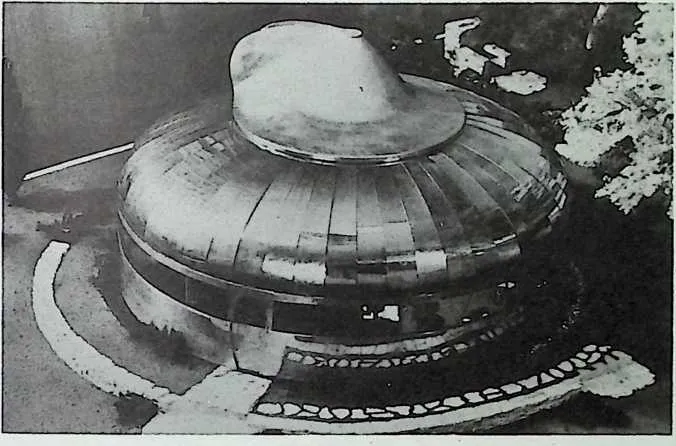
 Anyone visiting the plant, wouldn't be able to tell the difference between
the airplane parts and the parts being made for the house.
Anyone visiting the plant, wouldn't be able to tell the difference between
the airplane parts and the parts being made for the house.
371 It was made of aircraft aluminum, except for the mast itself, which was made of stainless steel, 22 feet high.
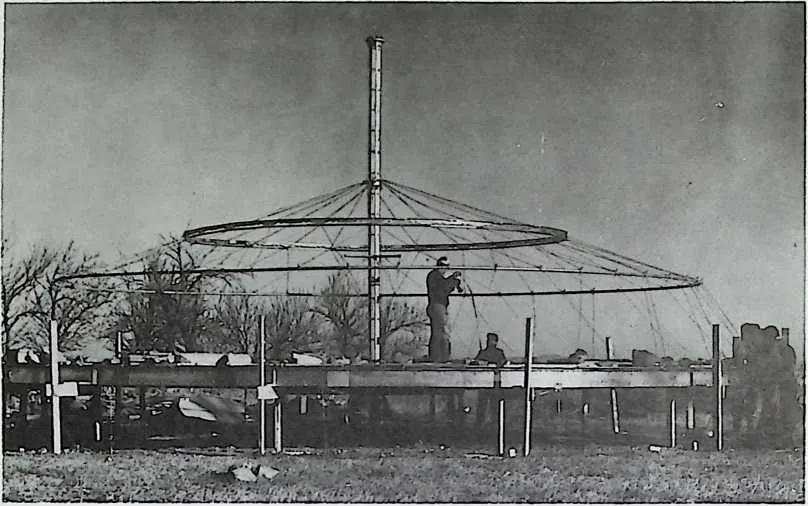
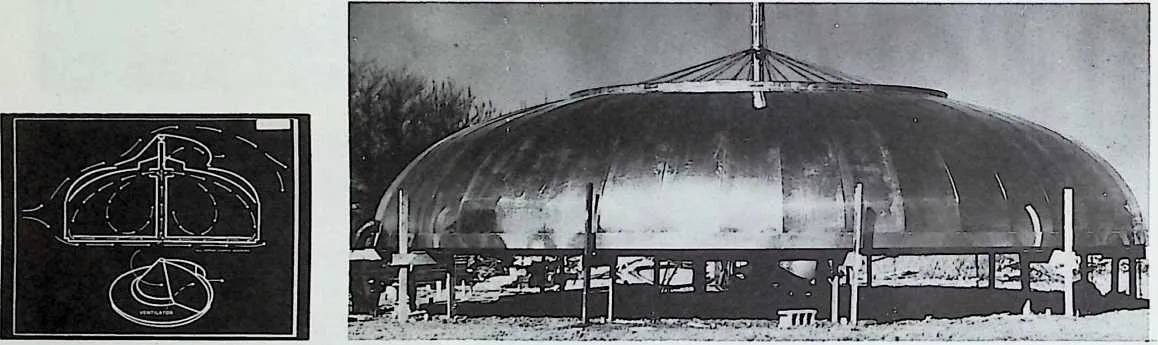
374375On top is a huge ventilator, 18 feet in diameter, which rotates like a wind-T at an airport.
376A low pressure would form at this point, where we then had the ventilator tail open. That pulled the air of the house through—so it was completely air-conditioned.
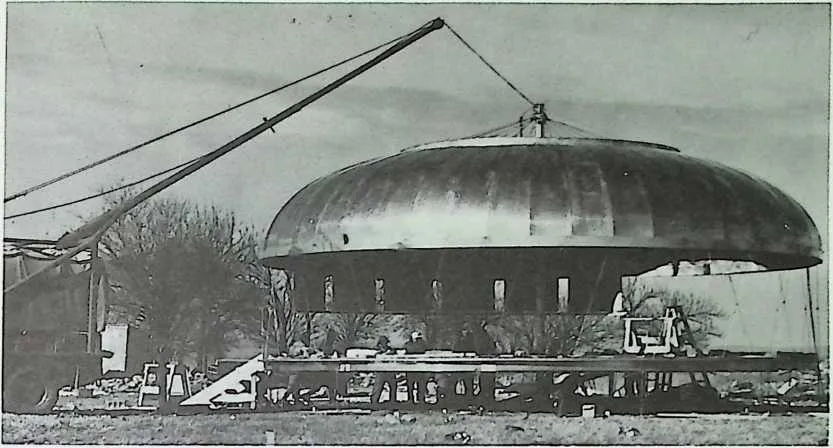
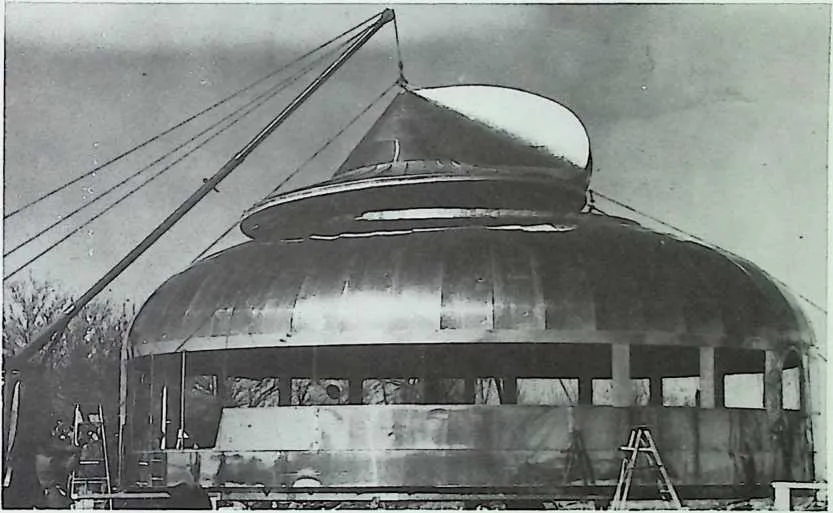
377This house was made of aluminum, stainless steel, and plastics instead of bricks and lumber;
378it hangs rather than sits;
379it's more or less circular instead of square, giving maximum strength for each pound of material used.
380It was made so it could be installed wherever you want it, so that you could call up and say,
381‘‘I'd like my dwelling machine here,’’ or ‘‘over there,’’ like any service industry.
387 It was during the war that I was being asked to give talks—by the Boeing Company and other companies and institutions—and I came East. We were living in Forest Hills in New York then, and I was asked to speak at the Institute of Design in Chicago.
388 They were crazy about my presentation and apparently as a consequence I got a call from Joseph Albers at Black Mountain College, to be one of their summer professors for the summer of 1948, and I accepted.
389 It was at Black Mountain that I met John Cage and Merce Cunningham, who were there, Bill de Kooning and his wife Elaine, Arthur Penn, the Alberses, of course, Ruth Asawa, Albert Lanier, who later married Ruth, and Ken Snelson.
390 That group decided they wanted to put on a play and they wanted me to be in it. And I said, ‘‘I can't act; I never have. All I can do is talk spontaneously, but I can't do anything where you have to rehearse.’’
391 And they said, ‘‘You must try. You're going to be the star of this thing, The Ruse of Medusa by Erik Satie—and you're going to be the Medusa.’’
393 Well, I was working very hard on my new mathematics at that time, spending hours and hours in my room and not eating lunch, and when they said, ‘‘You've got to do it,’’ I said, ‘‘Well, maybe….’’ I was trying very, very hard to discipline myself and I thought this would be another kind of discipline, to make myself behave in ways I'd never done before.
394 So I finally agreed to do it.
395  I found it very difficult to remember the lines and we would have rehearsal after
rehearsal. At any rate I did learn them. Then Arthur Penn showed up and he became director of
the production.
I found it very difficult to remember the lines and we would have rehearsal after
rehearsal. At any rate I did learn them. Then Arthur Penn showed up and he became director of
the production.
396 I'm up on the stage and he would take positions all around the theater where the audience would be, and he'd keep at me about speaking up and speaking up and speaking up—he was marvelous at it. I'm sure it's affected my whole stage presence. Today I really know whether I'm getting across to those people in the back of the hall.
398 In his strange way John Cage thought it would be one of the funniest things to get me on the stage—you know how he laughs about things—and it would amuse him tremendously because it would seem so unlike me, danc ing, singing, rhyming. Of course Medusa didn't do those things until I did it. I made a completely new Medusa, I have to tell you that.
402403"What Albers did graphically,’’ Ruth Asawa pointed out, ‘‘Bucky did by trial and error, just by putting marbles and pieces of paper together. He used to unload his little aluminum trailer and all these models and
404 structures came bouncing out. The idea he expressed to the college was that
405 'I am the most successful failure.'
406407He gathered all this information and invention out of his experience. What impressed me most about both Bucky and Albers was that they made lifetime commitments: they weren't interested in ideas that were already solved;
408 they were only interested in ideas that didn't have a shape yet.’’
409 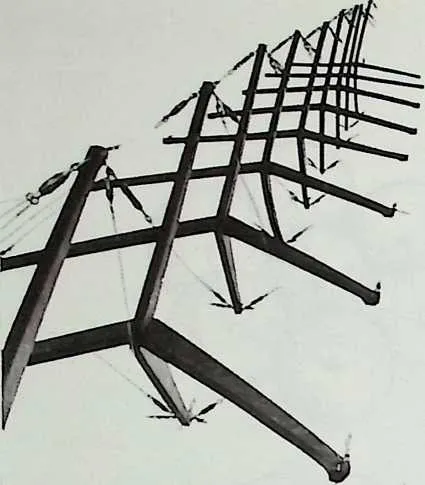 One of the important developments to grow out of Bucky's theories was the
discovery by his student and later well-known sculptor Kenneth Snelson, of tension
integrity.
One of the important developments to grow out of Bucky's theories was the
discovery by his student and later well-known sculptor Kenneth Snelson, of tension
integrity.
410 The tensegrity mast demonstrates the use of tension and compression within the same structure.
411 Aluminum tubes, for example, are the compressive forces and are separated by thin metal wires which are all in tension. The continuous pull of the wires is resisted by the discontinuous tubes—discontinuous compression/continuous tension—illustrating tensional integrity, or tensegrity.
412 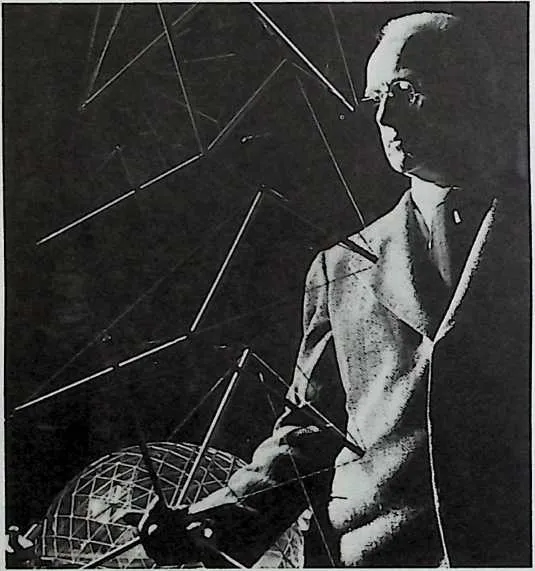
 Structures built according to tensegrity theory become stronger
as their size increases and could, theoretically, cover limitless areas —even the entire
earth.
Structures built according to tensegrity theory become stronger
as their size increases and could, theoretically, cover limitless areas —even the entire
earth.
413 
 The octet truss was composed of alternating tetrahedrons and octohedrons which
dispersed load pressures equally along three sets of parallel planes. Pressure at any
one point was immediately distributed through the entire structure, giving it great
strength while maintaining an impression of laciness and delicacy in relation to its
size.
The octet truss was composed of alternating tetrahedrons and octohedrons which
dispersed load pressures equally along three sets of parallel planes. Pressure at any
one point was immediately distributed through the entire structure, giving it great
strength while maintaining an impression of laciness and delicacy in relation to its
size.
414 When the time came to use the octet truss in actual construction, Bucky was well prepared and successfully built the Ford Rotunda —dome.
415 
 Bucky and Anne are back in New York in a small cram-packed apartment in
Forest Hills. Picture him then engulfed by his models and charts, the cosmic explorer rationalizing
and writing his energetic-synergetic geometry and doodling his great circles, from both of which
his domes will spring. (Allegra is away at Bennington College, pursuing her interest in the
dance.)
Bucky and Anne are back in New York in a small cram-packed apartment in
Forest Hills. Picture him then engulfed by his models and charts, the cosmic explorer rationalizing
and writing his energetic-synergetic geometry and doodling his great circles, from both of which
his domes will spring. (Allegra is away at Bennington College, pursuing her interest in the
dance.)
416 From this modest base he sallies forth in accelerating acceleration to lecture, consult, design.
417 He's gone from ‘‘track to trackless, wire to wireless,’’ if not to ephemeralization. The very model of a ‘‘comprehensive anticipatory design scientist,’’ he spirals through wish-thought-deed, exploring the macro-meso-microcosm as natural philosopher, socioeconomist, and inventor of artifacts, especially of ever-bolder controlled environments. He lives totally in the process of the moment, the moment-becoming-future. Barely does he find time to talk about the past; that was yesterday.
418 In 1951 Bucky's daughter, ‘‘laughing Allegra,’’ and I are married.
419 This past Christmas, we were sitting around with family and a few friends, and I mentioned that I was starting to work on a picture-book biography of him. In the course of the conversation, Bucky formal-sounding, addressed the group: ‘‘I want to tell you about a young man named Robert Snyder. He came to see my wife, Anne, in our little apartment back in 1950 to talk about marrying our daughter, Allegra. And it seems he was very dubious about me. He said, ‘‘Mr. Fuller was not a man of any substance.’’ Anne told me about it; she felt she had to defend me against his onslaught.’’ (Laughter.)
420 But, Bucky I protested, it was simply self-defense: I said that my family wouldn't regard you as any more substantial than Anne said her family regarded me.’’ (Laughter.)
421 Are you going to include in your picture book the photo of yourself and Allegra at Bennington, the wedding picture with the wine glasses?
422 But, Bucky, I shouldn't include that—
423 My daughter getting married?
424 —unless you're in it; after all, the book's about you.
425 I'm not in it because I was taking the picture; and that seems to me to make it valid. For that matter, the picture I took of Allegra and you skating on the pond that Christmas in Newburyport, after we swept the little pond clean, d'ya remember that? I think—
426 How could I forget, Bucky; but the book is about you, not your photography. —that ought to go in, too.
428 Filming him meant film-recording his work, metaphysical and physical. But he wouldn't sit still: more and more, it seemed to me an exercise in ‘‘Co and catch a falling star.’’
429 We must now run alongside him, pausing when possible for breath and noting the highlights of his closely packed days, whether of snatches of his metaphysical thinking aloud or glimpses of the physical artifacts, even bits of autobiographical monologue that all too few moments permit. It would perhaps be more appropriate to his life-style, to continue at this juncture in the form of a journal and photo scrapbook.
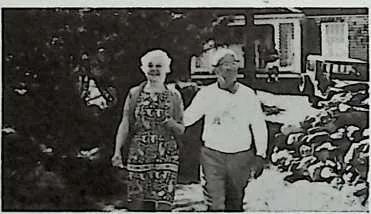
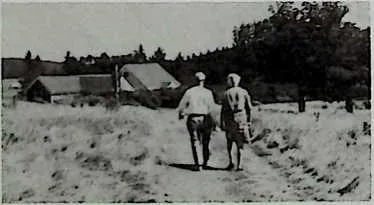
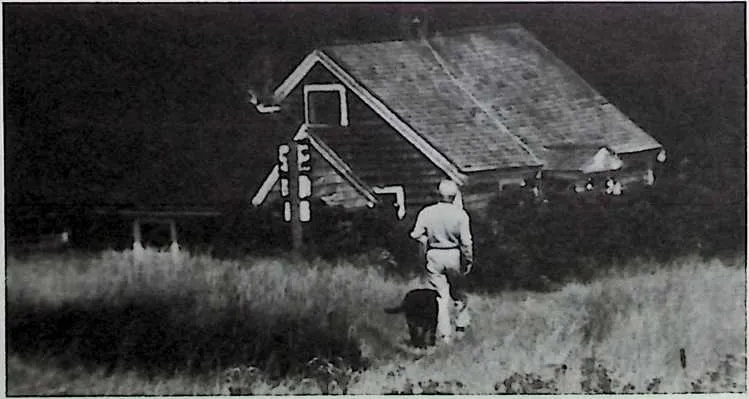
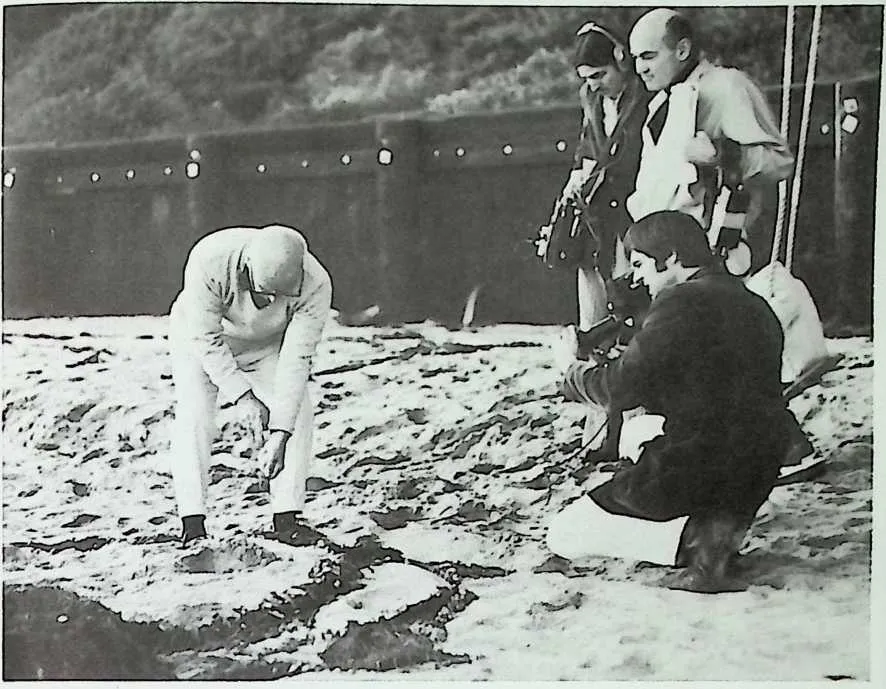
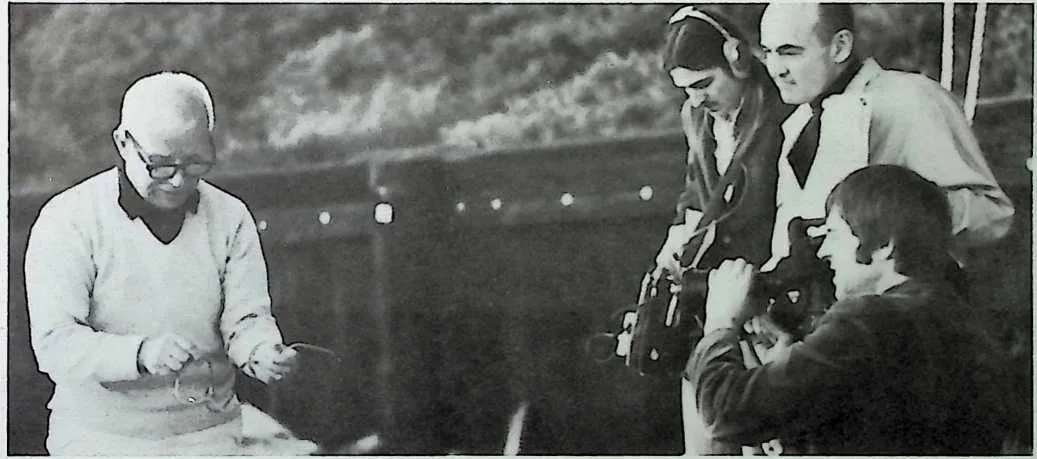
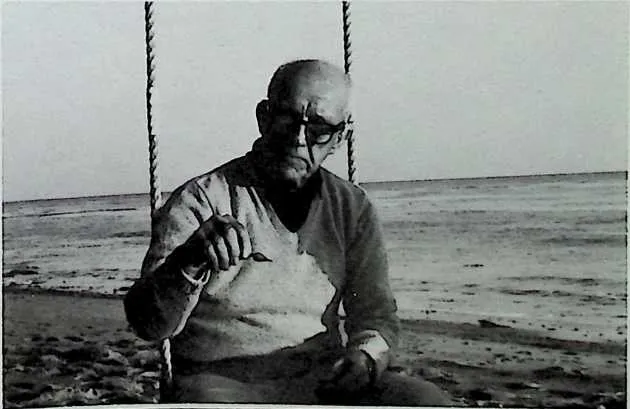
431 However, Lord be thanked, there were moments:
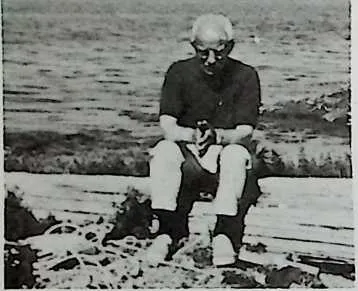
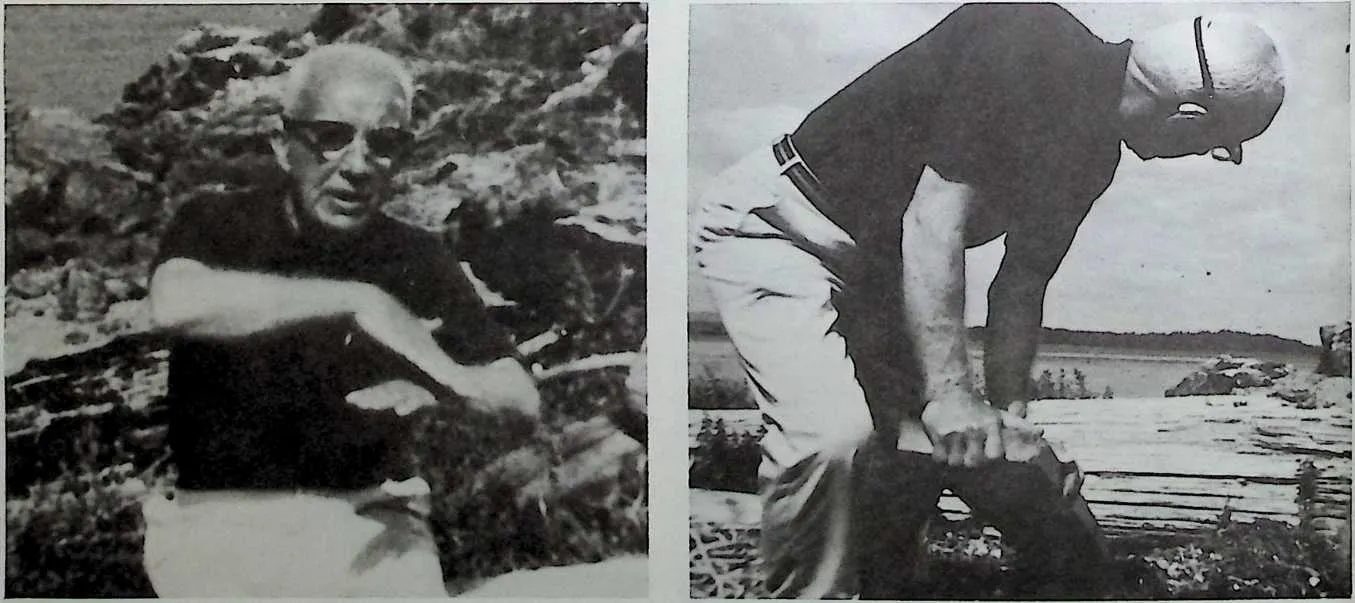
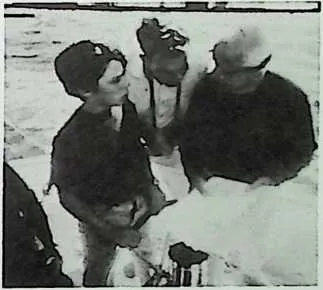
432 throughout the years, Bucky has managed to take a few weeks during the summer to return to his source, Bear Island, where he recharges his batteries and, as he says, regenerates himself. He walks, talks, reflects…
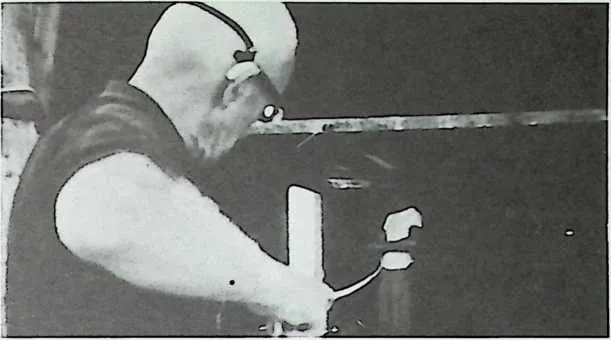
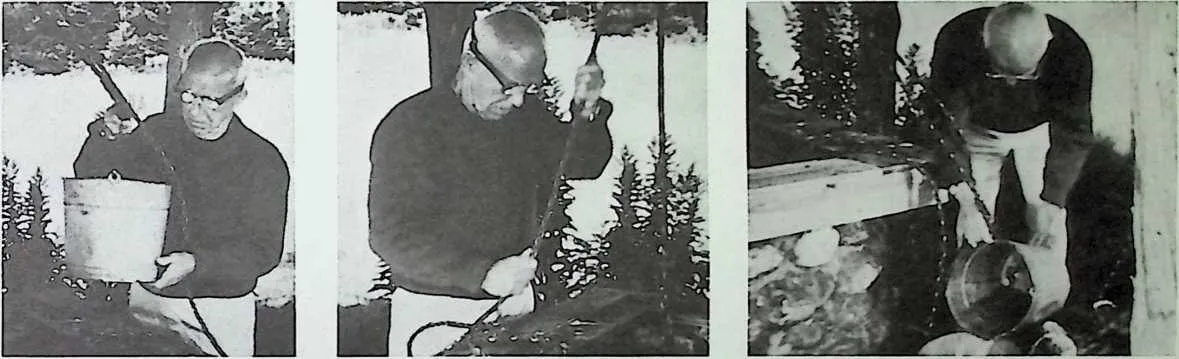
433 does the housekeeping chores,
435 reads, writes, thinks,
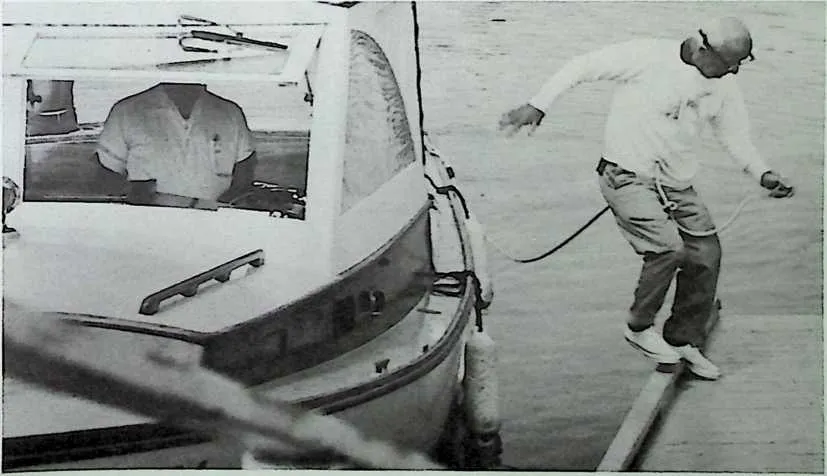
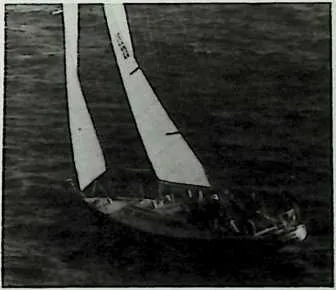
437 rows and sails.
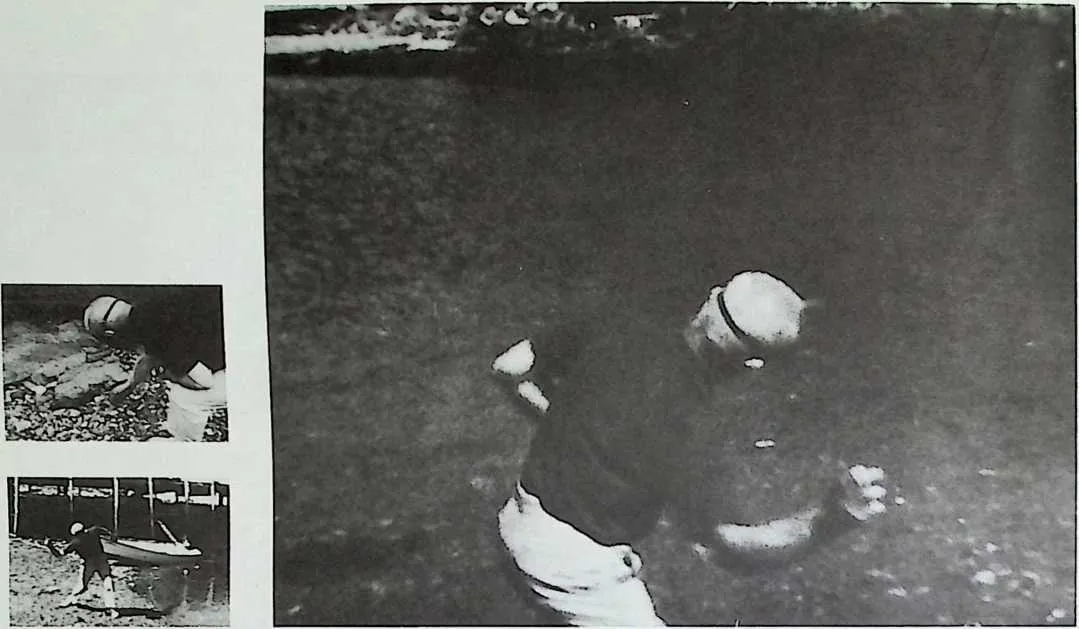
440 skips stones,
441 studies them and other forms
442 in his most cherished ‘‘laboratory in nature.’’
443 Here, too, he does much of his exploratory ‘‘thinking aloud.’’
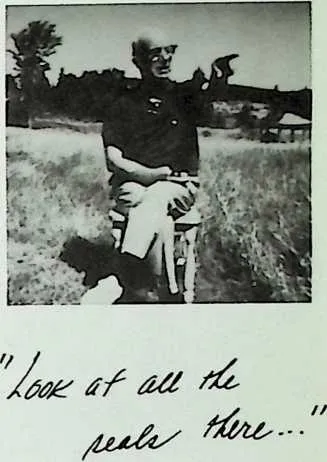
446447Look at all the seals there on Bear Island ledge sunning themselves. They look like a whole lot of rocks, but those are all seals. Lot of cormorants behind them, long-neckers….
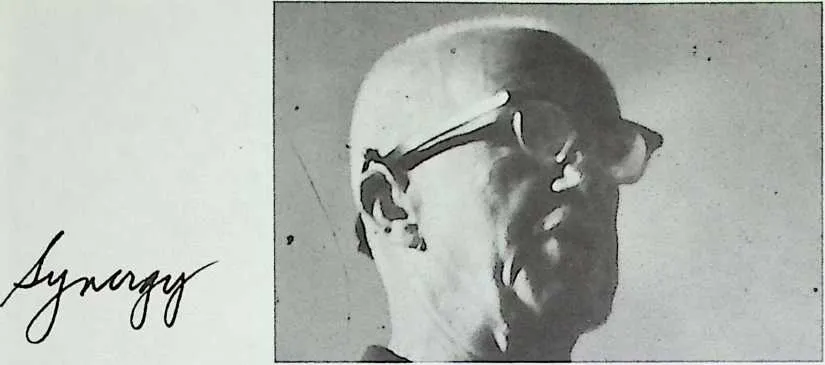
450451In order to be able to understand the great complexity of life and to under stand what the universe is doing, the first word to learn is synergy. Synergy is the behavior of whole systems, unpredicted by the behavior of their parts. The most extraordinary example of it is what we call mass attraction. One great massive sphere and another massive sphere hung by tension members are attracted to one another. We find there is nothing in one sphere, in its own right, that predicts that it's going to be attracted to another. You have to have the two. It is, then, synergy which holds our earth together with the moon; and it is synergy which holds our whole universe together.
452Synergy is the companion word to the word energy. Synergy means behav ior of whole systems unpredicted by the behavior of any of the parts. It is the only word that means it. The fact that we are unfamiliar with the word means that we do not think there are behaviors of wholes unpredicted by parts.
453Synergy is to energy as integration is to differentiation. Energy studies sepa rate out—isolating phenomena out of total nature and total universe, and studying those separate phenomena. Synergy is associated behavior of the whole: great complexes all the way to total universe itself.
454 1927--1977: 50-YEAR EXPERIMENT 101
455 The speed of light had not been measured until we came into this century; no one had even supposed that light had a speed.
456 Therefore, all of the scientists before our century, looking at the stars, as sumed that every star was always right there—that there was what we call ‘‘instant universe’’—a complete misapprehension, because instant universe is in a sense a static thing. This idea derives from Newton's law that ‘‘at rest’’ was the norm; motion was abnormal.
457 Einstein paid great attention to Michelson-Morley's experiments that light does have speed, that it takes 8 minutes for light to get to us from the sun; it takes light 216 years to get to us from the next nearest star;
459 looking at one star out here at night —it's a live show taking place 30,000 years ago. Light is just getting here this second. Right next to it is this star, a live show 3,000 years ago. Some of those stars are not even there anymore.
460 Einstein said quite clearly that our universe is an aggregate of nonsimultane ous and only partially overlapping energy-transformation events. Each one of these events is constantly transforming. Universe is, as Einstein said, a scenario; as for instance, a man is born, then he gets to be a father; he has children and grandchildren and then he dies. And they go on. But looking at the sky here, we are still seeing grandfather.
462 Universe is a scenario.
463 It's just in this century that we think so, and society is not yet thinking in this way. No single picture is going to tell you that a caterpillar is going to become a butterfly; and one picture won't tell you that a butterfly flies.
465 I don't think—as scientists had been thinking until then—that the energies of universe are always running down. I think that when energies leave the local system, they are taken on by another system.
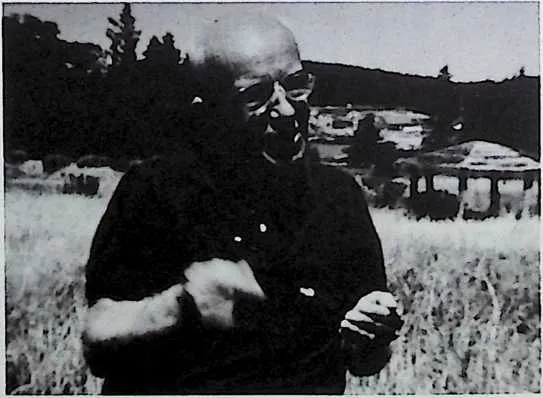
467 Scientific review of experiments showed that that was exactly what was going on. So only in this century have we come to discover that energies are not lost, the universe is not running down, and our new norm is Ein stein's norm that says energies are always transforming at the very highest velocities at which things can transform or change. The rate at which energy goes right away from itself radiantly is at the speed of light. So 186,000 miles per second is normal.
468 Anything we call ‘‘matter’’ is where energies trip themselves up like knots, develop local constrictions, and become matter—energy going around at the same rate, but locally.
469 The behavior of wholes, unpredicted by the behavior of its parts, can best be illustrated, I think, by chrome-nickel-steel —chromium, nickel, iron.
470 The most important characteristic of strength of a material is its ability to stay in one piece when it's pulled —
471 its tensile strength, in terms of its strength per square inch, PSI. The com mercially available strength of iron at the very highest level is approximately 60,000 pounds per square inch; of chromium, about 70,000; and of nickel, about 80,000. The weakest is the iron.
472 We all know the saying that a chain is only as strong as its weakest link.
473 Well, experiment on chrome-nickel-steel, pull it apart, and you'll find that it is very much stronger than its weakest link of 60,000. In fact, it's much stronger than the 80,000, or its strongest link.
474 Thus the saying that a chain is as strong as its weakest link doesn't hold. So, let me say something that really seems very silly: Maybe a chain is as strong as the sum of the strength of all its links. Let's add up the 60,000 for the iron and the 70,000 for the chromium—that makes 130,000 pounds per square inch—then add the 80,000 for the nickel; that gives you 210,000. Then add the minor constituents of carbon and manganese—about 40,000—210,000 plus 40,000 = 250,000 pounds per square inch tensile strength.
475 Now the fact is that under testing, chrome-nickel-steel shows 350,000—or 100,000 pounds to the square inch, stronger than the combined strength of all the links.
476 This is typical synergy, and it is the synergy of the various alloy metals that have made industry able to do all kinds of things that man never knew he could do when he just did things statistically.
477 All economists work in terms of statistics, and all economists work in terms of the weakest link. So society's been utterly surprised by the continual abilities of technology to do more than they'd ever expected it could do: there's your synergy.
478 Synergy, the behavior of wholes unpredicted by the behavior of its parts, has a corollary to it: that with the known behavior of the whole and the known behavior of some of the parts, you will be able to find out about the other parts. Now, that's very interesting.
479 As for instance, we have the synergetic strategy of the Greeks, with their triangle.
480 They knew that the sums of the angles would always be 180 degrees.
481 So, knowing two sides and an angle, or two angles and a side, you could find out about the three other parts—because there are six parts to a triangle: three sides and three angles. This synergetic capability was used by as tronomers when Isaac Newton developed his theory of gravitation.
482 ‘‘Gravitation,’’ his opponents said, ‘‘pulls these great masses. Well, we can't explain the solar system and the planets unless, one, Newton was wrong or, two, there are other planets, very large ones, much bigger than we've ever seen before. It's most unlikely that they're there, so probably Newton was wrong.’’
483 But, in due course, the two planets that had to be there were found to be there—Pluto and Uranus. And they were just the right size and in the right position.
484 This was typical of synergetic prediction: The known behavior of the whole required the behavior of the other two parts. This is fundamental to the most powerful parts of science, yet it's not used at all in our educational system. We go precisely in the opposite way, starting off our children with parts, an A, a B, a C; then we put those together—and nobody knows about synergy.
485 I find that society is just groping around with parts, never understanding wholes and continually being surprised by them.
486 When we deal with systems—and systems are conceptual and subdivide the total universe into outsideness and insideness—systems return upon them selves in a plurality of directions, whether they're spheres or cubes or crocodiles. The universe itself is a system, and it is a quality of a system that it has unit surface.
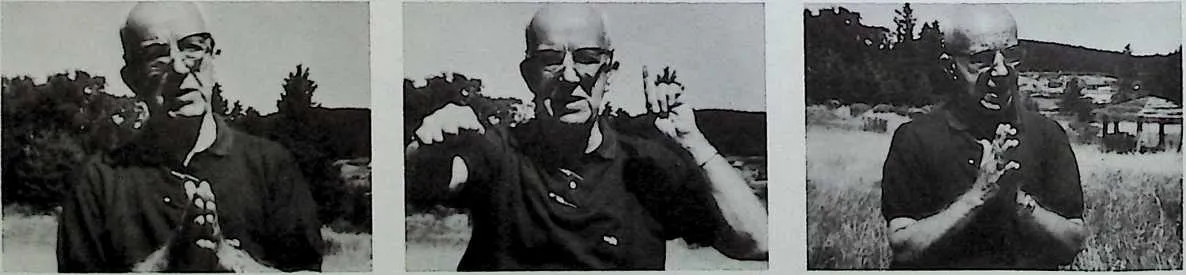
488 Frequently, he is obliged to yield to requests for ‘‘thinking aloud’’ publicly, especially when they come from down-East neighbors.
489 I was asked by the Unitarian Church at Sunset, just across the Bay, at the tip of Deer Isle, to give a talk. Bob called it a sermon; he said I was following in the tradition of my preacher forebears.
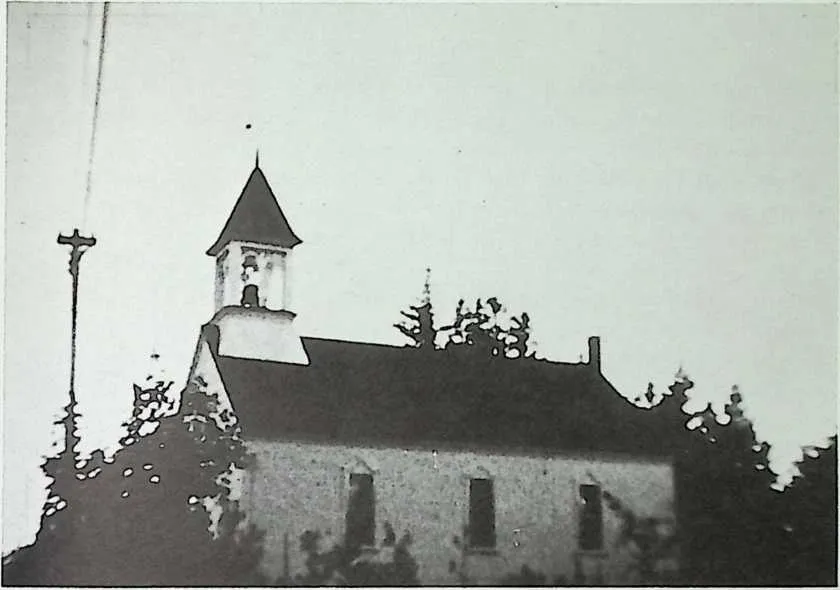
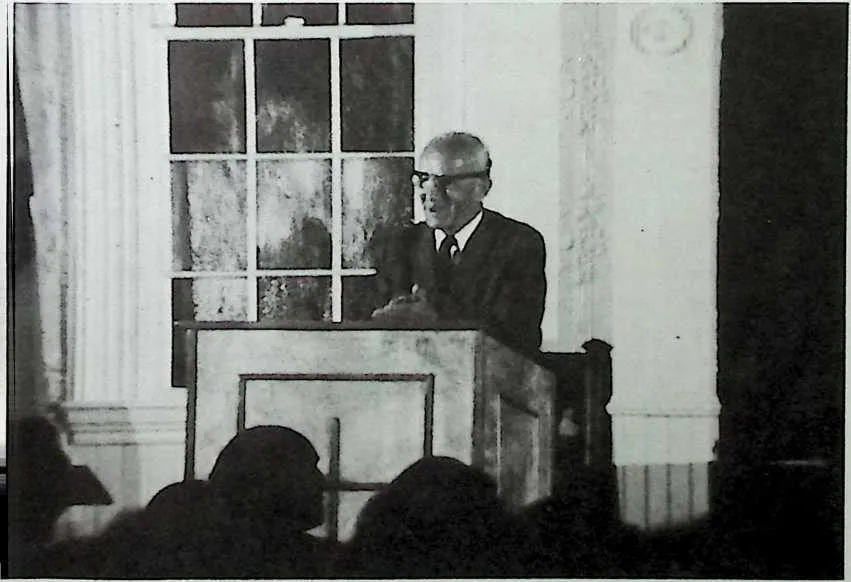
491 This is such an extraordinarily beautiful day. All of us who love Maine think of Maine in this way—that we love our fog too. The beauty of today makes me feel very powerfully that nature is trying to tell us—that God is trying to tell all of us—that our world can be beautiful, that it can really work. What we ought to be doing is making it possible for humanity, not only to survive on our earth, but to enjoy the kind of beauty that today tries to tell us we can enjoy…
492 Throughout man's history, the average man in his average lifetime has seen only a millionth of the surface of our globe. That's a very tiny amount, and it's not surprising that he thinks about the earth in a way that is really not correct at all. His senses are focused on a seemingly vast expanse that goes on and on. It is important for us to remind ourselves as quickly as we can how many misconceptions we are all still operating under.
493 I'm sure everyone in this room uses the words up and down. If anybody does not use the words up and down, will you please raise your hand? (I have to be careful not to say, ‘‘Put up your hand.’’) The words up and down were invented by man to accommodate his experience of seeing only a millionth of the earth's surface, because the world seems to go on and on beyond his personal experience. In the desert or out on the deep sea, it seems to go off into infinity.
494 The temples of Cambodia are built symbolically to represent a model of what the people thought the world was. They rise out of a moat or lake, and in the center of this little island, the temple goes up into great pinnacles, like formalized mountains. The farther into the center you go, the higher the pinnacles of the temple rise; as, going into the interior of the land, the farther you go, the surer you are to come to mountains. Around the temple island there is a carving that ends in great serpent heads, representing Naga, the giant sea serpent that surrounds the entire island.
495 I'm sure most of us are still using expressions that come from the time of those islands. Many of us speak of the four corners of the earth. That's the very model of a flat earth with corners pointed in specific directions. And if the earth is flat, all the perpendiculars to the earth must be parallel to one another—that's very simple, isn't it? Therefore, they all go this way or that way; and this is called ‘‘up,’’ and this, ‘‘down.’’ And inasmuch as you see parallel lines going away from you like railroad tracks converging, you sort of say that they intend to converge into heaven and they tend to converge into hell.
496 Now once you discover that your earth is a sphere, you find that none of the perpendiculars are parallel to each other. Each is absolutely, completely independent. Thus no part of the universe can be designated as ‘‘up’’ or ‘‘down.’’
497 Fliers, when they began to go around the earth very quickly, became aware of the fact that in terms of the way they used to speak they were upside down, and since they didn't feel upside down, they invented ‘‘come in for a landing,’’ and ‘‘go out.’’ So the right words to use are, ‘‘come in’’ toward various masses in the universe or the planet, and ‘‘go out from’’ the moon or Mars. So in the next few weeks, if you'll just say to yourselves, ‘‘I'm going outstairs’’ and ‘‘I'm going instairs,’’ you'll also begin to ask yourselves, ‘‘What is it I'm going in towards?’’ You are going in towards the center of our planet. And you will gradually begin to realize that you are really on board a spaceship—a great, spherical spaceship.
498 You'll find you're coddling yourselves and you're very easy on yourselves in dealing with these errors you've been making. But when you begin to do a little housecleaning in terms of what you've found out, you begin to think in some new ways…
499 We start off by teaching our children to give up the reality of feeling them selves in the round and try to get them to pretend to be on a flat plane. Theoretically, we couldn't be more anxious to help these children not be at the disadvantage we experienced. But when we teach our children geometry, we start off by dealing with a plane going to infinity and lines that go to infinity.
501 That's an annoying kind of thought for a young person, for someone sud denly to give him infinity, something he can't possibly comprehend or re solve because it is incomprehensible. So it's really quite an unfriendly thing to say, ‘‘Here's something nice and simple, darling; it's a line that goes on to infinity. Later on,’’ we say, ‘‘we'll get to solid geometry.’’
502 All this is extraordinarily difficult; and one reason very exceptional children do not do well in mathematics is because you ask them to do some very preposterous things. We'll just have to remind ourselves that no one—no scientist, no physicist, no genealogist, no physiologist—has ever discovered anything that can be called a solid. What they have discovered is that our physical universe is energy, and that energy events are relatively very, very remote from one another: atoms, the proton, and electron are as remote from each other as our sun and earth. Physics has found no solids! So to keep on teaching our children the word solid immediately is to drive home a way of thinking that is going to be neither reliable nor useful.
503 There are no surfaces, there are no solids, there are no straight lines, there are no planes.
504 Once you begin to catch on that you're aboard a spaceship, you begin to get an inkling of what a fantastic design this all is. I would like to point out to you that just a hundred years ago each human being was thought of as com pletely responsible and conscious, as long as he was awake. If he was drunk, you'd say he wasn't quite as responsible; but a man who was neither drunk nor asleep was taken to be completely conscious of everything about him and therefore responsible for everything he did.
505 Just a short time ago historically, Sigmund Freud upset man's thinking by demonstrating that there were a great many things people did that were subconsciously coordinated and over which we really had no conscious control at all. That was just yesterday. Today, nuclear physicists have come to the realization that we are 99.999 percent subconsciously coordinated. Our brains have approximately a quadrillion times a quadrillion atoms operating in absolutely superb design coordination by which, for instance, you and I are communicating.
506 Just check up on yourselves.
508 I'm sure none of you know what you're doing with your supper. All you know is you've loaded it in, and you're not saying, ‘‘I'm going to send some of it off to this gland and some to that,and tomorrow morning I'm going to grow some hair.’’ I'll simply assert all of you are almost completely automated and always have been. And you talk about automation as though it were some thing new and rather scary.
509 Our universe is an extraordinarily automated, fantastic piece of design. And in this design, here is our spaceship earth upon which human beings have been living for two million years without even knowing they've been aboard a ship—including yourselves. You're not thinking that way even now. But when you realize you are aboard this tiny ship, things are very different from the way they were thought about in the Roman Empire….
510 All the periods of history from which most of the philosophy comes and all our ways of looking at things that we have in our schoolbooks and universities, are eras when man thought of the earth as flat.
511 Julius Caesar, Genghis Khan—all of them—thought the earth went on to infinity.
512 The Roman Empire was simply the known area, and it controlled the known area. Out beyond the areas of empires, you came to some very dangerous people, and beyond that, to dragons, and beyond that, you'd better not go.
513 Now if the earth went to infinity, which they thought it did, then there were an infinite number of chances that there could just be something out there that could take care of all our problems.
514 If we just would keep exploring a little more daringly, we would come to the Great Roast Beef Mountain.
515 I'm convinced our troubles spring from continually feeling so sort of comfortable with, ‘‘Well, that's the way I learned it; that was good enough for me, and we did get along, and we did have a lot of fun, so let's leave it that way. It's too much trouble to rewrite books, we bought all those libraries, we taught all our teachers to teach that way’’—so you just keep on teaching error…
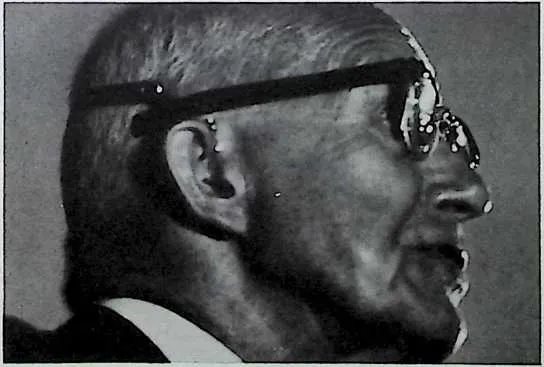
517518A revised edition of the Dymaxion map was published. It grew out of his geometry: a geometric form such as ‘‘an icosahedron can be projected outwardly onto the surface of a sphere,’’ or vice versa like unpeeling an orange and laying it out flat. It was the first map projection patented in the United States, and it was first published cut-out and fold-in, in Life magazine (1943) as a ‘‘Dymaxion.’’ The new edition was more accurately titled, ‘‘Air Ocean World Map.’’
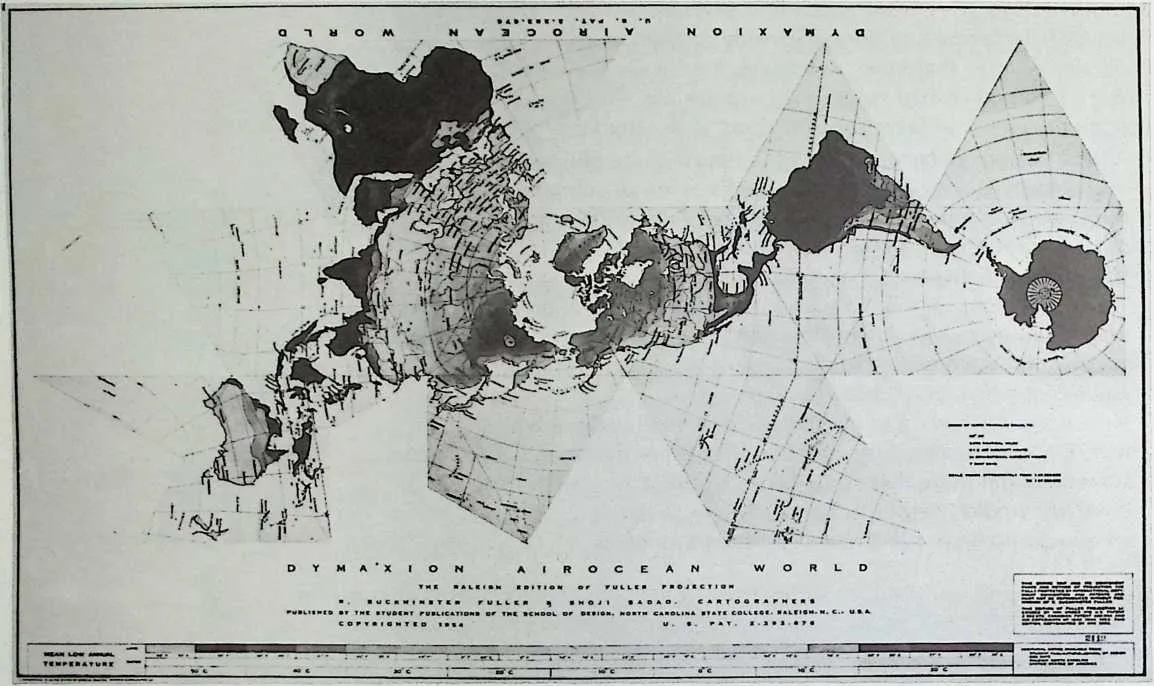
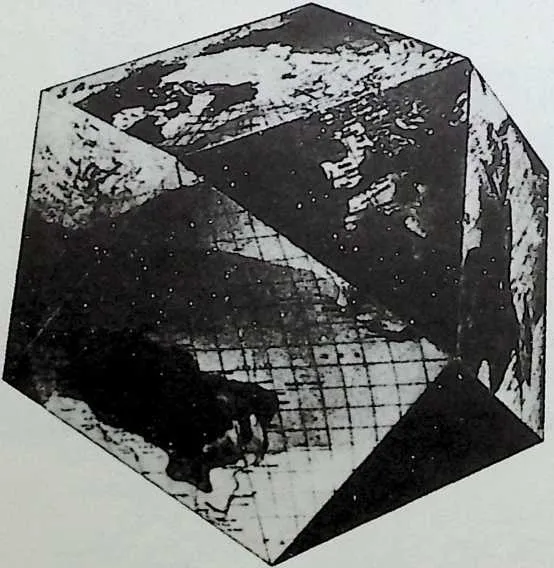
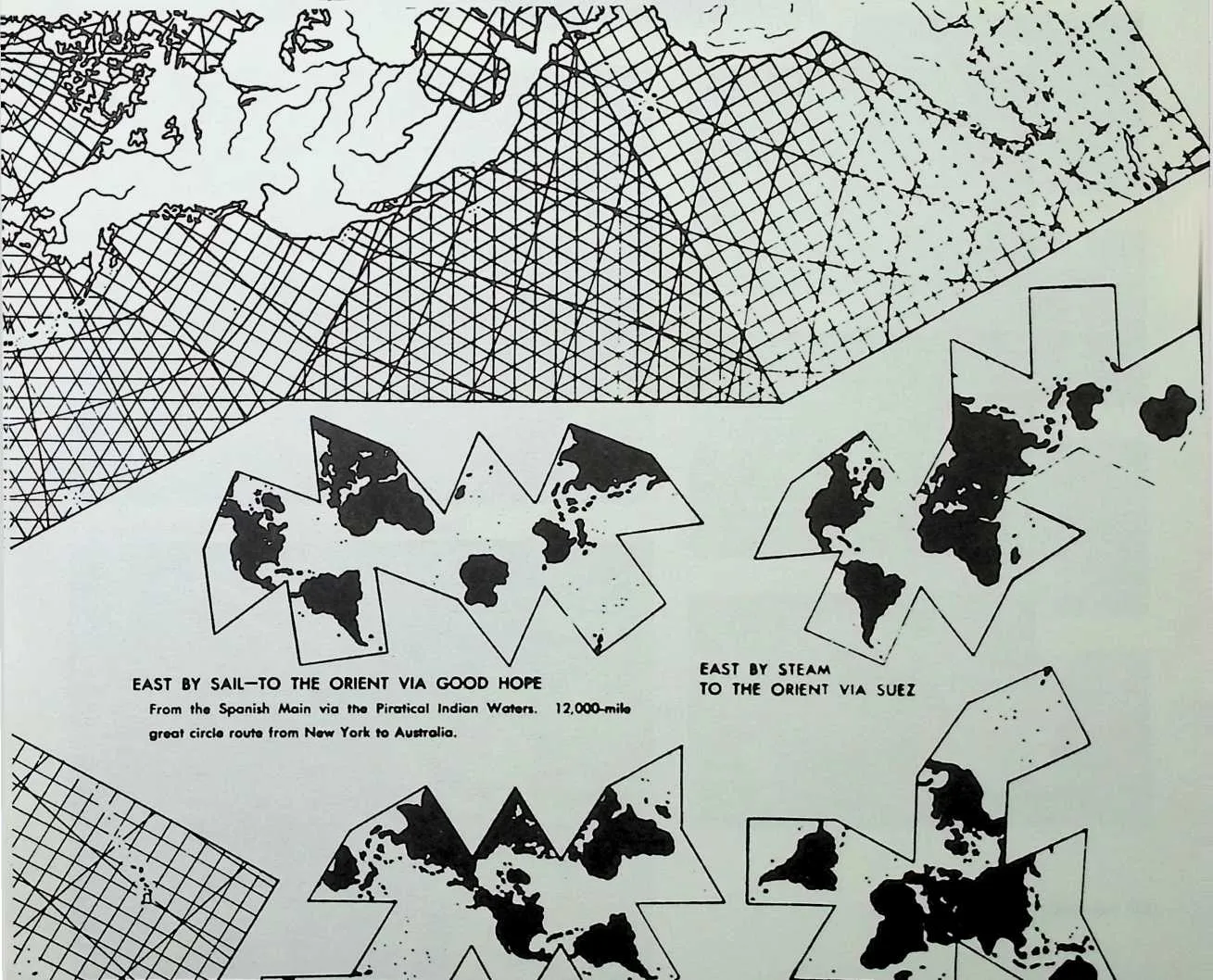
522 Euler, the mathematician, made a very extraordinary contribution to human ity when he conceived and announced that all pattern of universe can be broken down into three clearly rememberable and differentiable aspects. He said look at any painting, any drawing, research your memory, you'll find everything breaks down into lines, areas, and crossings.
523 Mathematically you can describe all pattern phenomena, all conceptuality, all of thinking, by just what we call angles and frequencies.
524 Those lines of Euler's take some time to be generated.
525 How long they take to be generated is measured by cycles.
526 You look at your watch, you look at so many seconds: there are so many cycles, so many heartbeats.
527 So you go in this direction on this line for so many heartbeats, so many seconds.
528 Then you change your direction.
529 Changing direction, you have to say,
530 ‘‘What is the angle of change?’’
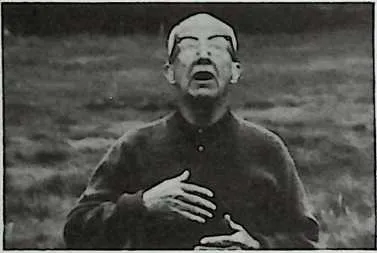
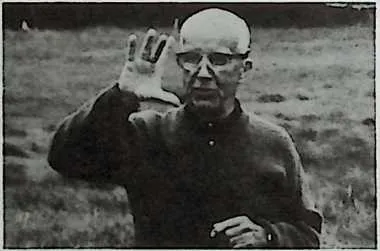
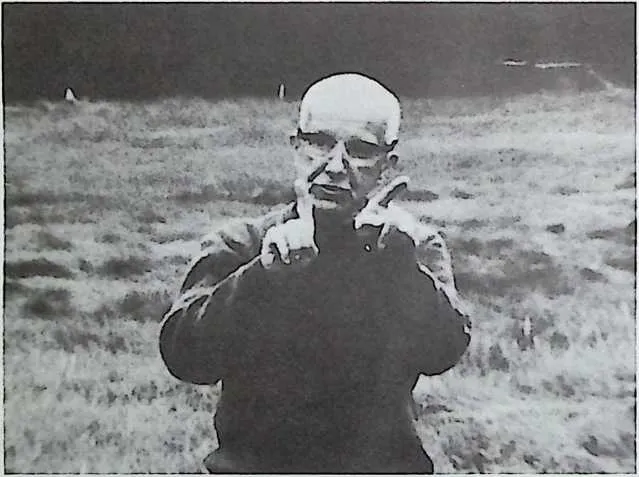
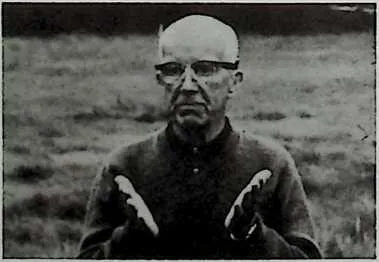
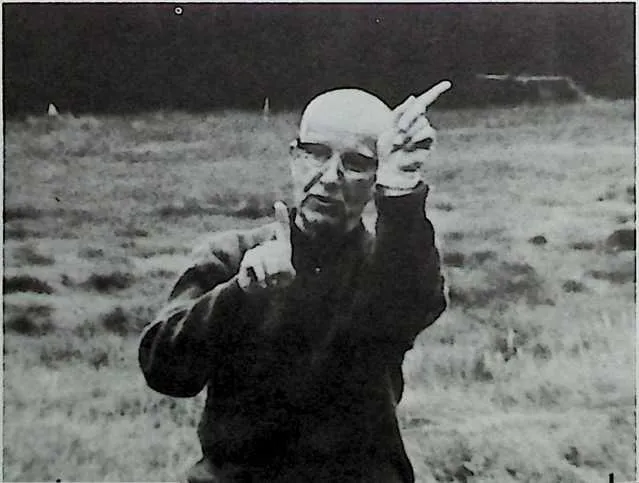
532533
Now in order to start talking angle at all, you have to have some line of reference. The line of reference, say, is between your head and your feet.
534 So there's that line, that axis.
535536So we find all phenomena in universe can be described mathematically by angle and frequency change. Now that we know that time is measured by cycles and lines are so many cycles long, we begin to think about pat terns in a very mutable kind of way.
537For example, here is a necklace, and it is a necklace because I can drape it over my neck and shoulders. It drapes because the angles are varying;
538the lines are staying the same and aren't changing; what is changing are the angles.
539I'm going to take out one of the beads. The necklace is still nice and flexible and still drapable.
540I put my head through and it bends all over the place.
541I'm going to take out one more, and it's still flexible—with a vee in front and a vee in back.
542You and I tend to call what we now have left, a square.
543I can still put my head through it. When I was in school the teacher said the basis of geometry is the square.
544But the only reason it held its shape was because the blackboard was holding its shape.
545 
 It had no integrity whatsoever.
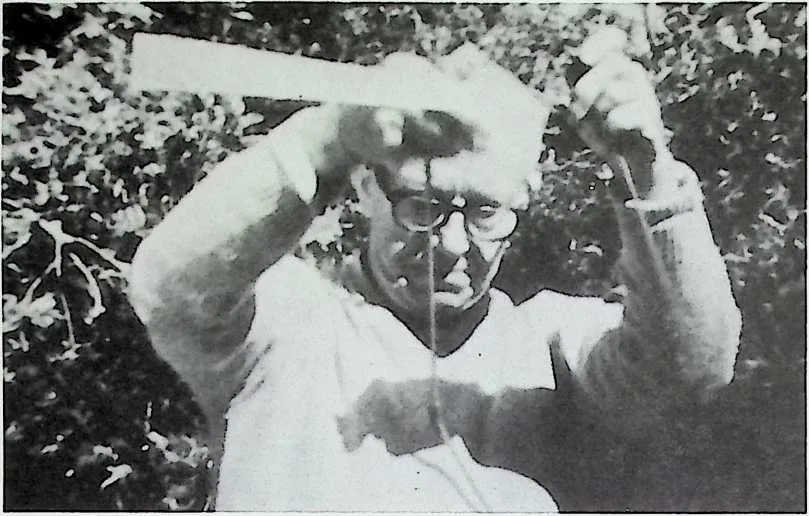
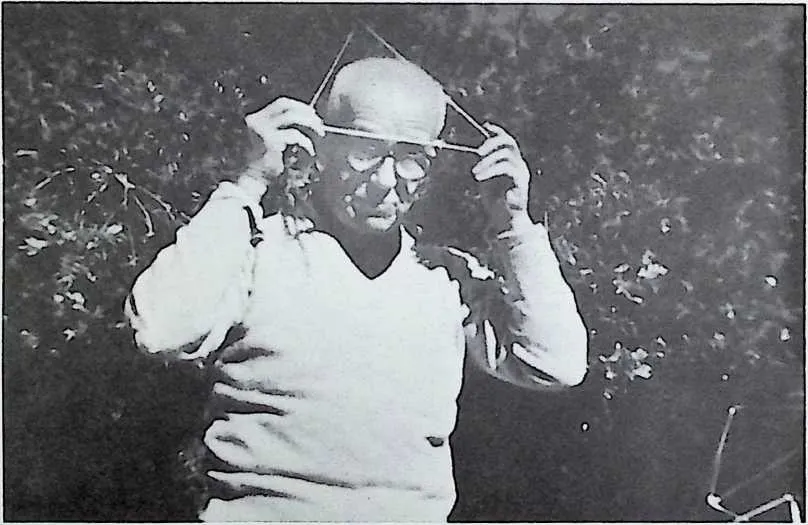
548 A little child doesn't like that at all.
549 So he says I'm going to take one more out.
550 Suddenly, a very extraordinary thing happens—it's no longer flexible.
551 It won't change its shape!
552 Boy! I can put it over my head here, but it doesn't flex or drape.
553 This is what we call a tri-angle—three angles.
554 And the triangle is the only stable structure.
555 The angle won't change, and it was all in the angles.
556 So the triangle turns out to be structure.
557 It consists of six completely independent parts:
558 three of these flexible angles, and three of these push-pull compressions.
559 One pair of these sides work like levers;
560 the further they come out here, the more work they can do.
561 We come to the very ends of these levers,
562 and we put another push-pull member in here,
563 and it stabilizes the opposite angle.
564 So a triangle is a pattern
565 where each side stabilizes the opposite angle with minimum effort.
566 What we then call a structure in our universe is a complex of energy events interacting to produce a stable pattern. The triangle is the only inter-self stabilizing set of events. Triangle is structure, structure is triangle. So when I want to build something, and really make it work, I've got to use all triangles.
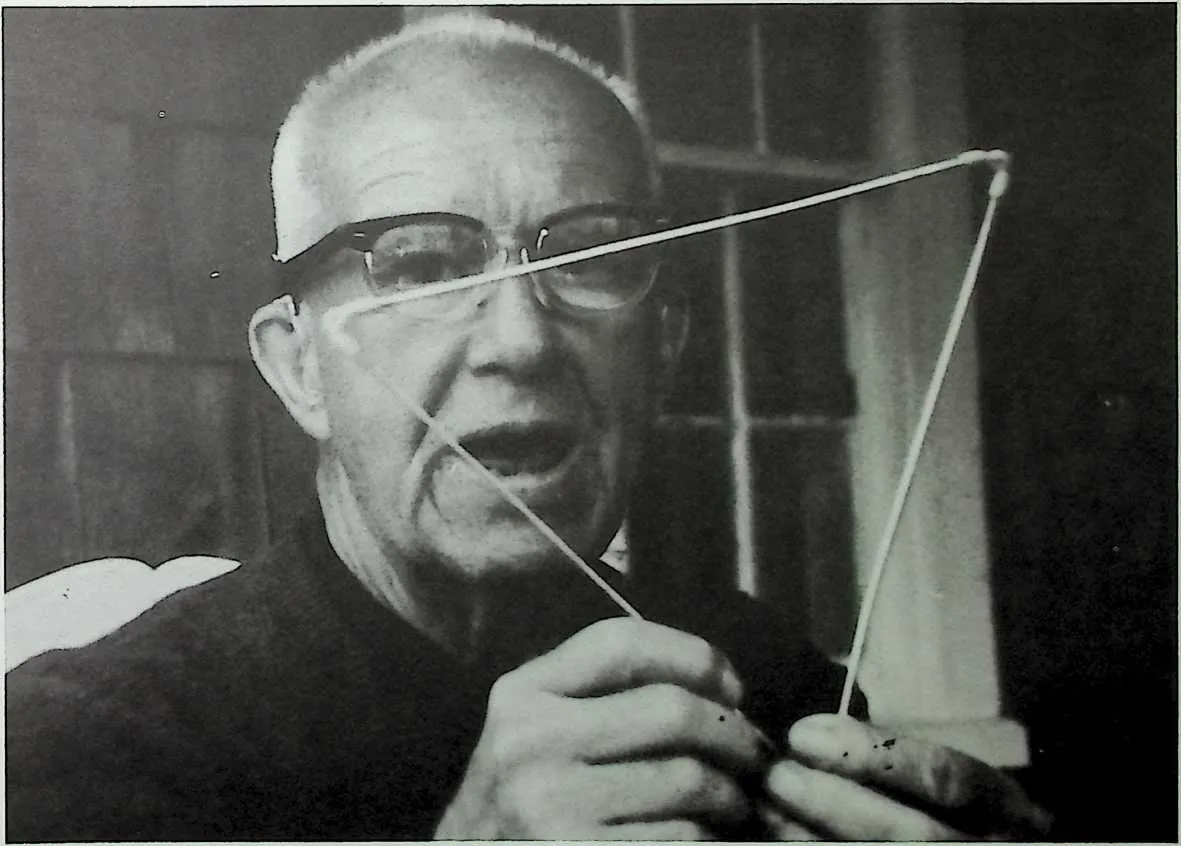
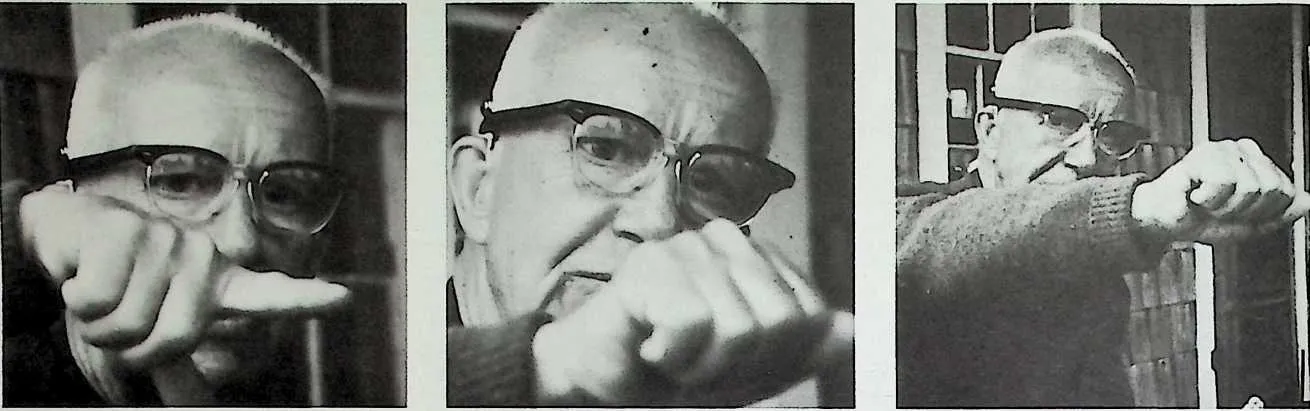
569 Most people think of a building as cubical, and it hasn't any structural stabil ity whatsoever. The angles are all unstable. The only reason they stand is that we put nails in the corners. So I've got to find a way whereby everything gains in stability. I'd like to make what they call a basic structure; and I'd like to make it into a system where I have an insideness and an outsideness.
570 I can't get something that has an insideness and an outsideness unless I have one more point. And that gives me the tetrahedron: tetra is four in Greek, so that gives us a 1-2-3-4-sided figure.
571 We'd like to find its relationship to the other basic structural systems.
572 When you take an action, for instance you step forward—you push the earth backward. Or a car starts up on a gravel path, it kicks the stones backward. Every action has reaction. Now not only does every action have a reaction, it also has a resultant.
573 Because we now know about the speed of light, we know there is a time lag between action and reaction and resultant. You jump off a boat and it takes a little time for you to hit the other boat and you've pushed the boat you jumped off, pushed the boat you land on—so there's action, reaction, resul tant. This is true of every experience, every event, in the universe.
574 Thus, every event in the universe has three parts: action, reaction, and resul tant. These are energy events and we call them vectors. The vector depends on how much energy is being expended, what its mass is, in what direction it's going, and at what velocity.
575 All our experiences involve energy; all the physical universe involves it. These energies are operating at various directions.
576 A vector is an energy actiori in a specific direction, like a thrown spear.
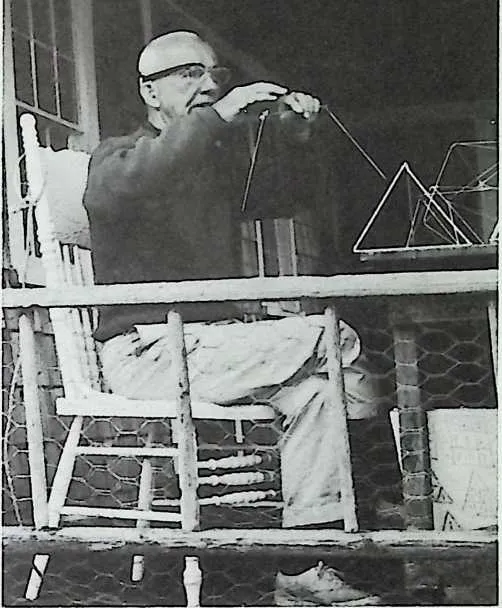
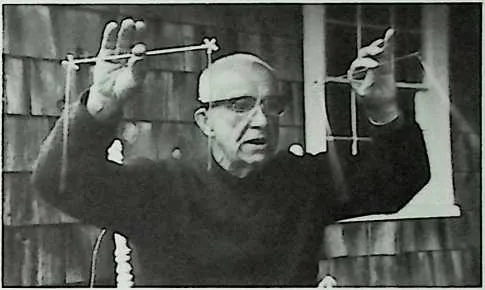
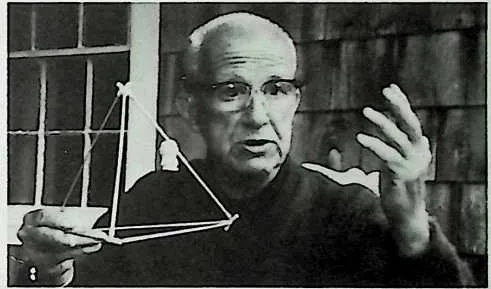
578 There's some quantity of the energy as mass, and that energy action is going in some direction, so it has a velocity relative to all our other experiences. We then take the mass and multiply it by the velocity, and that gives us the length of the line of a vector. And it's going in a specific direction in relation to our other experiences. A vector has a specific angle, and direction, and specific length.
579 There are two fundamental kinds of energy events—proton and neutron. The proton has its energy side-effects; the proton has its electron and its anti-neutrino; and the neutron has its neutrino and its positron. And each one of those is called in physics one-half quantum, one-half of Planck's con stant, one-half spin—any of those three.
580 Now, I'm going to put one half quantum together with another half quantum, and we find we must always put it together in an absolutely consistent way, joining the positive ends with the open angles—male goes to female. We put it together, and suddenly we come to our old friend, the tetrahedron, which has four triangles and six edges, or vectors, and one unit of quantum.
581 There are two other structural systems in the universe besides the tetrahed ron. The octahedron with twelve edges, or vectors, and two units of quan tum; and the icosahedron with thirty edges, or vectors, and five units of quantum.
582 So we now see a very important conceptuality beginning to characterize physics and all structural understanding. Remembering that a basic unit of quantum has six edges—or six vectors—a basic energy event has six vec tors. If I use the volume of the tetrahedron as unity, this is the one that gives me the most volume with the least structure. It gives me the sharpest, the greatest strength, because these three legs, like any tripod, are much more vigorous in their support. If you begin to flatten out like that, like your own legs spreading out, it gets weaker and weaker.
583 The octahedron has four volumes, and here I get two units of quantum. The icosahedron has almost—pretty close to—twenty full volumes, I'm getting twenty units of volume for five units of quantum invested. So we get the most volume with the least quantum in the icosahedron. So that becomes the very basic structure in nature. I use it for geodesic domes, and nature uses it for all the protein shells of all the viruses.
584 The icosahedron is still very strong because it is triangular or basic struc ture. So this is the one that gives you the most volume, and I can fortify any one of those by putting a little local tetrahedron in there, to give it the greatest strength. That's the reason I make my goedesic structures that way.
585 Remembering then our six units of vector edge,
586  I'm going to take one unit of quantum out of the icosahedron which has the thirty edges
of five units of quantum, and just leave four. So what I have to do is go around taking out one
bar like that,
I'm going to take one unit of quantum out of the icosahedron which has the thirty edges
of five units of quantum, and just leave four. So what I have to do is go around taking out one
bar like that,
587 then I'm going to have to take out another bar over here, and I come around and take out another bar over here.
588 And I go into the other hemisphere—I've taken out three so far—so now I take one out here, and take this one out here.
589 That's five. I need one more to be removed, and here it is.
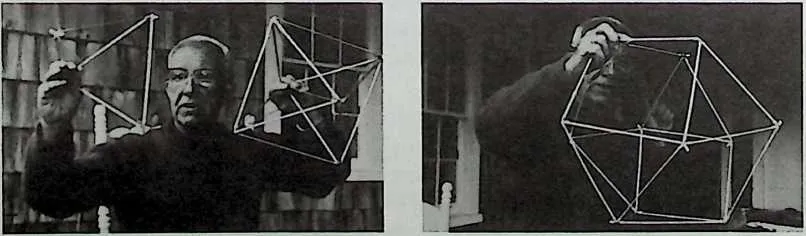
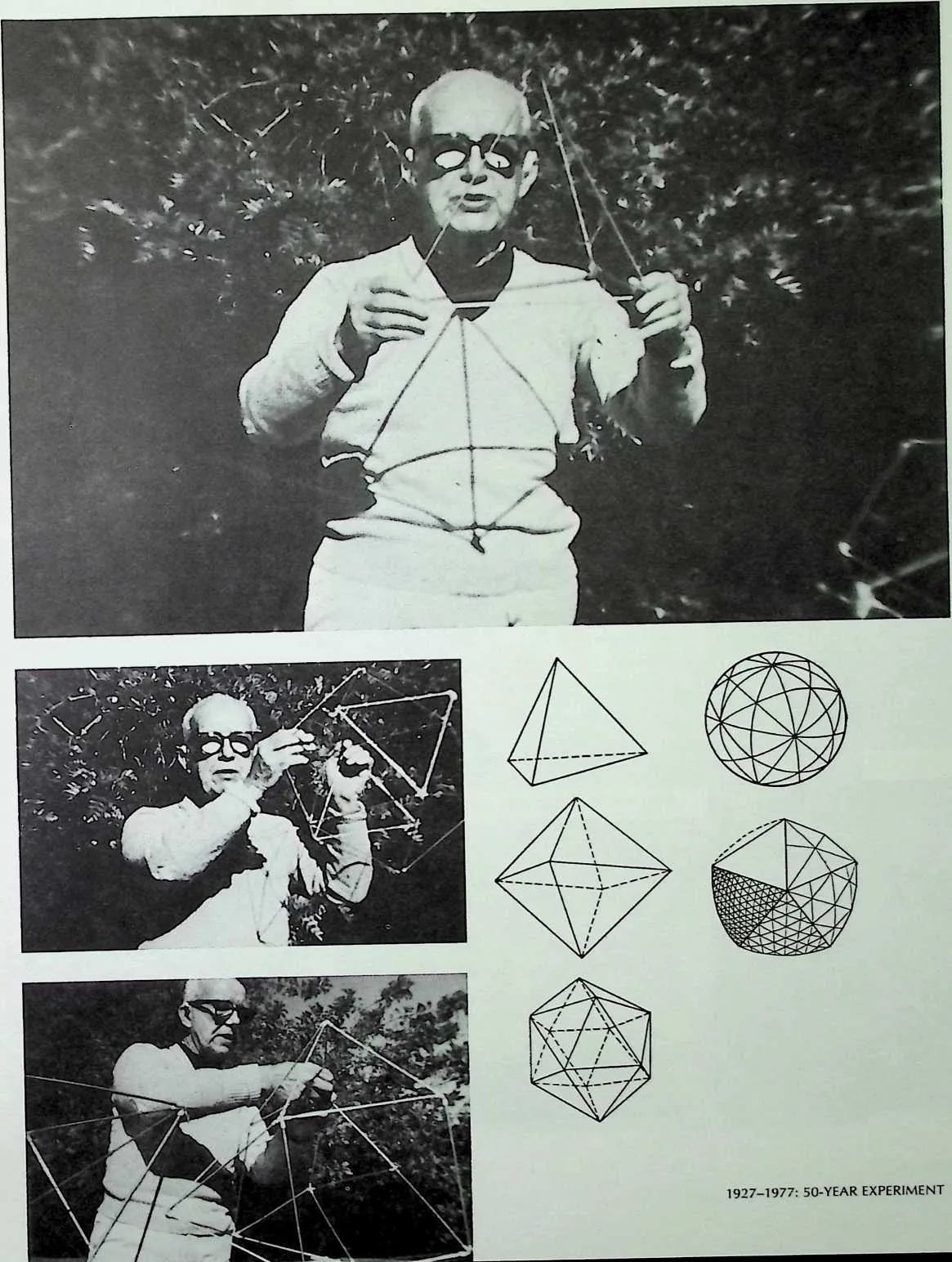
592 121
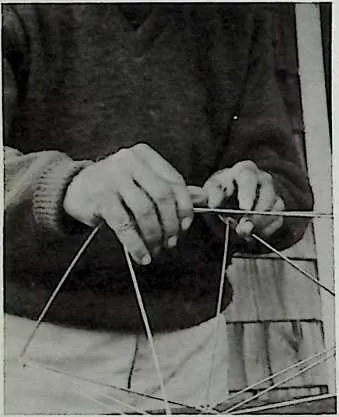
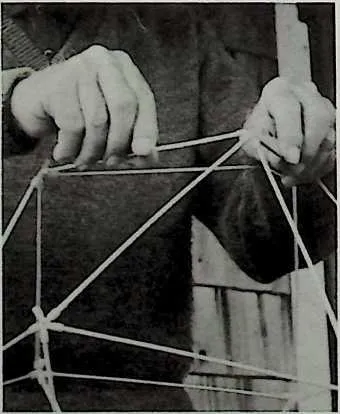
594595So we now have what we call the vector equilibrium with eight triangles and six squares. Now I'm going to articulate it. I'm going to take this top triangle and lower it to the triangle on the table; and the triangle on the table musn't twist and the triangle up here musn't; just simply lower one towards the other.
596As I start to do that, it suddenly becomes the icosahedron. And I keep lowering, and the point stays out towards you, and lower, lower, and suddenly it becomes the octahedron.
597So we see a complete transformation from the icosahedron to the octahedron.
598We see all the vectors have been doubled up, all the edges have been doubled up.
599Now supposing this were a force; if I pull on it here, this forces it to contract.
600 Supposing this were revolving in space, a whole group of stars, another great star group here, through mass attraction, simply retards this thing and forces it to contract.
601 Suppose now, I see it coming around towards me like this, in this direction. That would make this top suddenly twist, torque, and plunge through in this manner to become a tetrahedron.
602 So now we've gone from the volume of twentyness to the oneness, through a complete set of transformations: vector equilibrium through icosahedron, through octahedron down to the tetrahedron, the three basic structural systems in the universe.
603 Now we'll unwind again,
604 up we come…back again to our friend, the vector equilibrium.
605 And we find that this pumps…
606 pumping, pumping, pumping, I call it the jitterbug,
607 but the center is not twisting. This point always stays towards you.
608 So the whole system is contracting symmetrically.
609 All twelve points approach a common center at a symmetrical rate.
610 Supposing, then, that you have pressure on the roof of a building.
611 You're used to the idea of the building flattening.
612 But when you put pressure on the top of the building here, it means that the whole building contracts symmetrically.
613 The vector equilibrium contains the whole phenomenology of the universe.
614 If we put one of these twelve vertices in the center, we have four hexagons.
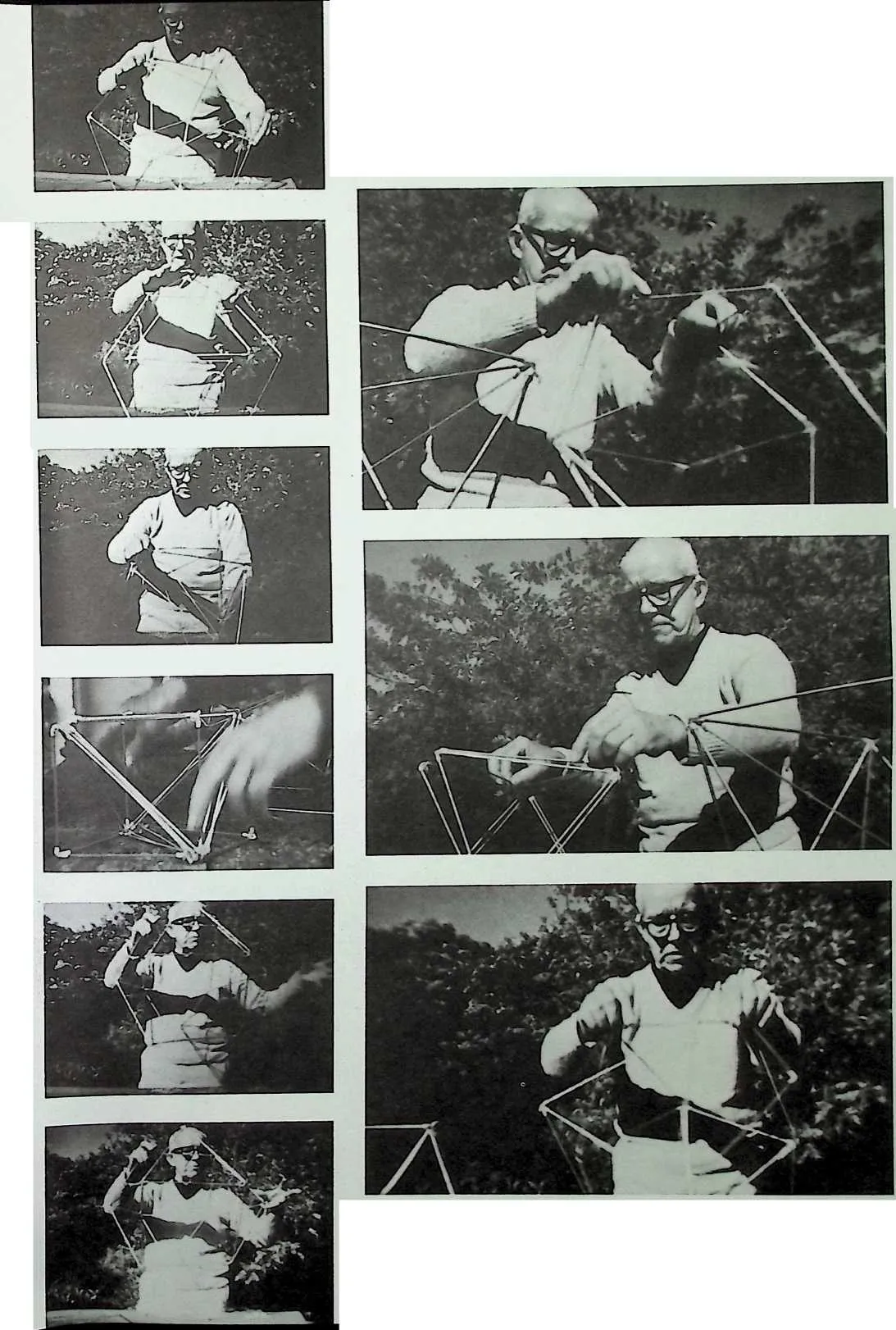
616 You can see a hexagon plane here at the center, another hexagon plane here, another hexagon plane here, and a fourth one here.
617 Each one of those had six radii; the six radii, or the twelve radii to these twelve points, are equal in value to the cords, because the hexagon's six edges and six radii are of equal value, so that the tendency to explode and the tendency to contract are exactly balanced.
618 That's called ‘‘vector equilibrium.’’
619 It represents the closest packing of spheres around one sphere. A center sphere here, and twelve spheres around it, represent the basis of all atomic packings, and all the oscillations and wave phenomena that are articulated in our electromagnetic world.
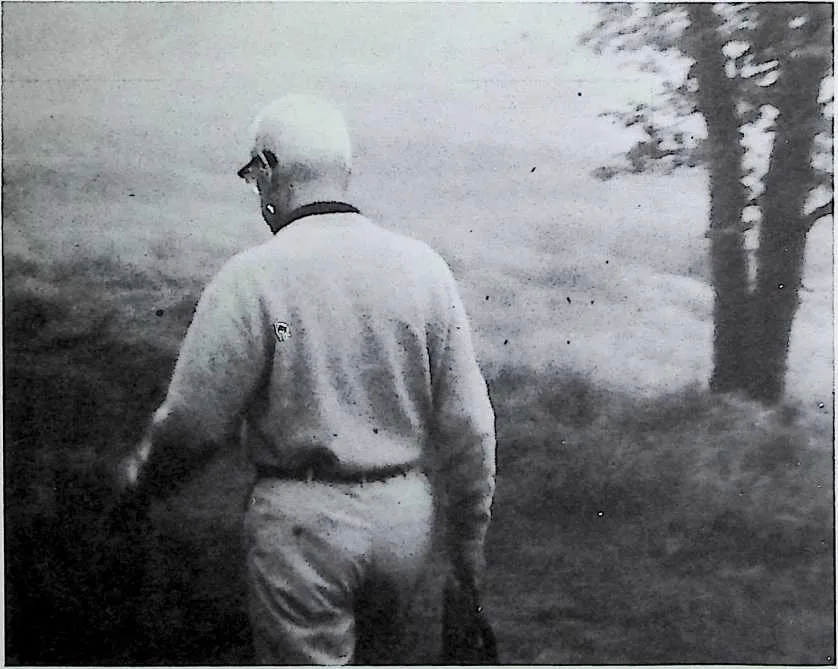
621 The vector equilibrium is never witnessed by man;
622 it is as pure as God.
623 It is truth that is approached; it is exactitude that is approached.
624 The nearest thing
625 to the total patterning of all the patterns of complexity in the universe that we can find to the universe itself, is man.
626 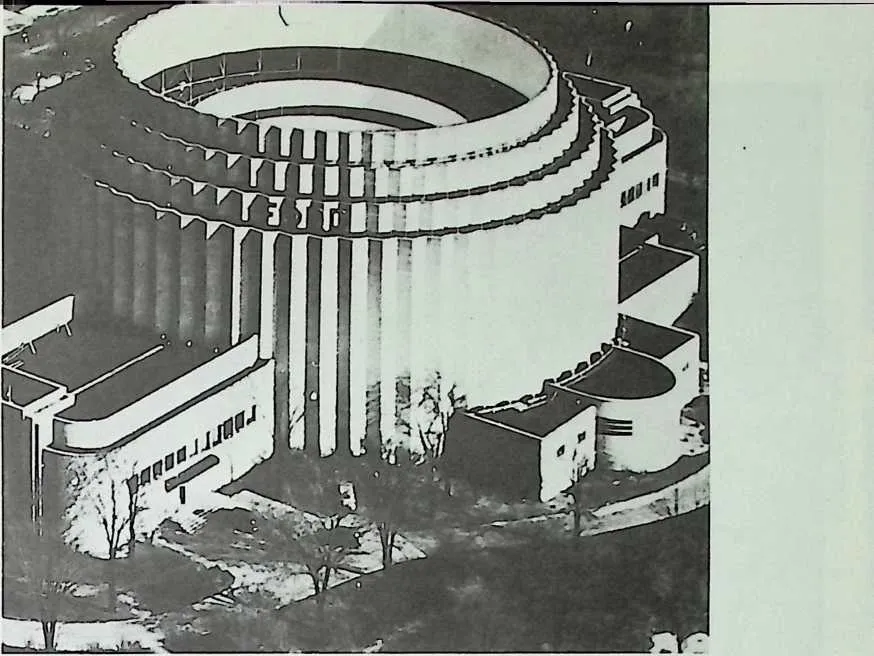 As announced in Architectural Forum (May 1953)
627 BUCKY FULLER FINDS A CLIENT
628 Young Henry Ford translates the geodesic dome into aluminum and plastic, spans 93' rotunda with 2’/a lbs. per sq'. ft. of floor area compared with 50 lbs. for steel
629630‘‘The best architectural ideas and the best engineering ideas are stymied Or Joo often discredited as screwball or dream stuff until someone is willing to back them with his dollars and prove they are as practical in fact as they are exciting in concept.
631‘‘Take the case of Buckminster Fuller and his geodesic dome. For 20 years everyone has recognized Fuller as one of the most prolific idea men in architectural engineering. For 20 years everyone has said that some day somebody would revolutionize building by realizing Bucky's dreams.
632‘‘Ford was intrigued by Fuller's dome for three good reasons: The old Rotunda Building could not carry a 160-ton conventional dome of steel —
633 j / 'the 60' tall cylindrical well would have split apart'—but it could easily carry the 8V2-ton geodesic dome of aluminum…Fuller's photogenic structure is a public-relations man's dream…. The structure was assembled
634635
* in 30 working days.…Fuller had to resort to what he called aircraft-building technology. Try dome's many and interchangeable parts were factory cut and drilled to tolerances of 0.005". Elimination of on-site dimensioning and fabrication let Fuller carry aircraft tolerances over into the building field.’’
636 The basic unit, an aluminum alloy strut, three feet long and weighing only five ounces, 19,680 of which make up the 93-foot umbrella dome: struts make a triangle; three triangles make a tetrahedron; two tetras make an octa; twenty-five octas make a triangular octet-truss section; each pie-shaped section is laid into the growing umbrella.
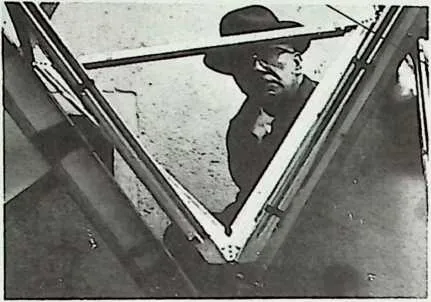
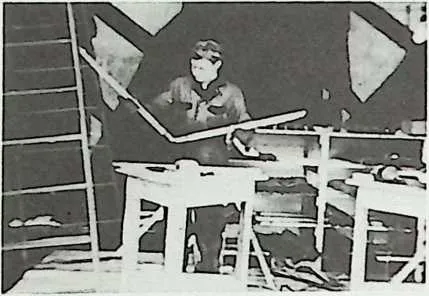
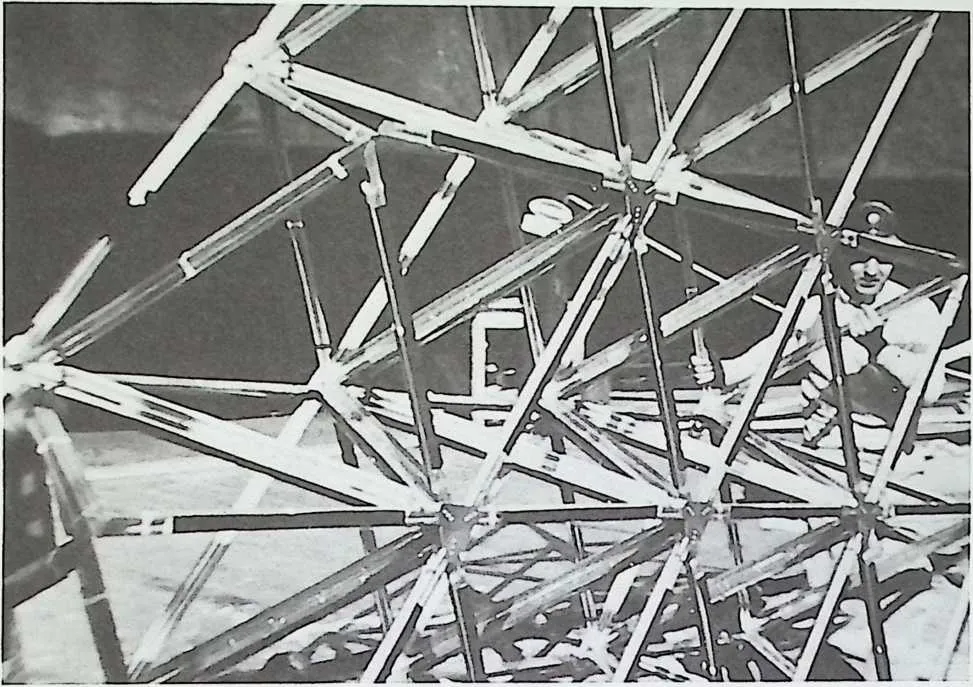
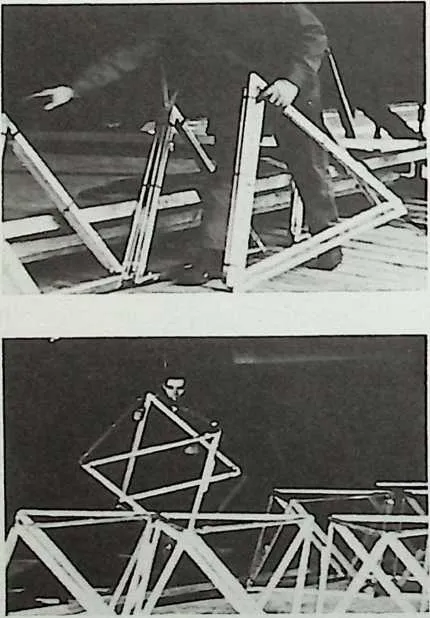
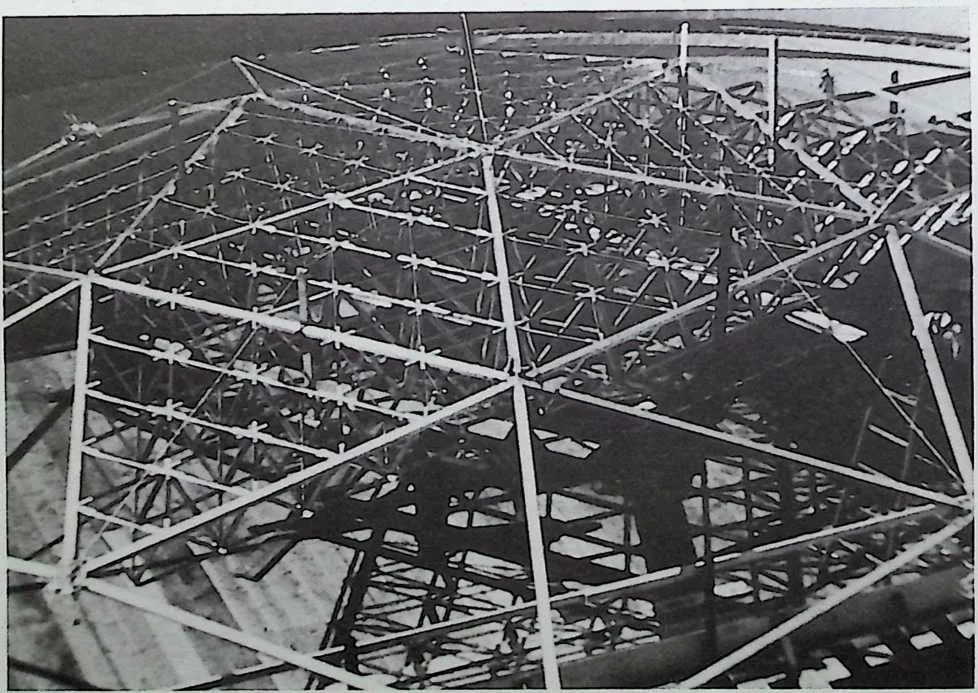
638 
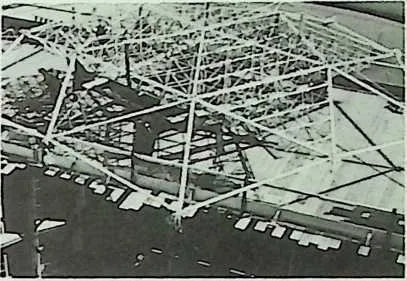 The dialogue between tetrahedron and evolving sphere is a union of opposites.
The impulse of energy that activates growth is riveted to its opposite, control of growth; molecular
tension seesaws with compression: nature's breathing and regenerative process. Outward and
inward space respond to each other, sphere within sphere, swelling and opening to a careening
geometry of Gothic immateriality.
The dialogue between tetrahedron and evolving sphere is a union of opposites.
The impulse of energy that activates growth is riveted to its opposite, control of growth; molecular
tension seesaws with compression: nature's breathing and regenerative process. Outward and
inward space respond to each other, sphere within sphere, swelling and opening to a careening
geometry of Gothic immateriality.
639640
M.C. Sonnabend, my collaborator on the Titan, came up with a quotation from Shakespeare that seemed especially appropriate for Bucky:
641 The poet's eye, in a fine frenzy rolling,
Doth glance from heaven to earth, from earth to heaven;
And, as imagination bodies forth
642 The forms of things unknown, the poet's pen
Turns them to shapes, and gives to airy nothing
A local habitation, and a name.
643644—Midsummer Night's Dream, Act V, Sc. 1
645Eventually we dropped the first two lines. But bodying forth the forms of things unknown, turning them into shapes, and giving to airy nothing a local habitation-surely, that was Bucky; the name? geodesic domes.
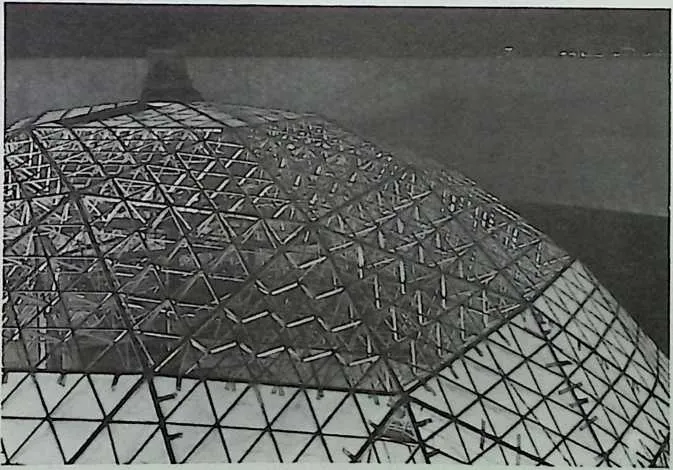
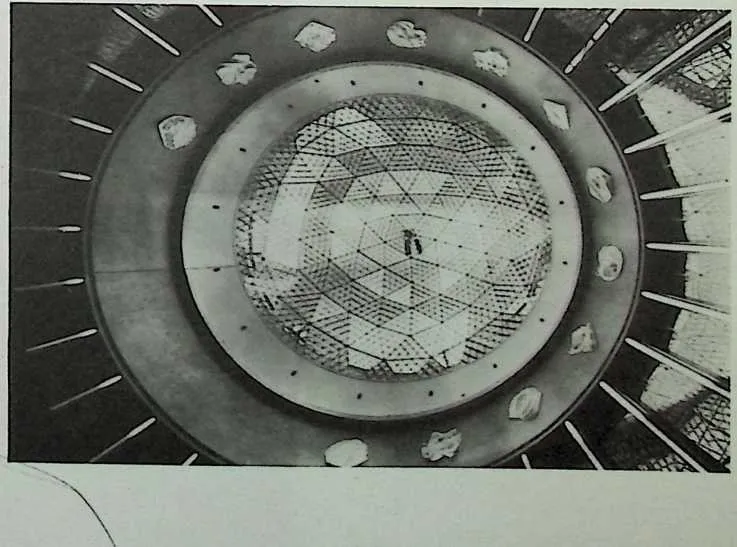
647 Bucky's ‘‘dream stuff’’ now finds ‘‘a local habitation and a name,’’ the geodesic dome. As commissions start to come in from various government agencies and private sources, small and large, they begin to proliferate: any material—preferably the new, lightweight aluminum alloys or Fiberglas; any size or configuration-hemi-, three-quarter, five-eighth, full sphere; built inside-out, as was the Ford dome; outside-in as the Wood's Hole dome; skin and bones become one in the Kaiser dome; skinless as the American Society of Metals structure.
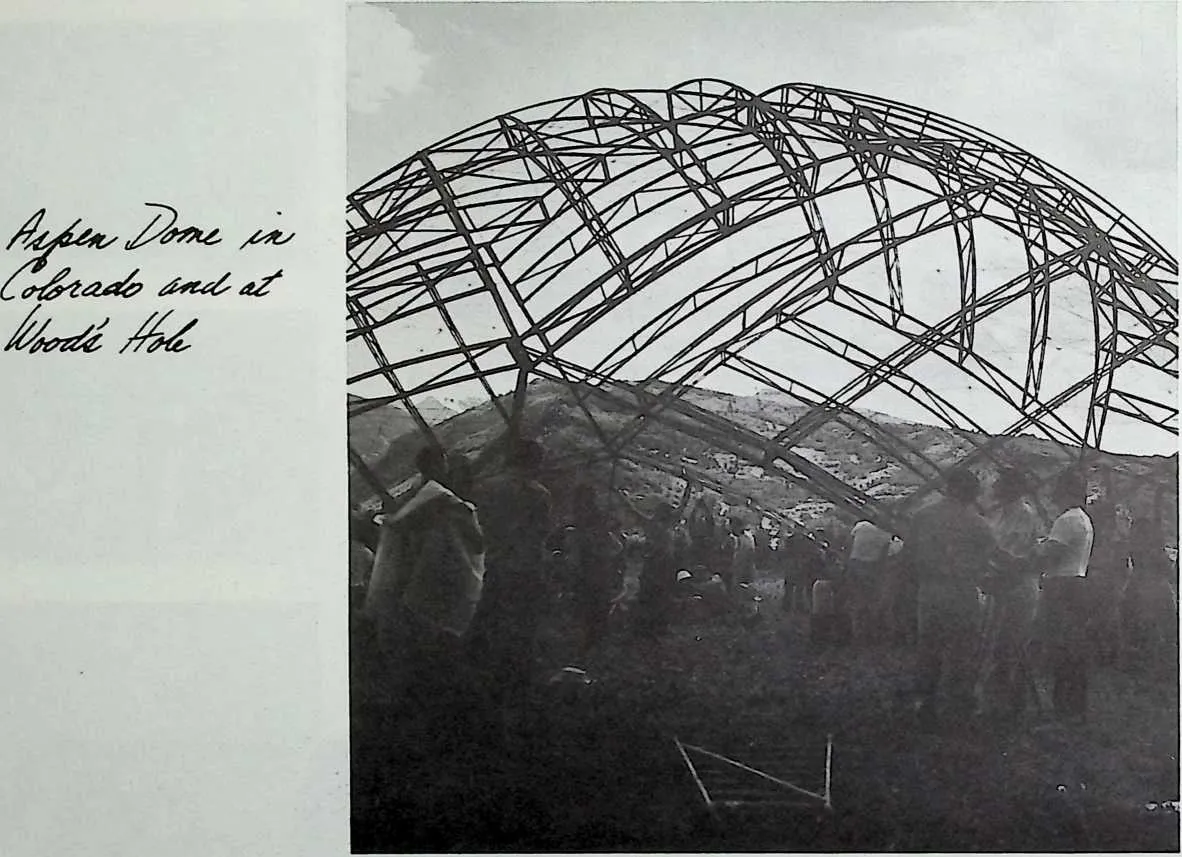
649 The 36-foot, wood-strutted, plastic-skinned dome which we developed at the University of Minnesota; the students assembled it in an hour and a half at the Aspen, Colorado, Design Conference. It was then trailered to Wood's Hole, Mass., where, assembled with a canvas skin, it served as the shelter for the crew that worked on the dome restaurant Gunnar Peterson commissioned: a fifty-five footer, wood-strutted, mylar-skinned, i
650 The dome rises with the controlled simplicity of a natural event—in-dwelling process takes outward visible form: a house, a spider's web, or a star.
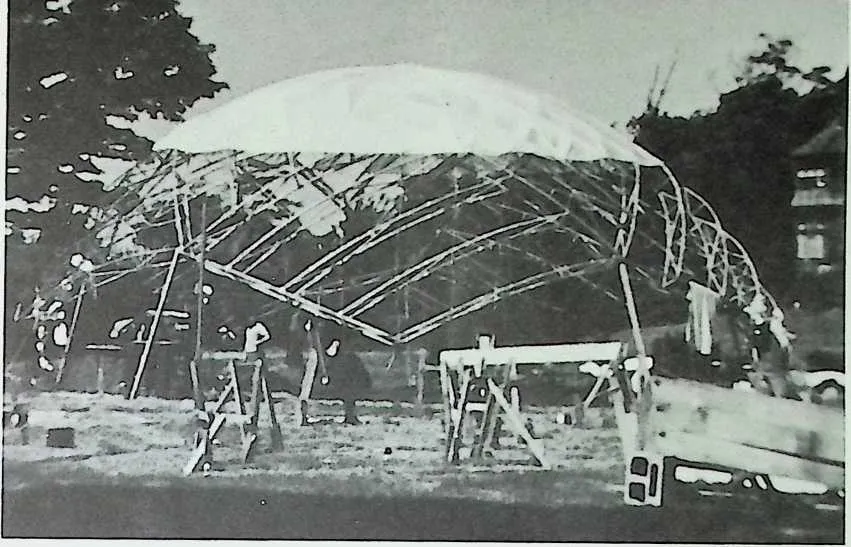
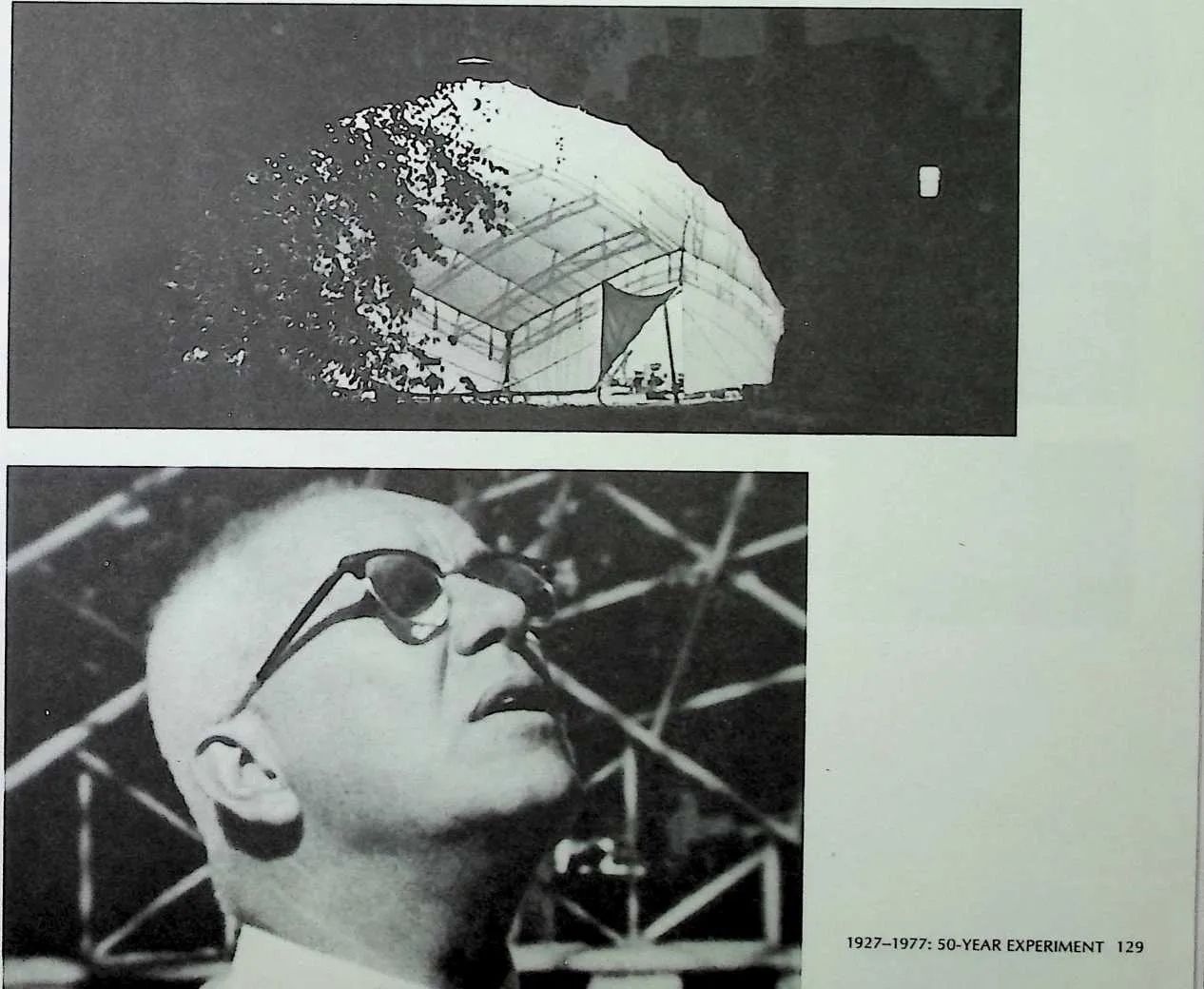
652 130 1927-1977: 50-YEAR EXPERIMENT
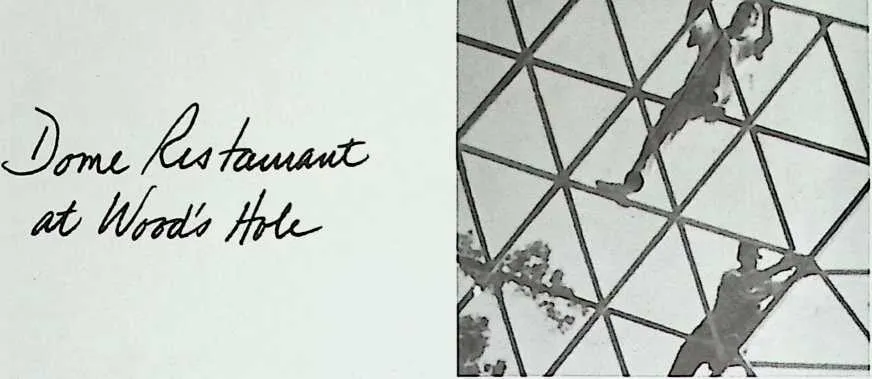
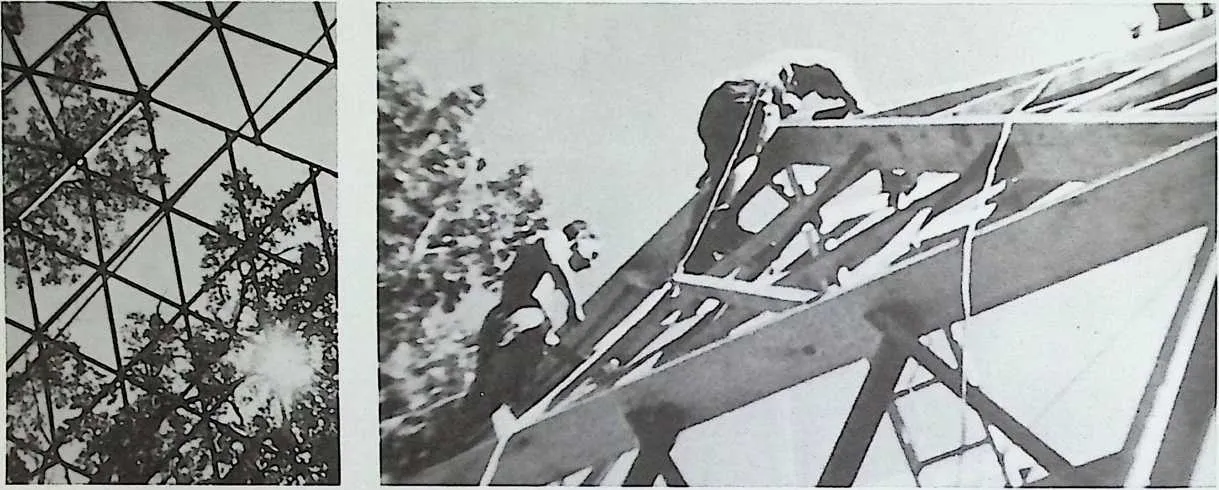
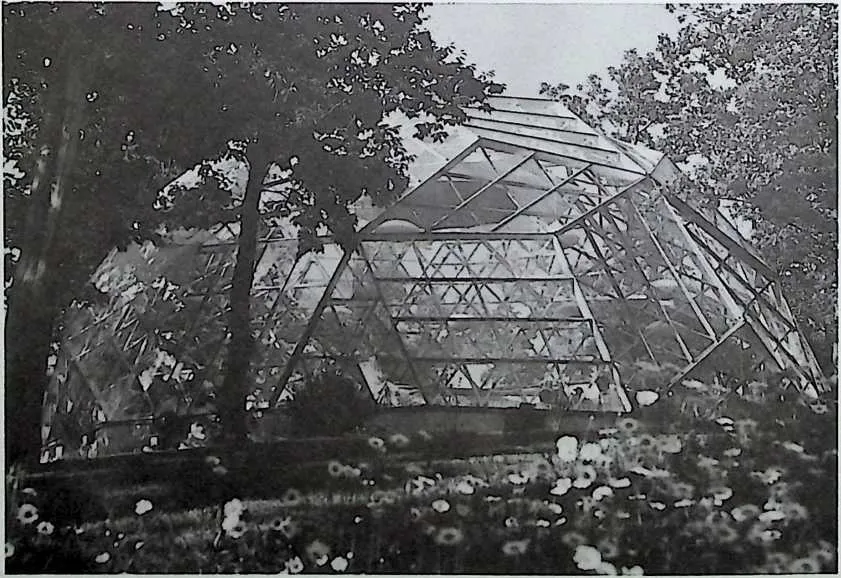
654 In the Kaiser dome which was developed by my student, Don Richter, skin and bones are one—roof and wall blended—as the geometry is impressed into the aluminum pans.
655 Manufactured in Oakland, California, the 145-footer was erected in Honolulu in 22 hours. At the 22nd hour, the Hawaiian Symphony Orchestra and the audience of 1,500 persons were seated. Henry Kaiser flew in for the opening, but they beat him to it.
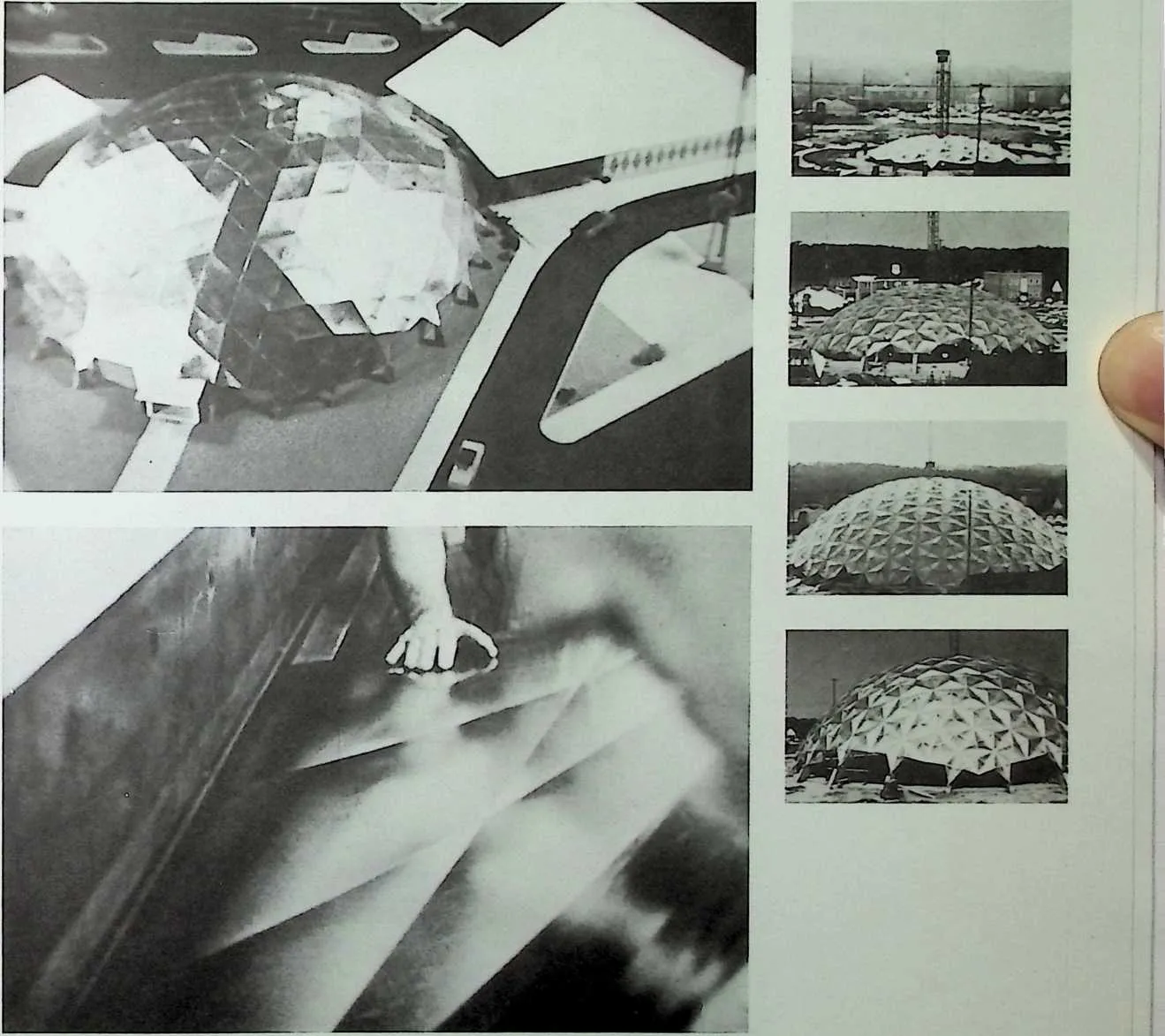

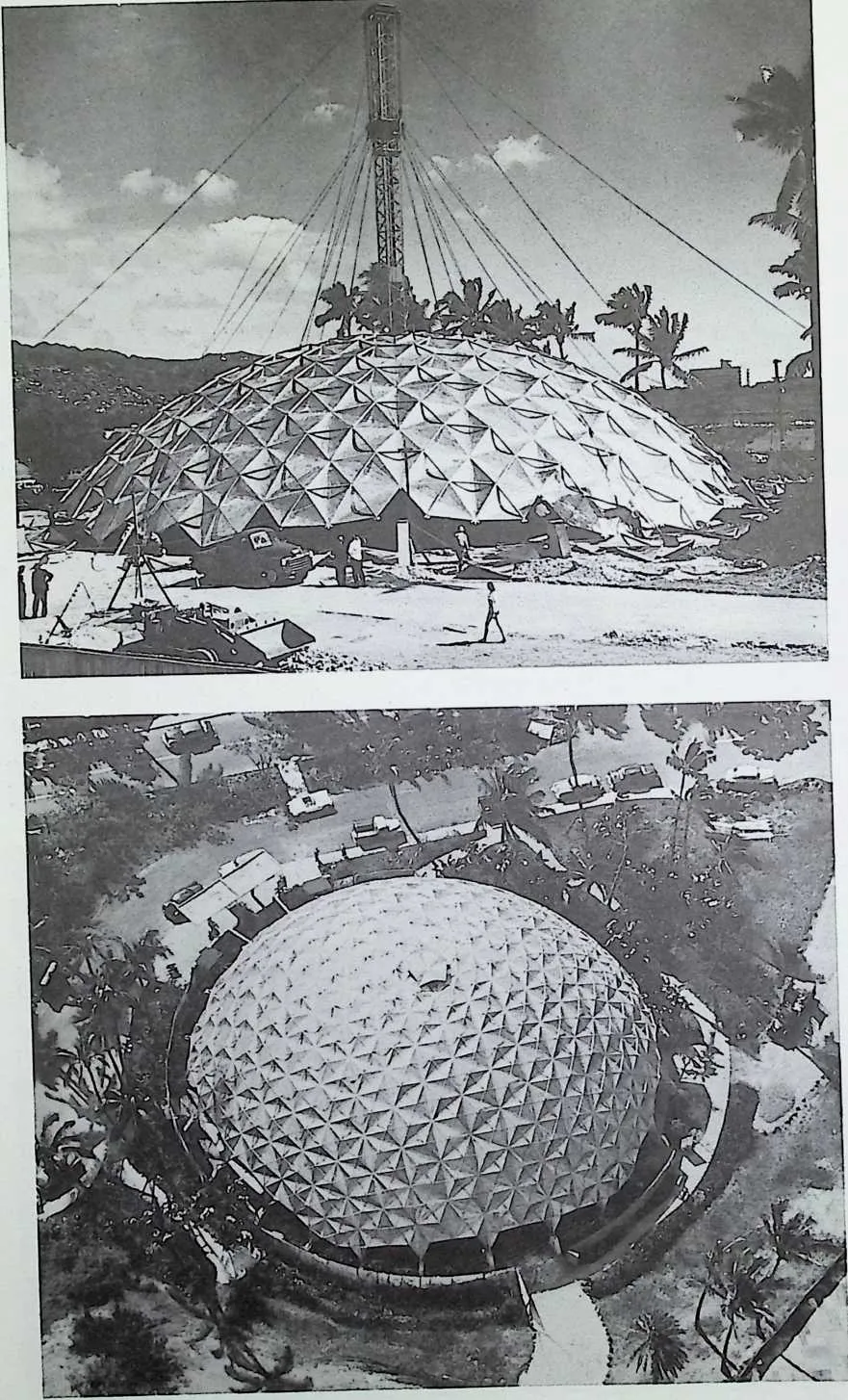
658 132 1927-1977: 50-YEAR EXPERIMENT
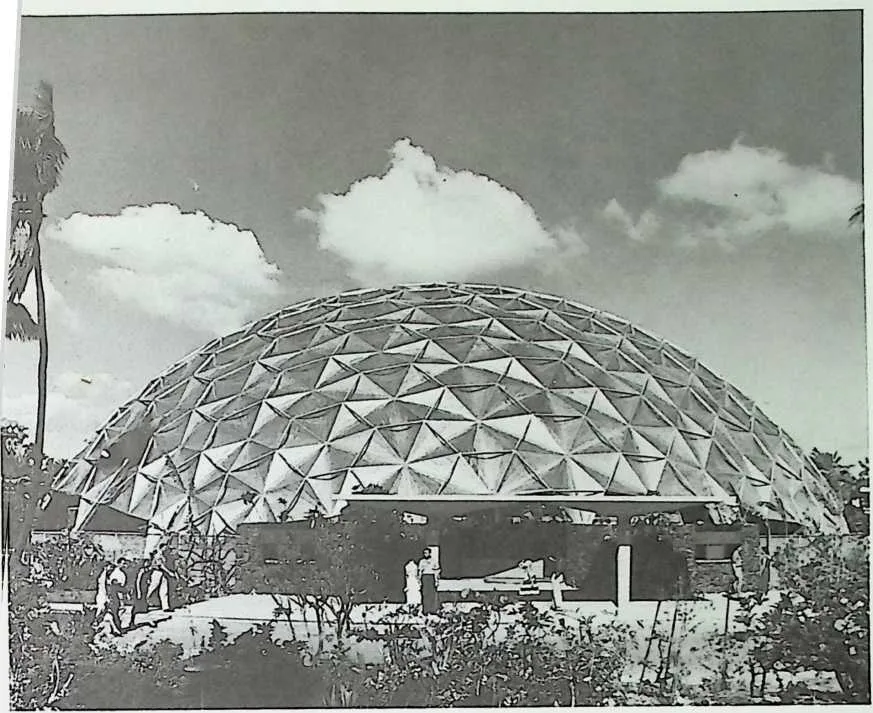
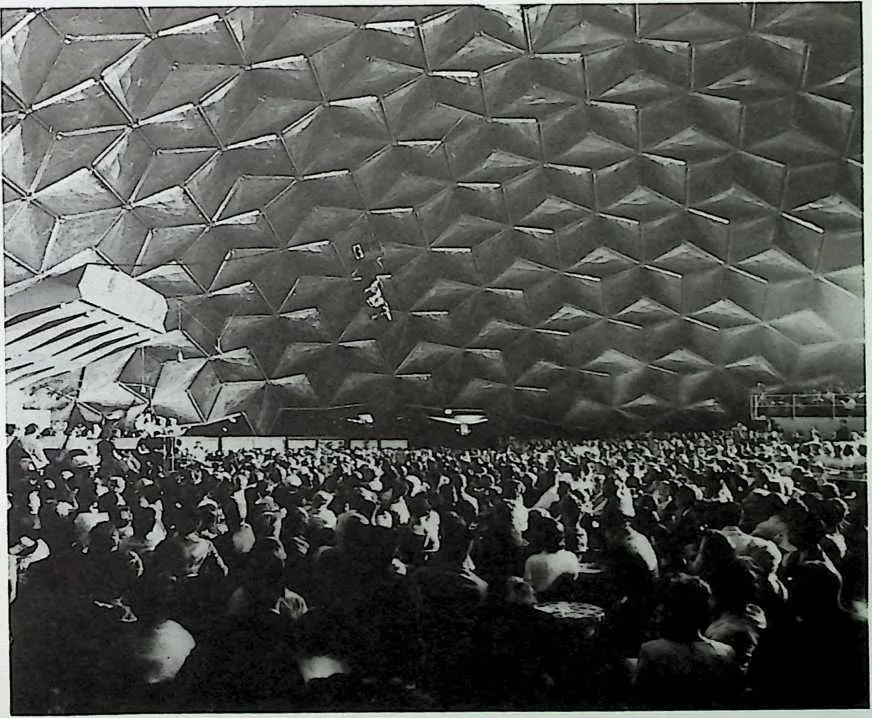
661 The covering for the headquarters of the American Society of Metals, Cleveland, Ohio, is all framework, 250 feet in diameter. The hexapent, wire-wheel truss, double dome was erected by the North American Aviation Company.
662 A web of light carries the magnificence of Bucky's ideal to its most ethereal form. From out of the heart of his developing thought, the idea of cosmic growth, orbiting outwardly and inwardly, rises like a hymn in praise of order: pure sculptural form, a ‘‘roof of sky.’’
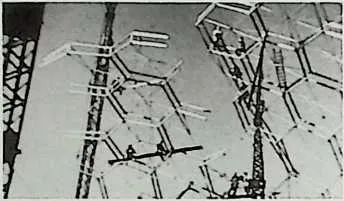
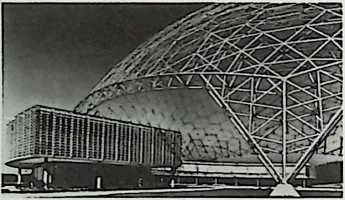
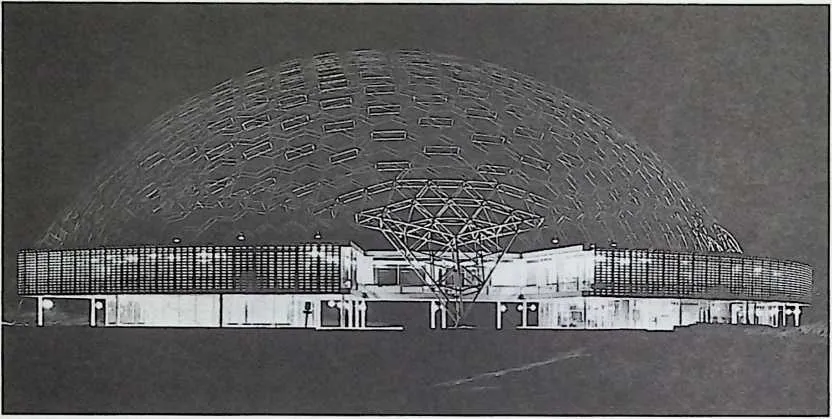
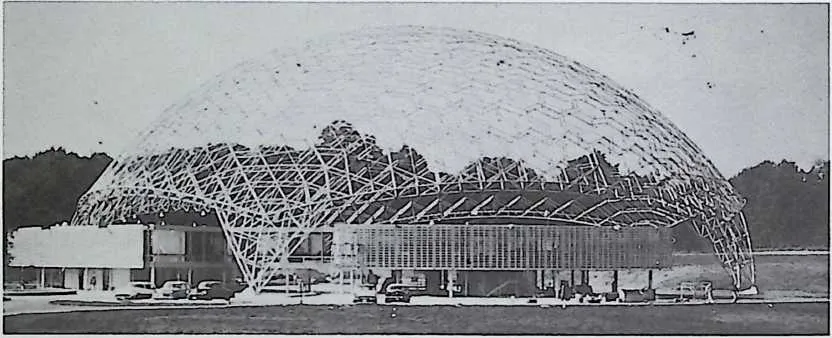
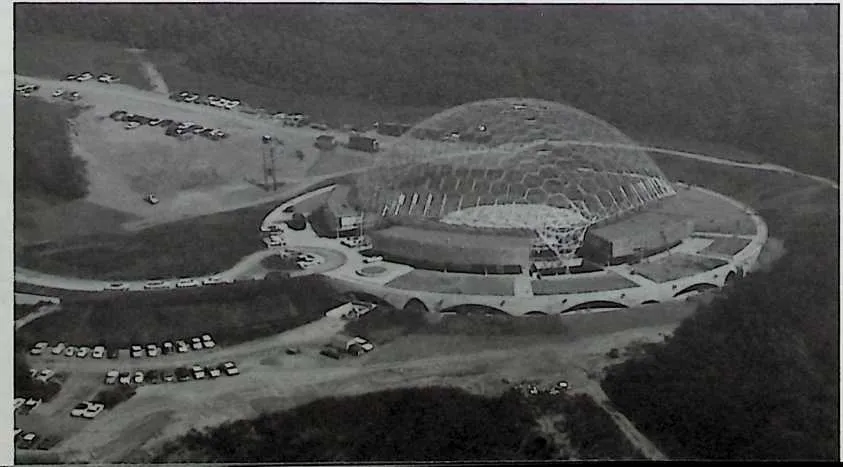
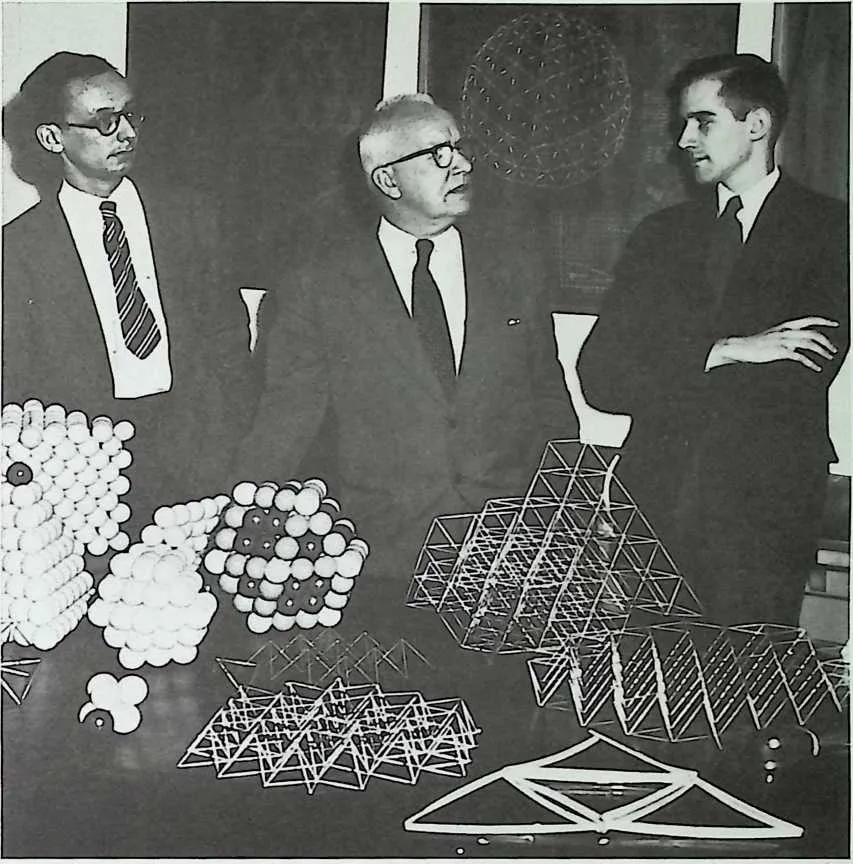
665666Keeping pace with such commercial commissions, to be sure, were the requests from various university architecture, engineering and design departments for Bucky to give design workshops. Here he tackled specific structural problems and experimental artifact solutions with the groups of students that flocked to participate. It should be evident that Bucky would not neglect the workshops for the commissions. Frequently, they ran pari passu; and, frequently, this led to crossed wires. Thereby, inevitably, hangs a tale.
667The U.S. Marine Corps commissioned Bucky to do a ‘‘Lightweight Shelter Study’’ which involved prototype design and development of shelters and hangars for Marine Aviation advanced bases.
668For this two-year undertaking, Bucky recruited as his principal assistant, James Fitzgibbon of the faculty of North Carolina State College in Raleigh, where Bucky had been a visiting professor. Simultaneously, he kept up his commitments to the growing number of college workshops around the country. He kept in touch with the work at Quantico, under the supervision of Colonel H. C. Lane and Fitzgibbon, by long, long-distance telephone calls.
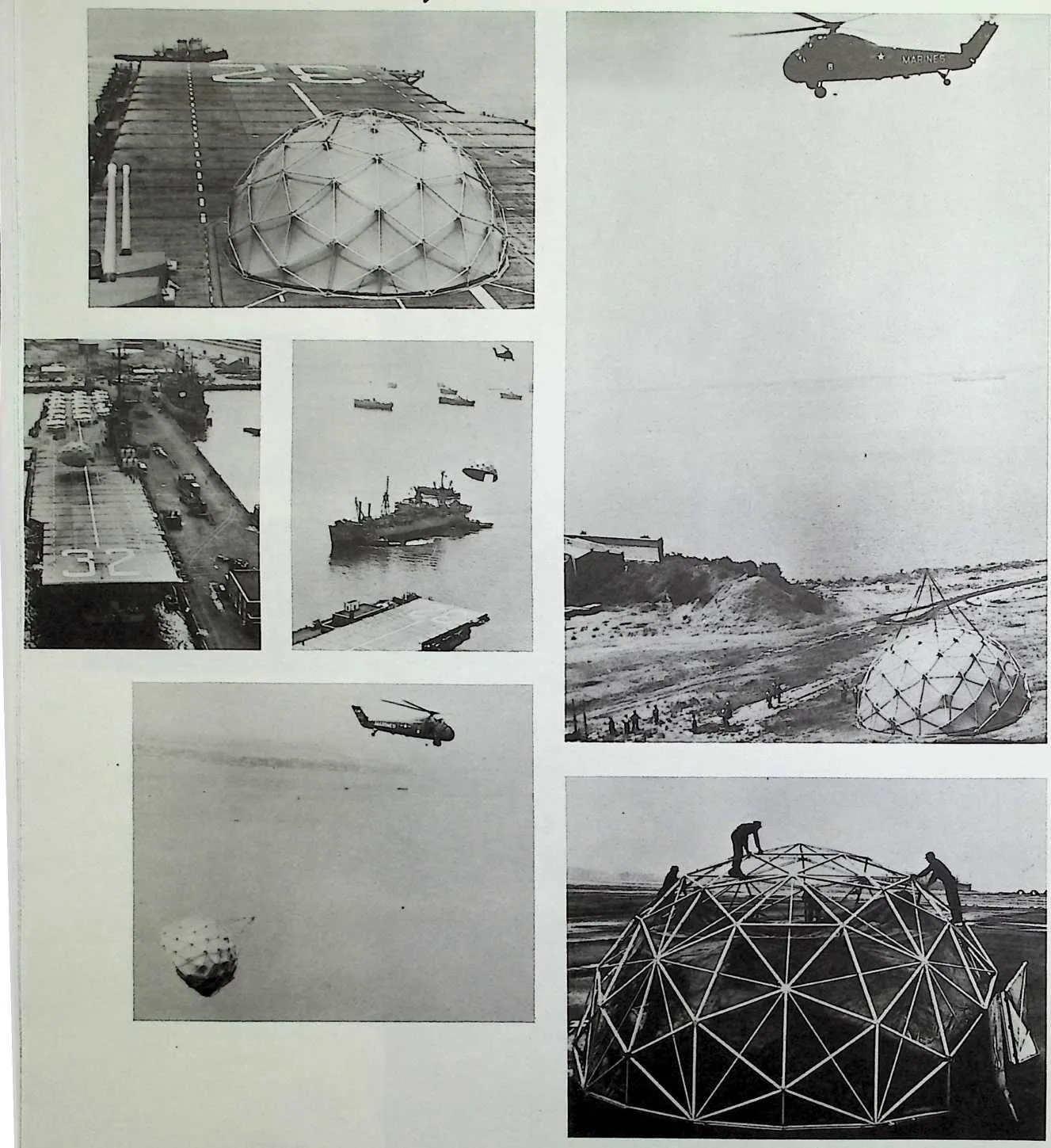
671 One month, the Marine Corps found its communications budget going over the top, and a cautionary word went around the base. One of the Marine staff who faced a problem reached Bucky by phone at Tulane University and anxiously pleaded for a quick answer to a simple question; two hours later the crestfallen lieutenant hung up the phone.
672 ''Dammit,'' fumed the administrative supervisor, ‘‘I warned you; now, if you have to talk to Bucky, we've got plenty of fuel, so fly to wherever he may be; but don't—and this is an order—don't telephone him!"
673 Despite the flaps, perhaps because of them, the project was successfully completed. In his official report, Col. Lane called the geodesic domes ‘‘the first major improvement in mobile military shelters in 2,600 years.’’
674 As Business Week commented: ‘‘On the ground, there was nothing particularly extraordinary about the shelter[!] which was 30 ft. in diameter, 15 ft. high, weighed 1,190 lbs., and could accommodate 30 men. The model was a five-sixth scale model of the planned type.
675 "What was extraordinary was that a standard Sikorsky HRS-3 helicopter hitched onto the shelter, hoisted it aloft in a 15-mph. wind, took it for a ride at 40 mph.’’
676 The N. Y. Times and Herald Tribune gave it front-page-left coverage: "Marines Try Out Flyable Shelter —'Flying House' Is Carried By Marine Corps Helicopter.’’ The Illustrated London News carried two photographs of the ‘‘portable hangar’’ under the page banner, ‘‘Notable Air News: Experiment, Achievement and Adventure.’’

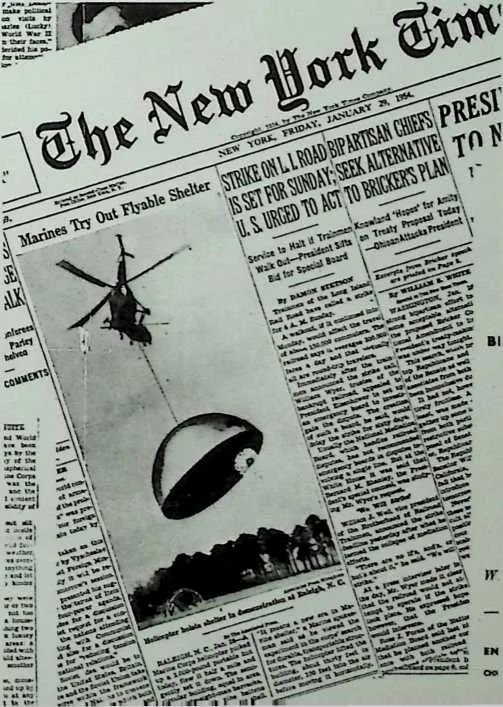
678679A few of the experimental structures were even more Buck(y) Rogers than the Marines' helilifted domes: would you believe a ‘‘Dynamic Dome,’’ a
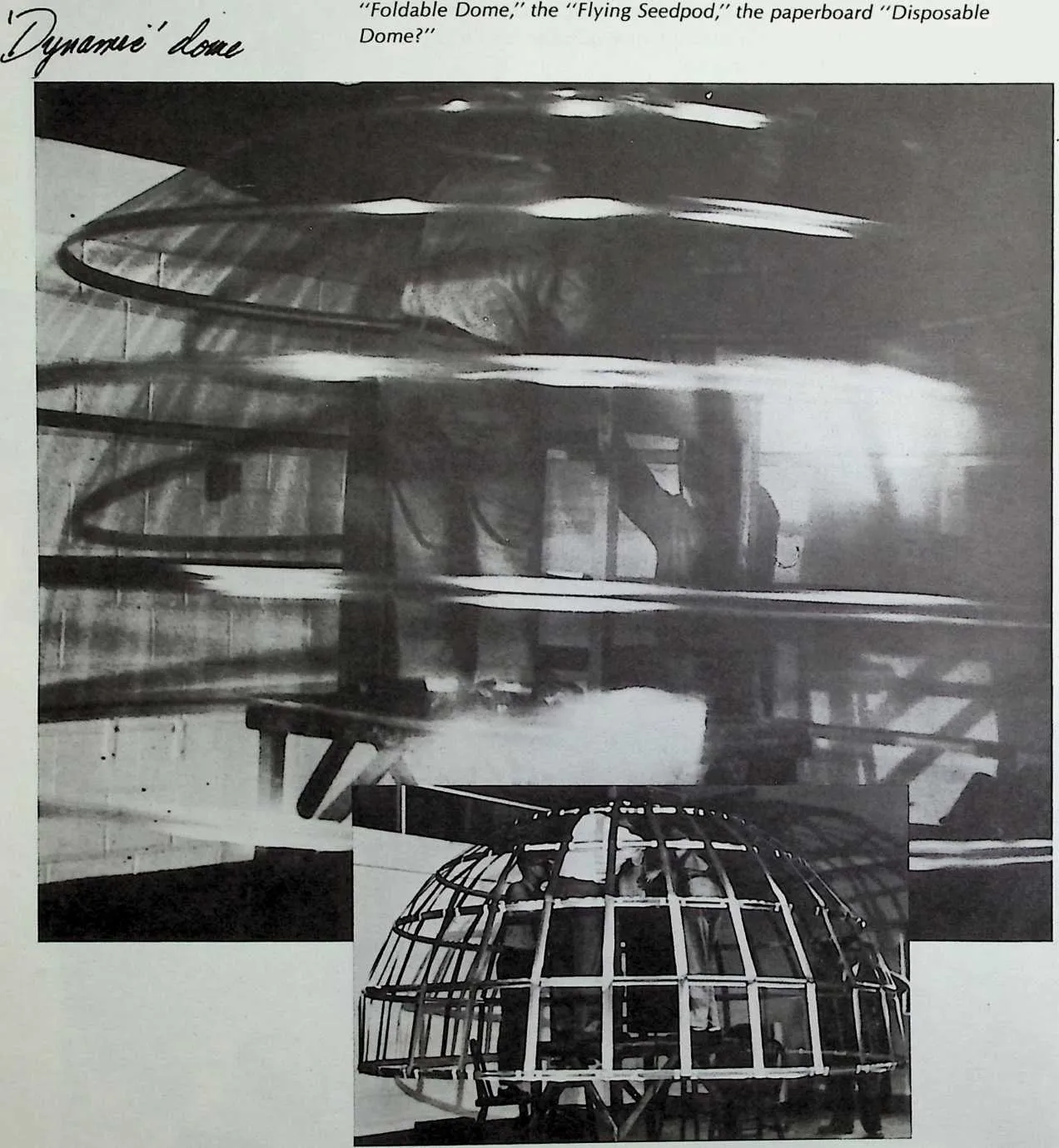
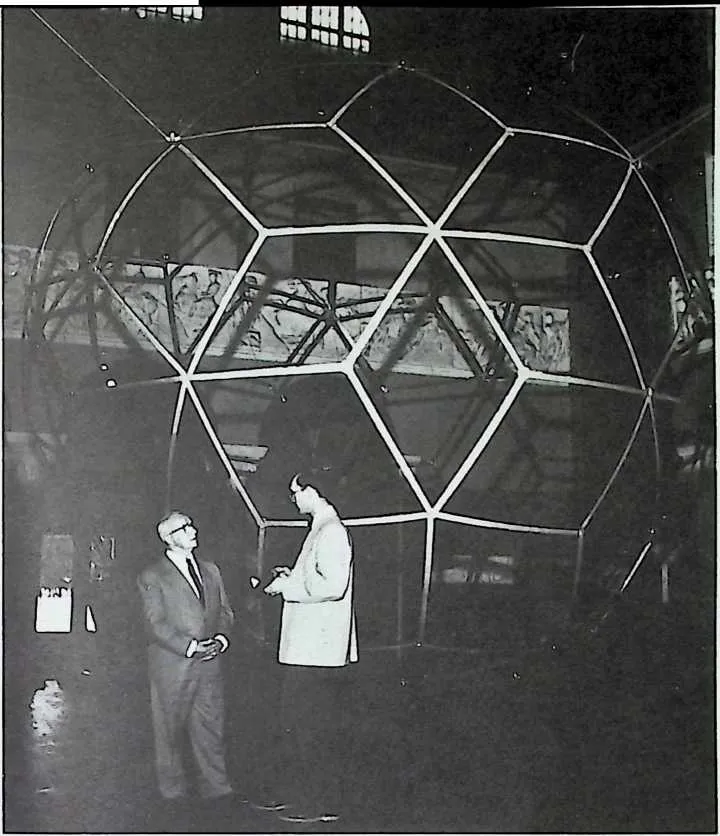
682 I
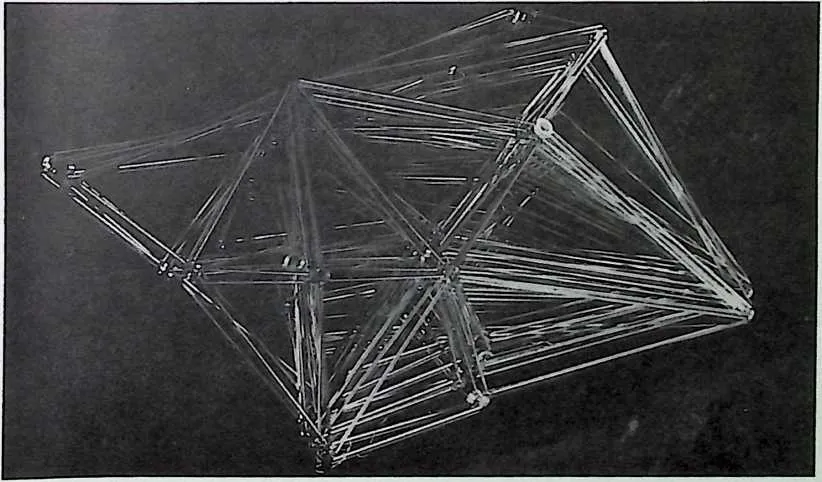
684685A thirty-one-great-circle necklace of tubular beads on an internal thread of cable could be folded up in a tight package. When you unfold the necklace, it could be tightened at its equator until it's a rigid hemispheric grid-frame. We experimented with a number of these at Cornell, Oberlin, and the University of Michigan.
686 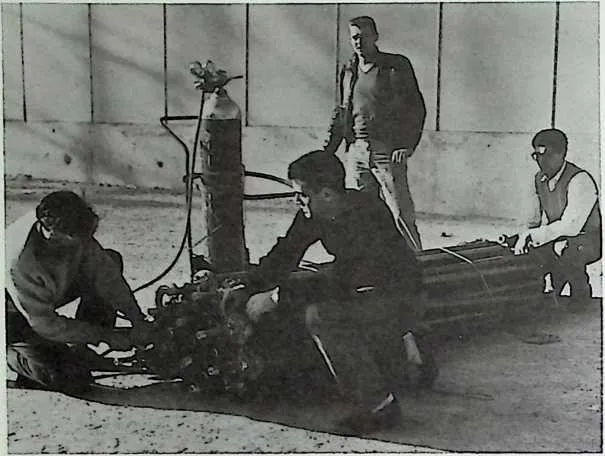
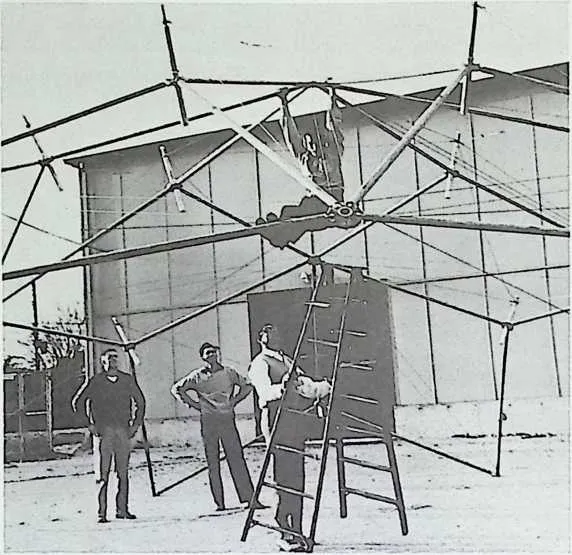
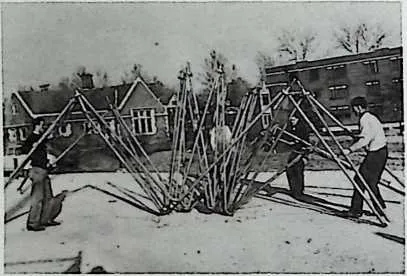
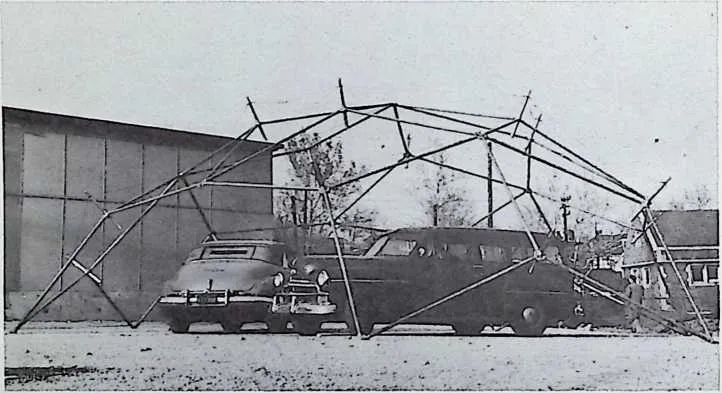
 If somehow the beads of the necklace could be powered and the
folded necklace flown and dropped—at Washington University, St. Louis, Missouri, in 1954--55,
the ‘‘Flying Seedpod’’:
If somehow the beads of the necklace could be powered and the
folded necklace flown and dropped—at Washington University, St. Louis, Missouri, in 1954--55,
the ‘‘Flying Seedpod’’:
687 Magnesium ball-jointed tripods (ball-jointed at their feet) were tensionally opened by piston-elevated masts, driven by 200-pound gas pressure in cylinders located at each vertex of the structure. As the wing-flyable bundle stood upright, a pulling lanyard permitted the 42-foot dome to open and erect itself in 45 seconds. I could foresee the development of air-droppable and rocketable remotely self-installable, controlled environments.
688 I was always fascinated by the lightest weight materials, such as paperboard; and we tried out a few—a small 30-footer at Yale University Architectural School; a larger one, coated with polyester resin, at Tulane, in '54; even one for the Marine Corps. Since the geometry—cut, folds, assembly instructions—could be printed on the corrugated Kraft paperboard sheets, it might one day be printed like a newspaper. Shoji and I rushed out a forty-two-footer for the U.S. entry in the 1954 Milan Triennale. It was installed in the garden of the Castello Sforzesco; furnished as a bachelor apartment, it won the Cran Premio.
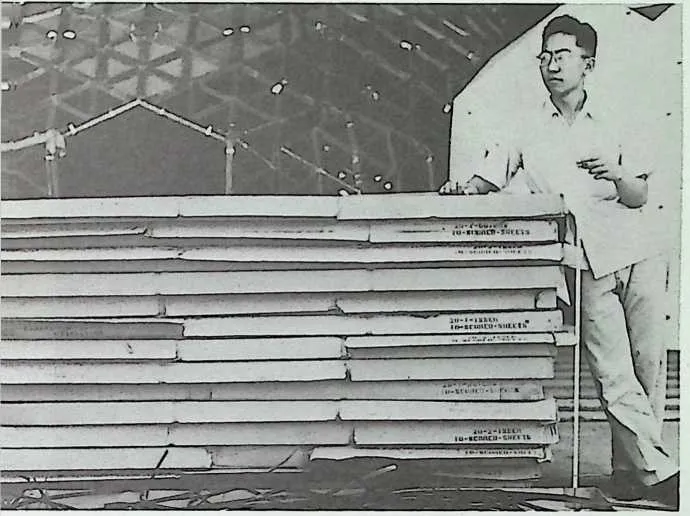
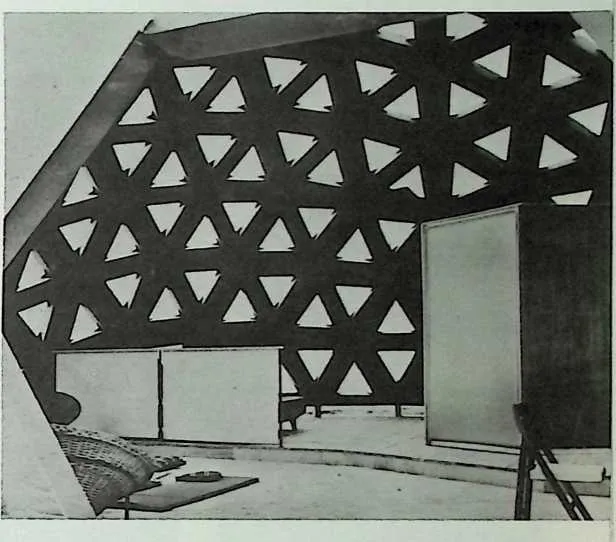
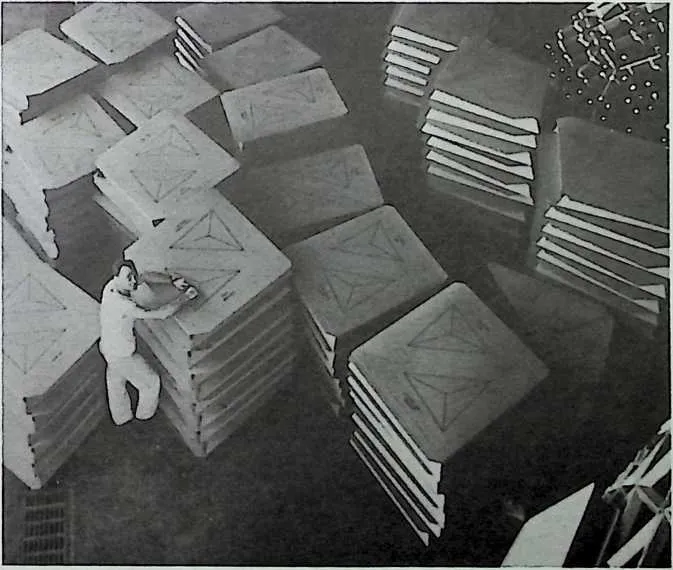
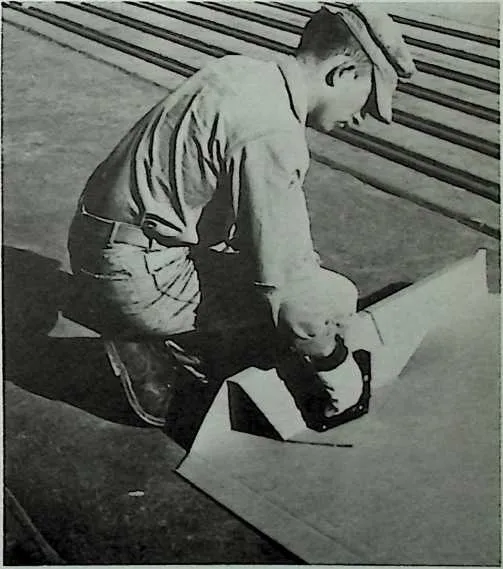
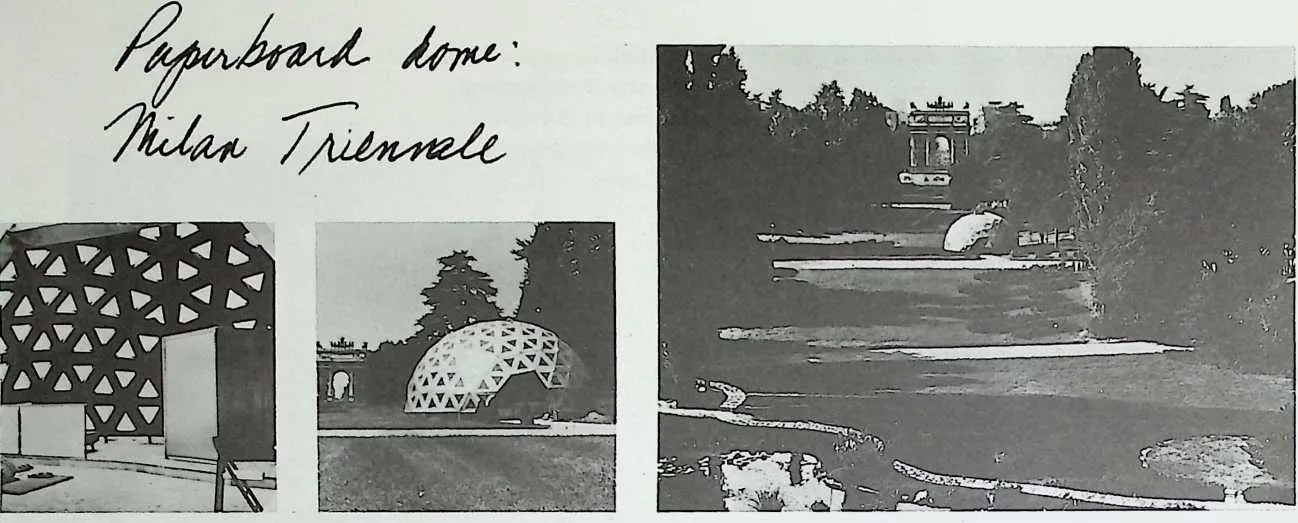
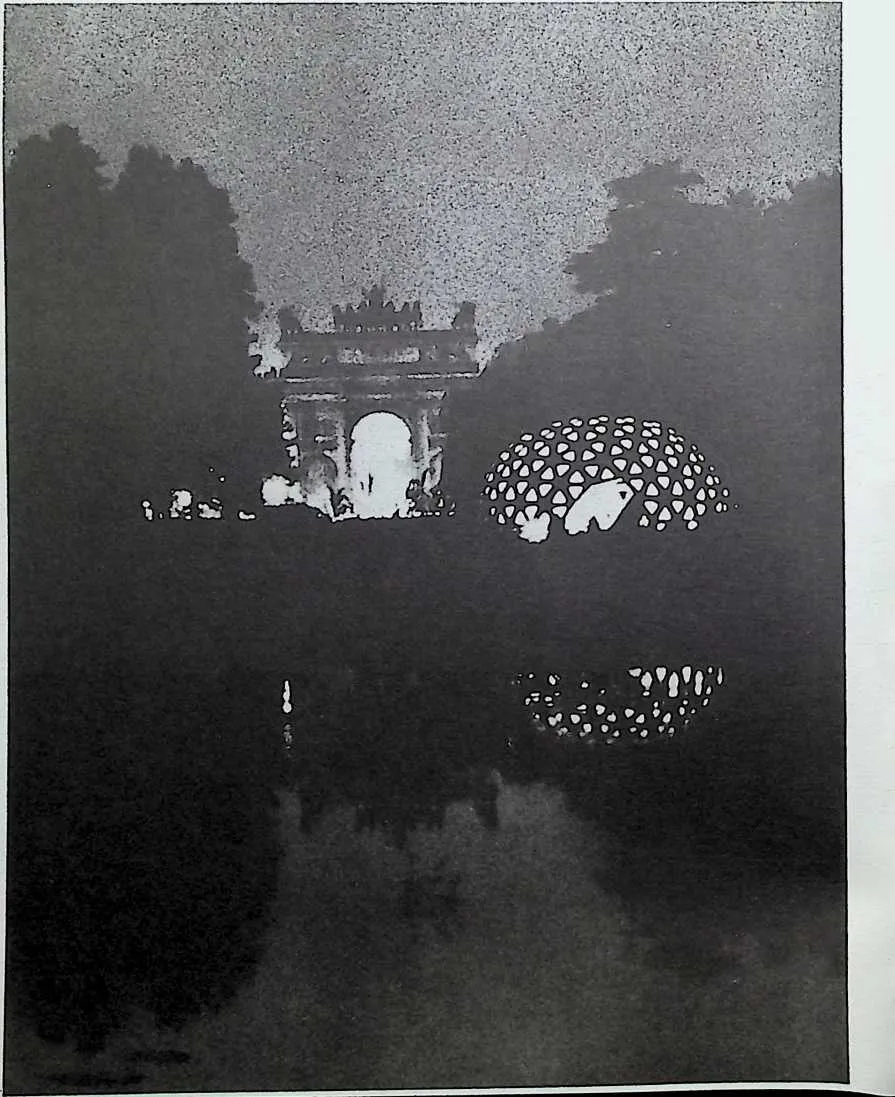
692 To house the radar stations of its Distant Early Warning system, along the Arctic perimeter, the Air Force required a structure that could be flown and set up within a 24-hour weather margin, withstand a 150-mile-per-hour wind, and be radar-proof. Metal was out, so Bill Wainwright and I designed a polyester Fiberglas pan module.
693 :■
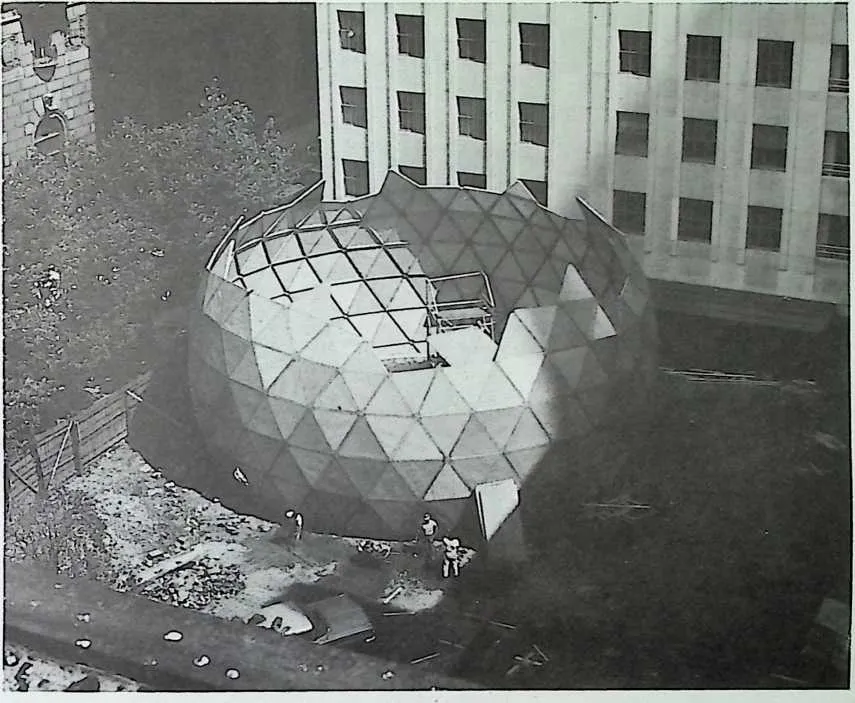
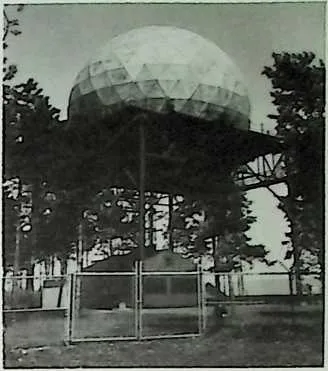
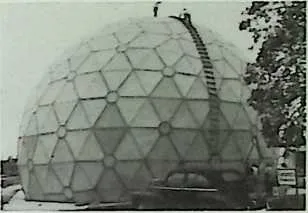
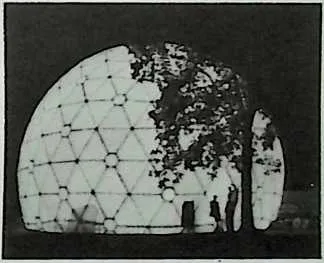
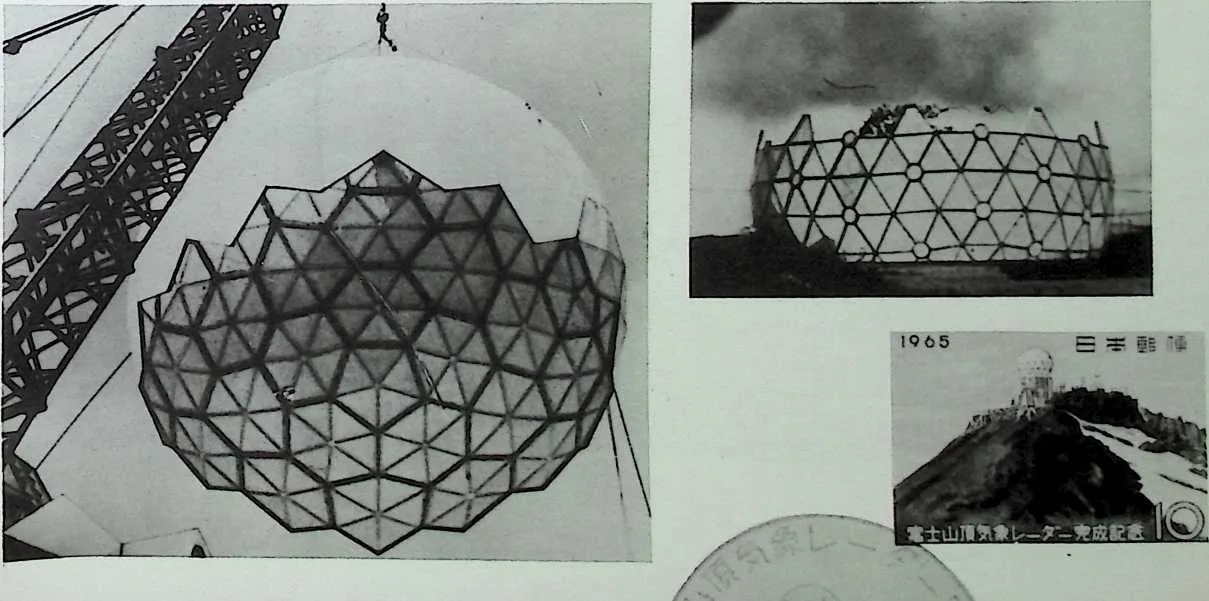
695 With the success of the paperboard dome at the Milan Triennale, an international design arena, and the Fiberglas Radomes of the Air Force's DEW-line, the U.S. government's Office of International Trade Fairs recognized, as had Henry Ford II before it, the public relations as well as the practical values of the dome as an example of American ingenuity and more-with-lessing economy, against our prevailing image of wastrel less-with-more.
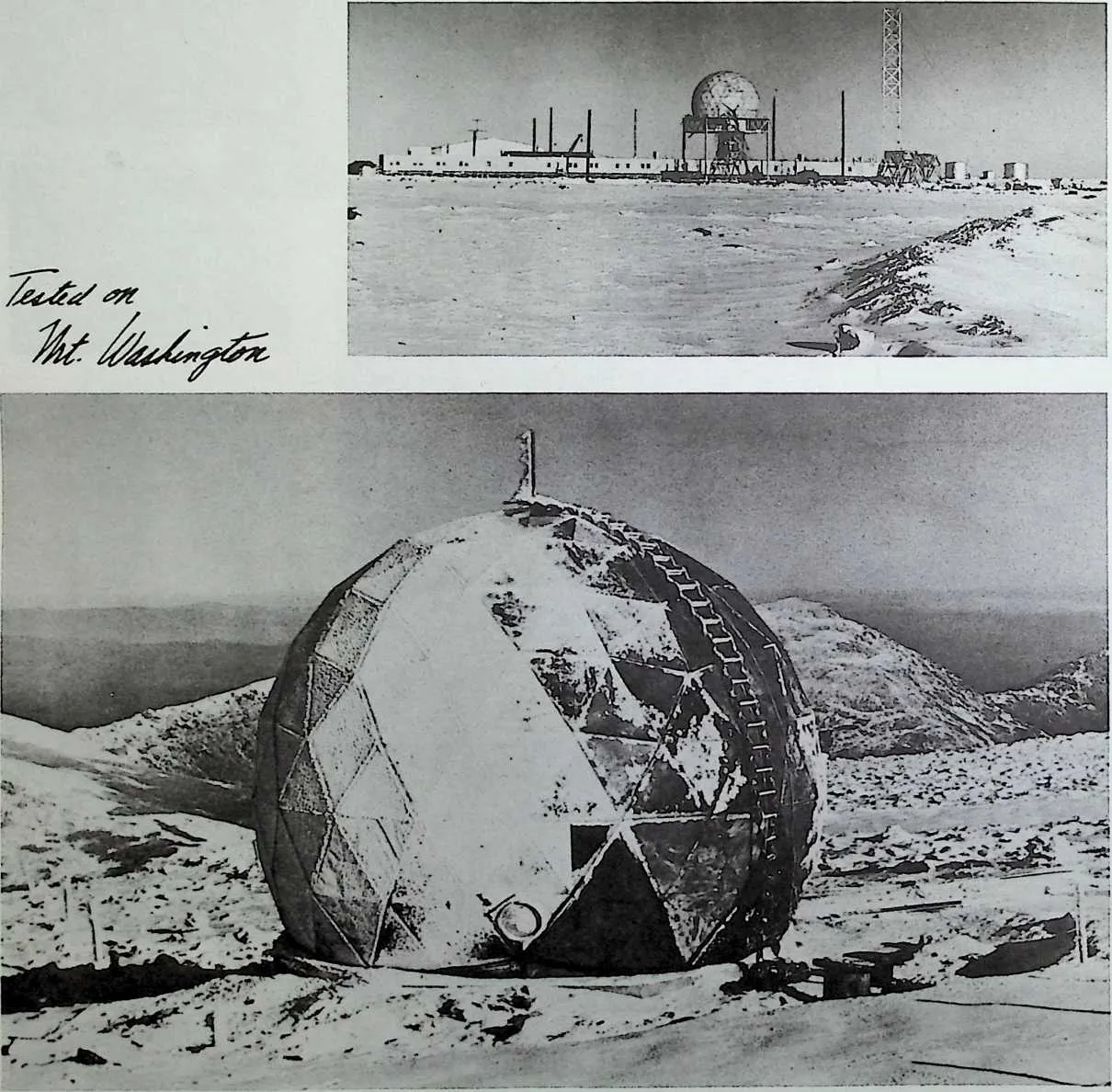
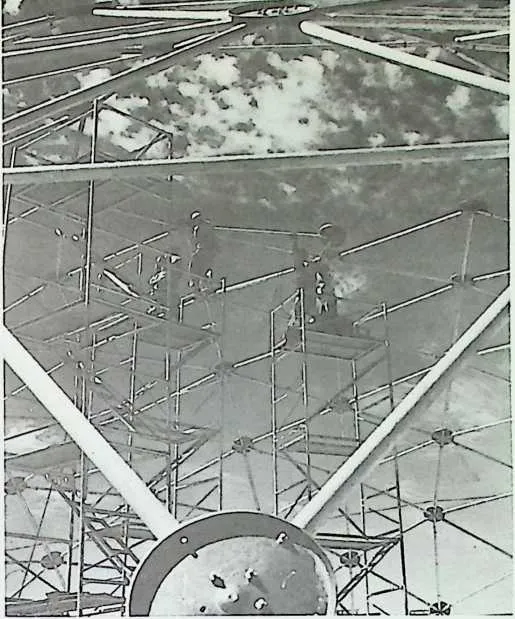

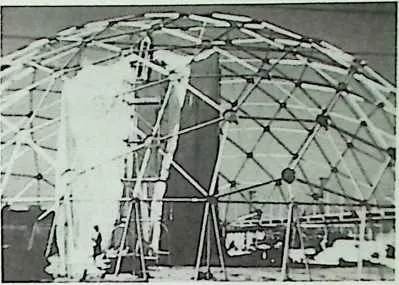
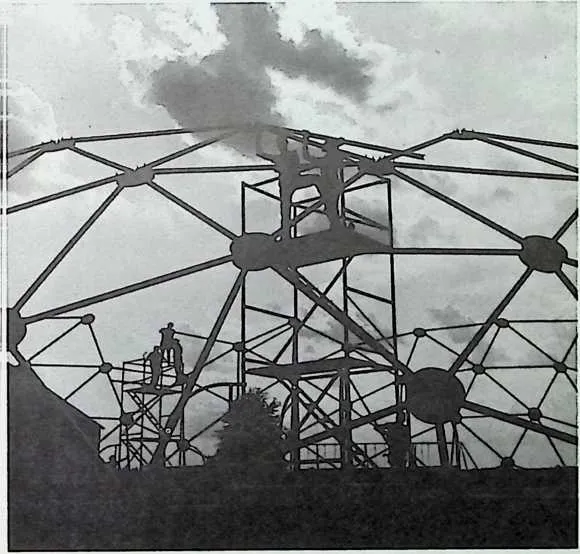
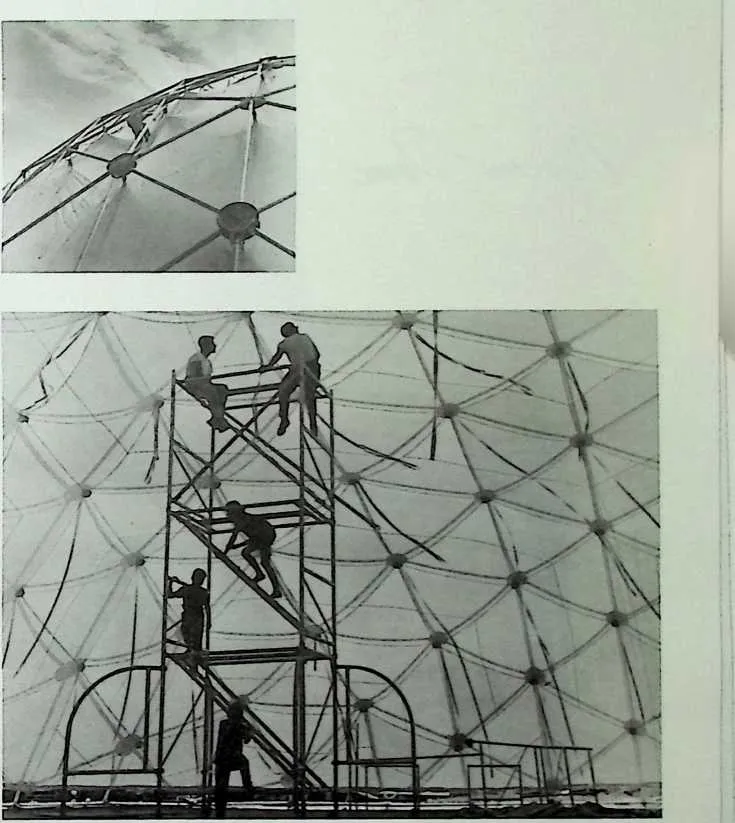
698 The 100-foot aluminum-tube frame is packed into one DC-4, flown to overseas site, and set up by unskilled labor within 48 hours after delivery. It was first installed for the Trade Fair at Kabul, Afghanistan. One American engineer directed the Afghans, who regarded it as a modern Mongolian yurt, and thus a native type of architecture. The grid-frame is dressed in white sailcloth. The dome was an instant hit and was flown back and forth as a show-piece to Tokyo, Poznan, the first trade fair behind the Iron Curtain, Kabul, Rangoon, and Osaka, Milan, Bangkok, Damascus, Lima, Casablanca…
699 The Trade Fair dome had so much built-in goodwill, that for its 1959 exhibit in Moscow, the U.S. government chose to impress with a 2OO-ft. Kaiser aluminum dome, gold anodyzed—and succeeded. The Russians were so impressed that they photographed every inch of external surface. The fact is that Bucky had earlier published the dome's mathematics in Fortune magazine which included a diagram of the clear-span dome dwarfing St. Peter's in Rome.
700 Anyway, it proved a pointless exercise, because in the end the Russians decided to purchase it. Premier Khrushchev is reported to have said, ‘‘Mr. I. Buckmingham Fuller must come to Russia and teach our engineers.’’ (Peter Ustinov calls him Buckminster Cathedral—palaces and cathedrals; lohn Latouche, Cod rest his merry Dada soul, saw the pop man of the street, affectionately dubbing him, Fucky Buller).

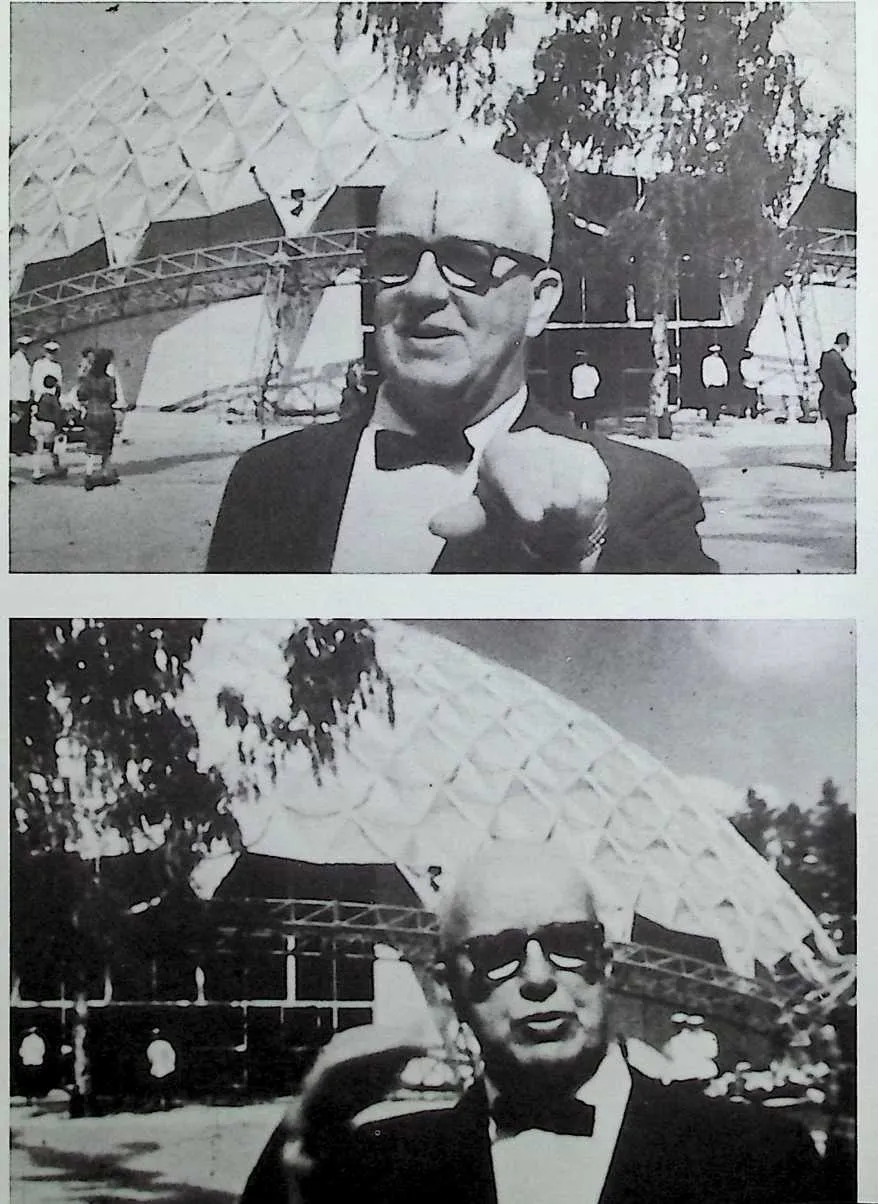
702 Where weight is not critical, we may use steel, as in the Union Tank Car Roundhouse at Baton Rouge, Louisiana. Serving as a rebuilding plant, the Roundhouse was 384 feet in diameter and 116 feet high. The world's largest clear-span structure, it covered two and a half acres, more than enough for a football field and the running track around it.
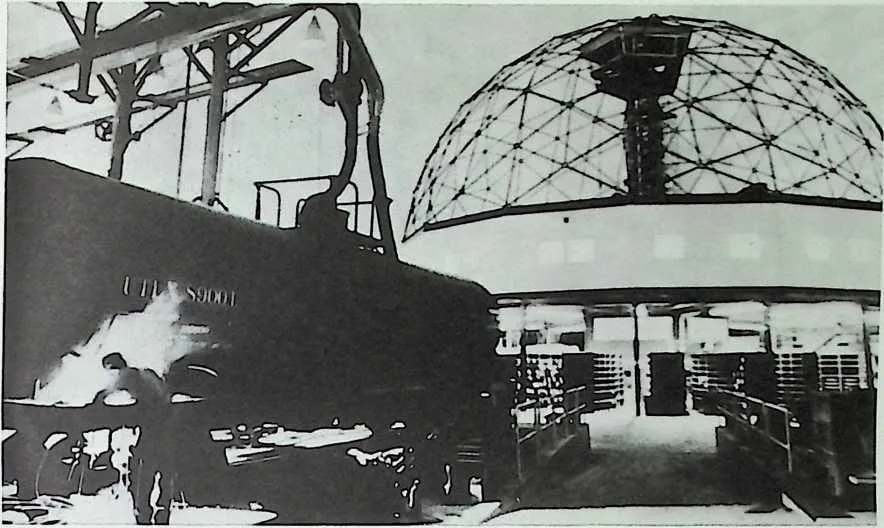
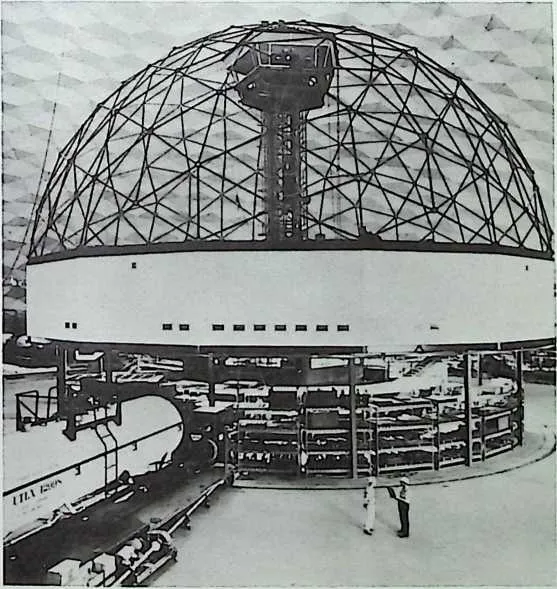
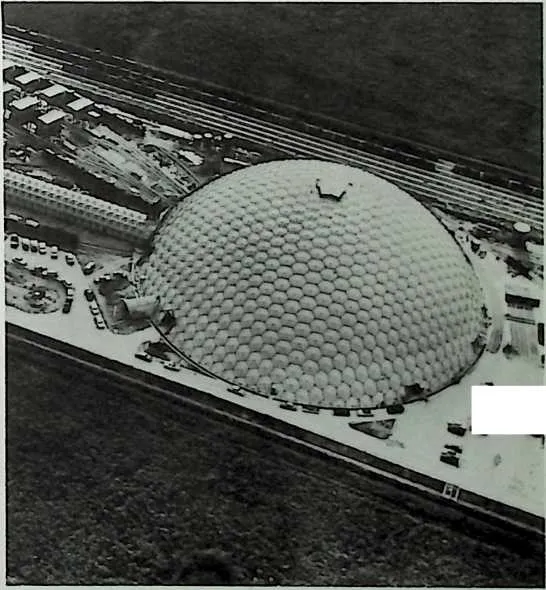
704 flf
705 In the ensuing decades, Bucky's geodesic domes have covered more acreage on the earth's surface than any other single kind of shelter; as of now ‘‘some 300,000 of them,’’ Bucky avers.
706 A poem to domes: In 1958 I undertook to produce an experimental half-hour magazine of the arts and humanities on film
707 with the editors of Time, for the art house circuit-this was before TV—the actual ‘‘sight and sound of form givers of our time," Sketchbook No. 1.
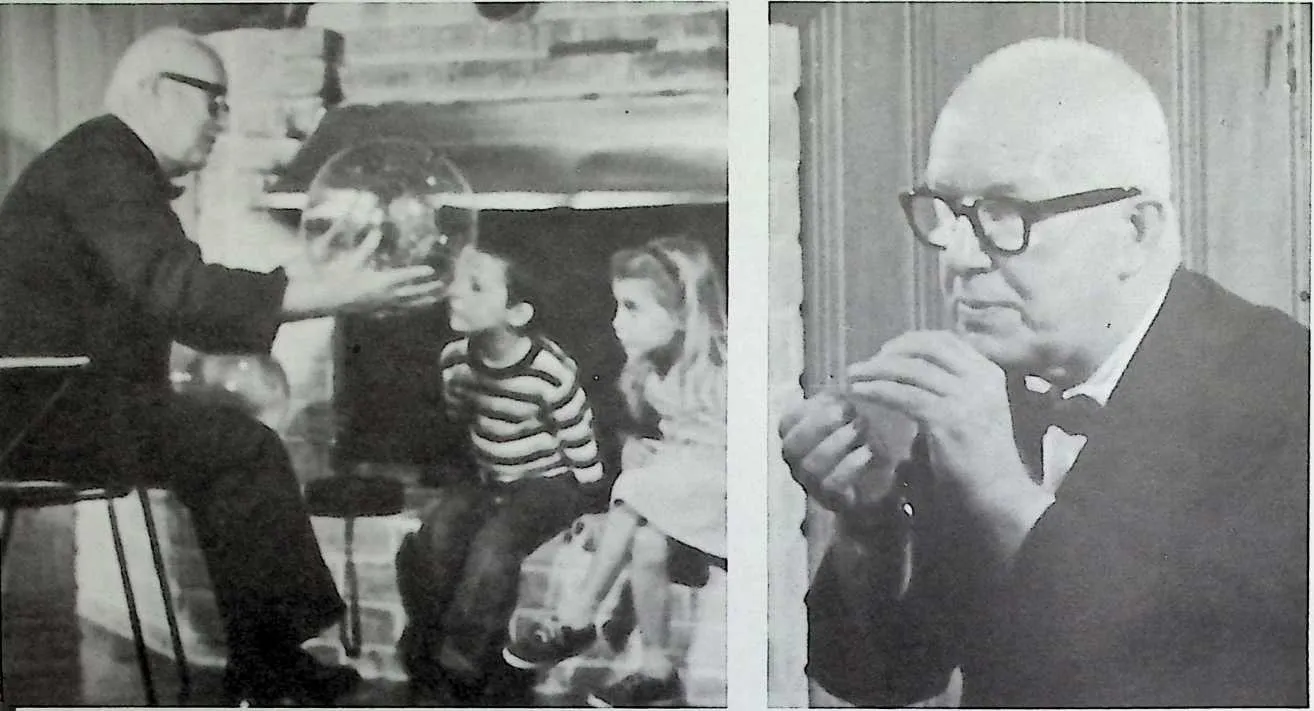
709 Quite fortuitously, the London Times Literary Supplement, came to the rescue with an historic special issue on American culture;
710 the colonies had arrived! Each of the lively arts was evaluated and
711 a handicap list appended; Balanchine and Graham;
712 Stravinsky and Copland; Faulkner, Salinger and Bellow; Pollack and de Kooning, etc. Ecco: the contemporary American pantheon.
713 Artist de Kooning and composer Stravinsky were easy choices;
714 but what of architects? Frank Lloyd Wright was on top of that list, but he was dead and we had decided against obits. That left Mies van der Rohe and Bucky Fuller.
715 Mies seemed on the edge of past history, while Bucky was far out in the future. Cranston Jones, who was then Architecture editor at Time, later wrote, ‘‘With R. Buckminster Fuller…architecture for the first time has a designer who steps forth boldly into Einstein's universe.’’
716 But Bucky was my father-in-law.
717 My friends pointed out that I'd be damned if I did and damned if I didn't.
718 So I asked Bucky to do a little fireside chat on his philosophy as a brief verbal platform from which a visual roll call of his domes would emerge.
719 To assure that Bucky's talk would be short, simple, and homely plain, I suggested to him that he address his talk to his grandchildren, Alexandra and Jaime.
720 He loved the idea, a little a-b-c, then out to the Playsphere which we had just put together on our patio…and dissolve from the dome to a montage of domes.
721 Bucky concluded what was meant to be a short, to-camera self definition, with: I must be able to convert the resources of the earth;
722 I must do more and more with less and less
723 until I reach a point where I can do so much as to be able to service all men in respect to all their needs.
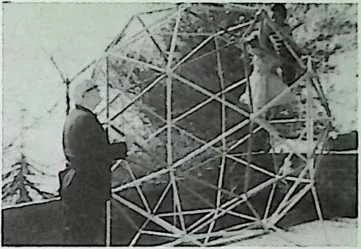
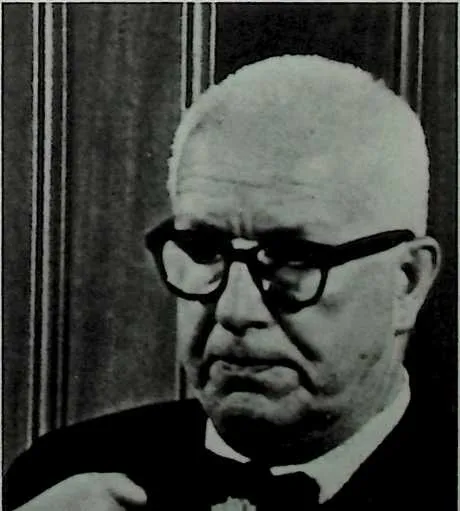
726 149
727 Creat!
728 Only we had run out of film, a ten-plus-minute magazine, on the critical turn,
729 "So, in 1927…"
730 We asked Bucky to do a pick-up.
731 OK, but he couldn't read it, it would lose spontaneity. All right, he'd start with a short introductory sentence.
732 Good.
733 We went through three ten-minute film rolls before we managed to put together a satisfactory, even poetic, vignette.
734 Things get smaller and smaller.
735 So we get down to things you're not able to see separately, but we see them with big microscopes;
736 we get down to cells and molecules,
737 and then to much smaller things called atoms;
738 then to the nucleus; then to electrons, protons, mesons, etc.
739 You remember the stars, that are very, very big? That's the biggest pattern that you know about. Then we get down to very, very tiny things, even smaller than you can think about. The big things we call ‘‘macrocosm,’’ and the very tiny things we call ‘‘microcosm.’’ Atoms,or the all but invisible radiolarium; starry heavens, or my dome at Baton Rouge, or even your Playsphere outside—all are part of the macro-micro patterning.
740 And you in your size are somewhere in between the very big things and the very tiny things.
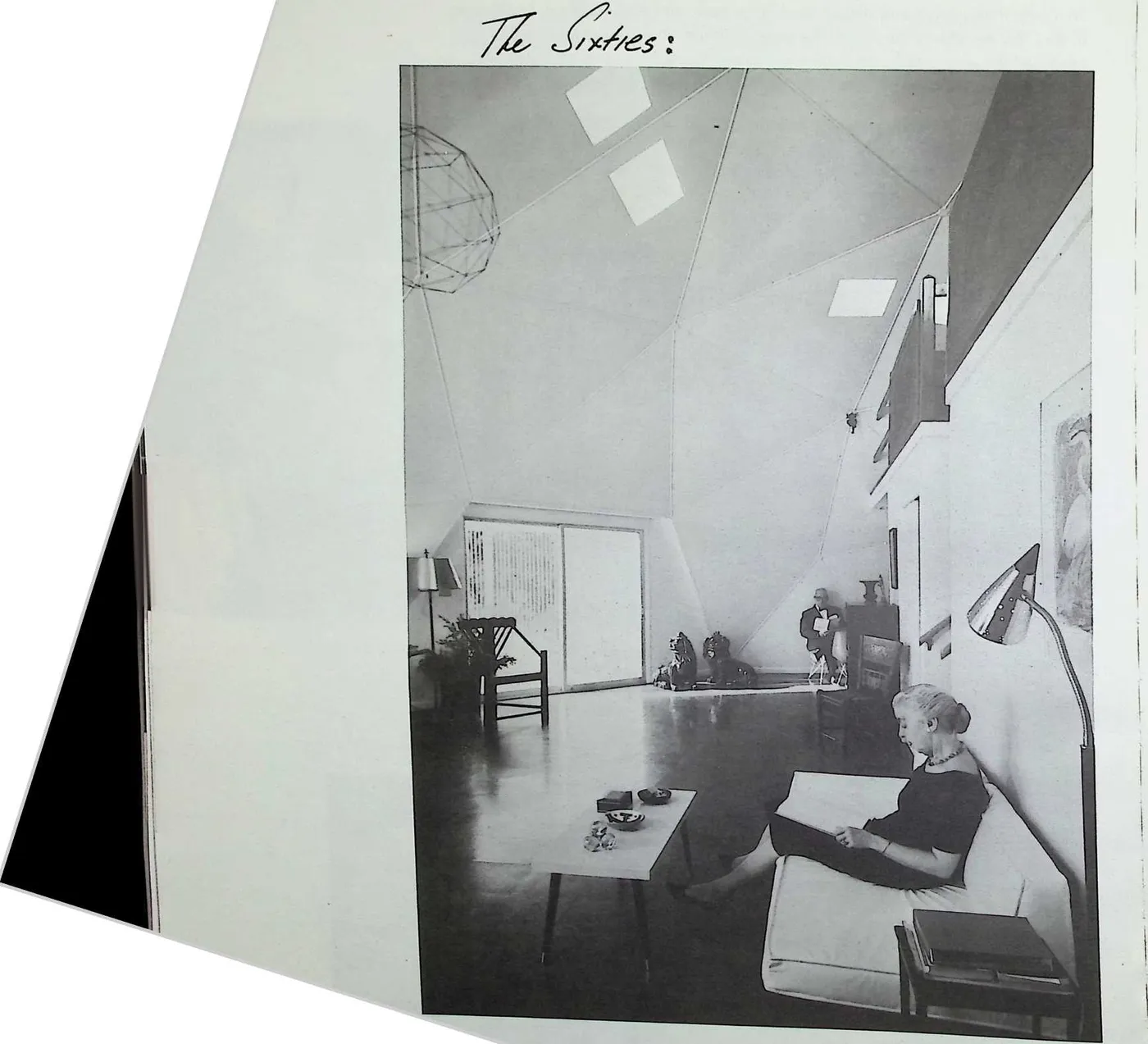
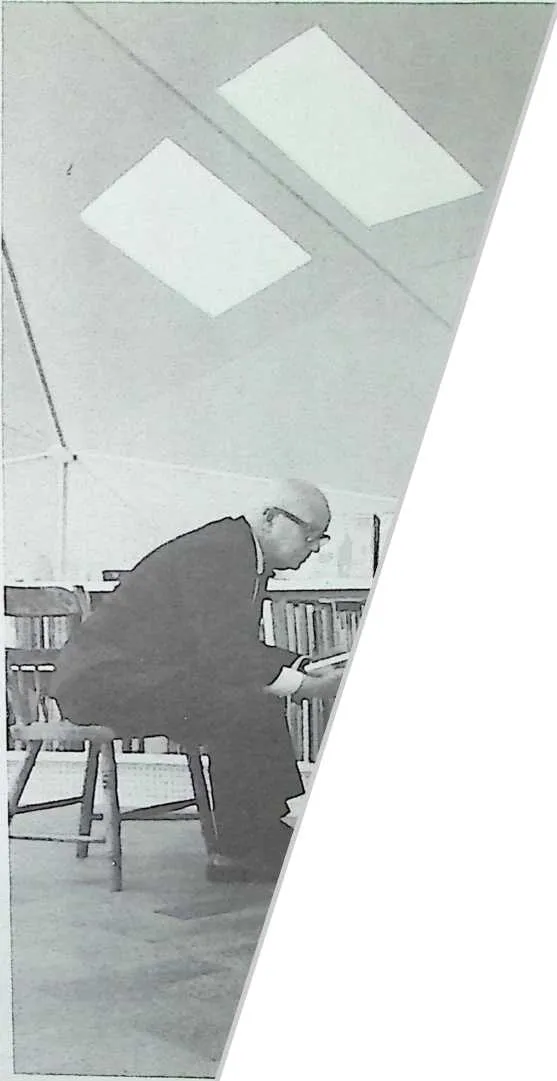
742 Bucky is invited to Southern Illinois University, Cart Illinois, as Distinguished University Professor. Quitf Anne build themselves a dome home, licensed by first shelter applications of the geodesic dome. A headquarters for his growing world-around acti\ travel agency in a small two-story office buildi?
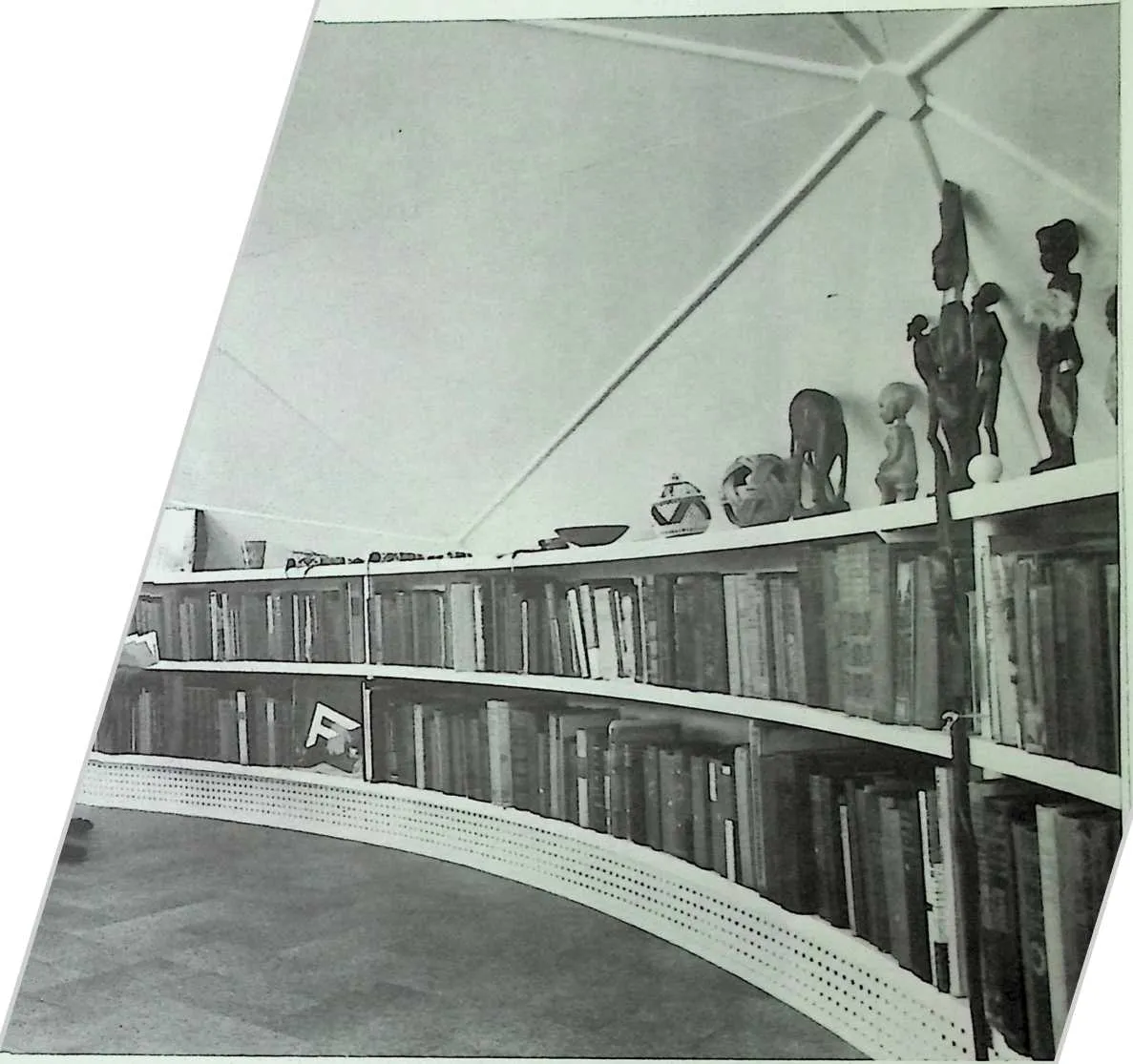
744 J
745 Dr
746 1927—1977: 50-YEAR EXPER
747748irndale, aippropriately, he ana }<ease Plywood, one of the dj he sets up personal
749 dies, also appropriately, over a
751 VW
752 In the dome's benign atmosphere in the Midwest, he is moved to compose a song to the tune of ‘‘Home on the Range"
754 Let m
755 Out a
756 No
757 There once was a squa Pure Beaux Arts, McKir In the mood that ensur Mies, Gropy, Corbuss
758 Roam home to a dot Where Georgian an Now chemical bor And even the plu/
759 Let architects si Rich clients in Just give me a Where the st
760 Roam hom< On the ere Where the And ec/e
761 ‘with a romantic flare,
762 , Meade and White;
763764
1, he went factory-nude -and Wright.
765e?
766'Gothic once stood;
767les alone guard our blondes.
768bing looks good.
769 g of aesthetics that bring
xordes to their knees,
i<ome in a great circle dome
esses and strains are at ease
770771
mo a dome
772of a neighboring hill
773c:hores are all done, before they're begun die nonsense is nil.
774ern folks dream of glass boxes with steam -mg super-burbia way;
775i'vels, split-loans, split-breadwinner homes cown money, lifetime to pay.
776 he home to a dome,
777 -banker would back with a dime,
778 co mortgage to show, no payments to go, Where you dwell, dream, and spend only time.
779 Indeed, the domes have a life of their own. Bucky spends more of his time doing research, writing, lecturing, consulting. His life is so public, the demands on his time so great, that to keep him straight on his schedule as well as to keep the growing numbers of family, friends, and colleagues in touch with him and occasionally cross paths on his to-ings and fro-ings, his office gets out a monthly itinerary. But this is not published to a mailing list: just as he does not talk-lecture except when asked to, so his itinerary is sent only to those who request it, a considerable network.
780 But as a rule, in order to reach this mercurial messenger as well as to get reprints of articles about him, for unpublished pieces by him, for copies of the map, etc., etc. one phones ‘‘mission control’’ or cables BUCKY, USA. This logistical support system has begun to swell to a large enterprise.
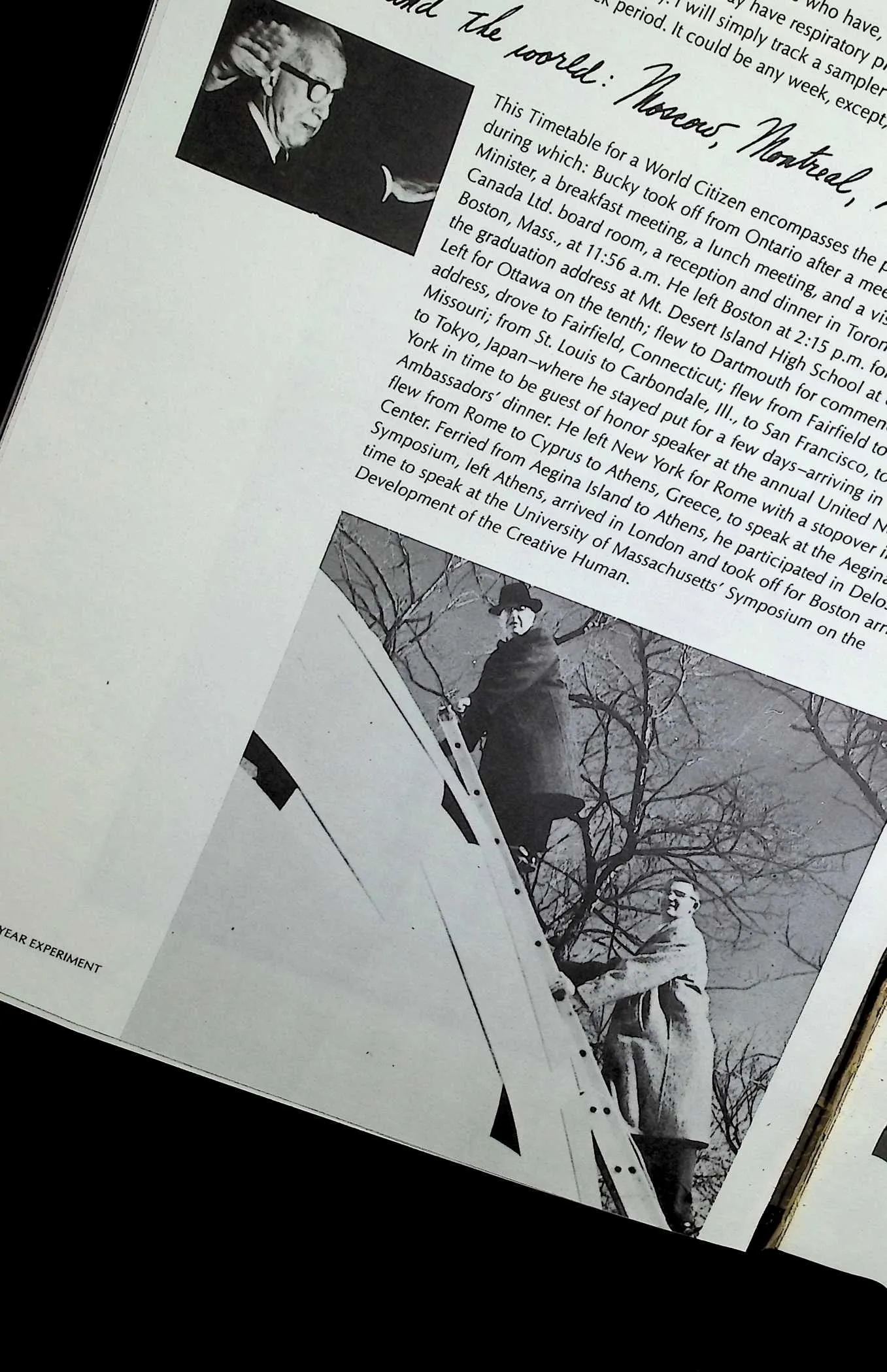
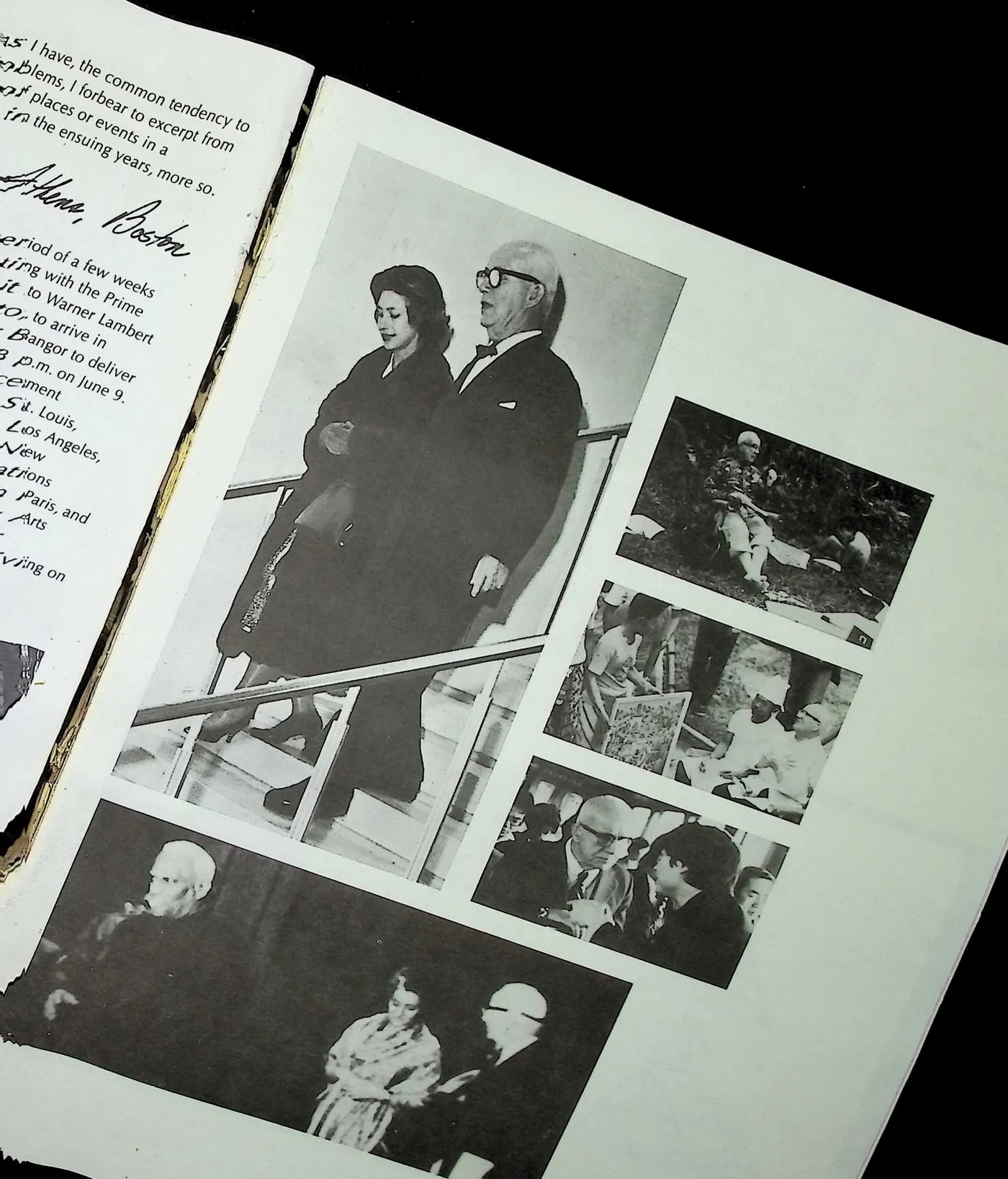
783 It's the likes of the Edisons, the Durants, the Millers, the Fullers that have convinced me that one of the secrets of genius, cause or effect, is to be able to catnap at will, standing, sitting, reclining. I've accompanied Bucky on planes and taxicabs and seen him pop out his hearing aids and, in a flash, be off and snoring. I've seen him arrive from far-off places, East and West, London, Tokyo, Australia, New Delhi, smilingly kiss all in attendance, excuse himself for a half-hour nap, and come bouncing back, fresh as a daisy.
784 N.B.: Bucky wears three wrist-watches for the major time zones; and he always carries at least five pens neatly clipped to his breastpocket: a black one for correcting proof or for writing, and four colored felt-tip ones for any sketches that he might make—and that would have to be color-coded for four-dimensional apperception—mostly on paper napkins or doilies in dining rooms on the ground, in the air, aboard ship. When he is chauffeured in a taxi or private auto, and one or another of his muses inspires him, an ordinary tissue will do.
785 An award he gave me on one occasion, I guess after I had done one of my films of him:
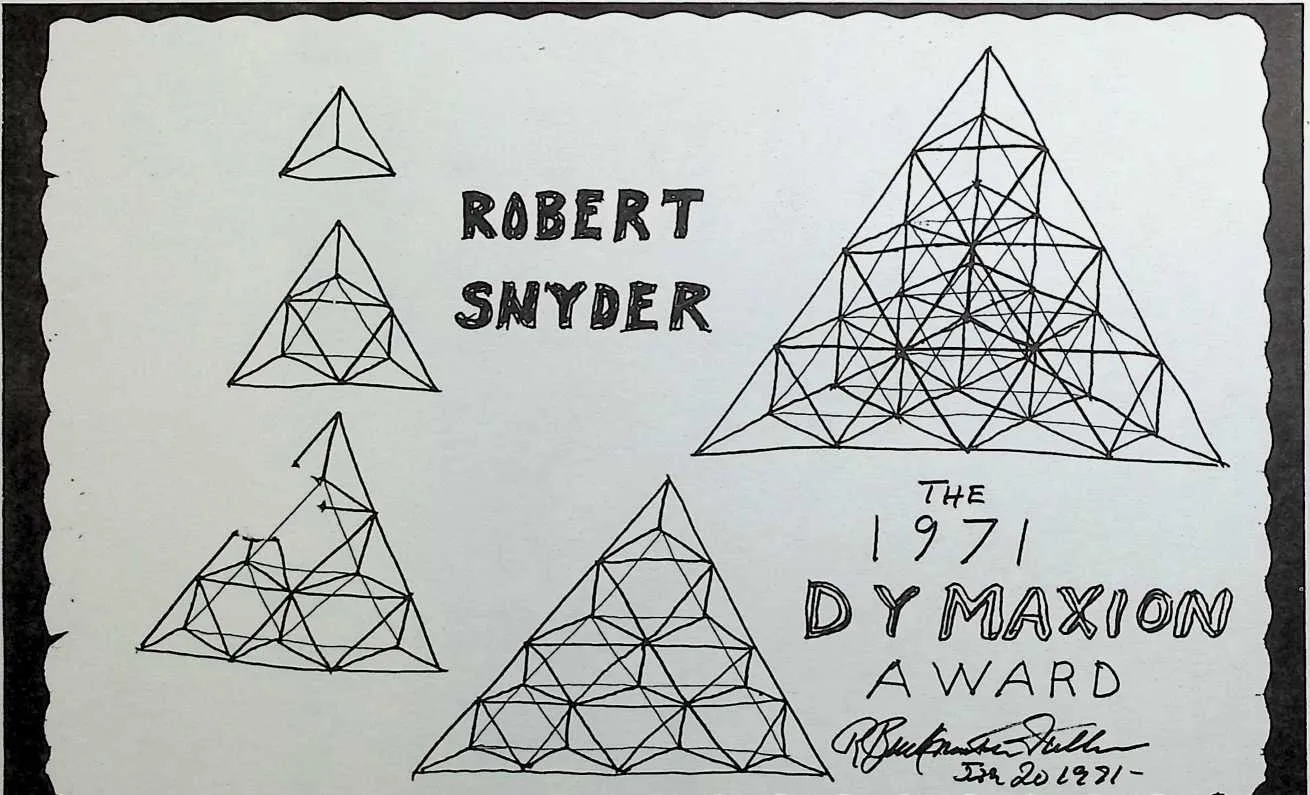
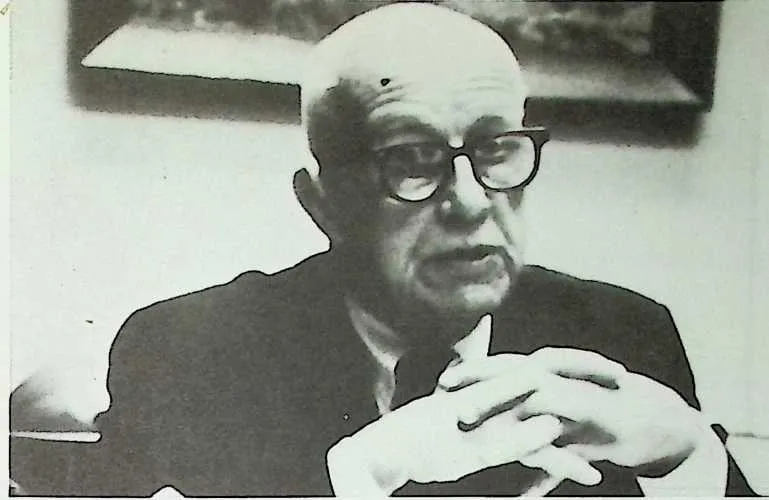
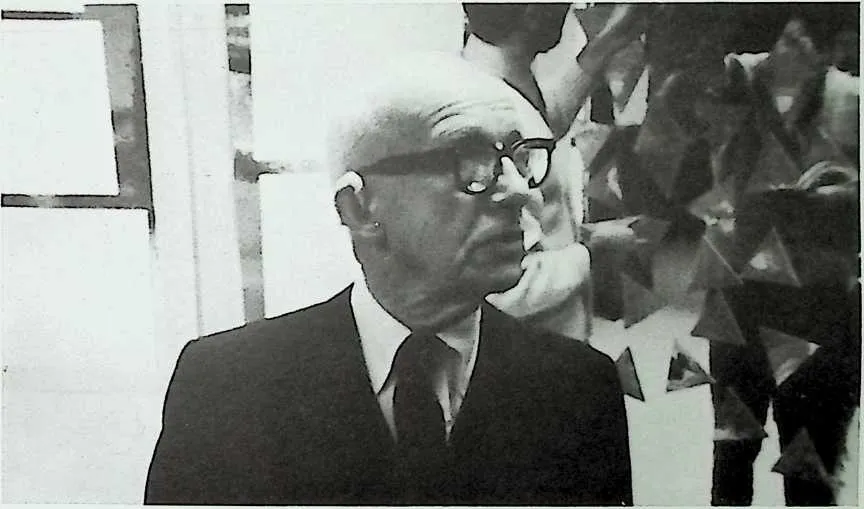
788 These are my headquarters.
789 What's going on here at my office is not only the accommodation of my own world-around activities, which are growing—I literally do live around the world—but at the university, I have this unique function of opening new frontiers, frontiers that are not within the accredited curriculum. It could be that the World Game which I'm developing here may become the whole curriculum of the university itself.
790 By playing the World Game and using the Dymaxion map as a distortion-free background, I developed the Inventory of World Resources, Human Trends, and Needs which is now housed in Philadelphia.
791 As the storehouse for all the information I've been carrying forwards over the last fifty years, it is quite prodigious and has to be updated all the time.
792793Some forty years after he had been ‘‘fired’’ from Harvard for the second time, Harvard appoints him Charles Eliot Norton Professor of Poetry, succeeding Stravinsky in the post. Shortly after, he is made an honorary Phi Beta Kappa by Harvard's Alpha chapter.
794Five of Bucky's books are published, on such subjects as economics, philosophy, mathematics, general business, science. The English have a word for such generalists, polymath.
795Time does a cover story, ‘‘R. Buckminster Fuller, The Dymaxion American.’’ Bucky, very pleased, writes them, ‘‘I am deeply grateful for your generous treatment…if my life provided nought else but legends ultimately to inspire Artzybasheff's cover, my life is fully justified.’’
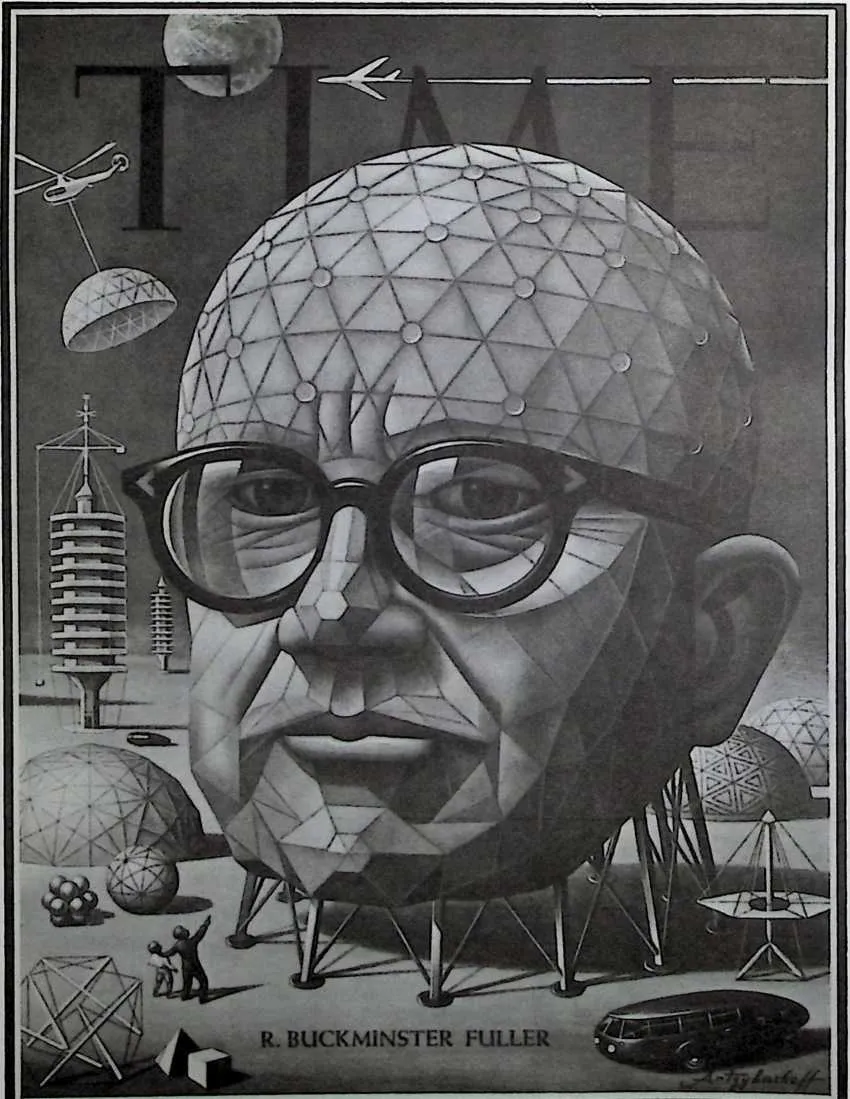
797798It felt more like me than any picture before made me feel. Interesting, because it had a geodesic-dome head, which my head is not; so it was not my head. Artzybasheff made the picture. I never saw him, but he sent three different photographers to Carbondale to make pictures of my eyes 'cause he said the only thing that counted was the eyes. I think he must have had over a thousand pictures of my eyes. Apparently he worked from there, because everything else is just formalized drawing. And as I say, it was me more than anything else, any picture of me I had seen before.
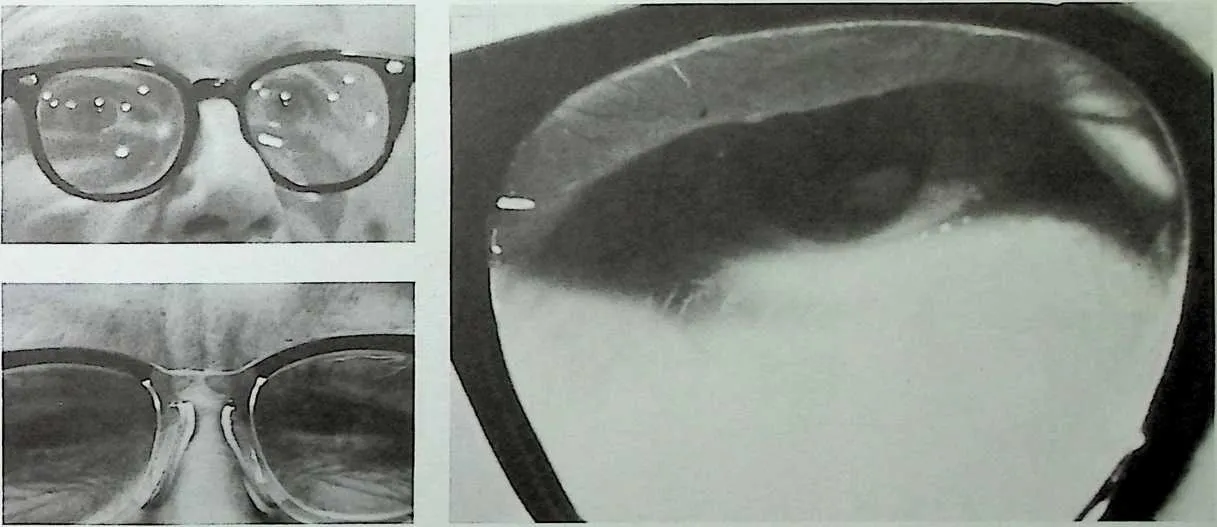
801802He was also very thoughtful about the things he included in the picture, besides my geodesic-dome head. He had the car, beautifully done, and he had all my favorite things. I don't know how he came to do that, but he really did know the things I cared most about.
803I tried to buy the original painting but Time wouldn't sell it. They now have it in the National Portrait Gallery in Washington. Time donated a number of original covers to the Gallery which chose the ones it wanted.
804From my earliest days in the water, and especially because of my experi ences in the Navy during World War I
805that led me to see our world as a spaceship, I was interested in maps and charts. More and more, with my continuing studies of world resources, I became increasingly concerned about an accurate map of the world.
806We're all familiar with the Mercator map,
807named for the Flemish geographer—of about 1594.
808It's very useful in navigation, but that's where you find Greenland, for in stance, three times the size of Australia —
809which is the exact opposite of the truth—and the Mercator map has no Antarctic on it at all. I needed an accurate map. Why not just use a globe? Because you can only read a quarter of the surface at any one time. I wanted to be able to see all of it at once.
810It took me two years, working with a wire frame of a spherical icosahedron wrapped around a world globe, to arrive at the point where I could unpeel the orange, spread it out, and the final map shows all the earth's surface without any visible distortion of the relative sizes or shapes of the conti nents. And because there's no break in the continental contours, as on other maps, my Dymaxion map shows a one-world island, in a one-world ocean.
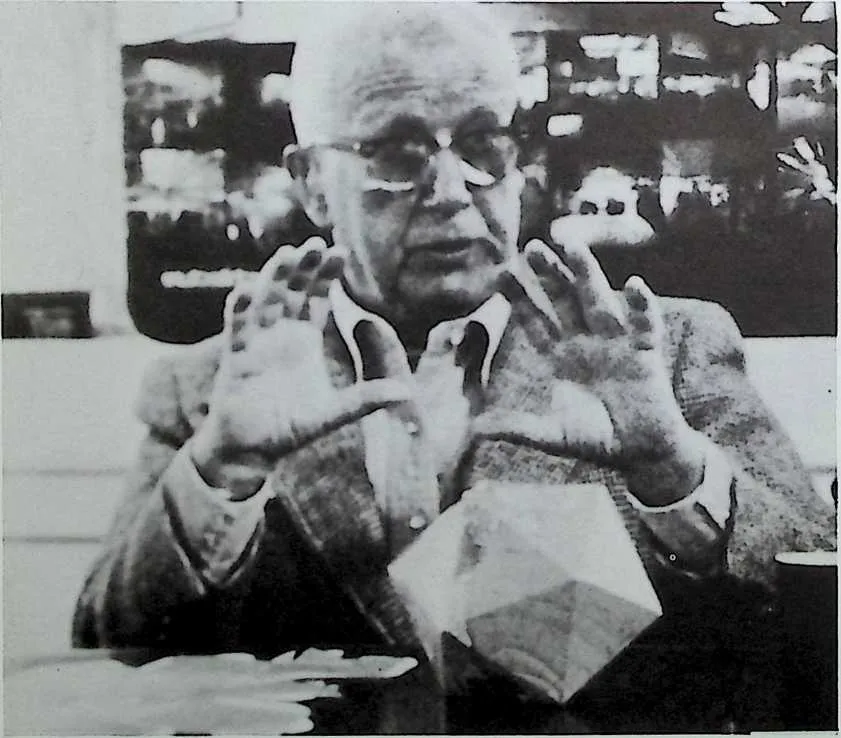
812813Now, when you're studying population, resources, pollution and want to know percentages and put your information on a background that's very distorted like the Mercator map, you won't get a true picture. If, say, I find out where the demographic center for all human beings is and put pins on my Dymaxion map, each pin representing one-tenth of one percent of humanity where it actually exists, I get an accurate picture.
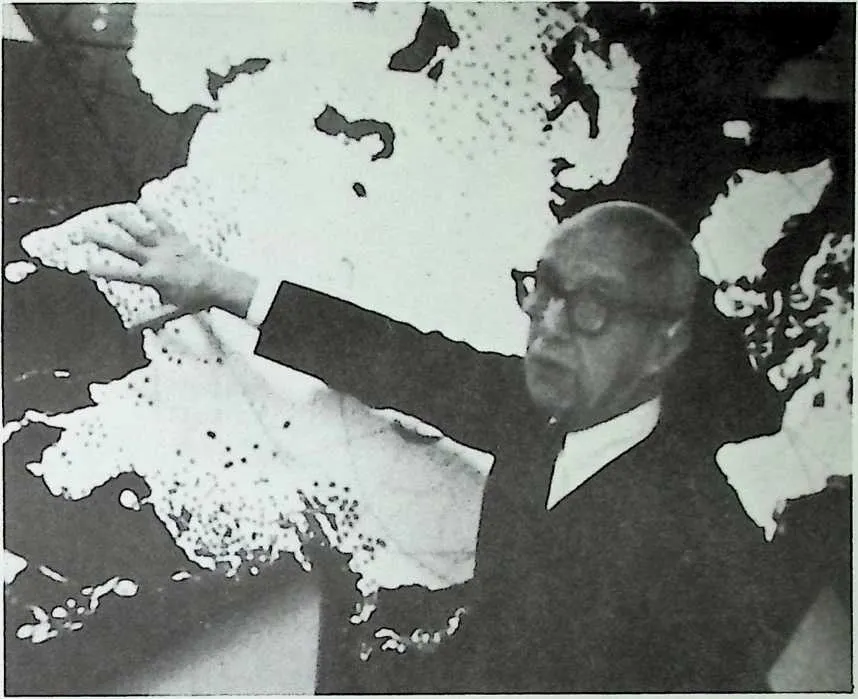
816 The same is true of resources;
817 an accurate background is fundamental to the study of world problems. You can get a feel of it by just looking at how sparse the population is in America, with the same kind of density in South America, and then looking at the fantastic concentration of population in England and Western Europe;
818 Italy—not so bad.
819 Then see the vast distances here, between Russia and India.
820 And then, when you get over here to this area, China—boom! there's half of all humanity.
821 And in the same way we're pinning down economic data about increasing the rate of getting energy from here to there by electric network—or whatever the problem may be. With this kind of map study we're beginning to get enough insights about how you could make your whole world work for all humanity, very successfully.

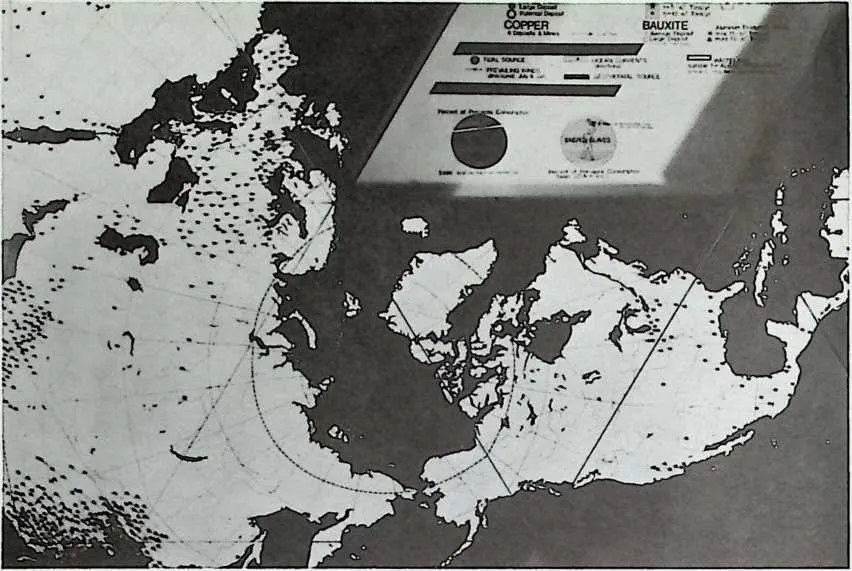
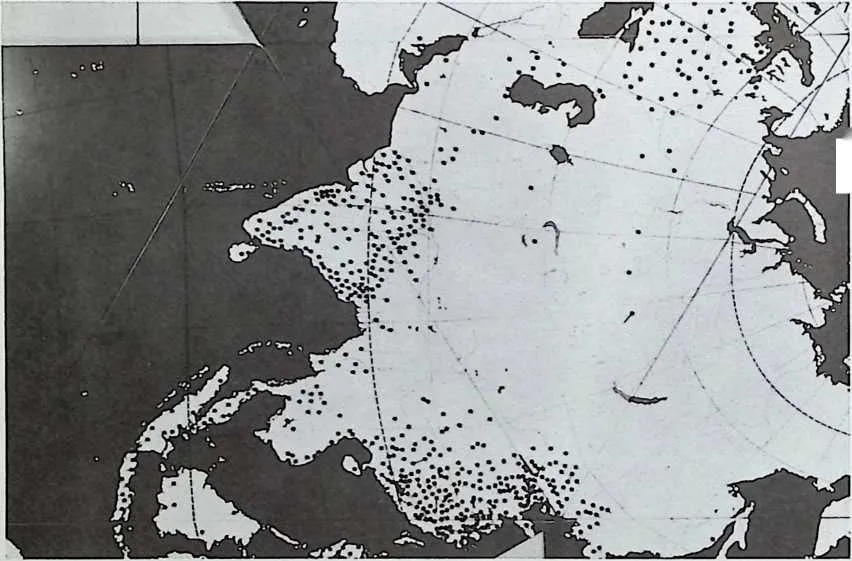
823 This water-ocean world is the way the world was to the great voyager discoverers from Henry the Navigator down to the British Empire. At the turn of the century, when I was young, Kipling said, East is East and West is West, and never the twain shall meet.
824 And there they are: 53 percent of the world's population here, and the rest over there.
825 The people are way out at the perimeter; 90 percent of humanity is living north of the equator.
826 In this water-ocean world, notice the propeller blade in the center—no body in here at all.
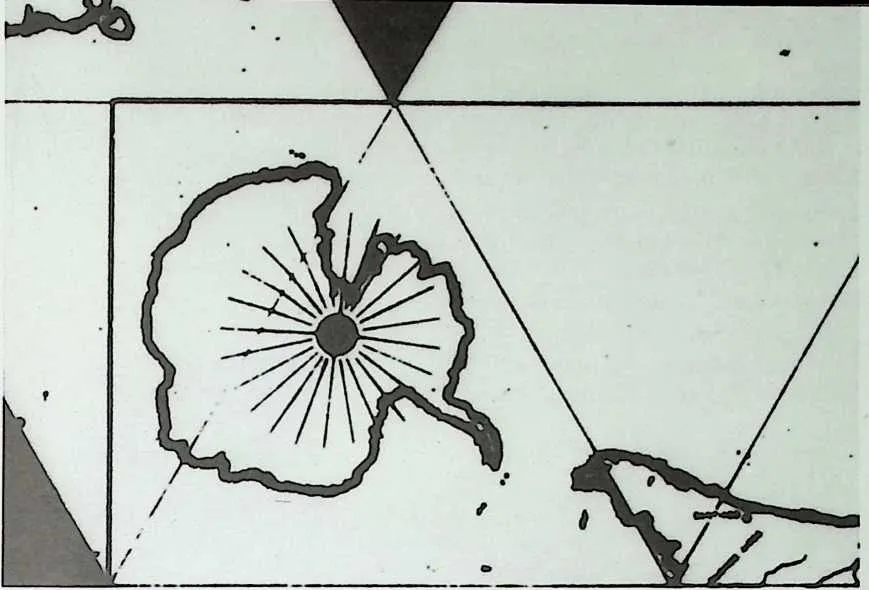
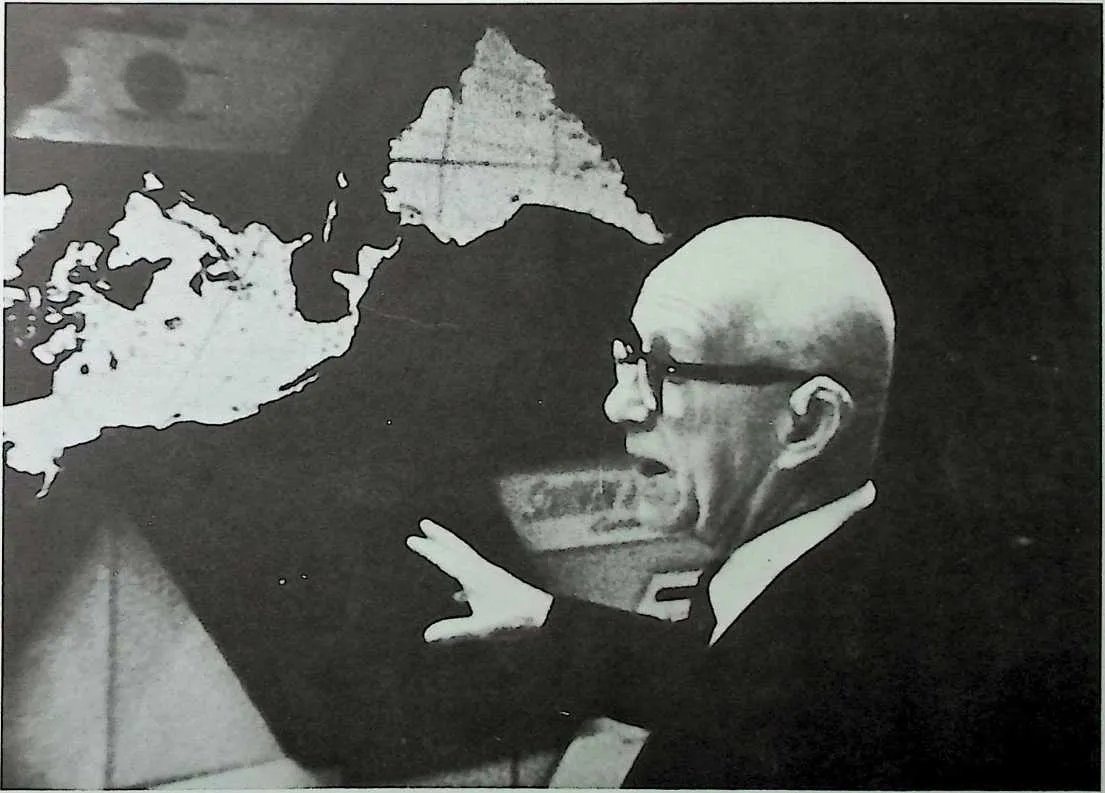
828 So the people who commanded this world ran the merry-go-round of wind and water: you come down from the Indian Ocean here and get on the merry-go-round and come up in the Pacific; get on the merry-go-round again, come up in the Atlantic; get on again, come up in the Indian Ocean.
829 And what the British Empire commanded was the southern tip of South America, the southern tips of South Africa, Australia, New Zealand —the great merry-go-round—and the people out on the perimeter didn't know what was going on.
830 Ever doing more and more with less and less, the alloy chrome-nickel-steel made possible the jet aircraft.
831 The jet, after all, was invented millions of years ago
832 by the squid or the jellyfish.
833 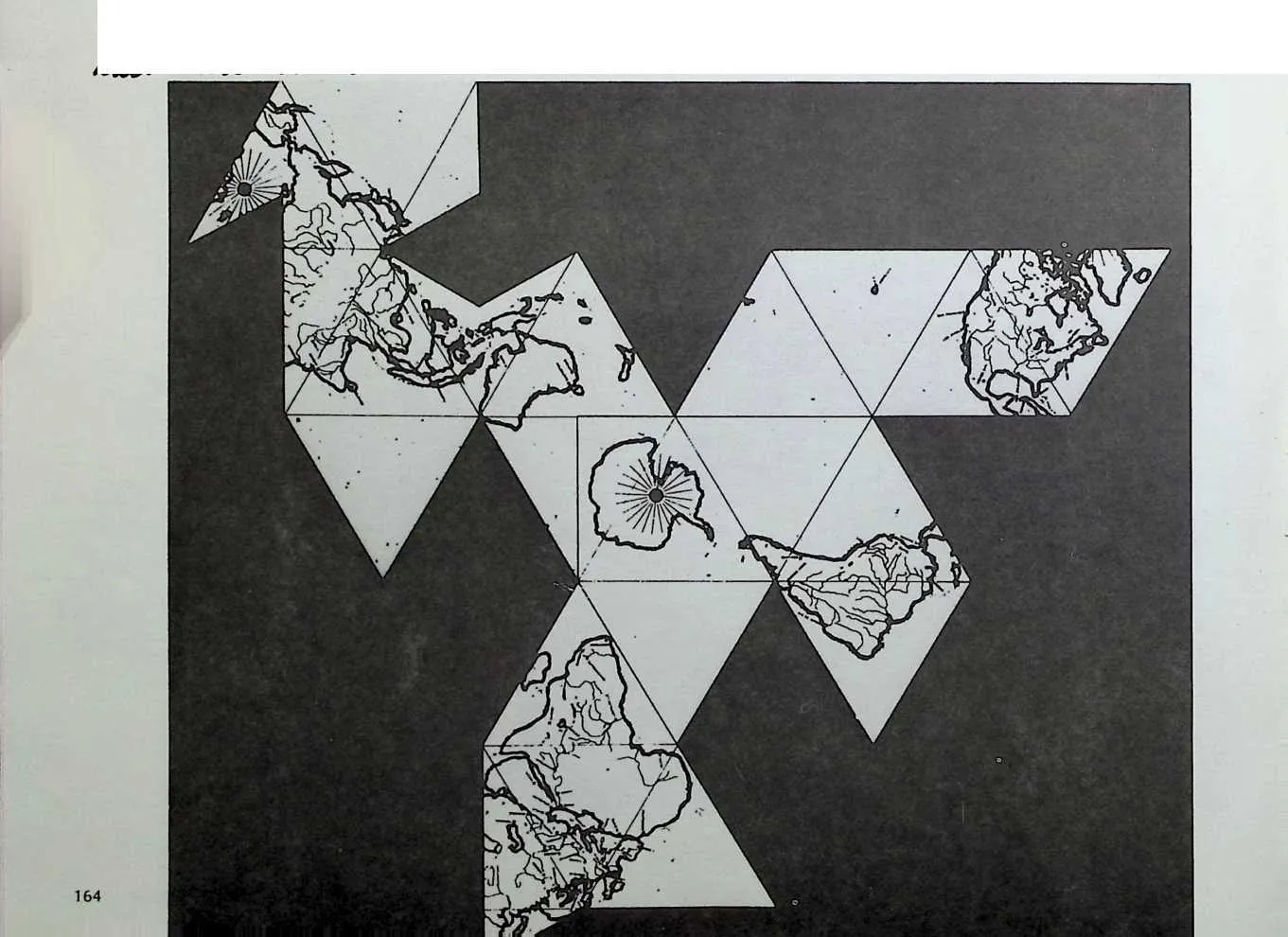 But when man tried to use the action-reaction for a jet take-off, the amount of energy he
had to release was so great and so hot that it shattered the engines he had until he got to
chrome-nickel-steel. This alloy has such high tensile
But when man tried to use the action-reaction for a jet take-off, the amount of energy he
had to release was so great and so hot that it shattered the engines he had until he got to
chrome-nickel-steel. This alloy has such high tensile
834 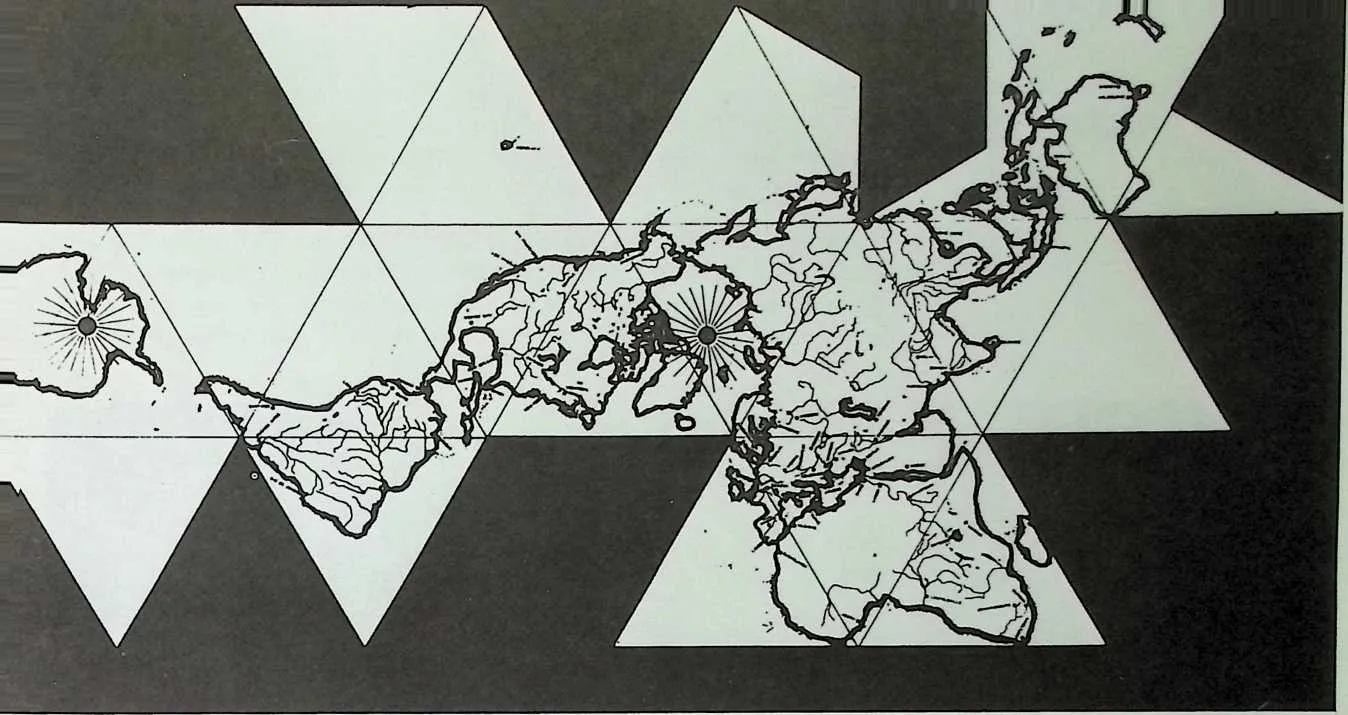 strength at such high heat that it is really the essence that made the jet possible in
1961—only yesterday.
strength at such high heat that it is really the essence that made the jet possible in
1961—only yesterday.
835 It was then that three jets outperformed the Queen Mary in taking passen gers across the Atlantic in one-third the time and for half the money. Ships of the sea became obsolete as a way of man's getting from here to there. As a consequence, we have an entirely new world.
836 Instead of having an east-west world, with men coming to harbors, we suddenly have a north-south world, where, on the same map, we find that 90 percent of humanity can reach each other in the shortest great circle airplane route, without ever going near the Atlantic, Pacific, or Indian Oceans. Suddenly we have a completely new world.
837 In yesterday's world we had to have harbors—therefore New York, San Francisco, and Seattle were very important. And we had great railroads between them, so everything was east-west.
838 I flew over New York harbor a few years ago and found in approximately a thousand docks, only six ships —and those freight yards in New Jersey, empty!
839 We have an enormous investment in humanity in the east-west harbor routes. But in this new north-south world,
840 I go from India to New York in about the time it used to take me to go from Boston to New York.
841  In the mid-sixties he is invited to attend the Delos Symposium, a summer gathering of
distinguished thinkers such as Margaret Mead, Jonas Salk, Arnold Toynbee, Barbara Ward, et
alia, hosted by Constantin Doxiadis, world-famous city planner and founder of ekistics, the
science of human settlements.
In the mid-sixties he is invited to attend the Delos Symposium, a summer gathering of
distinguished thinkers such as Margaret Mead, Jonas Salk, Arnold Toynbee, Barbara Ward, et
alia, hosted by Constantin Doxiadis, world-famous city planner and founder of ekistics, the
science of human settlements.
842 The group meets at Delos, boards a chartered vessel which cruises the Aegean, and holds its off-the-record seminars on the different isles of Greece.
843 And if there should be any local festivities, you may be sure that Bucky joins in, with gusto. On another trip the symposium celebrated Bucky's seventieth birthday.
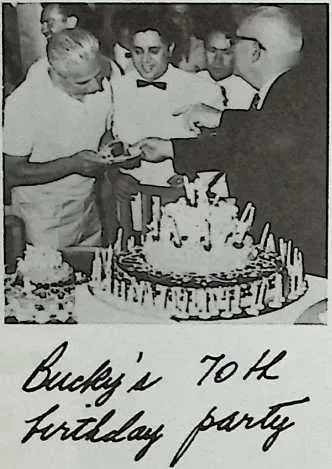
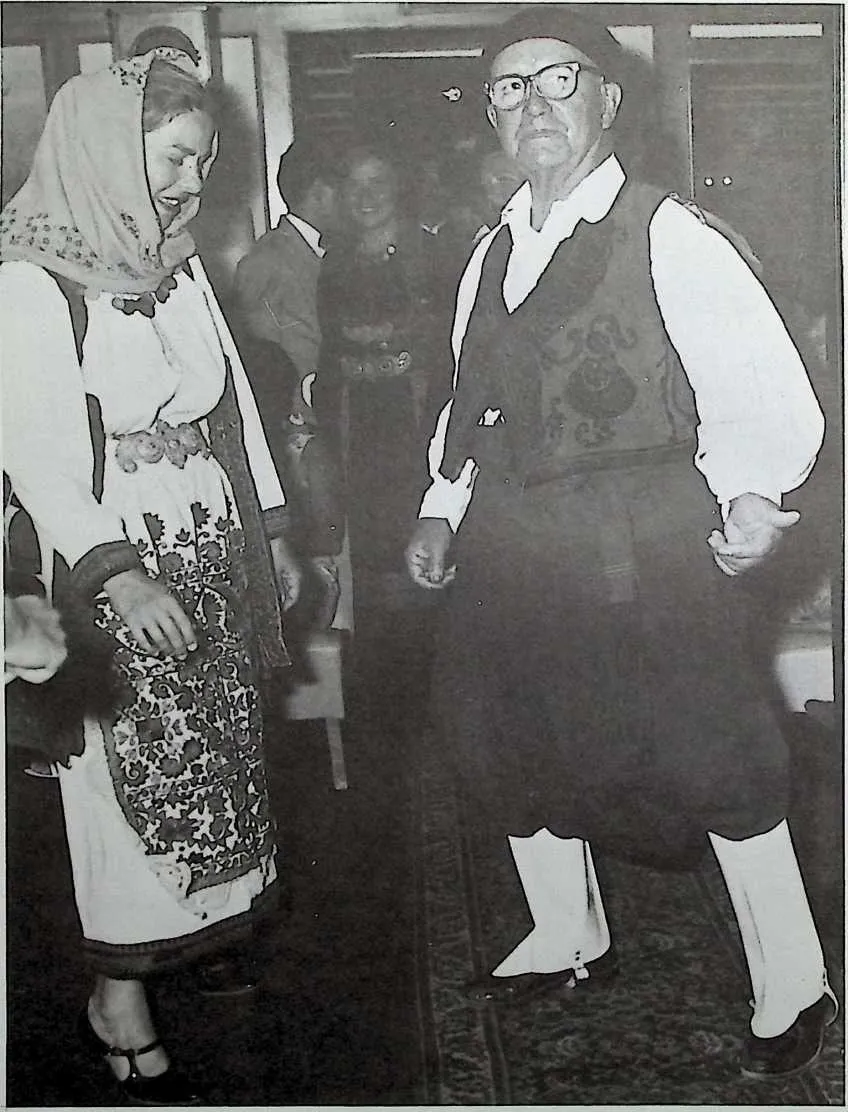
845 Bucky is elected to the World Academy of Arts and Sciences, the American Academy of Arts and Sciences, the National Academy of Design, in one fell swoop, and is awarded gold medals by the National Institute of Arts and Letters by the Royal Institute of British Architects.
846 Invited to attend the Spoleto Festival of Two Worlds, Bucky, with other of the stars in attendance—Henry Moore, Willem de Kooning, john Huston, Stephen Spender—made a Spoletosphere in which, as it was completed, a theater and dance happening was created.
847 Coincidentally, Ezra Pound emerged from his self-imposed silence to give a poetry reading. The two mavericks took to one another. Pound later inscribed a volume of his poetry to ‘‘Buckminster Fuller, friend of the universe, bringer of happiness, liberator.’’
848 Although my contribution to this friendship was peripheral,
849 I like to think I had something to do with its formation. A few summers earlier I had been invited to do a film portrait of Pound by Olga Rudge and visited Pound in Venice to show him Sketchbook No. 1: Three Americans. He was impressed with the Fuller sequence and so liked the logic of Bucky's domes that he said he would like to raise a small one on one of the tiny islands in the Venetian lagoon, and live in it.
850 This period is especially meaningful to me in terms of my filming him.
851 
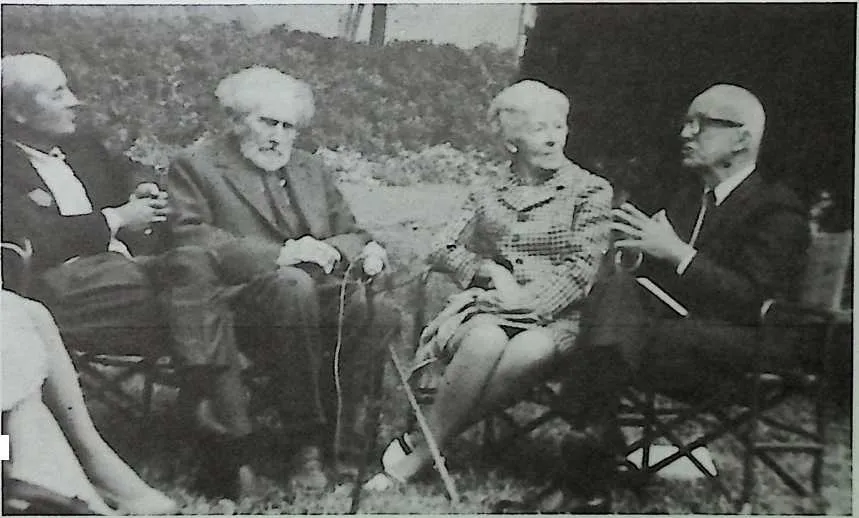
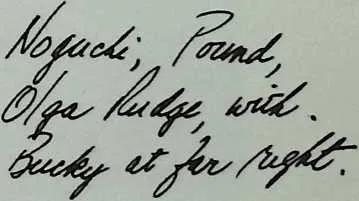 We were commissioned by Chelsea House Publishers to make a half-hour
film for their University at Large programs. Since ‘‘basic Bucky’’ now meant a direct exposition
of his synergetics as well as a close-up view of his geometry, it was titled, Primer of the Universe,
a more exacting portrait. We decided to film him during one of his relatively uninterrupted
retreats at Bear Island.
We were commissioned by Chelsea House Publishers to make a half-hour
film for their University at Large programs. Since ‘‘basic Bucky’’ now meant a direct exposition
of his synergetics as well as a close-up view of his geometry, it was titled, Primer of the Universe,
a more exacting portrait. We decided to film him during one of his relatively uninterrupted
retreats at Bear Island.
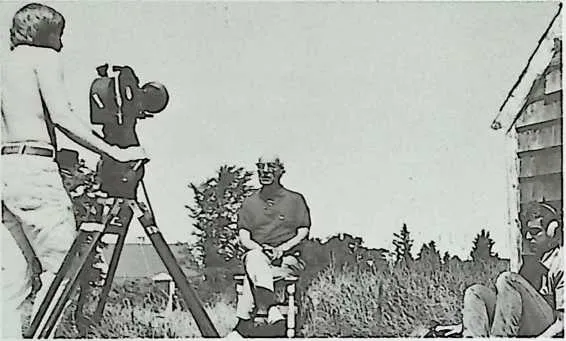
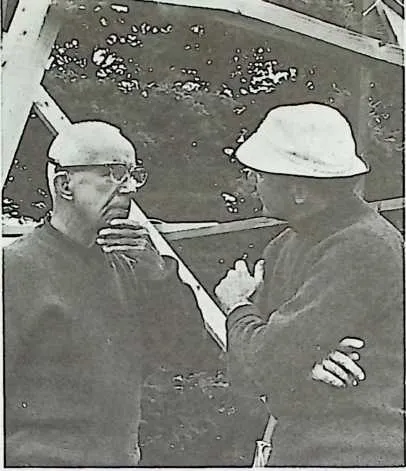
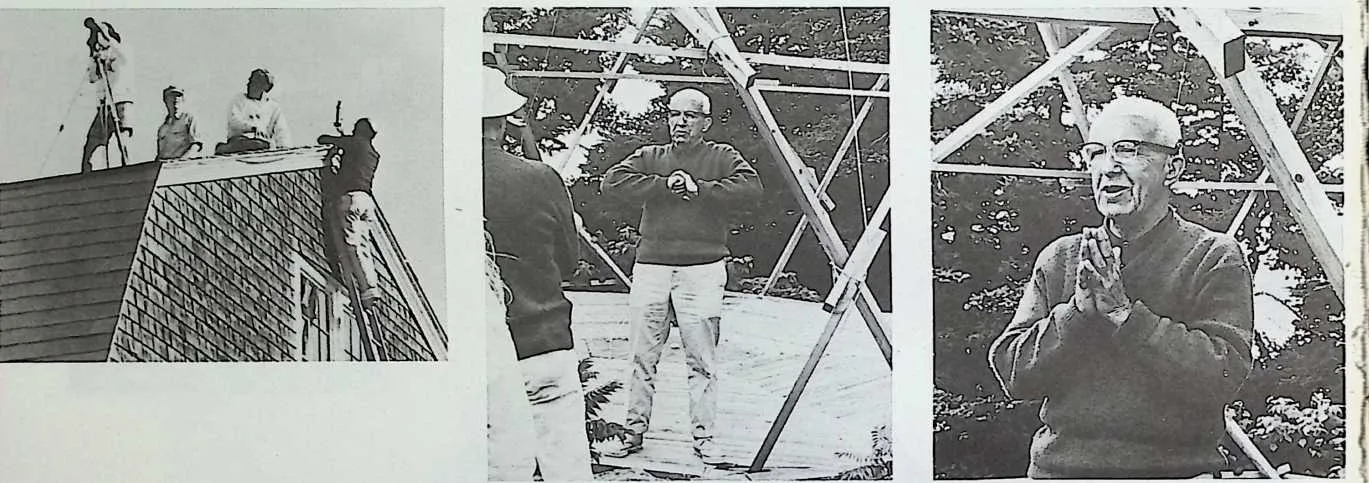
853 He delivers the third Nehru Memorial Lecture in New Delhi; the subject, fittingly, is ‘‘Planetary Planning.’’
854 His staff assembles a first basic biography that fills twenty-seven pages.
855 Bucky's dome for the United States Pavilion at Expo '67 in Montreal is credited to Fuller and Sadao as architects. Shoji Sadao was one of Bucky's outstanding students at Cornell and stayed on with him, receiving credit on the Dymaxion map as well as the paperboard dome for the Milan Triennale.
856 Since Bucky did not consider himself an architect, and never applied for an architect's license, he could not take on any major architectural projects, such as the Expo Dome for the U.S. Pavilion, which required a ‘‘shingle'. Since such work was of major interest to Shoji—as the Radome had been to Bill Wainwright, the Kaiser dome to Don Richter, special projects to Jim Fitz gibbon—Bucky and Shoji set up an architectural firm.
857 The Expo Dome is a three-quarter sphere.
858 Inside the dome, the walls start going away from you;
859 this has an extraordinary psychological effect of releasing you, for suddenly you realize that the walls are not really there.
860 Something is keeping the rain away, like an umbrella;
861 but you don't feel shut in, you feel protected.
862 I walked around and listened to what people in the crowd had to say, and they seemed happy in this open but controlled environment.
863 And it was not done according to the aesthetics of architecture as it had been practiced up until then. It was done simply in terms really of doing the most with the least.
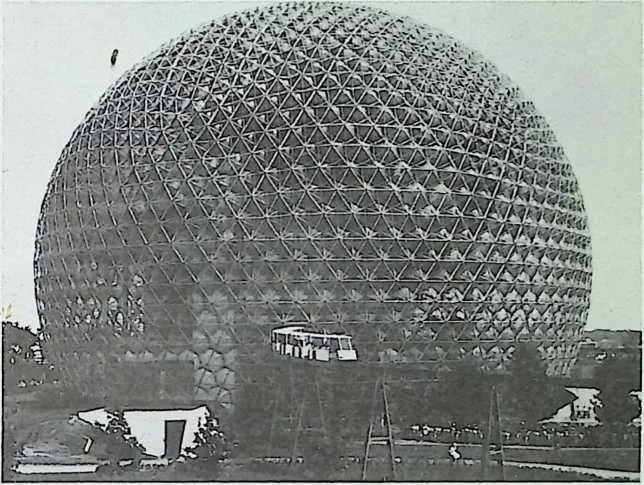
865  Auspiciously inaugurating the 70s was the American Institute of Architects Gold Medal
award to Bucky.
Auspiciously inaugurating the 70s was the American Institute of Architects Gold Medal
award to Bucky.
866 Bucky and Anne moved back East to Philadelphia; he has been made World Fellow in residence by a consortium of the University of Pennsylvania, including Haverford, Swarthmore, and Bryn Mawr colleges, and the University Science Center. His staff has swelled commensurately with the growth of his archives, the legendary Chronofile, his Inventory of World Resources, Human Trends and Needs, the embryonic World Game, and shelves of Dymaxion maps, books and reprints of magazine articles about him and by him.
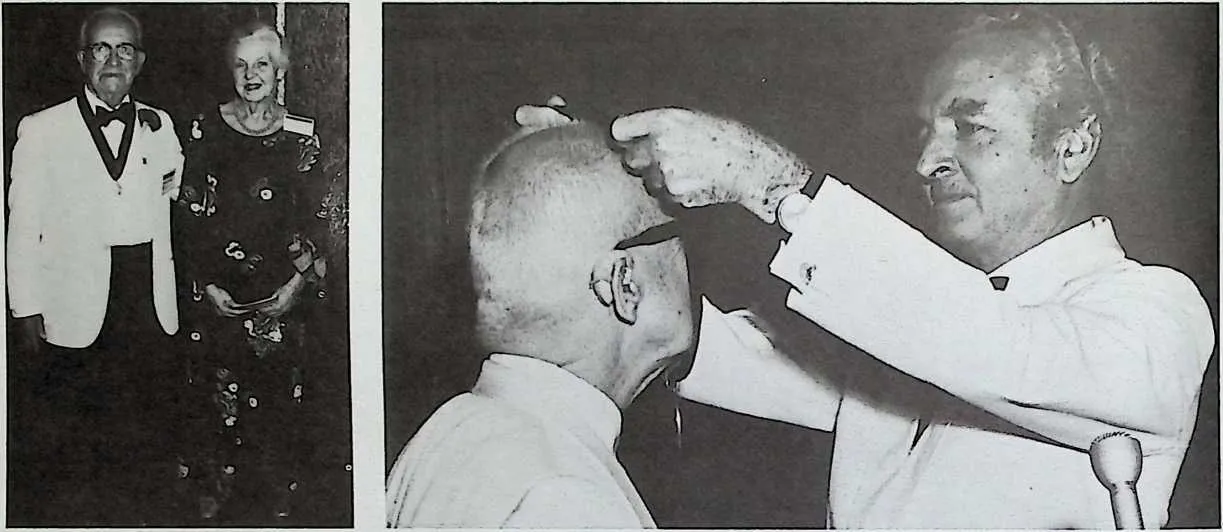
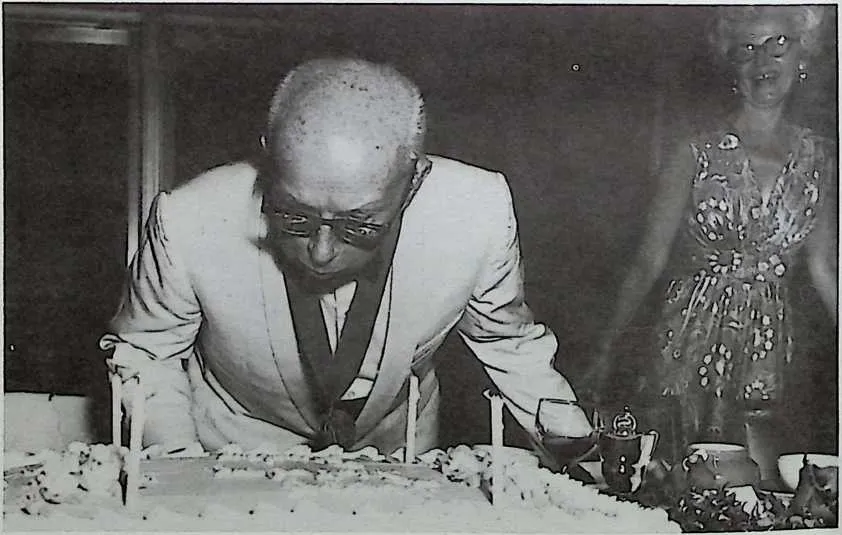
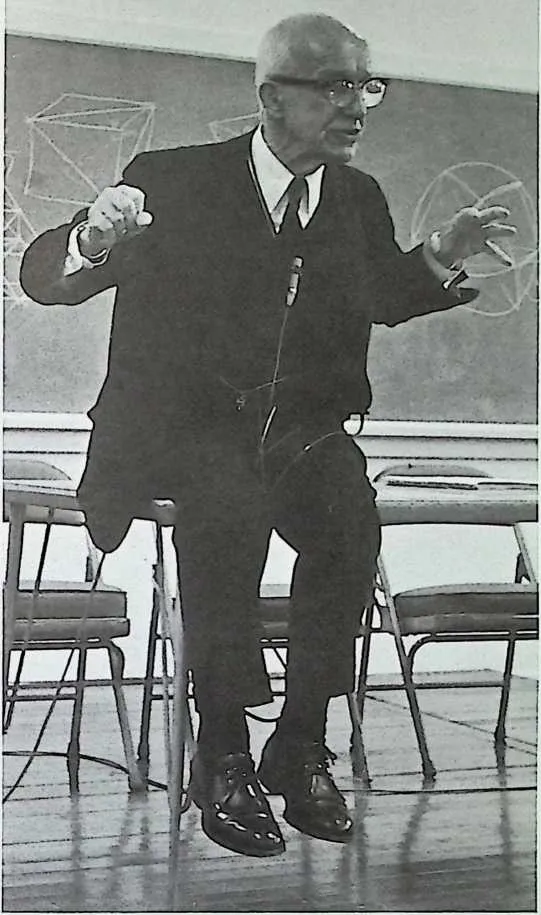
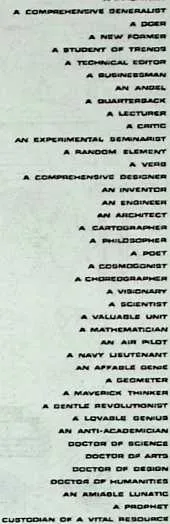
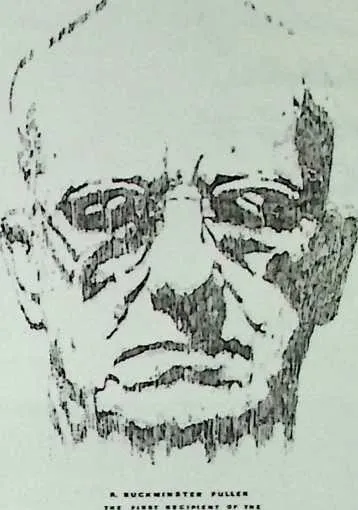
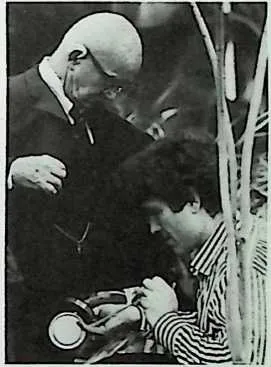
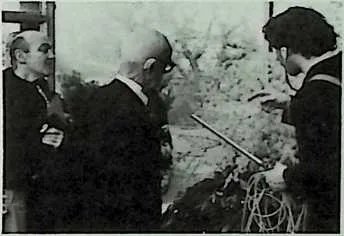
869 R. BUCKMINSTER FULLER CHAIR OF ARCHITECTURE
870 Bucky goes into orbit.. .and goes more conceptual. Rather than doing work shops and slide-shows about his work, he does more ‘‘thinking aloud.’’ At his lectures he is ‘‘averaging more than 1,500 people every three days.’’
871 The first R. Buckminster Fuller Chair of Architecture is established by the University of Detroit and Bucky is its first appointee. I film the events: racing after him to St. Louis, where he squeezes in a visit to his Climatron botanical gardens, back to headquarters at Southern Illinois University for a scheduled session with a group of President's Scholars, and out to Los Angeles for a talk there, because I have been commissioned to do a one-hour special for NBC's series ‘‘Experiment in Television.’’ ‘‘Buckminster Fuller on Spaceship Earth’’ was well-received.
872  My subject is based on a very big picture of all humanity
873 going through a transition so unprecedented, so unexpected as to be really very difficult to comprehend—
874 not just like going through the looking glass
875 where you get a reverse pattern of yesterday.
876 I can tell you that there are, at all times now, approximately 66 million
877 babies in the wombs of their mothers,
878 and 66 million is a very large number. Compared to the size of nations, it would be the tenth largest nation in the world.
879 I think all of humanity is coming out of a sort of group womb of permitted ignorance of man.
880 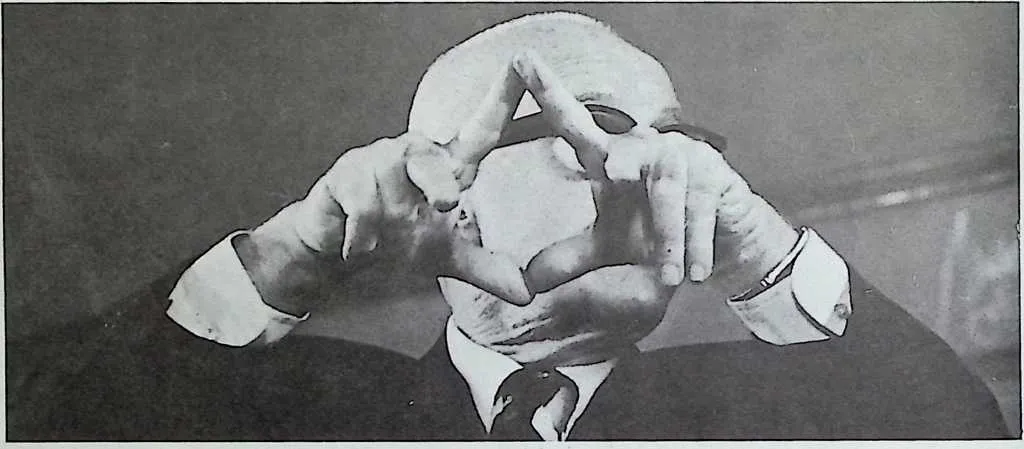
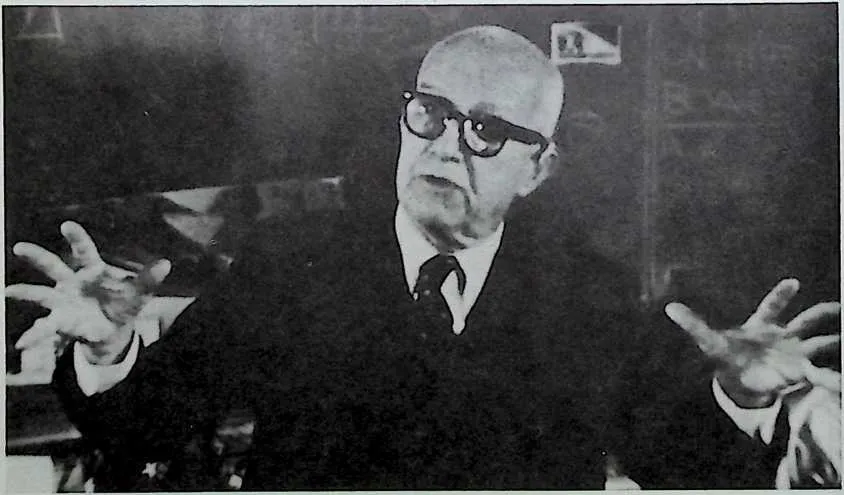 Permitted ignorance simply because it is in the nature of the total process of
regenerating life on earth that the new life be born absolutely helpless and completely
uninformed. It has beautiful equipment, and is very ignorant.
Permitted ignorance simply because it is in the nature of the total process of
regenerating life on earth that the new life be born absolutely helpless and completely
uninformed. It has beautiful equipment, and is very ignorant.
881 When I was young, humanity was still 90 percent illiterate, and suddenly we've gone to almost complete 90 percent literacy. Anywhere I go around the world, people have good vocabularies, and those good vocabularies got proliferated by radio that gets into the homes—through schools—and even more so by television, where by seeing the object they can correlate the words and the image.
882 All of a sudden, we have communication capability. We're gradually discovering we have an intellect, an ability to acquire information, and that there are very reliable behaviors of the physical universe that can be employed.
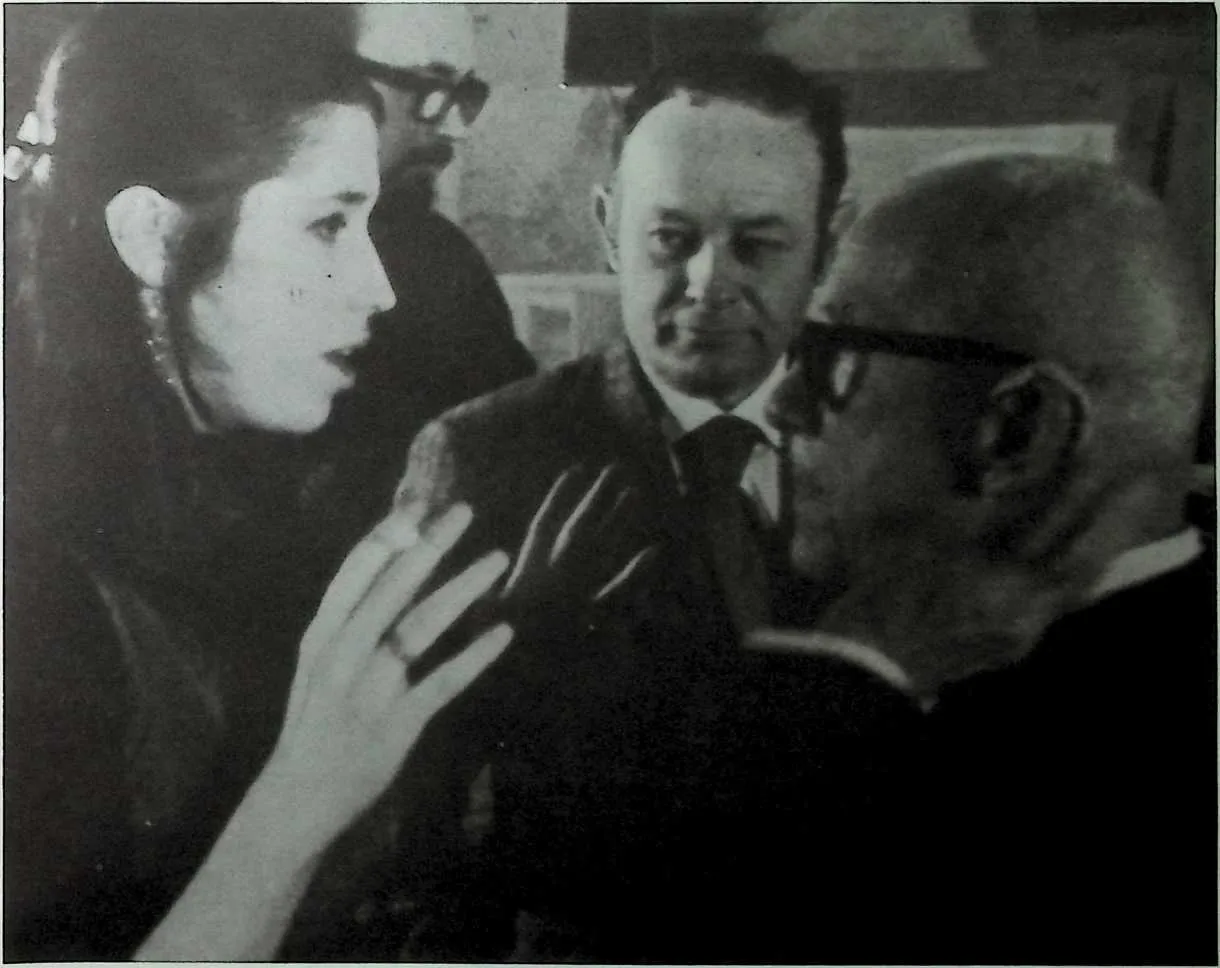
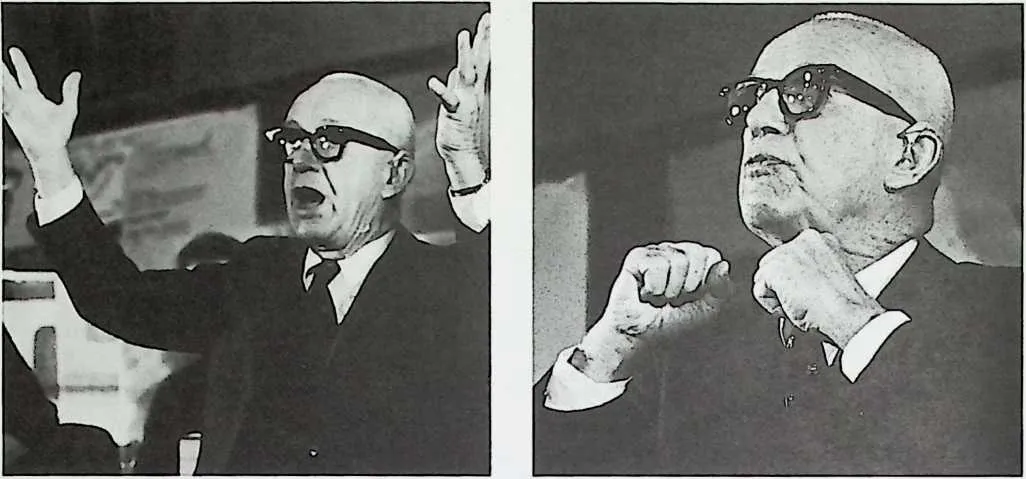
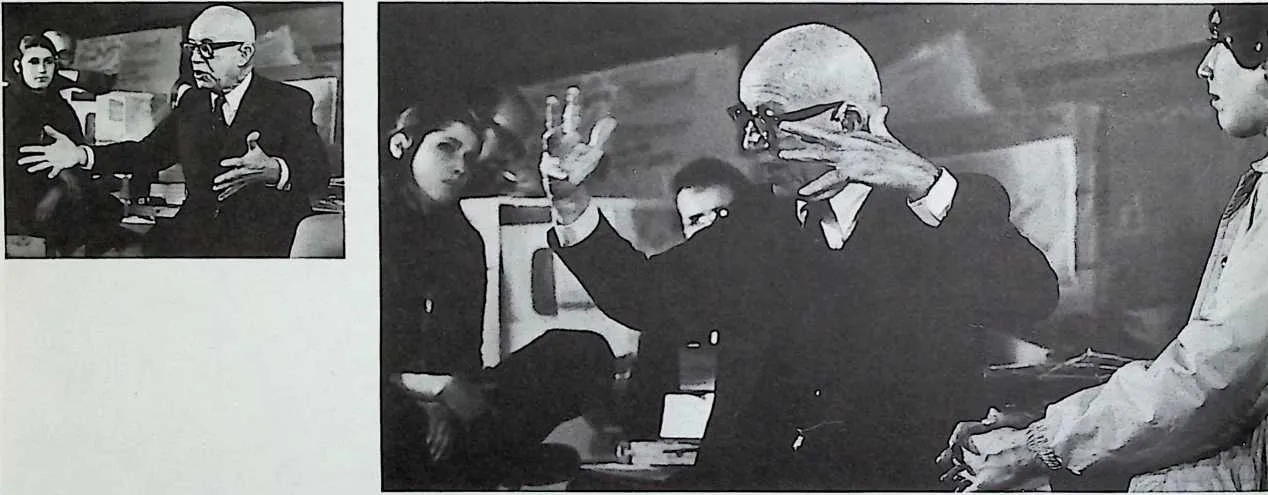
886 Democracy certainly couldn't work as long as you have an illiterate group that doesn't really know what's going on, leaving governing to a power structure which has all the intelligence information and makes the decisions without the people really knowing why.
887 So I say we're coming to this absolutely new moment when it could be that phenomenon, democracy, really might work.
888 Now, with the information proliferation that's going on around the world, this could become a possibility.
889 You are going to have to find out what needs to be done.
890 How do you organize yourselves to accommodate a growing humanity that is now going to double or triple their lifespans, to give them a chance to enjoy their earth?
891 That is the designer's responsibility.
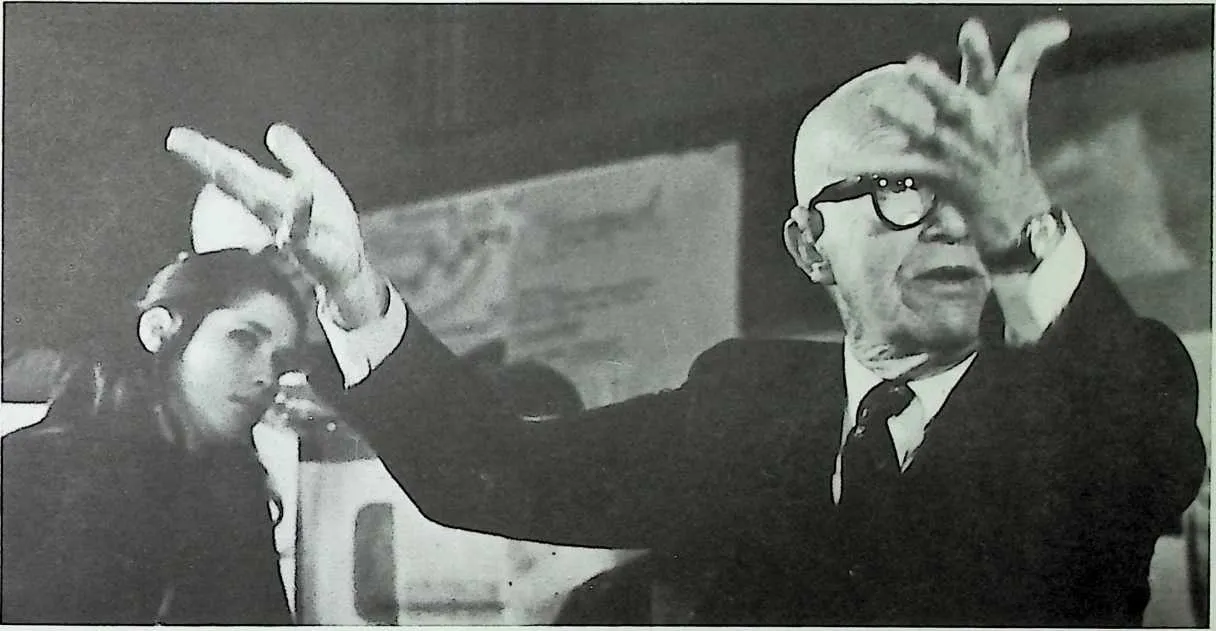
894 Architects aren't doing anything!
895 They're perfectly willing to sit around drawing pictures and feel ‘‘If the pictures are pretty, that's enough!’’
896 But you don't ever have to worry about beauty or pretty, because if you really understand your problem, if you solve it correctly, and you do it so economically it is realizable, it always comes out beautiful.
897 That's why a rose is beautiful.
898 It is just one of those parts of the great regenerative process of the universe.
899 If you want to be part of that, you can't miss beauty.
900 That part, your joy, will be there; your joy will be just as much as it is with a beautiful sunset.
901 One Xmas in the early seventies I had the rare pleasure of out-Santa-ing Bucky. I received a call some months earlier from a young man in Capistrano Beach, lohn Warren. He had seen our film The World of Buckminster Fuller, an expanded version of the TV special, and would like to show me, and he hoped Dr. Fuller himself, a little geodesic dome he had designed.
902 A couple of weeks later Warren, a former marine biologist, expert surfer and surfboard-maker, arrived at our home in Pacific Palisades with a friend in an old army jeep. Lashed to its back was a stack of sand-colored polyester-fiberglas pancakes. They unlashed the stack and cartwheeled each of the twenty-one 5-foot diameter hexapent pans up the side of the house to the back patio and laid them down flat in a circular pattern. I noticed that edges of the units were of two designs: slit IVi’’ troughs with three V2’’ holes spread equally along the center of the trough, the female, alternating with a single 1V2’’ edge with three W pips protruding, the male. They began joining one pan's male to another's female and, tilting them upright, began to form an outer ring, and joined units onto the first ring, outside-in (like the Radome).
903 Within ten minutes, a lovely self-shingled, overlapping surfaced dome —"Turtle’’—was standing firmly. We entered through the flip-top door and felt the lovely, quiet space.
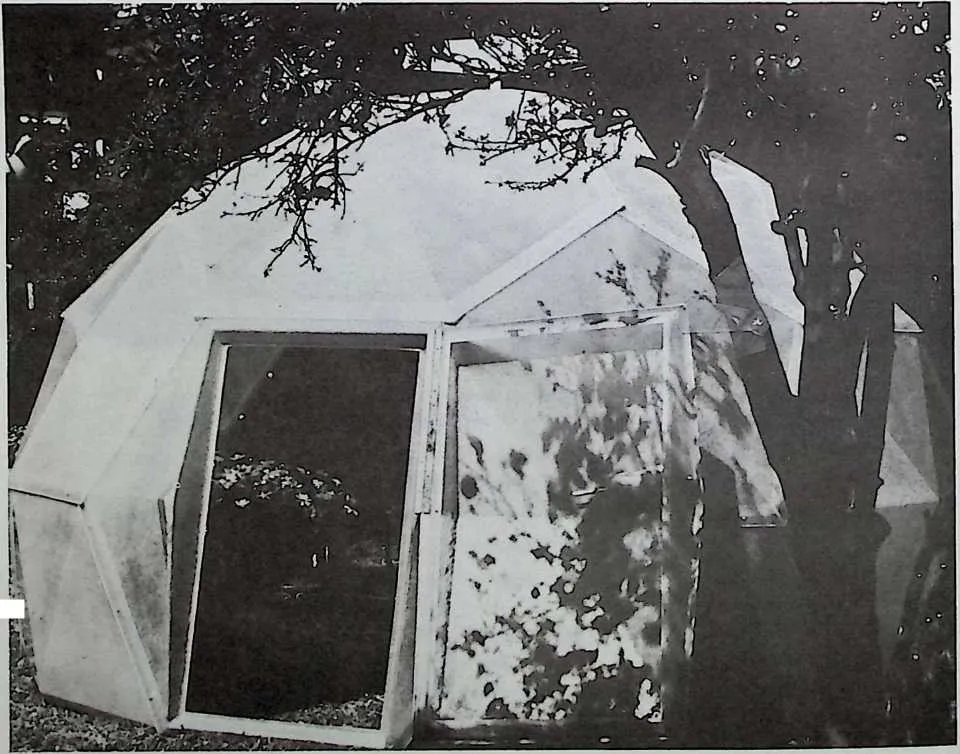
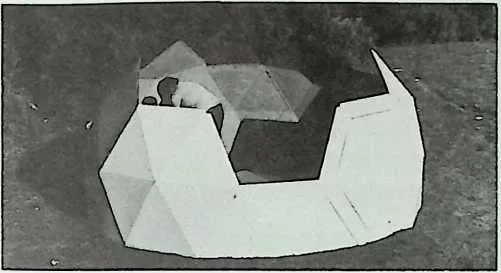
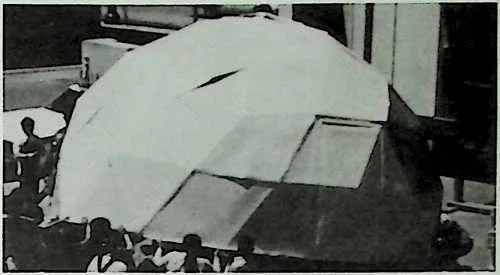
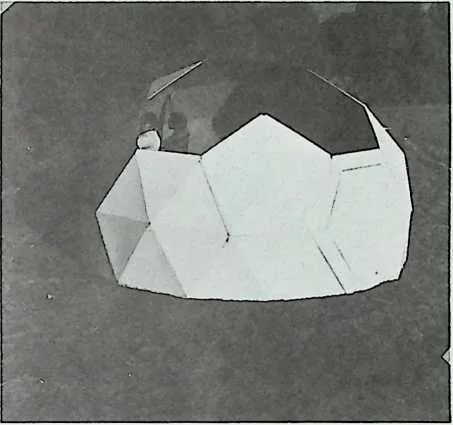
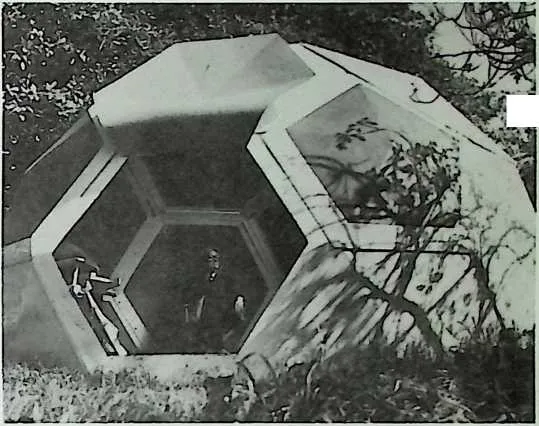
906 I thought, Bucky would arrive for the holidays after a Far Eastern swing, Tokyo and/or New Delhi, if not Sydney, Hong Kong and the Philippines, I forget. So I scripted a scene: As always, Bucky would come bouncing in with his beaming, toothy grin and chipper sailor-gait through our long living room, greeting and kissing us, the children, dogs and cats. He would pass the French doors outside which, on the grass ledge beyond the patio, sat the Turtle dome.
907 He would do a double-take, and would have to take a look. And so it came to pass: After the warm greetings, he came to a sudden stop, swung back, went out the doors, and his head rolling from side to side, muttering grunts of admiration as he ‘‘read’’ the structure, he came face to face with it: ‘‘I've been thinking about you for years.’’ I pushed shy John forward, introducing him. Bucky embraced him and they went round and round the dome. Bucky punched and kicked its sides: ‘‘You can't break into this inverted boat hull; but if you had to, you could push out of it, unsnap it, easily enough!"
908 Bucky ordered a fistful of Turtles—a few for Bear Island, one for niece Kariska Kenison Pujarski's nursery school in Sausalito, another for Ruth Asawa's community garden project in San Francisco—and admitted John into his ever-growing and regenerating family of assistant comprehensive designers, putting him to work on improvements of the Turtle dome and such-like research and development.
909 His lectures and consultations continue to be given only to those who ask him to speak. And since he must be selective, his fees increase at a faster rate than inflation. On the other hand, and all too frequently, he will exact no fee at all from an inpecunious group, however small and humble. He squeezes in amongst government, corporate, university, trade association and national convention lectures, visits to an Immaculate Heart College, Watts Towers, a jail, a struggling progressive school, San Francisco's Alvarado School…
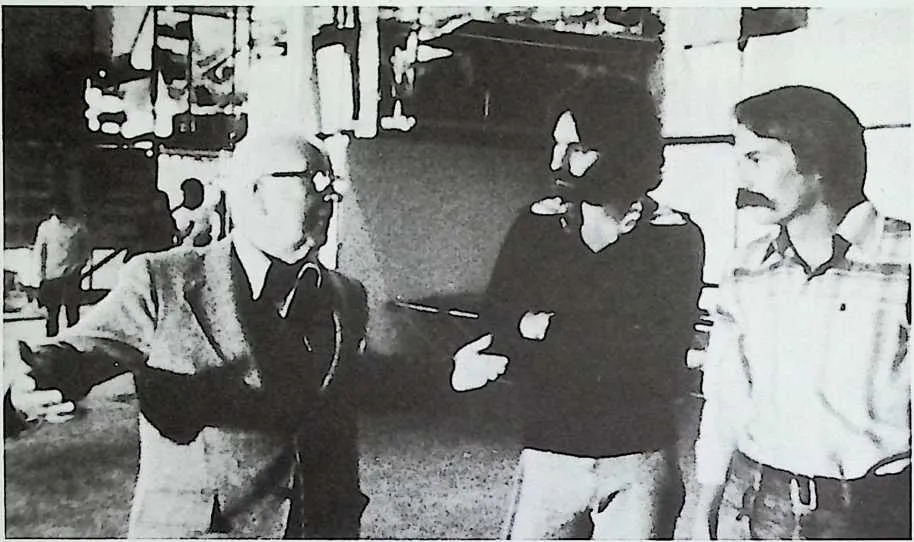
911 I review planetary resources in terms of today's gained knowhow, to see whether there's any way we might be able to do much more with much less, to be able to take care of everybody.
912 All political systems and wars based on scarcity would become obsolete. World Gaming is played, not like checkers against an enemy but against ignorance, inertia, and fear.
913 The World Game proves that John Von Neumann's theory of war gaming, which holds that one side or the other must ultimately die, either by war or starvation, is invalid and offers
914 a heretofore unconsidered alternative way to play the war game in which, as in mountain climbing, the object is
915 to find all the moves by which the whole field of climbers would win as each helped the other
916 so that everyone reached the mountaintop successfully.
917 I think of my World Game as a way to bypass politics, human ignorance, prejudice, and war and put the facts before man and the whole world to try to deal with them coherently. We have never so far made the attempt to take our collective destiny into our own hands, and shape it.
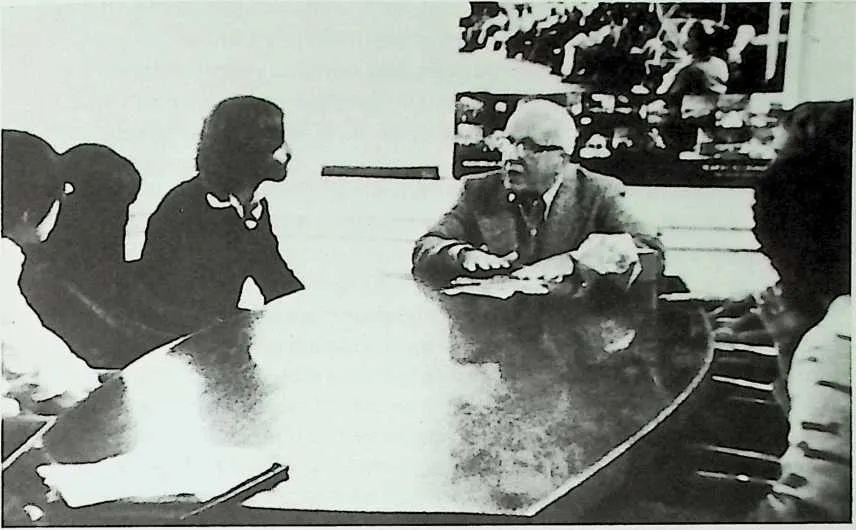
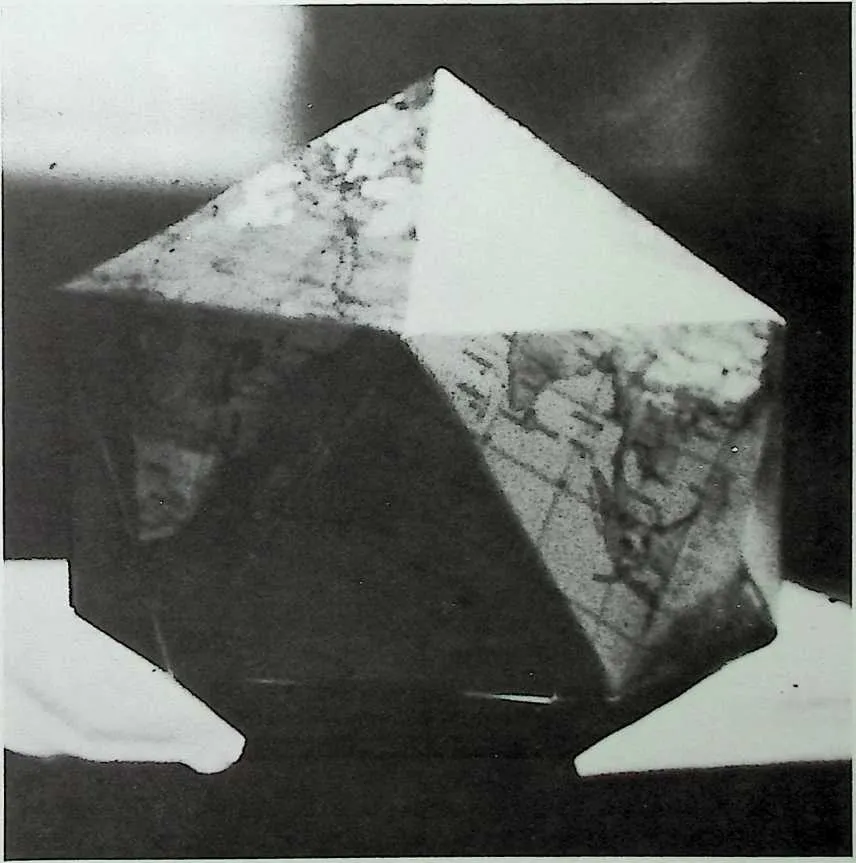
920 In the beginning of the nineteenth century, Thomas Malthus (1766-1834) was professor of political economics at the British East India Company's Haileybury College. At that time, this trading company was the most powerful organization operating in the three-quarters of our earth which is covered by water—and on a great deal of the land as well —having started out in the sixteenth century as only one of many East India companies. Malthus was the first economist in the history of man to receive his vital statistics from all around our spherical planet, as the British Empire was one of the earliest spherical empires.
921 If we were living on a plane, as all the earlier empires from Alexander the Great to Genghis Khan conceived it, then it would go on to infinity and there'd be an infinite amount of resources with which to make up for anything we exhausted; and there'd be an infinite amount of room to get rid of anything we didn't want—such as pollution. The minute you discover you're not on an open, but on a closed, system, you find that suddenly there's no infinity, no resources.
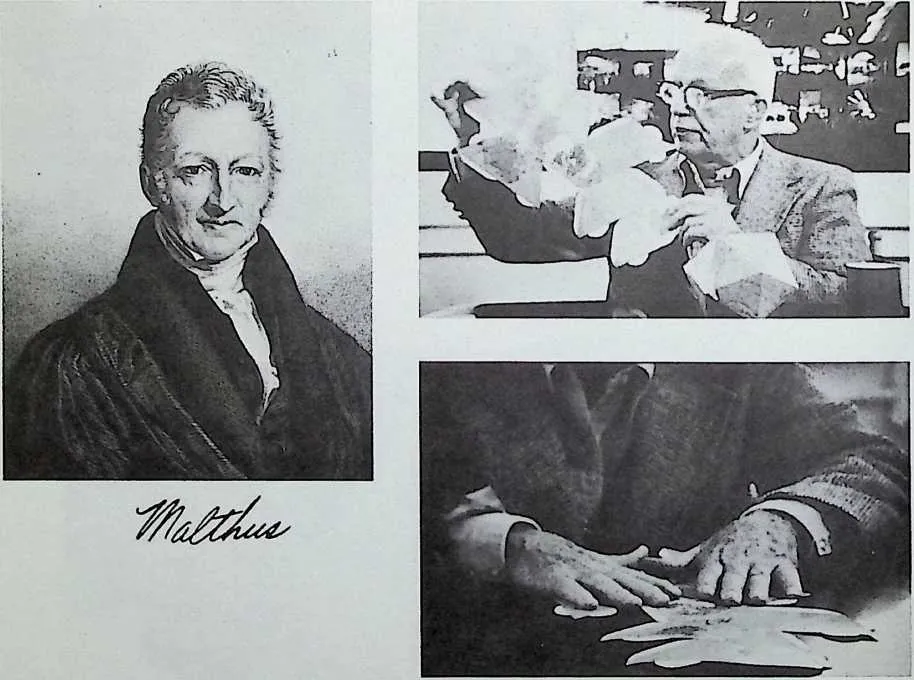
924925Malthus theorized, from the information he was receiving from all the courts of all the rulers of the world, that apparently man was multiplying himself at a geometric rate and producing goods to support himself at only an arithmetic rate. The implication of this theory was, quite clearly, that man was designed to be a failure and that only very few men could survive.
926Darwin and other biologists and geologists were able to go around the world, taken by the great masters of the water-ocean, to discover what resources there were around our planet that a great mariner mightn't recognize, but that a great scientist could.
927Darwin said, ‘‘This is a catalogue of all living species,’’ and found some new relationships of vertebrates and so forth. He was then able to evolve a theory of evolution. Apparently the designing of these creatures was a consequence of the survival of only the fittest.
928Incidentally, Darwin would not have been able to develop the theory of evolution at the time of the Roman Empire because it would have had to include dragons to the nth power!
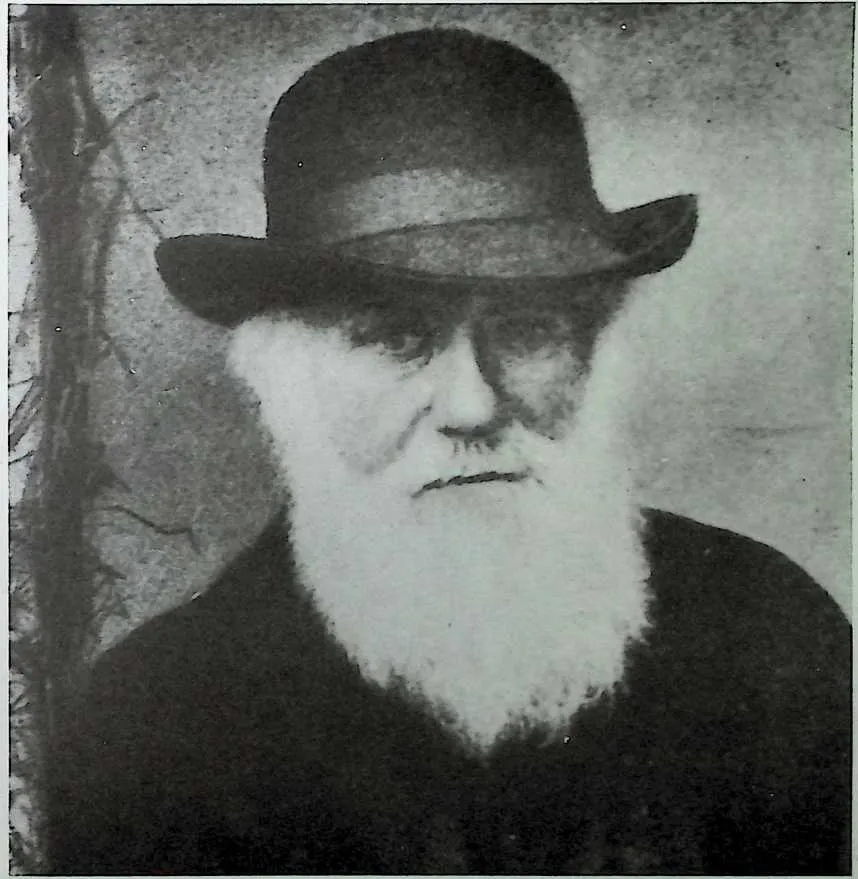
931 So we have Darwin plus Malthus: nowhere nearly enough to go around and survival of the fittest. So the great masters of the water-ocean world, having mastery of the water, the best information, and the best beautiful fighting ships, said, ‘‘Obviously, we're the fittest.’’
932 Karl Marx agreed with their general theory of nowhere nearly enough to go around/survival only of the fittest, but he said quite clearly that the worker is fittest because he knows how to handle tools; and all those other people are parasites. So this really brought about the concept of class warfare.
934935Our world is still assuming that there is not enough to go around, and the basis of all our ideological battles—of both East and West—rests on this assumption, both saying: ‘‘We cannot guarantee that you're going to eat on our side, or that you're going to like it; but we have the fairest or the most logical or the most scientific way of coping with inadequacy.’’ By virtue of which, in the last decade, the sum total of preparations for Arma geddon by China, Russia, and the United States and NATO is billions of dollars a year—all trying for the highest capability of man to kill man.
936Now I happened, by good fortune, to be in the United States Navy at the time of World War I and, in due course, became an officer of the line. In the Navy I began to be fascinated that we had airplanes, which we never had before, and we had electronics and alloys we never had before. The greatest secret of the Navy was doing more with less, where a little ship might be able to sink a big ship if it could move faster and outmaneuver it. In the late twenties, one little airship could sink a great cruiser.
937 It was the beginning of a new era.
938939It could be, I thought to myself, that Malthus is really not pertinent today because he didn't know, for instance, that we were going to have refrigeration. I said, ‘‘What else did Malthus leave out?’’
940I began to inventory the many discoveries that were not available to him in 1810: there was no modern technology at all; no refrigeration; no production steel; no electromagnetics. He left out doing more with less. In 1917 I began to realize we actually had the possibility of doing so much with so little and might be able to take care of all humanity at the highest standard of living anyone has ever experienced, and to do it by 1985. And if we did that, the whole raison d'etre of war would disappear.
941The Navy played a ‘‘game,’’ the war game. I decided to start playing what I called the World Game. Playing my World Game is a design revolution in contradistinction to a bloody revolution and the idea of getting on by just killing each other and seeing who survives.
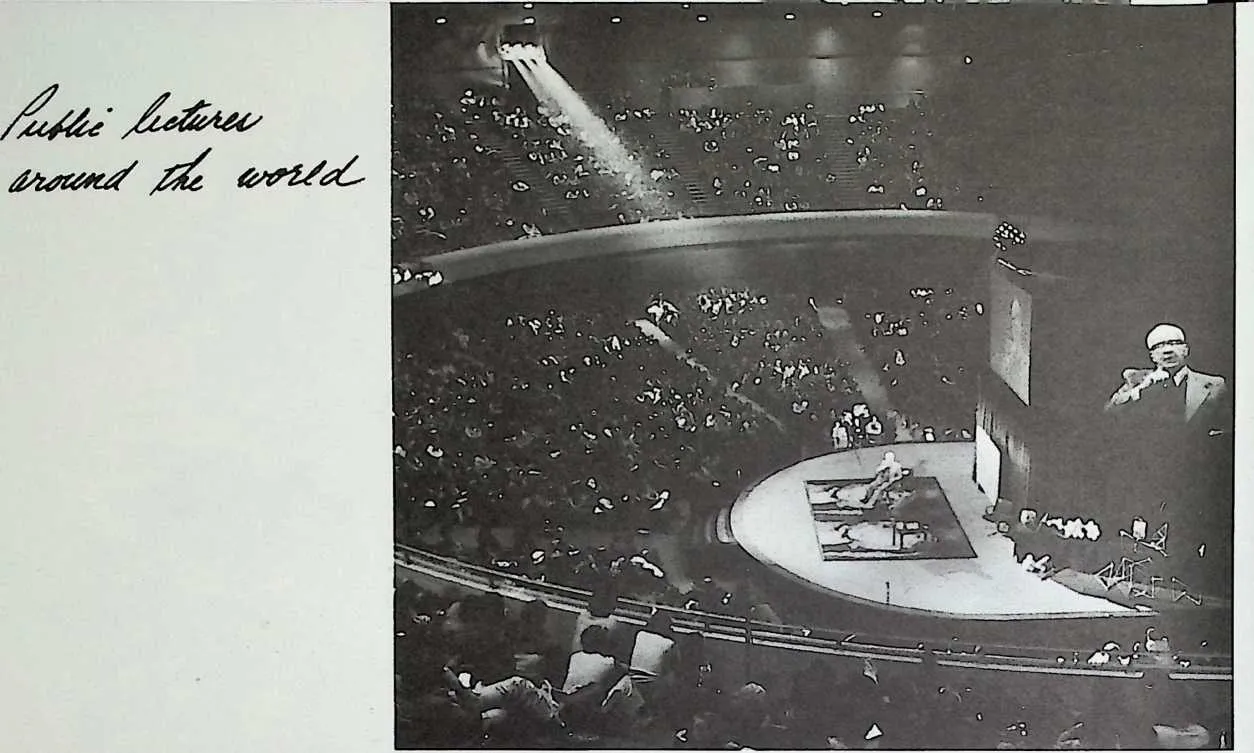
944 The World Game employs design science to produce progressively higher performance per units of invested time, energy, and know-how for each component function of the world's resources. It makes it possible for intelligent amateurs to discover, within a few weeks of studying simulated design revolution illustrated on the world map, that its premises are valid and to find specific ways in which they can be applied.
945 Now you don't play the World Game by saying, this is the scenario, and making some moves on a table. What you have to do is to develop compe tence in terms of technology; you have to understand how to design some thing more with less. Take, for instance, something like communication:
946 A man at the time of Malthus who wanted to send a message locally had to send a messenger on a horse;or, to send it around the world, a great big ship had to get him there. It took a great deal of energy and weight to get a message from here to there, and it was very slow.
947 Now, by radio and electronics, we obviously get a message around the world very much faster with very little energy or weight. With the first telephones you had one message going along a given cross-section of wire. Then a few years later, we learned to get two messages over the same cross-section of wire simultaneously. Later on we got twelve messages on the same cross-section; then, twenty-eight; and two hundred and thirty to two thousand. It then went wireless, no wire at all.
948 And today we have one communication satellite, weighing a quarter of a ton, outperforming the transoceanic communication capability of a hundred and seventy-five thousand tons of copper cable! This is typical of the way you do more with less.
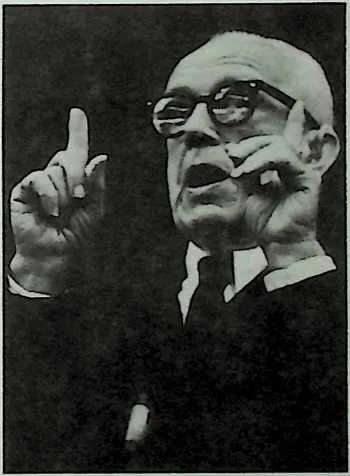
951 This is the new world that's come in.
952 And when I talk about the ability to do more with less, I see we're terribly tied up with all kinds of old ways.
953 Think of the fantastic amount of real estate involved here that's absolutely obsolete!
954 The whole idea of property begins to go, because you used to have to guard the trees and the vegetation and you don't have to anymore.
955 You used to have to guard the mines.
956 You don't have to anymore.
957 Metals are now recirculating in great numbers, except for a few of the new, rare metals.
958 Of steel and copper and aluminum, the main metals, we have ample already in circulation.
959 This is exactly what Japan learned during World War II.
960 By getting all our scrap just before the war began, they could get along without mines.
961 All we have to do is continually recirculate the metal, and every time we load it with more know-how, taking care of many more people and very much greater tasks. So this whole World Game is really a design revolution.
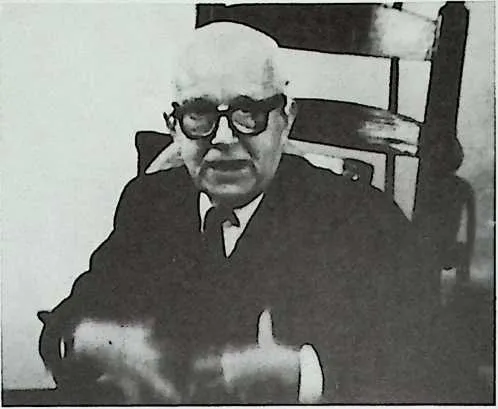
963 We have internal and external metabolics. The energy necessary to keep human life going we call internal metabolics. Until recently, with horses and man doing all the work, primary energy was consumed internally, by man. This last year, however, only 1 percent of all energy produced on earth was, and is being, consumed internally by man; and 99 percent is going into tasks outside which flows through mechanical systems.
964 After studying all of man's internal and external metabolics, you come to realize that what we call wealth is the capability of keeping life going.
965 It cannot be spent backwards; it cannot reorder one iota of yesterday. In this century we have learned that the physical part of wealth in the universe tends to regenerate; and the metaphysical can only increase: Every time you make an experiment, you learn more, not less. The physical part of wealth in universe cannot decrease and the metaphysical can only increase.
966 So, every time we use our wealth, it increases—which is the exact opposite of our economic thinking that is based on depreciation.
967 To understand about design revolution, we have to ask, ‘‘How efficient are our uses of energy?’’ The reciprocating engine, for instance, is only 15 percent efficient; the turbine engine is 30 percent, or twice as efficient; now, the jet engine is 60 percent efficient; and when we get to the fuel cell, it's 85 percent efficient.
968 The way we are using our engines is most inefficient. At all times in the United States around two million cars are standing in front of red lights, with their engines running. Millions of horses in motion—going nowhere!
969 Out of every hundred barrels of petroleum we are taking into our economy, 95 percent goes down the flush. We get only 5 percent. Clearly then, we don't have any energy crisis whatsoever. We simply have a crisis of ignorance; irresponsible, highly reflex-conditioned ignorance.
970 Another former student-apprentice, Michael Ben-Eli, developed a project in New York City where youngsters from East Harlem and the Lower East Side experimented with paperboard and ferrocement geodesic structures for low-cost shelters.
971 In great cities like New York or Chicago and Los Angeles we have a fantastic amount of destitute humanity, with people greatly demoralized, trapped in the pattern of yesterday's ignorance.
972 There is nothing more exciting to me now than that on those streets in the communities I find leaders emerging who, with a very deep and intuitive awareness, want to make things work.
973 To my amazement, I found myself being asked for help by gang leaders in Chicago, New York, and Los Angeles. At first, when I came to meet them my language scared them; they shied away.
974 But they came back to develop projects with some of my young associates and students.
975 This group in New York, in particular, was once a part of the Real Great Society. Now it's called CHARAS, and can stand up with great calm and say, ‘‘We have got heads on our shoulders and we can use them to work out something new and useful.’’
976 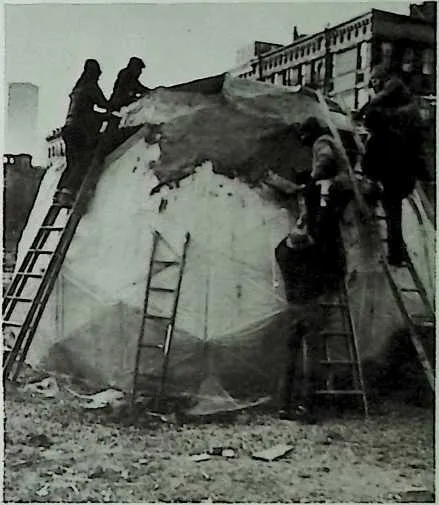 The CHARAS group caught on intuitively
977 that they are endowed from birth with great intellectual capabilities that they can really employ,
978 even though they never did go through school.
979 They are a prototypical operation of human beings, able suddenly to master control of the environment and to realize that they are themselves going to make breakthroughs.
980 My young Israeli friend, Michael Ben-Eli, who worked with me and with students in Africa and in other places around the world, was able to teach and work with them so that within four months they actually acquired spherical trigonometry and were building their own geodesic dome.
981 The honorary degrees and awards keep rolling in. His ‘‘basic biography’’ has, as of 1978, doubled in size; and a new section has been added: ‘‘New York Times Listings About or Mentioning Buckminster Fuller".
982 With the assistance of E. J. Applewhite (‘‘Sonny’’) he begins to prepare for publication of his life's work, his energetic-synergetic geometry. The odyssey of this effort of a few years—its writing and editing, visions and revisions ad infinitum on planes, airports, hotel rooms—is wonderfully recounted in Sonny's book, Cosmic Fishing [App77]. Macmillan finally published the hefty tome Synergetics: Explorations in the Geometry of Thinking by R. Buckminster Fuller in collaboration with E. J. Applewhite [FA75].
983 Samuel Eliot Morison's review letter to Macmillan is worth quoting:
984 ‘‘Bucky Fuller's newest book, Synergetics, is his most important and most readable. He fits very well the description Thomas Carlyle wrote of another, about a century ago: 'This man is of the sort we now call original men, men of genius and such like, the first peculiarity of which is they communicate with the universe at first hand.' In this book, Fuller is writing for the general public and he gets 'down to Earth' by constantly indulging in homely comparison. Take his paragraph 400.10, for instance:
985 'The difference between infinity and finity is governed by the taking out of angular sinuses, like pieces of pie cut out of surface areas around a point in an otherwise absolute and infinitely extendable plane, and joining together the open gap's radial edges. This is the way lampshades and shirts are made'.
986 ‘‘From infinity, we are down to pie, skirts and lampshades!’’
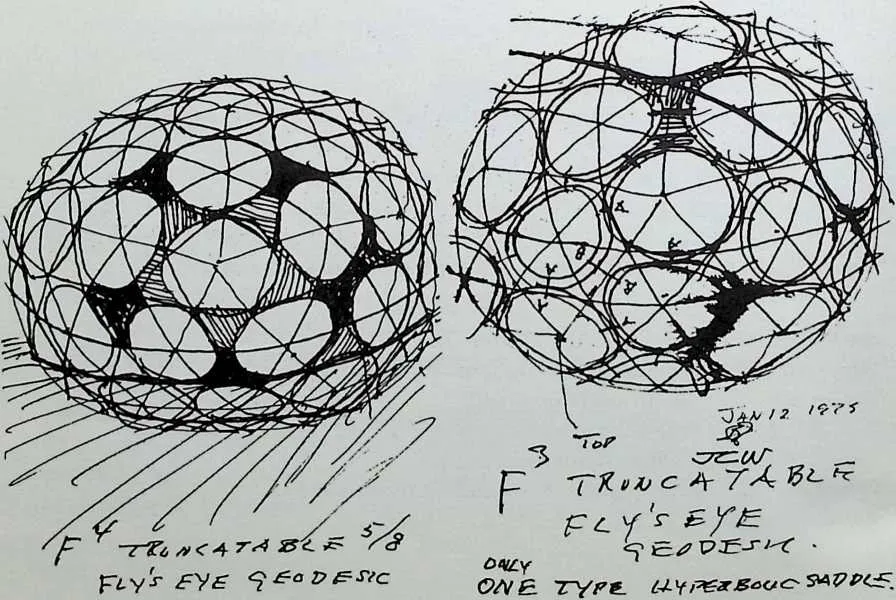
988 The ‘‘homely similitude’’ of Bucky's minister ancestors. Morison advisedly stresses ‘‘down to earth.’’ Bucky's thinking-alouds…
989 Bucky says ‘‘it's my last artifact’’—he should say artifacts, for on the heels of the success of Synergetics, he and Sonny undertook volume two —perhaps only the last conceptual artifact at that; for shortly he creates another revolutionary structural one, the Fly's Eye dome (doubtless he has a number of others up his sleeve, but he doesn't like to talk about them until he's prototyped and demonstrated them: they'll speak for themselves).
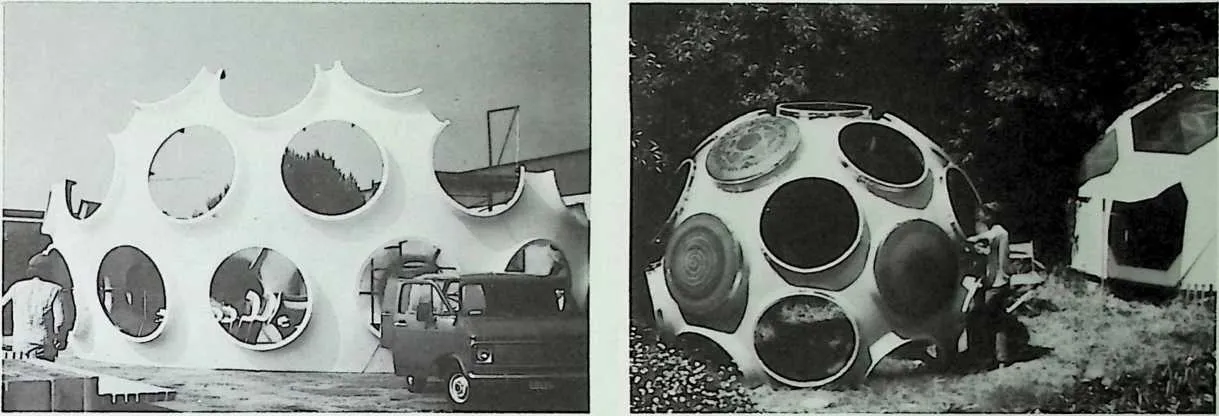
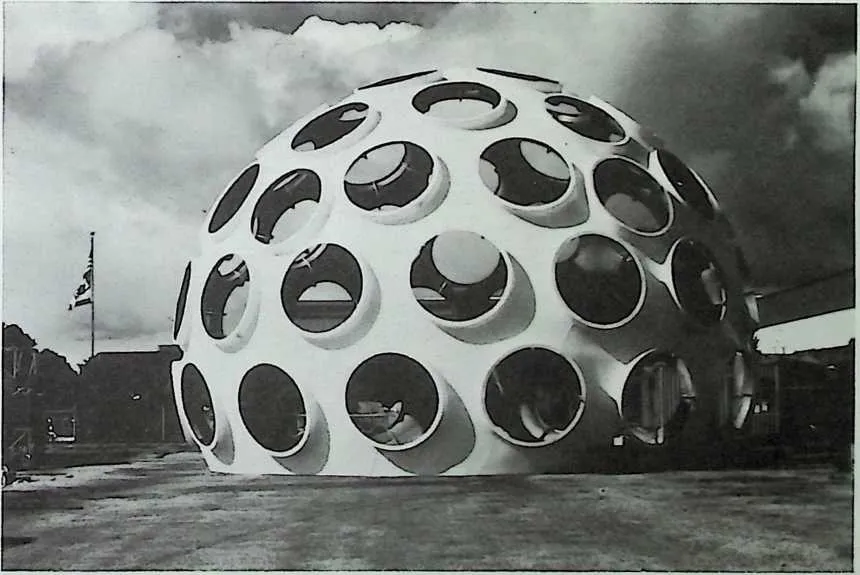
992 Because the dome is all lenses, it looks like a fly's eye. The joining of the fiberglas structural members creates the lens openings, much as the ring of dough creates the hole in the doughnut or the bagel.
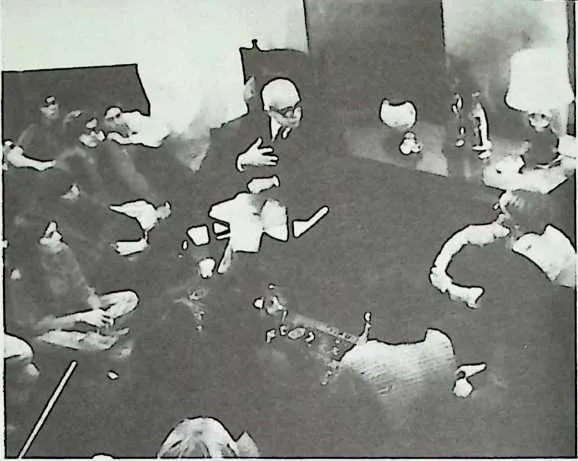
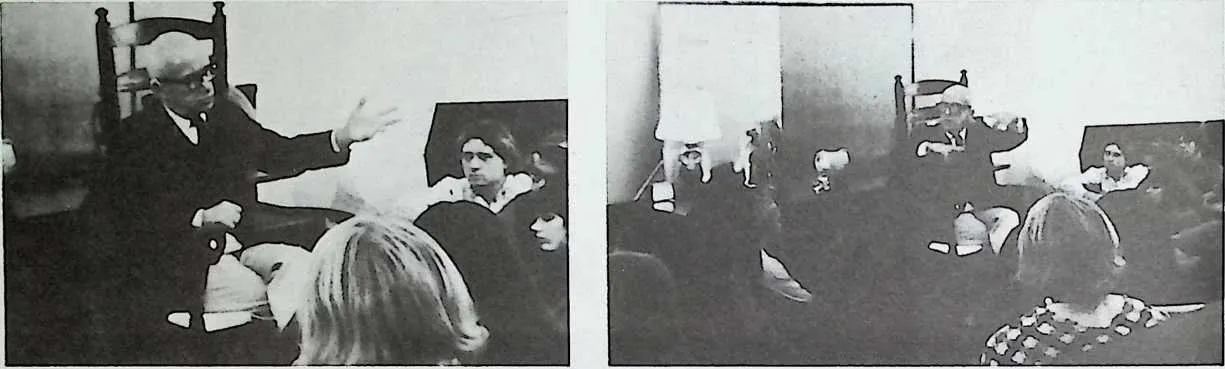
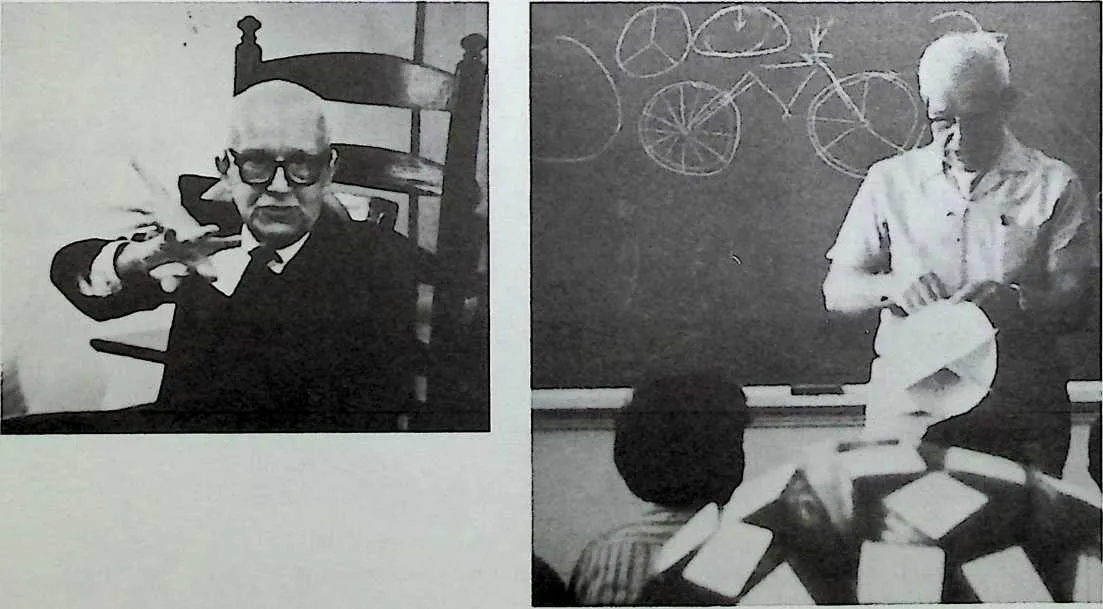
996 I would never try to reform man—that's much too difficult. What I would do was to try to modify the environment in such a way as to get man moving in preferred directions. It's like the principle of a ship's rudder, which is something I thought a lot about as a boy here on Bear Island.
997 The interesting thing about a rudder is that the ship has already gone by, all but the stern; and you throw the rudder over, and what you're really doing is making a little longer distance for the water to go round. In other words, you're putting a low pressure on the other side, and the low pressure pulls the whole stern over and she takes a new direction.
998 The same in an airplane—you have this great big rudder up there, with a little tiny trim tab on the trailing edge; and by moving that little trim tab to one side or the other, you throw a low pressure that moves the whole airplane.
999 And so I said to myself, ‘‘I'm just an individual, I don't have any capital to start things with, but I can learn how to throw those low pressures to one side or the other, and this should make things go in preferred directions, and, while I can't reform man, I just may be able to improve his environment a little.
1000 But in order to build up those low pressures I'm going to have to really know the truth.’’
1001 The child is really the trim tab of the future.
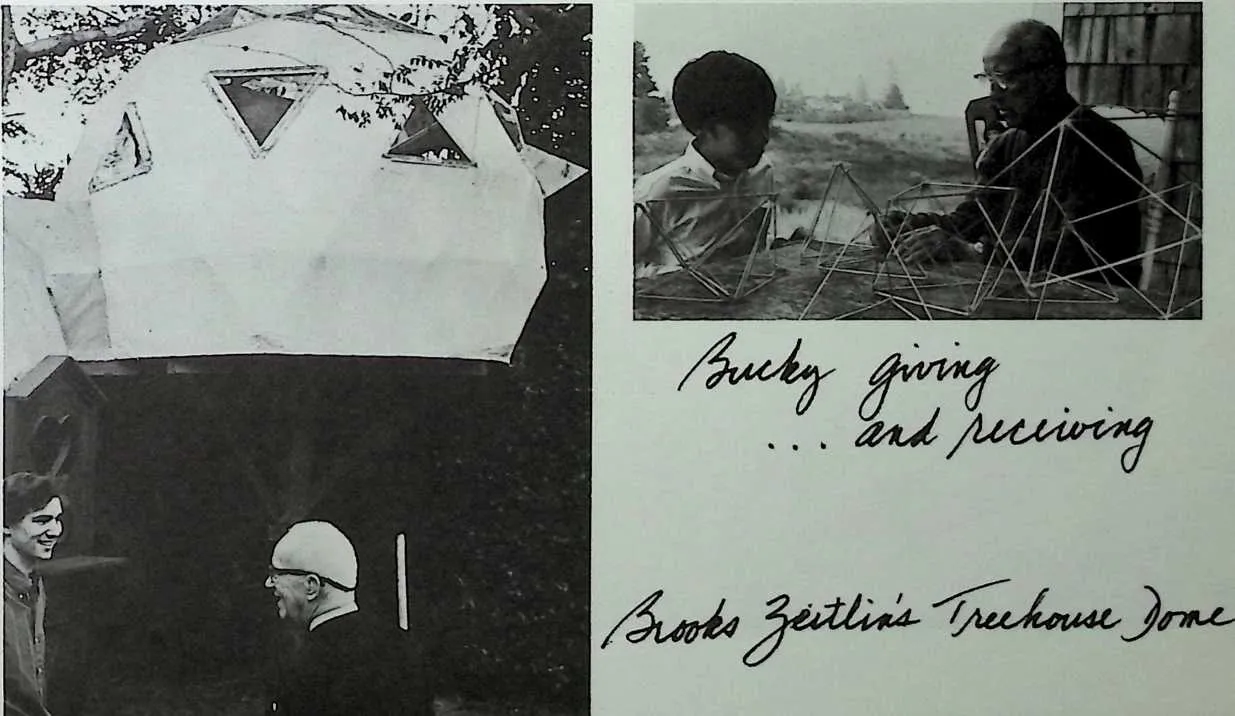
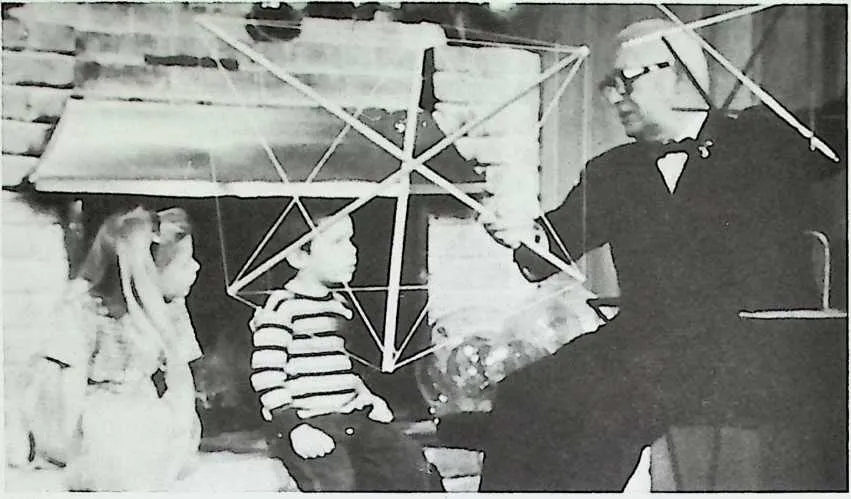
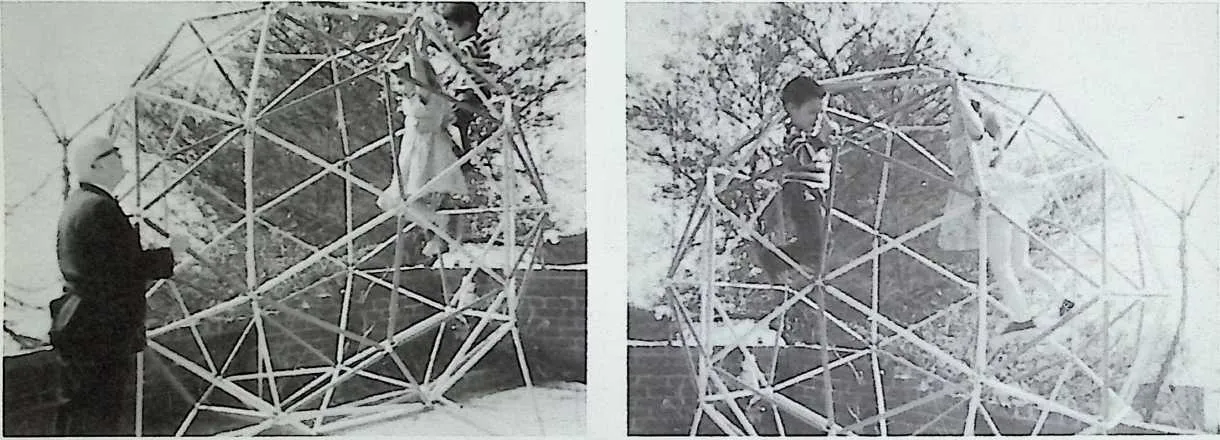
1005 Children are spontaneously truthful.
1006 They used to be told, ‘‘Never mind what you think.’’
1007 Now they're doing their own thinking,
1008 so I feel that the young world is absolutely overwhelmed by the fact that the world is a mystery.
1009 They have a deep reverence for whatever truth and love may be.
1010 We'll make it on our planet because of youth and truth and love.
1011 Human beings are born naked, helpless, ignorant, and curious.
1012 We now know we have been aboard our planet for about 2Vz million years, and we've had to go through a great deal from being naked to the elements
1013 to learning by trial and error, without words.
1014 Now we have beautiful verbal communicating capabilities and a great deal of knowledge.
1015 We are able to explore the universe telescopically, photographically, to IV2 light years around our planet. We photograph atoms.
1016 Now we've reached the point of discovering that muscle is nothing, mind is everything.
1017 Evolution is integrating us
1018 and we're no longer so remote from each other.
1019 Clearly we are here to use our minds, to be information gatherers in the local universe, problem solvers in relation to the maintenance of the integrity of the eternally regenerative universe. Muscle is nothing; mind is everything.
1020 But muscle is still in control of human affairs.
1021 In about ten years, if we come out with muscle in control, we will have chosen oblivion;
1022 if we come out with mind in control, it's going to be utopia and eternity.
1023 Yes, we do have the option to make it, but it's absolutely touch and go, a matter of the integrity of every human being from now on.
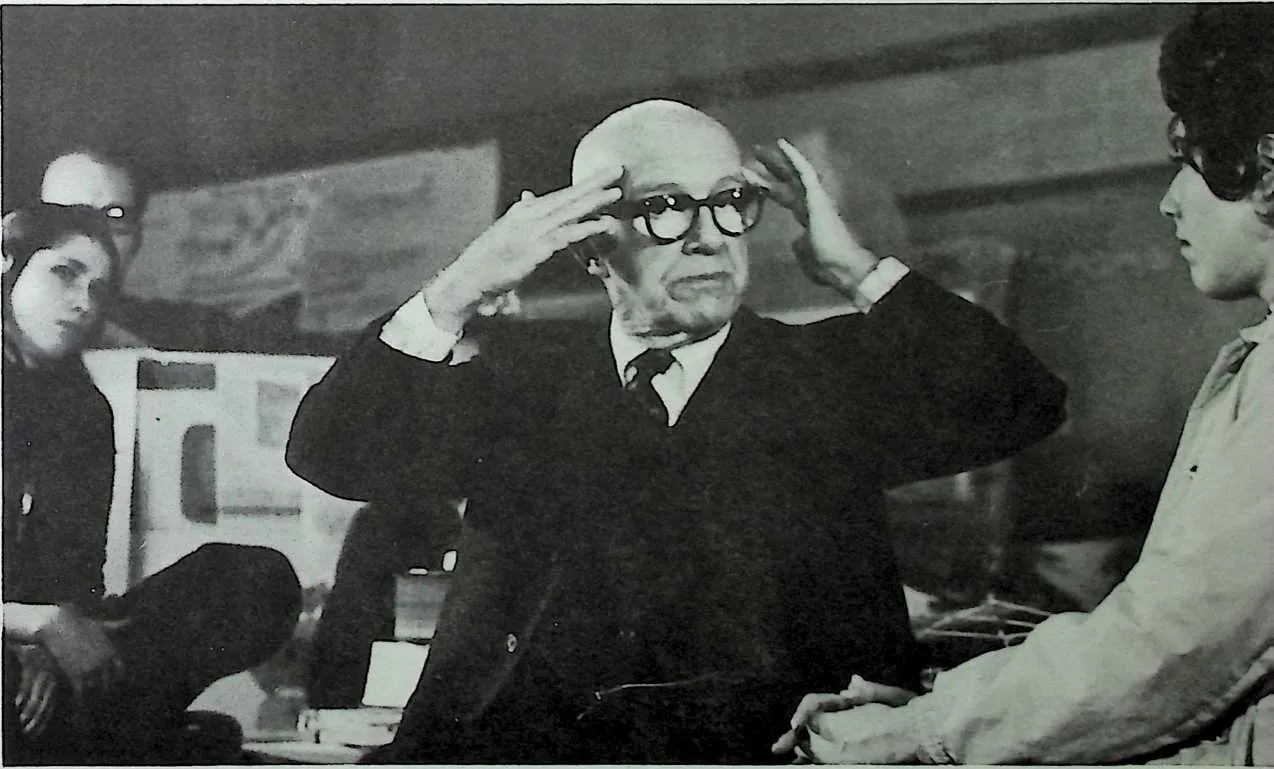
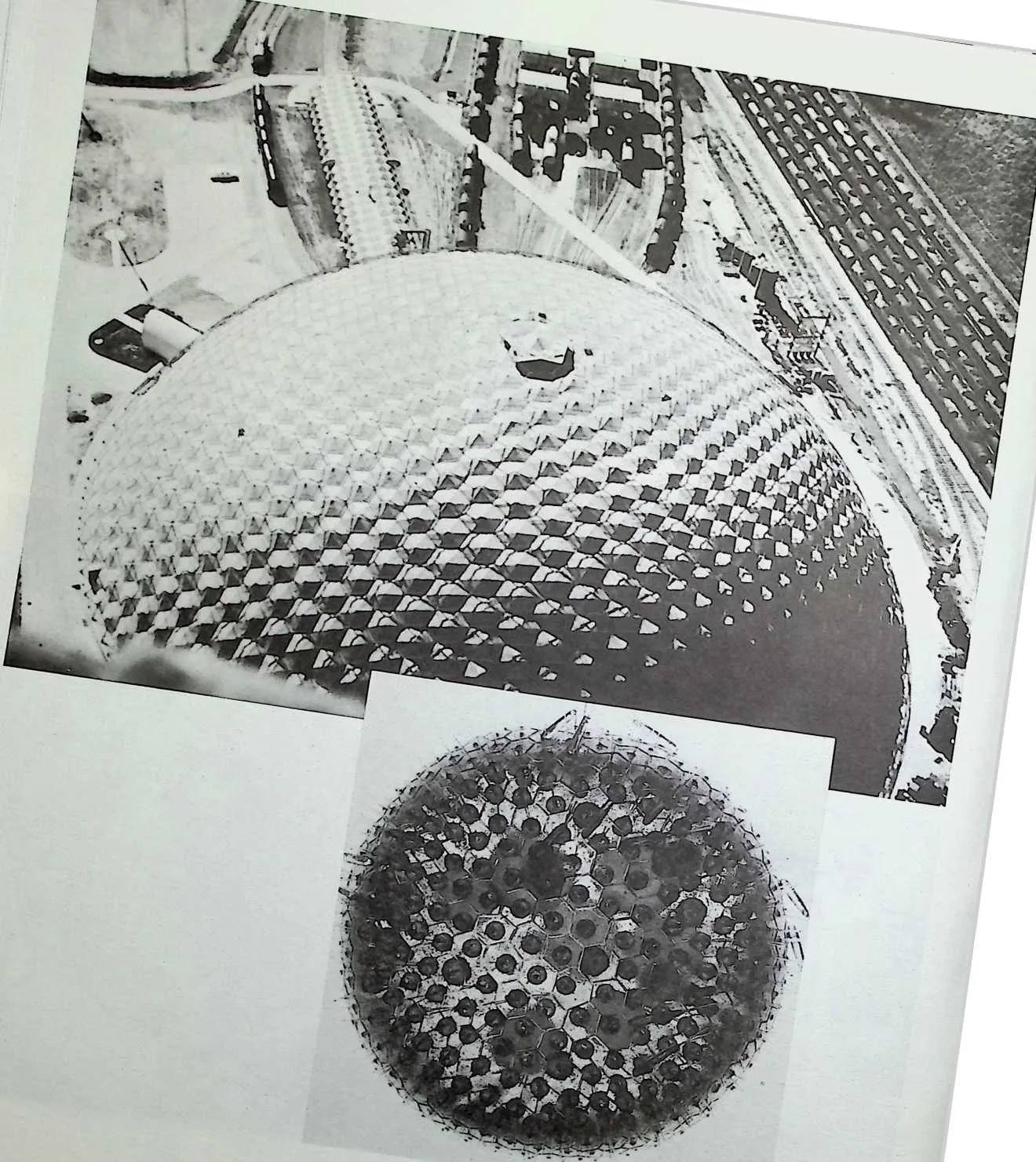
102610271977:50-Y^EXPElilMENT
1028 Either you're going to go along with your mind and the truth, or you're going to yield to fear and custom and conditioned reflexes. With our minds alone we can discover those principles we need to employ to convert all humanity to success in a new, harmonious relationship with the universe.